
Nutrition comparison
Orzo vs Chickpea Pasta: Which Is Healthier and What Are the Tradeoffs?
Compare orzo and chickpea pasta on protein, fiber, blood sugar impact, taste, and digestion. Find out which pasta fits your health goals and when each one is the better choice.
Overall winner · Chickpea Pasta
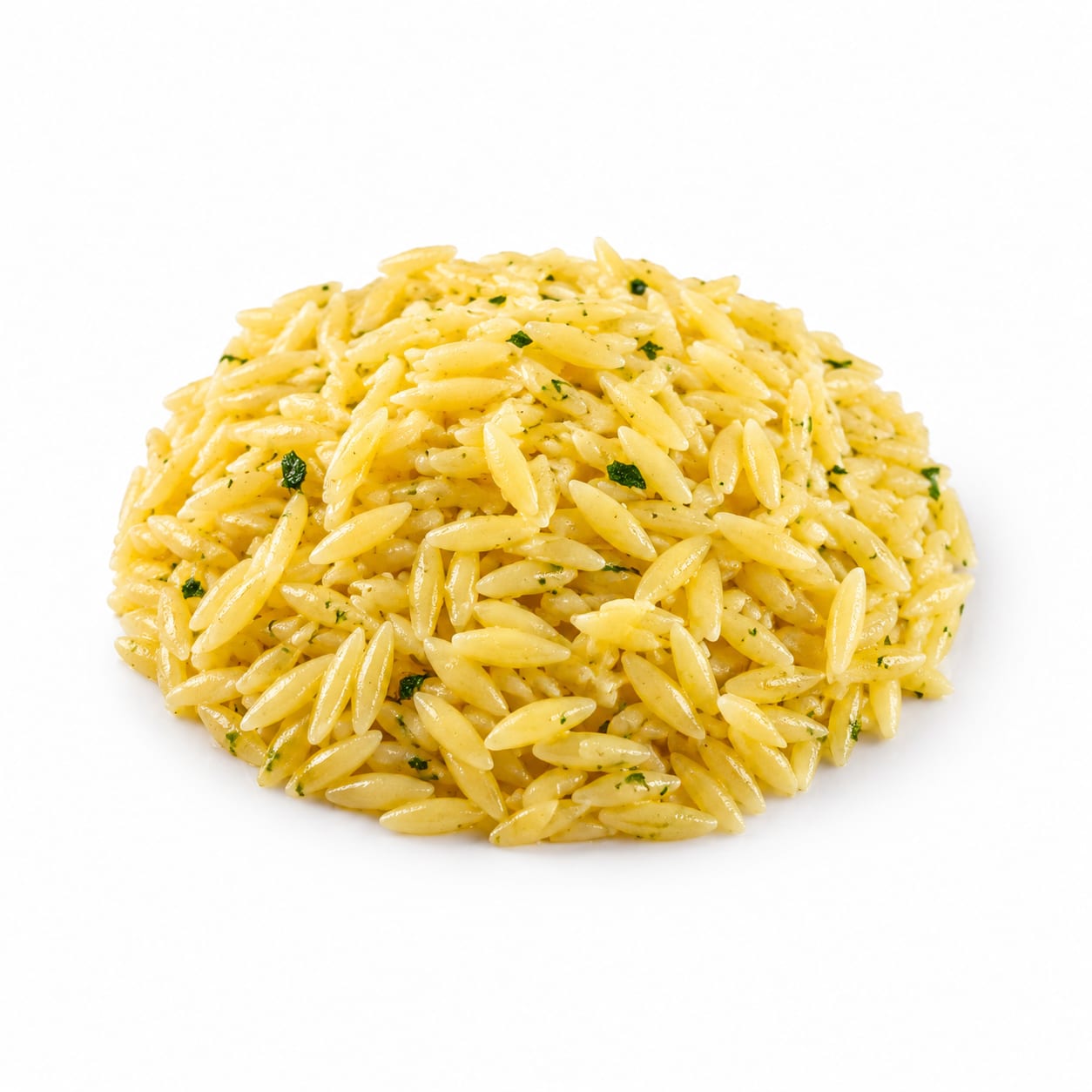
Orzo
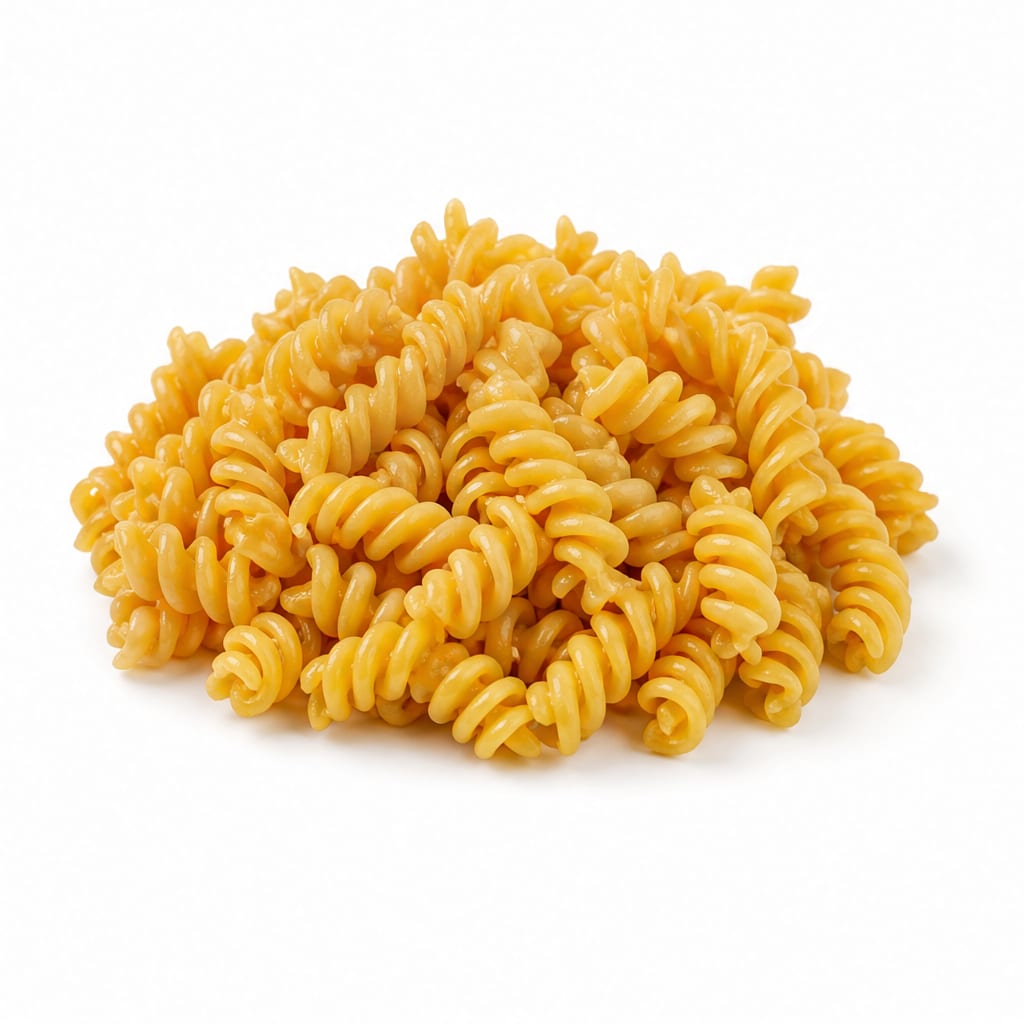
Chickpea Pasta
Chickpea pasta delivers dramatically more protein and fiber with steadier energy, but orzo wins on taste familiarity, gentler digestion, and lower cost.
Chickpea pasta scores significantly higher due to its protein, fiber, and blood sugar advantages. Orzo remains relevant for taste preference, digestion comfort, and budget, but falls behind nutritionally.
You gain satiety and nutritional density with chickpea pasta but sacrifice the soft comfort texture and mild flavor of traditional orzo.
At a glance
Executive summary
Overall
Chickpea Pasta
Healthier
Chickpea Pasta
More practical
Orzo
Daily use
Chickpea Pasta
Key comparison lenses
blood sugar and satiety comparison
The massive fiber and protein gap between these two pastas directly affects how full you feel and how steady your energy stays after eating
plant-based protein upgrade
Most people comparing these are looking for a higher-protein pasta alternative without adding meat or supplements
gluten-free dietary needs
Chickpea pasta is naturally gluten-free while orzo contains wheat, making this a critical decision point for anyone with celiac or gluten sensitivity
taste and texture tradeoffs
Chickpea pasta has a distinct earthy flavor and firmer bite that not everyone prefers over the mild comfort of traditional orzo
digestive tolerance
Chickpea pasta can cause bloating or gas in sensitive people, while orzo is gentler on the stomach for most
Best choice for
Orzo
- People with sensitive digestion who struggle with high-fiber foods
- Traditional recipe authenticity like Greek orzo salads or soups
- Budget-conscious households needing affordable staples
- Picky eaters who dislike earthy or beany flavors
- Light meals where you want a delicate pasta texture
Chickpea Pasta
- Anyone wanting higher protein without animal sources
- People managing blood sugar or insulin resistance
- Gluten-free diets requiring a real pasta alternative
- Athletes needing recovery meals with sustained energy
- Weight loss efforts where staying full longer matters
Least suitable for
Orzo
- People with celiac disease or gluten intolerance
- Anyone needing high protein from their carb sources
- Those managing diabetes or blood sugar instability
- People who get hungry again quickly after pasta meals
Chickpea Pasta
- People with IBS or severe legume sensitivity
- Traditional Italian or Greek recipe purists
- Tight grocery budgets where standard pasta is more affordable
- Anyone who finds chickpea flavor overpowering in delicate dishes
Deep comparison
Dimension by dimension
Each lens scores both foods and breaks down who each option suits.
- Dimension 1 · Priority 95Chickpea Pasta
protein content
Orzo · 25Chickpea Pasta · 88Chickpea pasta has roughly 2-3 times more protein per serving than orzo, making it a meaningful protein source rather than just a carb side.
Tradeoff
You get substantial protein from chickpea pasta but the texture becomes denser and slightly mealier than delicate orzo.
Why it matters
Protein from your pasta means you need less added protein to feel satisfied, simplifying meal construction significantly.
Real-world impact
A bowl of chickpea pasta with vegetables can be a complete meal, while orzo almost always needs added protein to keep you full for more than an hour.
Orzo
- Meals where protein comes from other components like grilled chicken
Better for
- Vegans who need every gram of protein they can get
Worse for
Chickpea Pasta
- Plant-based meals relying on pasta as a protein contributor
- Post-workout recovery meals
- Single-dish meals needing built-in protein
Better for
- Meals where a lighter, less dense pasta is preferred
Worse for
- Dimension 2 · Priority 92Chickpea Pasta
fiber and satiety
Orzo · 15Chickpea Pasta · 90Chickpea pasta delivers 5-8 grams of fiber per serving compared to roughly 1-2 grams in orzo, keeping you full far longer.
Tradeoff
High fiber means better fullness but can cause bloating or gas if your body is not used to it, especially when transitioning from refined pasta.
Why it matters
Fiber is the single biggest factor in whether a pasta meal holds you for 3 hours or leaves you scavenging for snacks by 90 minutes.
Real-world impact
Switching from orzo to chickpea pasta often eliminates the afternoon energy crash and random hunger that follows a heavy pasta lunch.
Orzo
- People transitioning to higher fiber who need a gentle starting point
- Days when your stomach is sensitive and you want easy digestion
Better for
- People who need fiber for digestive regularity
- Anyone prone to overeating because they never feel full
Worse for
Chickpea Pasta
- Weight management through natural appetite control
- Blood sugar stabilization between meals
- Anyone who feels hungry again too quickly after pasta
Better for
- People with IBS who react to fermentable fibers
- Large portions on first try before your gut adapts
Worse for
- Dimension 3 · Priority 90Chickpea Pasta
blood sugar impact
Orzo · 30Chickpea Pasta · 82Orzo is refined wheat that digests quickly and spikes blood sugar. Chickpea pasta digests slowly thanks to its fiber and protein content.
Tradeoff
Steadier energy with chickpea pasta comes with a denser, less delicate eating experience that feels less like comfort food.
Why it matters
The difference between a pasta that spikes and crashes you versus one that provides sustained energy is the difference between needing a nap and staying productive.
Real-world impact
After orzo, many people feel a sugar crash within 90 minutes. After chickpea pasta, energy stays level for 3-4 hours.
Orzo
- Athletes who need quick carbs right before or after intense exercise
- People intentionally carb-loading for endurance events
Better for
- Sedentary evenings when quick carbs just become stored fat
- People with insulin resistance
Worse for
Chickpea Pasta
- Prediabetes or diabetes management
- Office workers who cannot afford afternoon energy crashes
- Anyone trying to reduce sugar cravings throughout the day
Better for
- Immediately before high-intensity exercise when quick energy is needed
Worse for
- Dimension 4 · Priority 78Orzo
taste and texture
Orzo · 85Chickpea Pasta · 58Orzo has the familiar mild, tender pasta experience people love. Chickpea pasta tastes earthier and has a firmer, slightly grainier bite.
Tradeoff
You trade comforting familiarity for nutritional superiority. Some people love the nutty chickpea flavor, others find it distracting.
Why it matters
The best pasta nutritionally is useless if you do not want to eat it. Taste satisfaction affects long-term adherence to any dietary change.
Real-world impact
In delicate dishes like lemon orzo soup, chickpea pasta's earthiness can feel out of place. In hearty sauces, most people barely notice the difference.
Orzo
- Light brothy soups where orzo's tenderness shines
- Cold pasta salads with delicate vinaigrettes
- Serving to guests who expect traditional pasta flavor
Better for
- Dishes where you want the pasta itself to carry nutritional weight
Worse for
Chickpea Pasta
- Hearty sauces like marinara or pesto that mask the earthy notes
- Baked pasta dishes where firmness holds up well
- Anyone who enjoys nutty, savory flavors
Better for
- Subtle dishes with clean, light flavors
- Children or adults who are sensitive to non-traditional pasta tastes
Worse for
- Dimension 5 · Priority 75Orzo
digestive tolerance
Orzo · 82Chickpea Pasta · 50Orzo is gentle and easy on most stomachs. Chickpea pasta contains oligosaccharides that can cause gas, bloating, and discomfort in sensitive people.
Tradeoff
Better long-term gut health from chickpea fiber versus potential short-term digestive discomfort during adjustment.
Why it matters
If a food makes you bloated, you will stop eating it regardless of its nutritional profile. Tolerance is personal and matters practically.
Real-world impact
Many people need 2-3 weeks of gradual introduction before chickpea pasta feels comfortable. Starting with a full portion often causes regret.
Orzo
- People with IBS or FODMAP sensitivities
- Recovery days when your digestive system needs gentleness
- Meals before social events where bloating would be uncomfortable
Better for
- Anyone needing fiber to support regular digestion
Worse for
Chickpea Pasta
- People with healthy digestion who benefit from prebiotic fiber
- Long-term gut microbiome support
Better for
- First-time eaters who go for a large portion immediately
- People already prone to gas from legumes
Worse for
- Dimension 6 · Priority 65Orzo
cost and accessibility
Orzo · 88Chickpea Pasta · 45Orzo is cheap and available everywhere. Chickpea pasta costs 2-4 times more and may require a trip to a specialty store or online order.
Tradeoff
You pay a premium for the nutritional upgrade, which may not be sustainable for large families or tight budgets.
Why it matters
A healthy food you cannot afford regularly is less useful than an adequate food you can eat consistently.
Real-world impact
A box of orzo costs around $1-2. Chickpea pasta typically runs $3-5 per box, which adds up over weekly pasta nights.
Orzo
- Families feeding multiple people on a budget
- Bulk meal prep where cost per serving matters
- Areas without access to specialty grocery stores
Better for
- Anyone willing to invest more in nutritional quality
Worse for
Chickpea Pasta
- Single households where the premium is modest in absolute dollars
- People who treat pasta as a protein source and factor in savings on meat
Better for
- Large families who go through multiple boxes per week
- Food-insecure households
Worse for
Timeline
Health impact over time
Short-term
Hours to days
Orzo
- Quick energy from easily digested refined carbs
- Rapid blood sugar rise followed by a crash within 1-2 hours
- Comforting and easy on the stomach with minimal bloating risk
- Hunger returning sooner than with higher-fiber alternatives
Chickpea Pasta
- Sustained energy for 3-4 hours without a crash
- Noticeable fullness that reduces between-meal snacking
- Possible gas or bloating if you are not used to high-fiber legume foods
- Steadier mood and focus from stable blood sugar
Long-term
Months to years
Orzo
- Regular consumption of refined grains linked to higher type 2 diabetes risk
- Low fiber intake may contribute to digestive sluggishness over time
- Easier to overeat due to low satiety, potentially contributing to weight gain
- Minimal contribution to gut microbiome diversity
Chickpea Pasta
- Higher fiber intake supports gut microbiome health and digestive regularity
- Better blood sugar control reduces long-term metabolic disease risk
- Plant protein intake associated with lower cardiovascular risk
- Prebiotic fibers from chickpeas may improve immune function over time
Risk profile
Safety & processing
Both are processed foods since they require milling and shaping, but neither typically contains concerning additives. Orzo is usually just semolina wheat and water. Chickpea pasta is often just chickpea flour and water, though some brands add stabilizers or binders. Read labels to find brands with minimal ingredients.
Orzo
gluten exposure for sensitive individuals
highOrzo contains wheat gluten, making it unsafe for anyone with celiac disease or significant gluten intolerance. Cross-contamination in shared kitchens is also a concern.
glycemic load
mediumRefined wheat pasta creates a significant blood sugar spike, which is a metabolic safety concern for people with diabetes or insulin resistance.
Chickpea Pasta
legume allergy or sensitivity
mediumPeople with chickpea or legume allergies can have serious reactions. Chickpea allergy is less common than wheat allergy but can be severe for affected individuals.
cross-contamination with gluten
mediumNot all chickpea pasta is produced in certified gluten-free facilities. If you have celiac disease, verify the brand carries a gluten-free certification label.
digestive distress from sudden fiber increase
lowRapidly increasing fiber intake can cause uncomfortable bloating and gas. This is not dangerous but can be genuinely unpleasant for several hours.
Who wins for whom
Audience fit
Same foods, different winners depending on your goal.
children
OrzoOrzo's mild taste and soft texture are more kid-friendly. Chickpea pasta's earthy flavor can be a hard sell for children, and kids with sensitive tummies may struggle with the fiber load.
daily consumption
Chickpea PastaThe nutritional advantages of chickpea pasta compound over time. Daily fiber, protein, and blood sugar stability matter more than occasional taste preferences for long-term health.
diabetes
Chickpea PastaThe fiber and protein combination in chickpea pasta slows glucose absorption dramatically, resulting in lower and slower blood sugar rises compared to refined orzo.
elderly
It dependsOrzo is easier to chew and digest, which matters for some older adults. But chickpea pasta's protein and fiber are beneficial for preventing muscle loss and constipation. Choose based on individual tolerance.
muscle gain
Chickpea PastaWith roughly 14-20 grams of protein per serving compared to orzo's 7-8 grams, chickpea pasta contributes meaningfully to daily protein targets for muscle building.
weight loss
Chickpea PastaChickpea pasta keeps you full significantly longer with more protein and fiber, making it easier to eat smaller portions without feeling deprived.
Your move
Decision guide
Choose Orzo
- You have IBS or FODMAP sensitivities and chickpea pasta causes discomfort
- You are making traditional recipes where authenticity matters like avgolemono soup
- Budget is a primary concern and the nutritional upgrade is not worth the cost difference
- You find chickpea pasta's taste unpleasant and would rather eat less pasta overall than switch
- You need quick-digesting carbs before or after intense athletic training
Choose Chickpea Pasta
- You want pasta to actually contribute protein to your meal instead of just being empty carbs
- Blood sugar management is a priority for your health
- You are gluten-free and miss eating real pasta
- Staying full for hours matters more to you than having the most traditional pasta texture
- You are willing to invest more in food that works harder for your body nutritionally
Either works if
- You only eat pasta occasionally and the nutritional difference will not matter much
- You plan to load either pasta with so much sauce and toppings that the base becomes less relevant
- You are cooking for a group with mixed dietary needs and preferences
Avoid both if
- You are strictly limiting carbohydrates for ketogenic or very low-carb diets
- You have both gluten intolerance and legume allergies, eliminating both options
- You are sensitive to all grains and pulses and feel better on root vegetable or squash-based carb alternatives
Final recommendation
Chickpea pasta is the clear nutritional winner and the better choice for most people eating pasta regularly. Its protein, fiber, and blood sugar benefits are substantial and meaningful in daily life. However, if chickpea pasta upsets your stomach or you genuinely dislike the taste, orzo paired with protein and vegetables is still a perfectly reasonable meal. The best pasta is the one you enjoy enough to eat in moderate portions as part of a balanced diet.
Practical
Consumer tips
- 1
Start with half chickpea pasta and half orzo mixed together to ease into the flavor and fiber gradually
- 2
Rinse chickpea pasta after cooking to reduce the slightly foamy residue and earthy aftertaste
- 3
Check chickpea pasta ingredient lists for brands with just chickpeas or chickpea flour and water
- 4
Pair orzo with lean protein and fibrous vegetables to compensate for what it lacks nutritionally
- 5
Do not overcook chickpea pasta as it can become mushy faster than traditional pasta
- 6
If going gluten-free with chickpea pasta, always look for a certified gluten-free label on the package
- 7
Save orzo for dishes where its delicate texture truly matters like soups and light salads
- 8
Use chickpea pasta for hearty weeknight dinners with robust sauces where its density is an advantage