
Nutrition comparison
Orzo vs Cauliflower Rice: Which Is Better for Weight Loss and Health?
Compare orzo and cauliflower rice on calories, carbs, blood sugar impact, and meal satisfaction. Find out which pasta alternative fits your diet goals best.
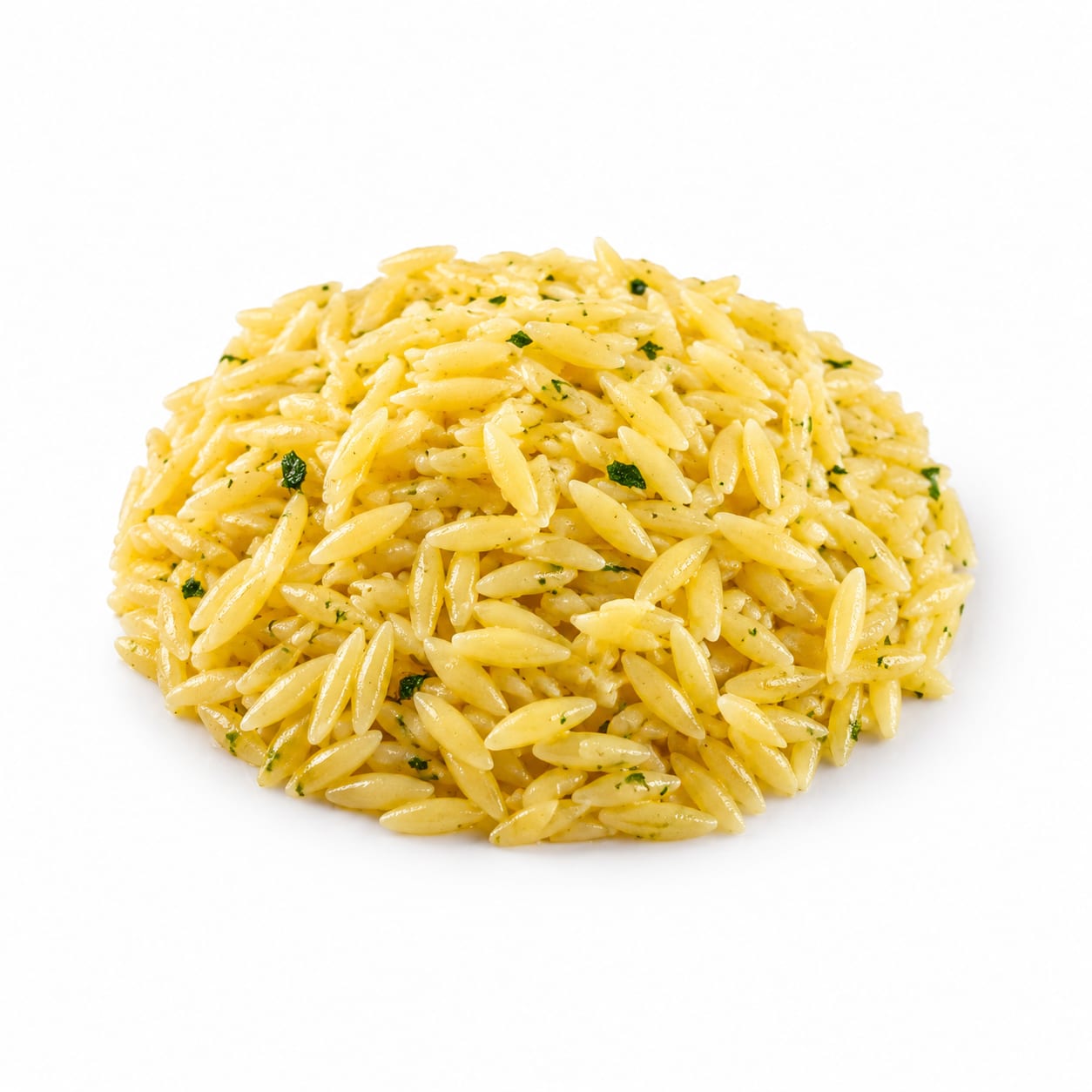
Orzo
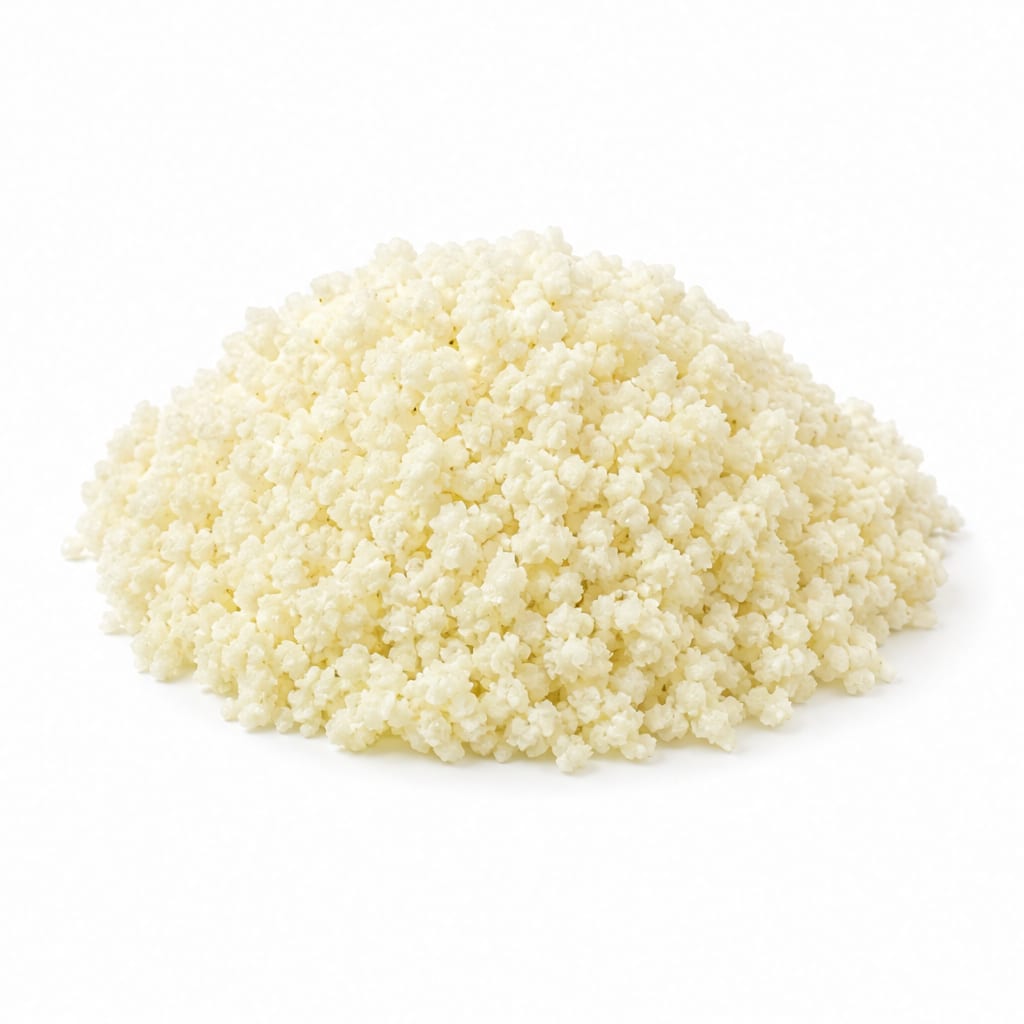
Cauliflower Rice
Cauliflower rice wins for health and weight goals; orzo wins for satisfaction and culinary experience. Choose based on what matters more at your table.
Cauliflower rice scores significantly higher due to its low calorie density, minimal blood sugar impact, and strong micronutrient profile. Orzo scores lower because refined wheat pasta offers limited nutritional value beyond carbohydrates. However, orzo retains real advantages in satiety, culinary versatility, and energy provision that the score gap may underrepresent.
You trade comfort and satiety for dramatically fewer calories and carbs. Orzo fills you up but costs you metabolically; cauliflower rice lightens the load but may leave you hungry sooner.
At a glance
Executive summary
Overall
It depends
Healthier
Cauliflower Rice
More practical
Orzo
Daily use
Cauliflower Rice
Key comparison lenses
low-carb diet compatibility
Cauliflower rice is a staple low-carb swap; orzo is carb-dense pasta. This is the primary reason most people compare them.
weight management and calorie reduction
Cauliflower rice delivers roughly 80% fewer calories per serving, making it a go-to for calorie-conscious eaters.
blood sugar control
Orzo causes significant blood sugar spikes; cauliflower rice has minimal glycemic impact.
meal satisfaction and comfort
Orzo provides the comforting, filling experience of pasta that cauliflower rice cannot fully replicate.
nutrient density
Cauliflower rice offers vitamins and antioxidants; orzo is primarily refined carbohydrate with limited micronutrients.
Best choice for
Orzo
- Athletes needing carb fuel before or after intense training
- People struggling to eat enough calories or maintain weight
- Anyone seeking comfort food satisfaction from meals
- Traditional recipe authenticity where texture matters
Cauliflower Rice
- Anyone tracking calories or trying to lose weight
- Keto, low-carb, or diabetic eaters managing blood sugar
- People increasing vegetable intake and micronutrient diversity
- Gluten-free eaters avoiding wheat products
Least suitable for
Orzo
- People with diabetes or insulin resistance
- Keto or very low-carb dieters
- Anyone strictly managing calorie intake
- Those with gluten sensitivity or celiac disease
Cauliflower Rice
- Athletes needing quick glycogen replenishment
- Underweight individuals needing calorie density
- Anyone who finds low-calorie meals unsatisfying and ends up overeating later
- Traditional Italian or Mediterranean recipe purists
Deep comparison
Dimension by dimension
Each lens scores both foods and breaks down who each option suits.
- Dimension 1 · Priority 95Cauliflower Rice
Calorie Density and Weight Management
Orzo · 25Cauliflower Rice · 92Cauliflower rice delivers roughly 25 calories per cup versus orzo's 200. That 8x difference makes cauliflower rice one of the most effective weight management swaps available.
Tradeoff
The low calorie count means you may feel less full. Adding healthy fats or protein to cauliflower rice helps but narrows the calorie gap.
Why it matters
If you eat orzo regularly, those calories add up fast. Swapping even a few servings weekly can create a meaningful deficit without changing portion size.
Real-world impact
A dinner with cauliflower rice instead of orzo saves roughly 175 calories. Over a week of daily swaps, that is over 1,200 calories saved without eating less food by volume.
Orzo
- Maintaining weight when appetite is low
- Endurance athletes fueling long training sessions
Better for
- Anyone in a calorie deficit who finds portions too small
- Late dinners where excess calories are least useful
Worse for
Cauliflower Rice
- Cutting calories without shrinking plate size
- Reducing waistline without feeling deprived of volume
Better for
- Recovery meals after intense exercise when calories are needed
- People who compensate later by snacking because the meal felt too light
Worse for
- Dimension 2 · Priority 90Cauliflower Rice
Blood Sugar Stability
Orzo · 20Cauliflower Rice · 95Orzo is refined wheat pasta with a high glycemic load that spikes blood sugar quickly. Cauliflower rice has negligible carbohydrate content and almost no glycemic impact.
Tradeoff
The blood sugar spike from orzo provides quick energy but is followed by a crash that triggers hunger and fatigue within hours.
Why it matters
Stable blood sugar means steadier energy, fewer cravings, and better long-term metabolic health. This is especially critical for prediabetics and anyone with insulin resistance.
Real-world impact
An orzo lunch can leave you reaching for a snack by 3 PM. A cauliflower rice lunch keeps energy more stable through the afternoon.
Orzo
- Pre-workout fuel when fast energy is the goal
- Preventing hypoglycemia during prolonged endurance activity
Better for
- Prediabetics accelerating insulin resistance
- Sedentary evenings when glucose has nowhere to go
Worse for
Cauliflower Rice
- Diabetics managing post-meal glucose
- Anyone trying to break the cycle of energy crashes and cravings
Better for
- Athletes who need carbohydrates to perform at high intensity
Worse for
- Dimension 3 · Priority 80Cauliflower Rice
Nutrient Density
Orzo · 22Cauliflower Rice · 82Cauliflower rice provides vitamin C, vitamin K, folate, and cancer-fighting glucosinolates. Orzo, unless whole wheat, is mostly refined starch with added iron and B vitamins that are poorly absorbed.
Tradeoff
Fortified nutrients in orzo do not compare to the naturally occurring phytonutrients in cauliflower. However, orzo does provide meaningful folate from enrichment.
Why it matters
Nutrient-dense foods reduce the need for supplements and support long-term disease prevention beyond just macronutrients.
Real-world impact
Eating cauliflower rice regularly contributes to your daily vegetable targets and antioxidant intake in a way orzo simply cannot match.
Orzo
- Pregnant women who benefit from enriched folate in refined grains
Better for
- Replacing vegetable servings with empty starch
Worse for
Cauliflower Rice
- Anyone falling short on daily vegetable servings
- Long-term disease prevention through antioxidant intake
Better for
- Situations where vitamin K interference with blood thinners is a concern
Worse for
- Dimension 4 · Priority 75Orzo
Satiety and Meal Satisfaction
Orzo · 78Cauliflower Rice · 45Orzo provides genuine fullness from dense carbohydrates and a satisfying chewy texture. Cauliflower rice is voluminous but watery, and many people find meals built on it less satisfying.
Tradeoff
A satisfying orzo meal may prevent later snacking, while an unsatisfying cauliflower rice meal may lead to compensatory eating that erases the calorie savings.
Why it matters
The best healthy food is one you can stick with. If cauliflower rice leaves you hungry and grazing, the swap backfires.
Real-world impact
You might save 175 calories at dinner with cauliflower rice but eat 300 calories of snacks an hour later because the meal did not hit the spot.
Orzo
- People who find low-calorie meals trigger later bingeing
- Family meals where everyone needs to feel satisfied
Better for
- Overeating risk when portions are not measured
Worse for
Cauliflower Rice
- Those who pair it with protein and fat for a complete, filling meal
- Light lunch eaters who prefer not feeling heavy midday
Better for
- Emotional eaters who feel deprived without comfort food textures
Worse for
- Dimension 5 · Priority 70Orzo
Culinary Versatility and Enjoyment
Orzo · 85Cauliflower Rice · 55Orzo works beautifully in soups, salads, pilafs, and baked dishes with a satisfying texture that absorbs sauces well. Cauliflower rice works as a base but can become mushy and watery.
Tradeoff
Cauliflower rice requires careful cooking to avoid sogginess. Orzo is more forgiving and delivers consistent texture across recipes.
Why it matters
Food that is enjoyable to cook and eat is food you will actually prepare. A healthy swap you dread using is not sustainable.
Real-world impact
Orzo salads are crowd-pleasers at gatherings. Cauliflower rice dishes often require extra seasoning and technique to taste like something you would choose voluntarily.
Orzo
- Cooking for guests where impression matters
- Recipes where pasta texture is central to the dish
Better for
- Health-focused meal plans where every calorie counts
Worse for
Cauliflower Rice
- Stir-fries and bowls where a light base is preferred
- Meal prep where simplicity and speed matter more than refinement
Better for
- Delicate recipes where excess moisture ruins the dish
Worse for
- Dimension 6 · Priority 85Cauliflower Rice
Dietary Compatibility
Orzo · 30Cauliflower Rice · 95Cauliflower rice fits keto, paleo, Whole30, gluten-free, and diabetic diets effortlessly. Orzo excludes most of these populations entirely unless gluten-free versions are used.
Tradeoff
Gluten-free orzo exists but is often more expensive and sometimes higher in glycemic impact than wheat orzo. Cauliflower rice is naturally compatible with virtually every dietary framework.
Why it matters
If you have dietary restrictions, cauliflower rice removes friction. No label reading, no substitutions, no compromises.
Real-world impact
A household with mixed dietary needs can serve cauliflower rice as a universal base without making separate dishes.
Orzo
- Standard Mediterranean diet followers who include wheat
- Those with no dietary restrictions who prioritize taste
Better for
- Anyone with wheat allergy, celiac, or gluten sensitivity
- Low-carb dieters who cannot afford the carb load
Worse for
Cauliflower Rice
- Keto and low-carb eaters
- Gluten-free and celiac individuals
- Diabetics managing carbohydrate budgets
Better for
- Very few; it is broadly compatible with most dietary approaches
Worse for
Timeline
Health impact over time
Short-term
Hours to days
Orzo
- Quick energy from easily digested carbohydrates
- Post-meal blood sugar spike followed by energy dip within 2-3 hours
- Comforting fullness that reduces immediate snacking urge
Cauliflower Rice
- Stable energy with no blood sugar roller coaster
- Possible initial adjustment period if unused to high-fiber meals
- Lighter feeling after eating that some find refreshing and others find unsatisfying
Long-term
Months to years
Orzo
- Regular consumption of refined grains associated with increased type 2 diabetes risk
- Potential for gradual weight gain if portions are not managed
- Missing out on vegetable-derived antioxidants and phytonutrients
Cauliflower Rice
- Improved blood sugar regulation and insulin sensitivity over time
- Higher vegetable intake linked to lower cancer and cardiovascular disease risk
- Possible goitrogenic effects if consumed in extreme excess raw, though cooking largely resolves this
Risk profile
Safety & processing
Orzo is a processed wheat product with minimal additives but significant refinement that strips away the bran and germ. Cauliflower rice is simply grated cauliflower, making it one of the least processed food swaps available. Pre-packaged cauliflower rice may contain preservatives, so fresh is preferable.
Orzo
Gluten contamination for celiac individuals
highStandard orzo contains wheat gluten, which is dangerous for those with celiac disease or severe gluten intolerance.
Mycotoxin exposure from wheat storage
lowWheat products can occasionally contain trace mycotoxins from storage conditions, though regulatory limits keep this minimal.
Cauliflower Rice
Pesticide residue on conventional cauliflower
mediumCauliflower is not on the highest-pesticide list but retains some surface residue. Washing thoroughly or choosing organic reduces exposure.
Bacterial contamination in pre-cut packages
mediumPre-packaged cauliflower rice has more surface area exposed to potential contamination. Use by the date and cook thoroughly.
Who wins for whom
Audience fit
Same foods, different winners depending on your goal.
children
It dependsOrzo is more likely to be eaten by picky eaters and provides energy for active kids. Cauliflower rice introduces vegetables but may be rejected. Mix both for a compromise.
daily consumption
Cauliflower RiceCauliflower rice can be eaten daily without metabolic concerns. Daily orzo consumption adds significant refined carbohydrate load that most people do not need.
diabetes
Cauliflower RiceCauliflower rice has negligible carbohydrate content and virtually no glycemic impact, making it safe and beneficial for blood sugar management.
elderly
Cauliflower RiceOlder adults benefit from lower calorie density, higher nutrient content, and blood sugar stability. Cauliflower rice also provides fiber important for digestive health.
muscle gain
OrzoOrzo provides the carbohydrate fuel needed for intense training and glycogen replenishment that supports muscle recovery and growth.
weight loss
Cauliflower RiceCauliflower rice saves roughly 175 calories per cup with comparable volume, making it one of the easiest and most effective swaps for sustainable weight loss.
Your move
Decision guide
Choose Orzo
- You are an active athlete or exerciser who needs carbohydrate fuel
- You are trying to gain weight or maintain weight during illness
- Comfort and meal satisfaction are your top priorities right now
- You are cooking for a crowd and need a reliable crowd-pleaser
Choose Cauliflower Rice
- You are managing diabetes, prediabetes, or insulin resistance
- You are on a keto, low-carb, or calorie-controlled diet
- You want to increase your daily vegetable intake effortlessly
- You eat gluten-free and need a pasta alternative that actually works
Either works if
- You are healthy, active, and eat a balanced diet overall
- You want to rotate between both for variety and balance
Avoid both if
- You have a cruciferous vegetable allergy or severe thyroid condition with goitrogen sensitivity
- You have celiac disease and only have conventional wheat orzo available
Final recommendation
Make cauliflower rice your default base for health reasons, but keep orzo for meals where satisfaction and energy matter most. A 50/50 blend is an excellent compromise that cuts calories and carbs in half while preserving enough texture and satisfaction to feel like a real meal. Neither food needs to be eliminated. The smartest approach is using cauliflower rice on low-activity days and orzo on high-activity days.
Practical
Consumer tips
- 1
Squeeze cooked cauliflower rice in a towel to remove excess moisture before serving. This prevents mushiness and improves texture dramatically.
- 2
Try mixing half orzo and half cauliflower rice. You get the comfort of pasta with the nutritional boost of vegetables, and most people barely notice the difference.
- 3
Roast cauliflower rice instead of steaming it. Roasting caramelizes the edges and adds flavor that steaming cannot match.
- 4
If buying pre-packaged cauliflower rice, check the date and avoid bags with excess water condensation inside, which signals age and potential spoilage.
- 5
Whole wheat orzo is a meaningful upgrade over regular orzo if you want more fiber and a lower glycemic impact while keeping the pasta experience.
- 6
Season cauliflower rice boldly. It absorbs flavors well but tastes bland without help. Garlic, lemon, parmesan, and herbs transform it.