
Nutrition comparison
Oats vs White Rice: Which Grain Is Better for Energy, Weight Loss, and Health?
Compare oats and white rice on blood sugar, satiety, nutrition, and athletic performance. Find out which grain fits your goals and when each one is the smarter choice.
Overall winner · Oats
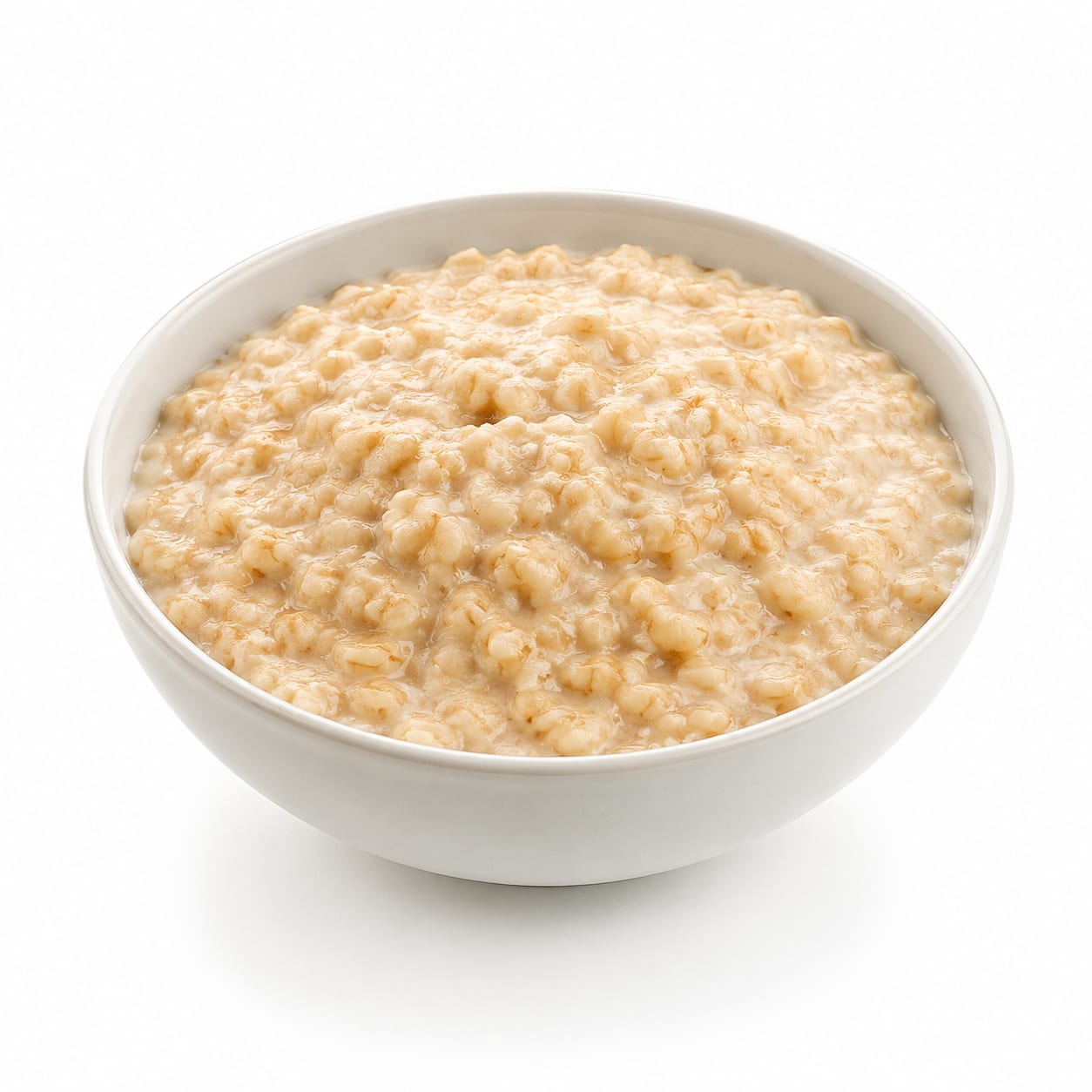
Oats
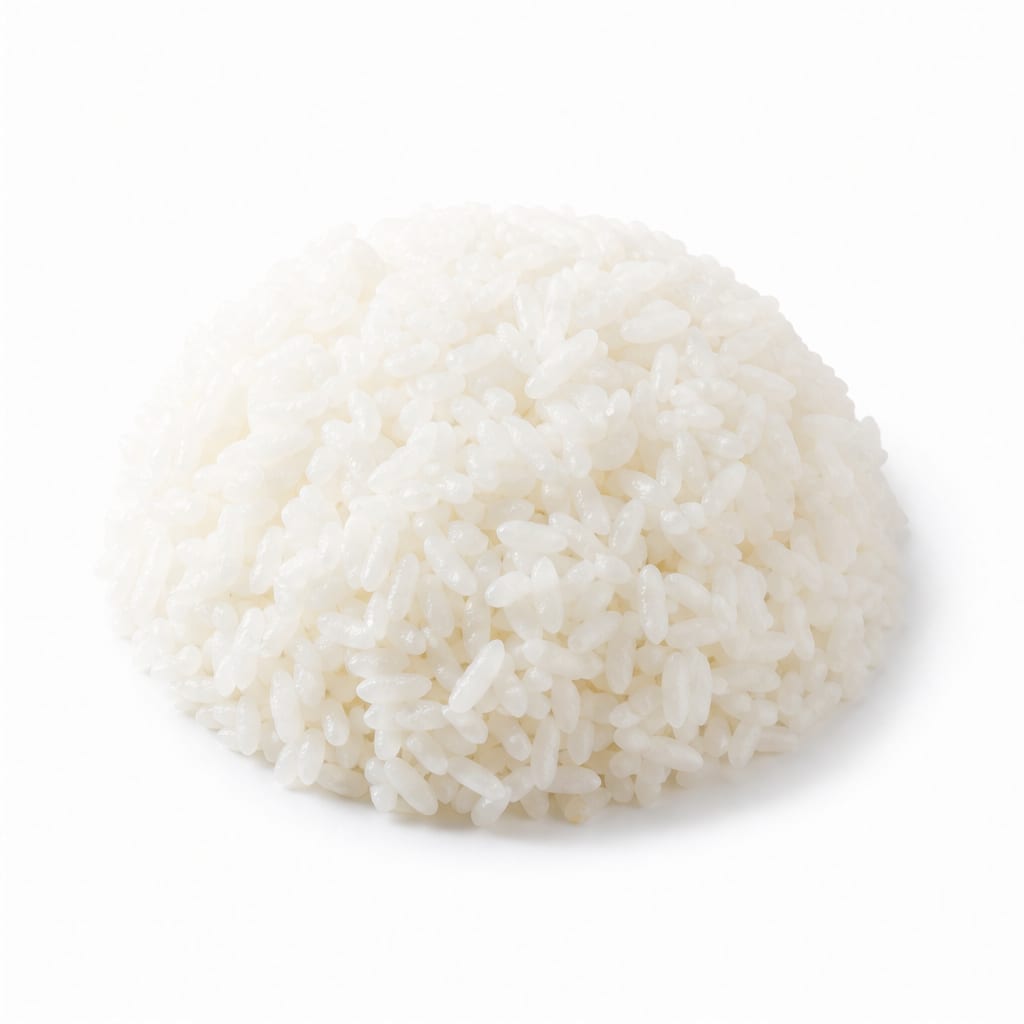
White Rice
Oats win for most people most of the time thanks to superior fiber, steadier energy, and better long-term health outcomes. White rice earns its place when you need quick-digesting carbs or a gentle, low-fiber meal.
Oats score significantly higher due to fiber content, blood sugar stability, and long-term health benefits. White rice is not unhealthy in isolation but is nutritionally weaker as a daily staple. The gap narrows for athletes and those with specific digestive needs.
Oats trade convenience and rapid energy for lasting fullness and metabolic benefits. White rice trades nutrition and satiety for speed, digestibility, and culinary versatility.
At a glance
Executive summary
Overall
Oats
Healthier
Oats
More practical
White Rice
Daily use
Oats
Key comparison lenses
blood sugar control and sustained energy
The fiber gap between these two grains creates dramatically different blood sugar responses, which affects energy, cravings, and long-term metabolic health
weight management and satiety
Oats keep you full far longer than white rice, making portion control and overeating risk a central decision factor
daily staple selection for long-term health
Both are everyday carb sources for billions of people, so the cumulative health impact of choosing one over the other is massive
athletic and post-workout carbohydrate needs
White rice has a legitimate performance niche where its rapid digestion is actually desirable
digestive tolerance and gut comfort
Some people struggle with oat fiber while others need it; white rice is a known comfort food for sensitive stomachs
Best choice for
Oats
- People managing blood sugar or prediabetes
- Anyone trying to lose weight or reduce snacking
- Those wanting heart-health benefits from beta-glucan
- Breakfast eaters who need energy that lasts until lunch
- People with high cholesterol
White Rice
- Athletes refueling after intense training
- People with digestive flare-ups needing low-fiber meals
- Anyone recovering from illness with a sensitive stomach
- Those eating Asian or Latin cuisines where rice is central
- Endurance athletes carb-loading before events
Least suitable for
Oats
- People with oat sensitivity or gluten-like reactions
- Those who need rapidly digesting carbs post-workout
- Anyone on a low-fiber diet during digestive recovery
- People who find oat texture unappealing and would skip meals
White Rice
- People with diabetes or insulin resistance
- Anyone prone to afternoon energy crashes
- Those trying to reduce overall calorie intake
- People who struggle with portion control
Deep comparison
Dimension by dimension
Each lens scores both foods and breaks down who each option suits.
- Dimension 1 · Priority 95Oats
Blood Sugar Stability
Oats · 88White Rice · 28Oats release glucose slowly and steadily. White rice causes a rapid spike followed by a crash.
Tradeoff
The slow burn of oats means steadier energy but less immediate fuel. White rice gives quick energy but leaves you hungry again soon.
Why it matters
Blood sugar roller coasters drive cravings, fatigue, and over time, insulin resistance. This is the single biggest difference between these two grains.
Real-world impact
A bowl of oats at 8am can keep you satisfied until noon. White rice at noon may have you reaching for a snack by 2pm.
Oats
- Steady energy through the morning
- Reduced sugar cravings between meals
- Better HbA1c over months and years
Better for
- Not ideal when you need immediate energy mid-workout
Worse for
White Rice
- Quick fuel within 30 minutes of eating
- Fast glycogen replenishment for muscles
Better for
- Energy crash 1-2 hours after eating
- Increased hunger soon after meals
- Spikes insulin sharply
Worse for
- Dimension 2 · Priority 90Oats
Satiety and Fullness
Oats · 85White Rice · 35Oats are among the most filling grains available. White rice is one of the least.
Tradeoff
Feeling full helps with weight management but can feel heavy before exercise. White rice is lighter in the stomach, which can be an advantage for athletes.
Why it matters
Satiety is the single best predictor of whether you will overeat later in the day. Low-satiety foods make portion control harder.
Real-world impact
You can easily eat two cups of white rice and still feel hungry. One cup of oats feels like a substantial meal.
Oats
- Reduced snacking between meals
- Natural portion control
- Less willpower needed to stop eating
Better for
- Can feel too heavy right before intense exercise
Worse for
White Rice
- Light stomach before training
- Easy to eat large amounts if you need calories
Better for
- Easy to overeat without feeling full
- Leaves you hungry again quickly
Worse for
- Dimension 3 · Priority 85Oats
Nutrient Density
Oats · 78White Rice · 25Oats deliver fiber, magnesium, iron, zinc, and B vitamins. White rice has most nutrients stripped during milling.
Tradeoff
Oats require your body to work harder to access nutrients due to fiber. White rice offers less nutrition but absorbs easily.
Why it matters
When a grain is your daily carb source, its micronutrient content adds up significantly over years.
Real-world impact
A daily bowl of oats contributes meaningfully to your magnesium and iron intake. Daily white rice contributes mostly just calories.
Oats
- Meaningful magnesium and iron per serving
- Beta-glucan fiber with proven heart benefits
- B vitamins for energy metabolism
Better for
- Phytic acid can reduce mineral absorption slightly
Worse for
White Rice
- Enriched varieties add back some folate and iron
- Easy to absorb what little nutrition exists
Better for
- Milling removes most vitamins and minerals
- Essentially empty calories without enrichment
Worse for
- Dimension 4 · Priority 70White Rice
Digestive Tolerance
Oats · 55White Rice · 82White rice is one of the most gentle foods for upset stomachs. Oats can bother some people with sensitive digestion.
Tradeoff
The fiber that makes oats healthy can also cause bloating or discomfort in sensitive individuals. White rice is low-fiber comfort food.
Why it matters
If a food causes digestive distress, you will not eat it consistently regardless of its health benefits.
Real-world impact
When recovering from a stomach bug, white rice is a go-to safe food. Oats might prolong discomfort.
Oats
- Feeds beneficial gut bacteria long-term
- Promotes regular bowel movements
Better for
- Can cause bloating if you increase intake too fast
- May irritate IBS in some people
Worse for
White Rice
- Soothing during digestive illness
- Low risk of bloating or gas
- Safe for low-residue diets
Better for
- Contributes to constipation with regular use
- Does not support healthy gut bacteria
Worse for
- Dimension 5 · Priority 75White Rice
Athletic Performance and Carb Loading
Oats · 50White Rice · 80White rice delivers fast carbs when muscles need them most. Oats are too slow for optimal recovery windows.
Tradeoff
Speed of digestion matters enormously after intense training. The same trait that makes white rice worse for sedentary people makes it better for athletes.
Why it matters
Post-workout glycogen replenishment is time-sensitive. Slow carbs miss the window.
Real-world impact
After a hard gym session, white rice gets glucose to your muscles within 30 minutes. Oats take much longer to digest and absorb.
Oats
- Sustained energy for endurance events lasting hours
Better for
- Too slow for optimal post-workout recovery
- Heavy feeling if eaten before intense exercise
Worse for
White Rice
- Rapid glycogen replenishment post-workout
- Easy to eat large quantities for carb loading
- Light in the stomach before competition
Better for
- Not ideal for low-activity days
Worse for
- Dimension 6 · Priority 80Oats
Heart Health
Oats · 90White Rice · 30Oats contain beta-glucan, a fiber with strong evidence for lowering LDL cholesterol. White rice offers no cardiovascular benefit.
Tradeoff
Heart health benefits accumulate over years. White rice is not harmful to the heart directly but represents a missed opportunity.
Why it matters
Heart disease develops over decades. Daily food choices compound either positively or neutrally.
Real-world impact
Eating oats daily can lower LDL cholesterol by 5-10 percent. White rice simply does not help.
Oats
- FDA-recognized heart health claim for beta-glucan
- Reduces LDL cholesterol with daily consumption
- Anti-inflammatory properties
Better for
- Benefits require consistent daily intake
Worse for
White Rice
- Low in sodium and fat
- No direct cardiovascular harm
Better for
- No active heart-protective compounds
- Rapid blood sugar spikes can indirectly harm cardiovascular health
Worse for
- Dimension 7 · Priority 65White Rice
Convenience and Culinary Versatility
Oats · 55White Rice · 78White rice pairs with nearly every savory cuisine and cooks with zero thought. Oats are more limited in culinary role.
Tradeoff
Versatility matters because people eat what is easy and familiar. Oats are mostly a breakfast or baking ingredient. White rice is a global staple for a reason.
Why it matters
The healthiest food only works if you actually eat it in real life, not just in theory.
Real-world impact
White rice fits into stir-fries, curries, bowls, and sides effortlessly. Oats are mostly confined to breakfast and baked goods.
Oats
- Overnight oats are quick to prep
- Easy to batch cook as porridge
Better for
- Limited to mostly sweet breakfast preparations
- Less culturally familiar as a savory dish in Western diets
Worse for
White Rice
- Pairs with virtually any savory dish
- Cooks easily in rice cookers with no attention
- Staple across Asian, Latin, and African cuisines
Better for
- Requires salt or sauces to taste good on its own
Worse for
Timeline
Health impact over time
Short-term
Hours to days
Oats
- Steady energy for 3-4 hours after eating
- Feeling comfortably full and satisfied
- Possible mild bloating if you are not used to the fiber
White Rice
- Quick energy surge within 30-60 minutes
- Hunger returning within 1-2 hours
- Light feeling in the stomach, easy to overeat
Long-term
Months to years
Oats
- Lower LDL cholesterol with consistent daily intake
- Better blood sugar control and reduced diabetes risk
- Improved gut microbiome diversity from regular fiber
- Easier weight maintenance due to natural appetite regulation
White Rice
- Potential increased diabetes risk with high regular consumption
- Minimal contribution to micronutrient needs over time
- Possible weight gain if portions are not managed carefully
- Neutral gut health impact with no fiber benefit
Risk profile
Safety & processing
Rolled or steel-cut oats are simply whole grains flattened or chopped with minimal processing. White rice is milled to remove the bran and germ, stripping most nutrients. Both are free from artificial additives in their basic forms, but white rice has undergone significantly more industrial processing.
Oats
Gluten cross-contamination
mediumOats are naturally gluten-free but frequently processed in facilities that handle wheat. Certified gluten-free oats are necessary for those with celiac disease.
Pesticide residue
lowOats have been flagged for glyphosate residues in some testing. Choosing organic reduces this concern significantly.
White Rice
Arsenic contamination
mediumWhite rice, especially from certain regions, can contain inorganic arsenic. Rinsing rice and varying grain choices reduces exposure.
Enrichment additives
lowEnriched white rice has synthetic vitamins added back after milling. These are generally safe but represent further processing.
Who wins for whom
Audience fit
Same foods, different winners depending on your goal.
children
It dependsOats offer better nutrition for growth, but white rice is easier for picky eaters and gentler on small stomachs. Mix both across the week.
daily consumption
OatsDaily oats provide cumulative benefits for heart health, blood sugar, and gut health. White rice as a daily staple works but misses these advantages.
diabetes
OatsThe fiber in oats slows glucose absorption dramatically, resulting in much gentler blood sugar responses compared to white rice.
elderly
It dependsOats support heart health and regularity, which matter greatly with age. White rice is easier to chew and digest for those with dental or digestive issues.
muscle gain
White RiceWhite rice delivers fast carbs post-workout and lets you eat large amounts easily, which helps when you need a caloric surplus.
weight loss
OatsOats keep you full far longer per calorie, making it easier to eat less overall without feeling deprived.
Your move
Decision guide
Choose Oats
- You want steady energy without afternoon crashes
- You are managing weight, blood sugar, or cholesterol
- You eat most of your carbs at breakfast
- You want one grain that does the most for your health
- You struggle with snacking between meals
Choose White Rice
- You are an athlete needing fast post-workout carbs
- You have an upset stomach or digestive flare-up
- You eat cuisines where rice is central and irreplaceable
- You need easy calories during a bulking phase
- You are recovering from illness and need gentle food
Either works if
- You rotate grains throughout the week for variety
- You eat moderate portions and have good blood sugar
- You pair carbs with protein and healthy fats anyway
Avoid both if
- You are on a strict ketogenic or very low-carb diet
- You have a grain allergy or specific intolerance to both
Final recommendation
Make oats your default daily grain for breakfast or meal prep. Keep white rice as a strategic tool for post-workout meals, sick days, and cultural dishes. The best approach for most people is oats most days and white rice when the situation calls for it.
Practical
Consumer tips
- 1
Soak oats overnight to reduce cooking time and improve digestibility
- 2
Rinse white rice before cooking to lower arsenic levels
- 3
Pair white rice with protein, fiber, and healthy fats to blunt the blood sugar spike
- 4
If white rice is your daily staple, switch to at least a few oat meals per week for the fiber benefit
- 5
Choose steel-cut or rolled oats over instant oatmeal packets, which contain added sugar
- 6
Add cinnamon and nuts to oats for flavor without sugar, and to further slow glucose absorption