
Nutrition comparison
Oats vs Wheat Bran: Which is Better for Fiber & Digestion?
Compare Oats and Wheat Bran to find out which is better for digestion, blood sugar, and weight loss. Learn the key differences in fiber types and nutrients.
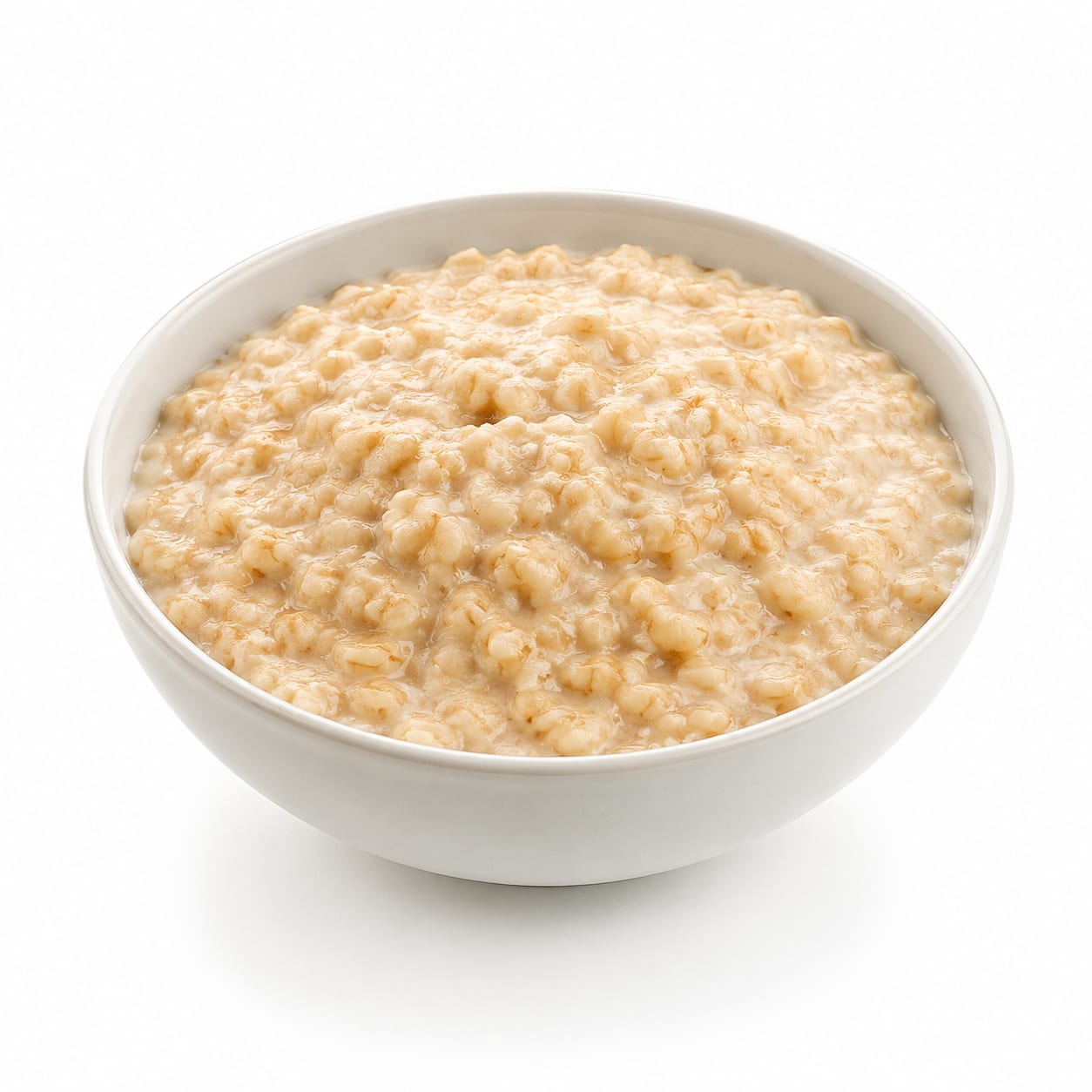
Oats
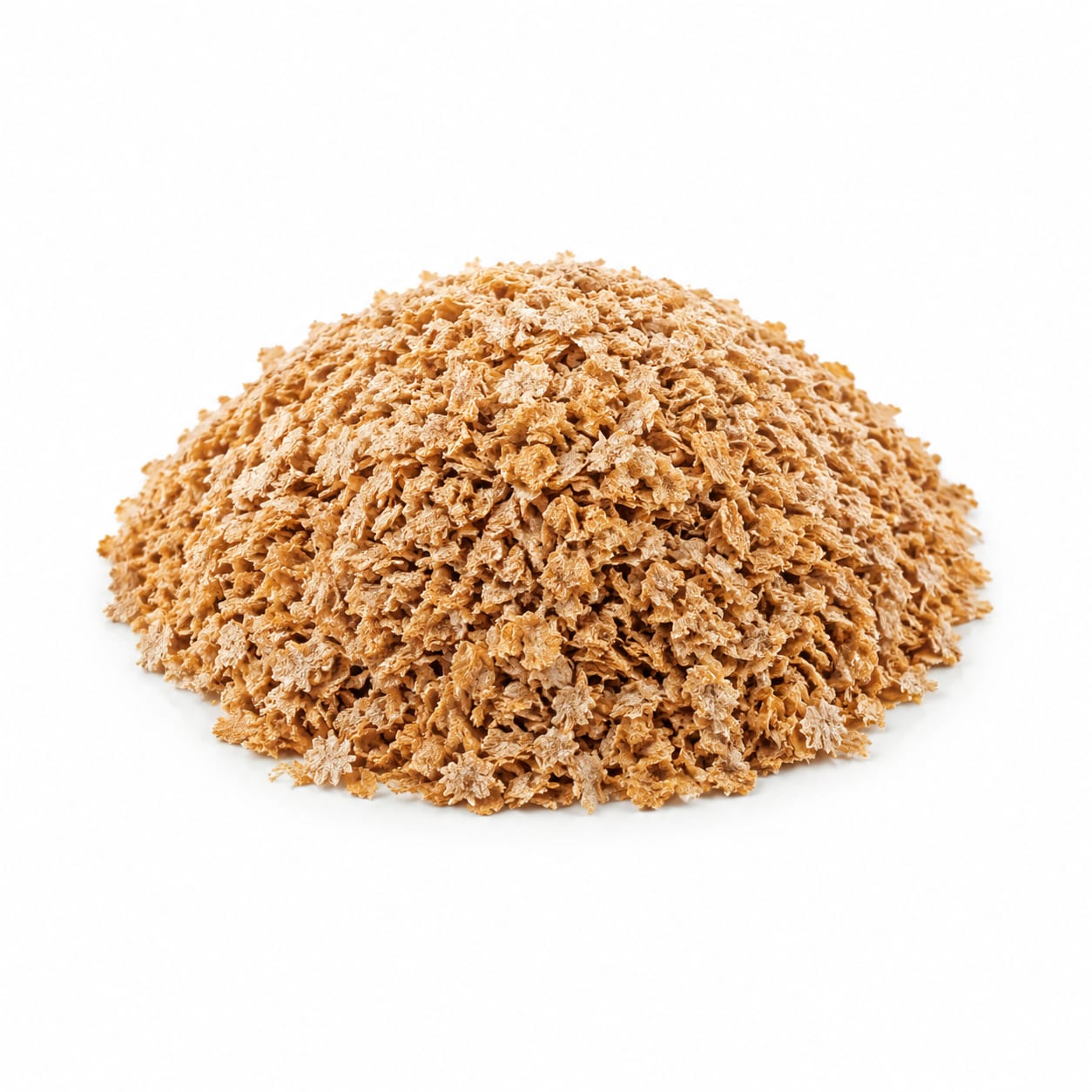
Wheat Bran
Oats are a balanced, filling food perfect for steady energy, while Wheat Bran is a concentrated fiber supplement for digestive regularity.
Oats score higher overall because they function as a complete, versatile food with balanced macros. Wheat Bran is excellent for its specific purpose but lacks the well-rounded nutritional profile to stand alone as a meal.
Eating a complete, satisfying whole grain versus adding a targeted fiber boost to foods you already eat.
At a glance
Executive summary
Overall
It depends
Healthier
It depends
More practical
Oats
Daily use
Oats
Key comparison lenses
Fiber type and digestive impact
Oats provide soluble fiber (beta-glucan) while Wheat Bran provides insoluble fiber, leading to very different digestive outcomes.
Blood sugar management
Beta-glucan in Oats slows glucose absorption, making it a key differentiator against Wheat Bran.
Satiety and meal replacement capability
Oats form a complete, filling meal, whereas Wheat Bran is typically a supplemental ingredient.
Heart health benefits
Soluble fiber in Oats is specifically linked to lowering cholesterol, a benefit Wheat Bran does not share as strongly.
Best choice for
Oats
- People wanting a filling, comforting breakfast
- Those focusing on lowering cholesterol and heart health
- Anyone needing steady, crash-free energy
Wheat Bran
- People struggling with severe constipation
- Those needing to drastically increase fiber without adding many calories
- Low-carb dieters wanting a fiber boost
Least suitable for
Oats
- People strictly limiting carbohydrates
- Those with severe oat intolerance or celiac (due to cross-contamination)
Wheat Bran
- People with sensitive stomachs unaccustomed to high fiber
- Those with celiac disease or gluten intolerance
- Anyone looking for a standalone meal
Deep comparison
Dimension by dimension
Each lens scores both foods and breaks down who each option suits.
- Dimension 1 · Priority 95Wheat Bran
Digestive Regularity & Fiber Type
Oats · 80Wheat Bran · 98Wheat Bran is the undisputed king of insoluble fiber, speeding up intestinal transit. Oats offer soluble fiber, which adds bulk but works more gently.
Tradeoff
Wheat Bran gets things moving fast but can cause bloating if overconsumed. Oats are gentler and feed beneficial gut bacteria but are less effective for acute constipation.
Why it matters
Choosing the right fiber type determines whether you are soothing your gut or pushing it to move faster.
Real-world impact
If you are constipated, a couple tablespoons of Wheat Bran will show results quickly. Oats will keep you regular over time without the urgency.
Oats
- Feeding beneficial gut bacteria
- Gentle, everyday digestion support
Better for
- Quick relief from severe constipation
Worse for
Wheat Bran
- Relieving acute constipation
- Maximizing daily insoluble fiber intake
Better for
- Comfort if you have a sensitive, easily bloated stomach
Worse for
- Dimension 2 · Priority 88Oats
Blood Sugar Stability
Oats · 90Wheat Bran · 75Oats contain beta-glucan, a soluble fiber that forms a gel and slows down sugar absorption. Wheat Bran has less impact on glucose regulation.
Tradeoff
Oats actively help flatten blood sugar spikes, but they do contain more digestible carbohydrates. Wheat Bran has almost no available carbs but lacks the gel-forming benefits of beta-glucan.
Why it matters
Steady blood sugar means no afternoon energy crashes and better cravings control.
Real-world impact
A bowl of Oats for breakfast keeps you energized until lunch. Wheat Bran sprinkled on food helps fiber intake but won't prevent a carb crash on its own.
Oats
- Preventing energy crashes after meals
- Improving insulin sensitivity
Better for
- Strict ketogenic diets
Worse for
Wheat Bran
- Adding fiber to very low-carb meals
Better for
- Actively blunting a high-carb meal's glucose spike
Worse for
- Dimension 3 · Priority 85Oats
Satiety & Fullness
Oats · 92Wheat Bran · 70Oats absorb liquid and expand in your stomach, providing lasting physical fullness. Wheat Bran is light and voluminous but not deeply satisfying on its own.
Tradeoff
Oats deliver a comforting, heavy fullness that kills cravings. Wheat Bran takes up space but lacks the protein and fat needed to signal true satisfaction to your brain.
Why it matters
Foods that keep you full make healthy eating effortless and prevent snacking.
Real-world impact
After eating Oats, you likely will not think about food for hours. After Wheat Bran, you might feel physically stuffed but still crave real food.
Oats
- Replacing a full meal
- Stopping late-night cravings
Better for
- Light snacking right before a workout
Worse for
Wheat Bran
- Adding bulk to smoothies without making them heavy
Better for
- Serving as a standalone breakfast
Worse for
- Dimension 4 · Priority 80Oats
Heart Health
Oats · 95Wheat Bran · 70The beta-glucan in Oats is clinically proven to lower LDL cholesterol. Wheat Bran primarily benefits the colon but does not strongly impact cholesterol levels.
Tradeoff
Oats actively remove cholesterol from your body, while Wheat Bran mainly keeps your digestive tract clean.
Why it matters
Heart disease is a leading health risk, and dietary choices that lower cholesterol are powerful preventive tools.
Real-world impact
Eating Oats daily is a tangible step toward better heart health. Wheat Bran is great for your gut but will not move the needle on your cholesterol panel.
Oats
- Lowering bad cholesterol
- Supporting overall cardiovascular health
Better for
- None for heart health
Worse for
Wheat Bran
- Reducing pressure in the colon
Better for
- Providing cholesterol-lowering benefits
Worse for
Timeline
Health impact over time
Short-term
Hours to days
Oats
- Steady, sustained energy for hours
- Comforting and warming feeling in the stomach
- Gentle promotion of bowel regularity
Wheat Bran
- Rapid intestinal transit if constipated
- Potential gas or bloating if consumed in large amounts suddenly
- Very low calorie intake
Long-term
Months to years
Oats
- Reduced LDL cholesterol and improved heart health
- Better blood sugar management over time
- Healthy gut microbiome from soluble fiber fermentation
Wheat Bran
- Highly reduced risk of constipation and hemorrhoids
- Lower risk of diverticulitis
- Potential mineral depletion if phytic acid is not managed
Risk profile
Safety & processing
Both Oats and Wheat Bran are whole-grain derivatives that are naturally minimally processed. Steel-cut or rolled Oats and raw Wheat Bran are as close to nature as grain products get.
Oats
Gluten cross-contamination
mediumOats are inherently gluten-free but are frequently processed on equipment that handles wheat, making them risky for those with celiac disease.
Phytic acid
lowCan bind to minerals like iron and zinc, slightly reducing absorption. Soaking Oats mitigates this.
Wheat Bran
Gluten content
highWheat Bran contains gluten and is strictly off-limits for anyone with celiac disease or gluten sensitivity.
Phytic acid
mediumWheat Bran is high in phytic acid, which can interfere with the absorption of essential minerals if consumed in very large amounts.
Who wins for whom
Audience fit
Same foods, different winners depending on your goal.
children
OatsOats are creamy, mild, and easy to sweeten naturally, making them highly kid-friendly. Wheat Bran is too harsh and fibrous for most children's palates.
daily consumption
OatsOats are a balanced staple that can be eaten daily as a meal. Wheat Bran is best used as a daily supplement rather than a primary food.
diabetes
OatsThe beta-glucan in Oats actively slows sugar absorption and improves insulin response, offering specific benefits for blood sugar control.
elderly
It dependsOats are better for heart health and gentle digestion, but Wheat Bran is superior for the severe constipation often experienced by older adults.
muscle gain
OatsOats provide complex carbohydrates for workout energy and a small amount of protein, whereas Wheat Bran is mostly just fiber.
weight loss
OatsOats are far more filling and satisfying, making it easier to stick to a calorie deficit without feeling deprived.
Your move
Decision guide
Choose Oats
- You want a warm, comforting breakfast that keeps you full
- Heart health and lowering cholesterol are your main goals
- You need steady energy to get through a busy morning
- You are looking for a versatile base for fruits and nuts
Choose Wheat Bran
- You are struggling with constipation and need quick relief
- You want to boost your daily fiber without adding many calories
- You already have a favorite breakfast and just want to add fiber to it
- You are on a low-carb diet and need a gluten-tolerant fiber source
Either works if
- You want to improve your overall daily fiber intake
- You are mixing grains into a homemade bread or muffin recipe
Avoid both if
- You have celiac disease and cannot source certified gluten-free Oats (avoid Wheat Bran entirely)
Final recommendation
Make Oats your daily breakfast staple for balanced energy and heart health, and keep Wheat Bran in the pantry as a powerful tool to sprinkle on top when your digestion needs an extra push.
Practical
Consumer tips
- 1
Combine them: Mix a tablespoon of Wheat Bran into your bowl of Oats to get the cholesterol-lowering benefits of soluble fiber and the bowel-stimulating power of insoluble fiber.
- 2
Hydrate well: Wheat Bran absorbs a lot of water. If you eat it without drinking enough fluids, it can actually cause constipation.
- 3
Start small: If you are new to Wheat Bran, start with one teaspoon a day and work your way up to avoid bloating and gas.
- 4
Soak your Oats: Soaking Oats overnight not only makes them cook faster but also reduces phytic acid, helping your body absorb more minerals.