
Nutrition comparison
Oats vs Sweet Potato: Which Carb is Better for You?
Compare Oats and Sweet Potato on nutrition, blood sugar impact, and weight loss. Find out which complex carb fits your health goals best.
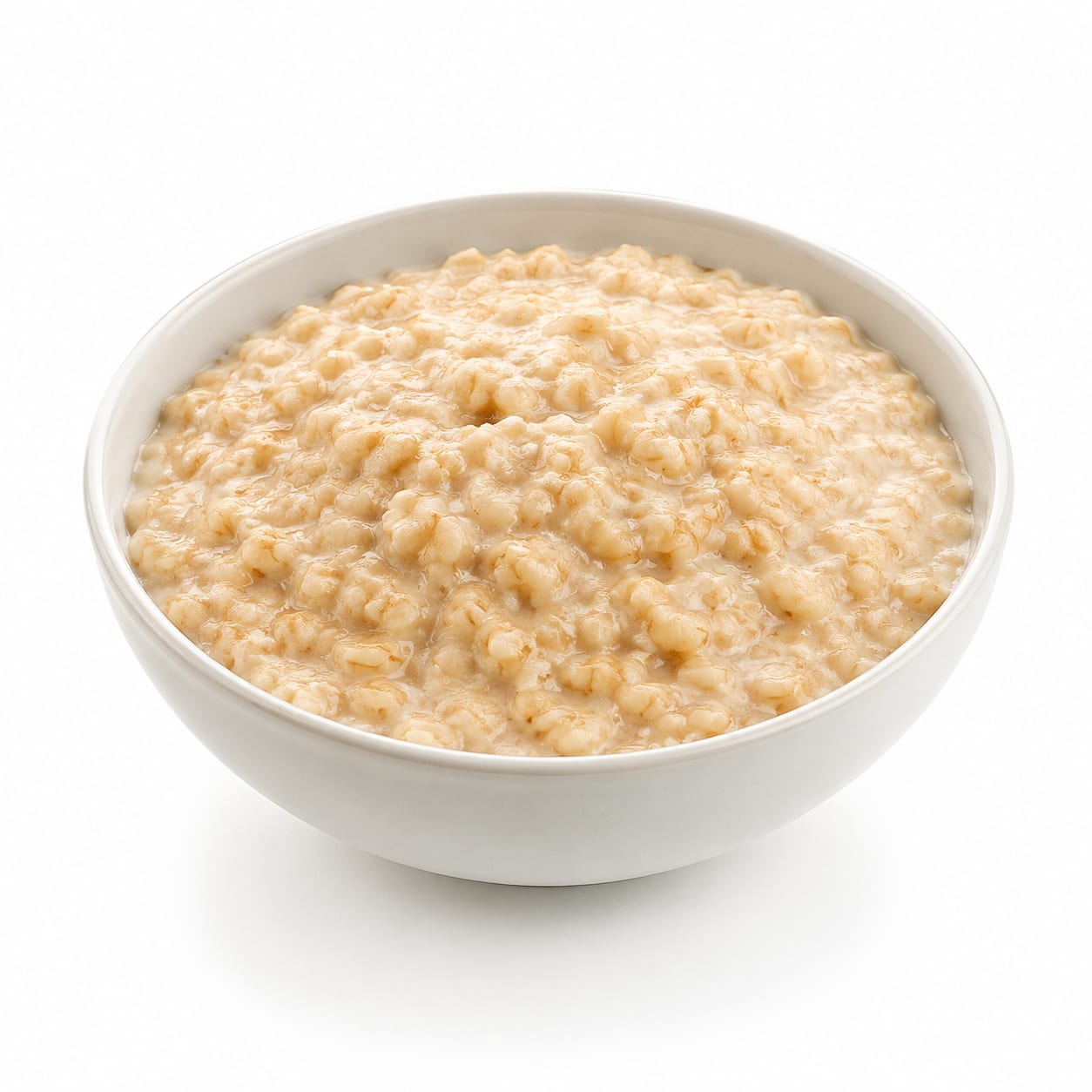
Oats
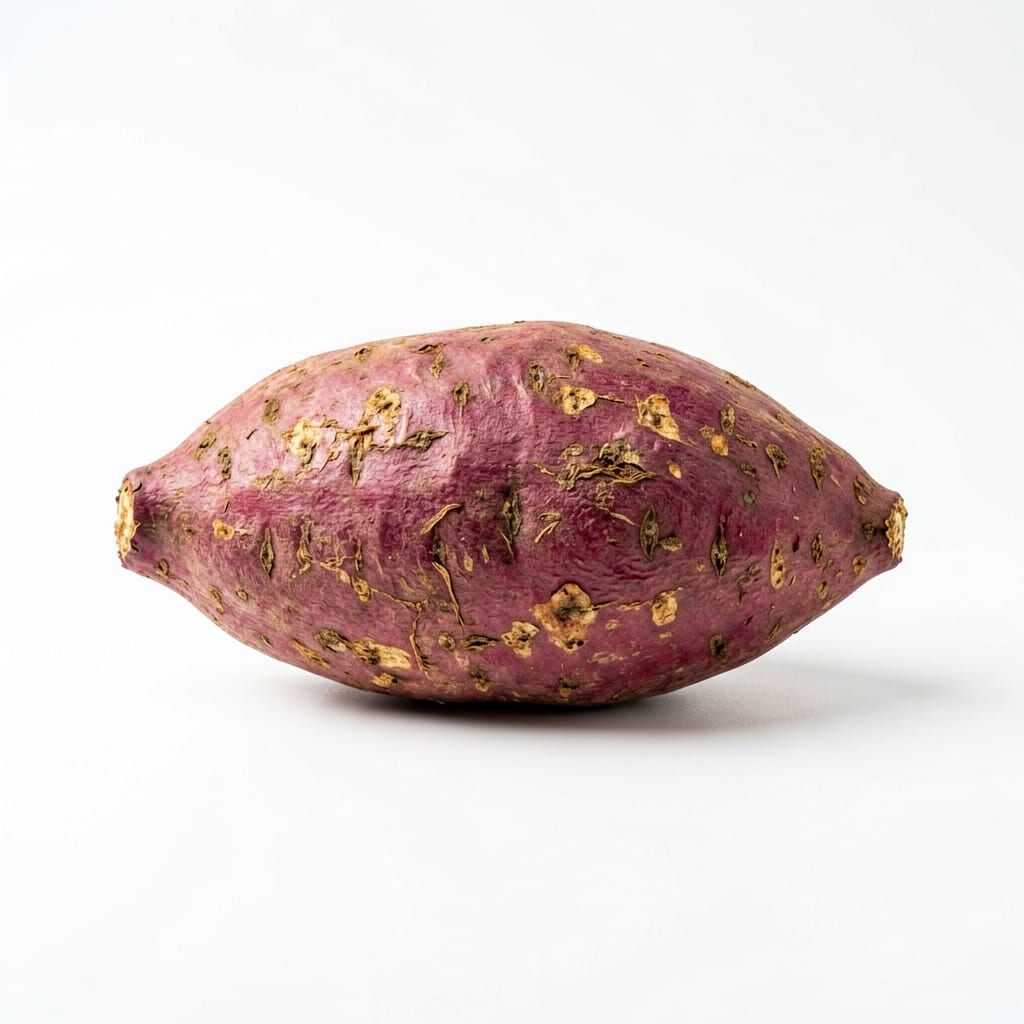
Sweet Potato
Oats win for morning fullness and blood sugar stability, while Sweet Potato dominates for vitamin A and savory meal versatility.
Sweet Potato edges ahead slightly due to its exceptional micronutrient density and lower calorie per bite, but Oats remain a top-tier choice for satiety and heart health.
Fiber type and micronutrients: Oats offer cholesterol-lowering beta-glucan, whereas Sweet Potato delivers massive vitamin A and antioxidant benefits.
At a glance
Executive summary
Overall
It depends
Healthier
It depends
More practical
Oats
Daily use
It depends
Key comparison lenses
Optimal carbohydrate source for energy and weight management
Both are staple complex carbs, often swapped in meal prep for sustained energy and fat loss.
Blood sugar control and diabetes suitability
Carb quality and glycemic impact are critical when comparing root vegetables to grains.
Micronutrient diversity and deficiency prevention
Oats and Sweet Potato have radically different vitamin and mineral profiles, influencing long-term health.
Best choice for
Oats
- Breakfast eaters needing lasting fullness
- People managing high cholesterol
- Those seeking quick-cooking pantry staples
Sweet Potato
- Vitamin A deficient diets
- Savory meal preppers
- Those needing a softer, easily digested carb
Least suitable for
Oats
- Strict gluten-free eaters due to cross-contamination risks
- People tired of sweet breakfasts
Sweet Potato
- Very low-carb dieters
- People wanting a fast-cooking carb in under 5 minutes
Deep comparison
Dimension by dimension
Each lens scores both foods and breaks down who each option suits.
- Dimension 1 · Priority 95Oats
Blood Sugar Stability
Oats · 88Sweet Potato · 72Oats provide steadier blood sugar control thanks to beta-glucan fiber, while Sweet Potato can spike blood sugar faster depending on the cooking method.
Tradeoff
You get more sweetness and quick energy from Sweet Potato, but Oats keep your energy more stable for longer.
Why it matters
Stable blood sugar means fewer afternoon energy crashes and less cravings later in the day.
Real-world impact
A bowl of Oats keeps you full until lunch, whereas a Sweet Potato might leave you hungry an hour sooner if eaten alone.
Oats
- Diabetics needing tight glycemic control
- Morning fuel without the crash
Better for
- Immediate energy replenishment after intense exercise
Worse for
Sweet Potato
- Post-workout recovery needing faster carb replenishment
Better for
- Sitting at a desk all morning without snacking
Worse for
- Dimension 2 · Priority 90Sweet Potato
Micronutrient Density
Oats · 68Sweet Potato · 94Sweet Potato is a nutritional powerhouse loaded with vitamin A and antioxidants, while Oats provide solid minerals but lack the vitamin punch.
Tradeoff
Oats deliver more iron and zinc, but Sweet Potato offers off-the-charts vitamin A for vision and immune health.
Why it matters
Vitamin A is one of the most common global deficiencies, and Sweet Potato makes hitting your daily requirement effortless.
Real-world impact
Eating one medium Sweet Potato gives you over 100% of your daily vitamin A, supporting eye health and skin glow.
Oats
- Vegans needing plant-based iron and zinc
- Those deficient in B vitamins
Better for
- Boosting vitamin A intake
Worse for
Sweet Potato
- Eye and immune health support
- Adding color and antioxidants to a bland diet
Better for
- Meeting daily iron needs without supplementation
Worse for
- Dimension 3 · Priority 88Oats
Satiety and Fullness
Oats · 92Sweet Potato · 78Oats are incredibly filling due to their unique soluble fiber, making them superior for appetite control compared to Sweet Potato.
Tradeoff
Oats keep you fuller for longer, but Sweet Potato feels lighter in the stomach if you prefer not feeling heavy.
Why it matters
Better satiety means naturally eating fewer calories throughout the day without feeling deprived.
Real-world impact
Having Oats for breakfast often eliminates the urge for a mid-morning snack, while Sweet Potato might require a protein side to match that effect.
Oats
- Weight loss requiring strict appetite control
- Long stretches between meals
Better for
- Small appetites needing easy digestion
Worse for
Sweet Potato
- Lighter meals before exercise
- Those who dislike feeling overly full
Better for
- Emotional eaters needing maximum fullness per calorie
Worse for
- Dimension 4 · Priority 75It depends
Meal Versatility and Convenience
Oats · 82Sweet Potato · 80Oats are faster to cook and ideal for sweet dishes, while Sweet Potato shines in savory meals and meal prep.
Tradeoff
Oats take 5 minutes in a microwave, whereas Sweet Potato takes 45 minutes to bake but yields a more satisfying dinner base.
Why it matters
Convenience dictates what you actually eat on a busy Wednesday, while versatility prevents diet boredom.
Real-world impact
Oats save time on busy mornings, but Sweet Potato is the ultimate hassle-free dinner side when batch-baked on Sunday.
Oats
- Quick breakfasts in under 5 minutes
- No-cook overnight prep
Better for
- Savory dinner side dishes
Worse for
Sweet Potato
- Hearty savory dinner bases
- Batch cooking for the week
Better for
- Last-minute meal prep in a rush
Worse for
Timeline
Health impact over time
Short-term
Hours to days
Oats
- Provides very steady, slow-burn energy
- Highly filling, reduces immediate snacking urges
Sweet Potato
- Offers quicker energy, especially after boiling
- Gentle on the stomach, very easy to digest
Long-term
Months to years
Oats
- Actively lowers LDL cholesterol via beta-glucan
- Supports healthy gut microbiome diversity
Sweet Potato
- Protects vision and immune function long-term
- Reduces oxidative stress through high antioxidant levels
Risk profile
Safety & processing
Both are whole foods in their natural state, though heavily flavored instant oat packets can push Oats into processed territory.
Oats
Gluten cross-contamination
mediumOats are inherently gluten-free but frequently processed on shared equipment, posing a risk for celiacs.
Sweet Potato
Pesticide residue
lowRoot vegetables generally have lower pesticide exposure, but non-organic Sweet Potato can still carry trace soil chemicals.
Who wins for whom
Audience fit
Same foods, different winners depending on your goal.
children
Sweet PotatoSweet Potato is sweeter, softer, and provides crucial vitamin A for growing bodies and immune systems.
daily consumption
It dependsOats are ideal for daily breakfast, while Sweet Potato is perfect for daily dinner; rotating both is optimal.
diabetes
OatsThe beta-glucan in Oats slows glucose absorption significantly better than the starches in Sweet Potato.
elderly
Sweet PotatoSweet Potato is extremely easy to chew and digest, while providing vision-supporting nutrients for aging eyes.
muscle gain
OatsOats are denser in calories and carbohydrates, making it easier to hit high macro targets for bulking.
weight loss
OatsOats offer more satiety per calorie, making it easier to naturally eat less throughout the day.
Your move
Decision guide
Choose Oats
- You want a filling breakfast that prevents snacking
- You are actively trying to lower your cholesterol
- You need a shelf-stable carb that cooks in minutes
Choose Sweet Potato
- You need a savory carb for lunch or dinner
- You want to boost your vitamin A and antioxidant intake
- You prefer a lighter, sweeter whole food that digests easily
Either works if
- You need complex carbohydrates to fuel an active lifestyle
- You are meal-prepping healthy carb bases for the week
Avoid both if
- You are on a strict ketogenic or very low-carb diet
Final recommendation
Let the meal time decide: start your day with Oats for lasting fullness, and end it with Sweet Potato for nutrient density and savory satisfaction.
Practical
Consumer tips
- 1
Buy certified gluten-free Oats if you have celiac disease or gluten sensitivity.
- 2
Boil Sweet Potatoes with the skin on to retain more fiber and antioxidants.
- 3
Avoid instant oat packets loaded with added sugars; choose plain rolled or steel-cut Oats instead.
- 4
Bake Sweet Potatoes whole instead of cutting them to preserve their natural sweetness and nutrient content.