
Nutrition comparison
Oats vs Instant Oats: Nutrition, Satiety, and Which is Better
Compare Oats vs Instant Oats. Discover the tradeoffs between blood sugar stability, convenience, and processing to find the best breakfast for your lifestyle.
Overall winner · Oats
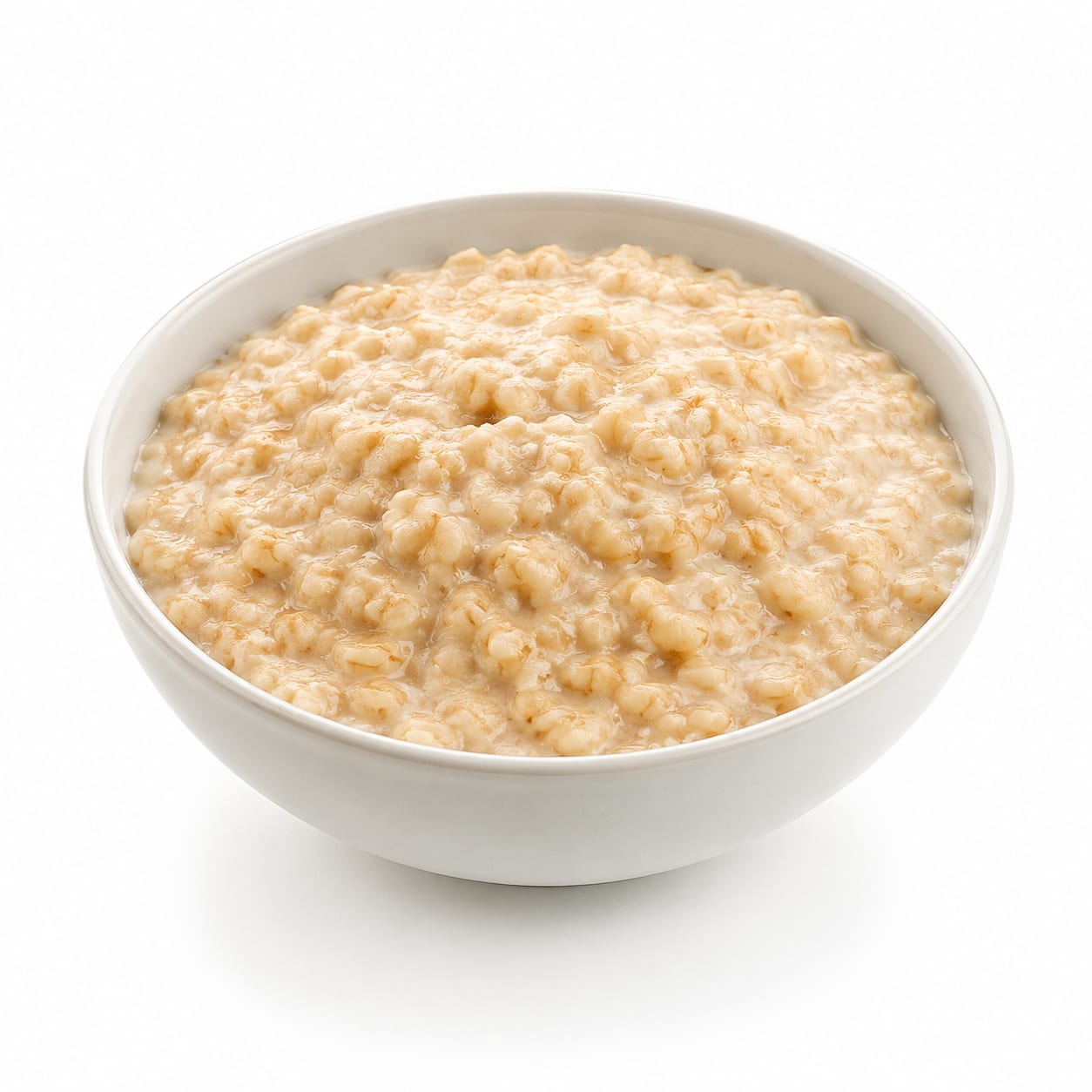
Oats
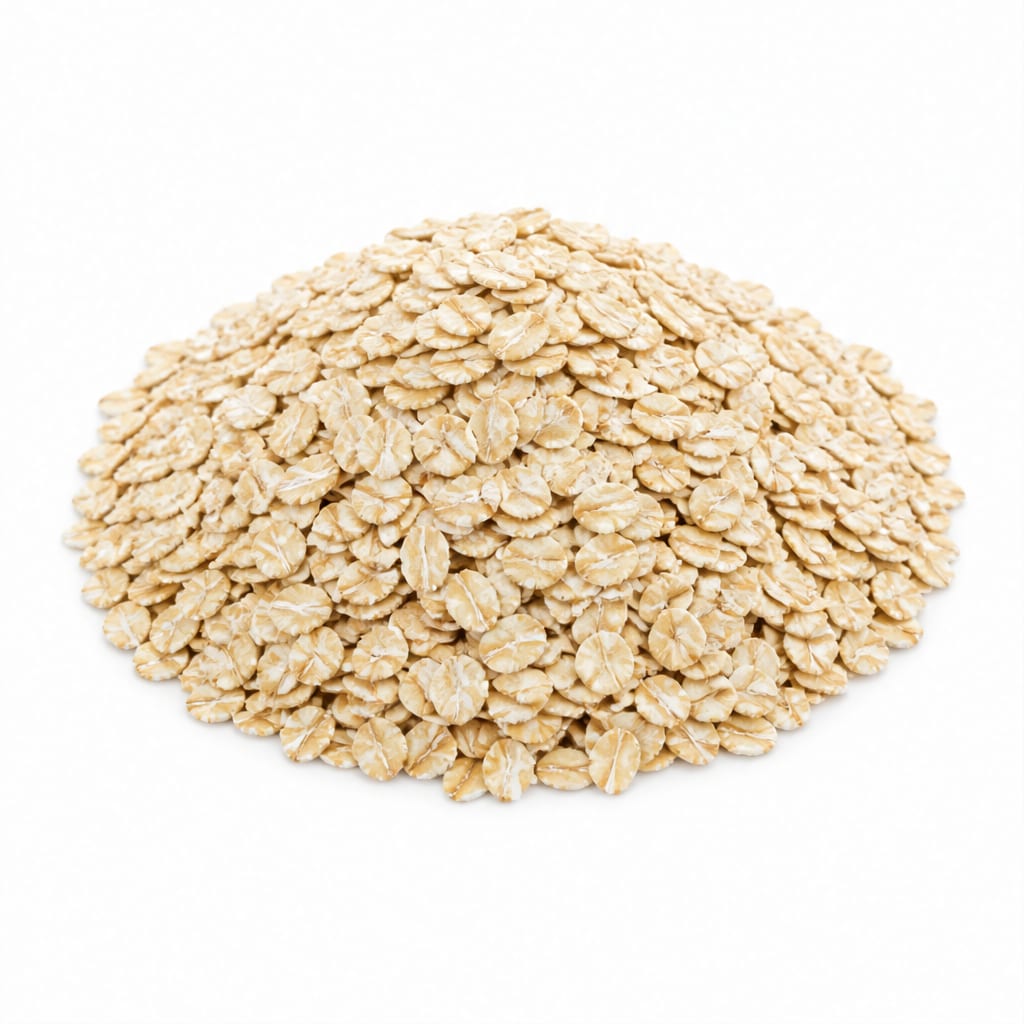
Instant Oats
Oats provide steadier energy and keep you full longer, while Instant Oats trade nutritional quality for speed.
Oats score higher due to superior satiety and blood sugar control, making them a stronger daily staple. Instant Oats remain a decent whole-grain choice when time is extremely tight, but their faster digestion holds them back.
Satiety and blood sugar stability versus convenience and cooking time.
At a glance
Executive summary
Overall
Oats
Healthier
Oats
More practical
Instant Oats
Daily use
Oats
Key comparison lenses
Blood sugar impact and glycemic index
Instant Oats digest much faster than Oats, causing significantly different blood sugar responses.
Convenience and meal prep time
The main reason people choose Instant Oats over Oats is cooking speed and morning convenience.
Satiety and hunger control
Faster digestion means Instant Oats leave you hungry sooner, impacting daily calorie intake.
Processing level and additive exposure
Instant Oats undergo more pre-cooking and processing, often leading to hidden sugars or sodium in flavored packets.
Best choice for
Oats
- Sustained morning energy
- Weight management
- Blood sugar control
Instant Oats
- Quick breakfasts before work
- Post-workout carb reload
- Easy digestion for sensitive stomachs
Least suitable for
Oats
- Rushed 5-minute mornings
- People with severe chewing difficulties
Instant Oats
- Diabetics seeking stable glucose
- Those prone to mid-morning energy crashes
Deep comparison
Dimension by dimension
Each lens scores both foods and breaks down who each option suits.
- Dimension 1 · Priority 95Oats
Blood Sugar Stability
Oats · 92Instant Oats · 55Oats digest slowly, preventing sugar spikes. Instant Oats break down fast, causing quicker rises and crashes.
Tradeoff
You trade metabolic steadiness for a faster breakfast if you choose Instant Oats.
Why it matters
Frequent blood sugar spikes lead to cravings, fatigue, and over time, insulin resistance.
Real-world impact
Eating Instant Oats might leave you starving by 10 AM, while Oats keep you comfortably full until lunch.
Oats
- Diabetics
- Steady energy seekers
Better for
- Situations requiring rapid carbohydrate replenishment
Worse for
Instant Oats
- Athletes needing quick carbs right after a workout
Better for
- Insulin resistant individuals
- Crash-prone office workers
Worse for
- Dimension 2 · Priority 88Oats
Satiety and Fullness
Oats · 94Instant Oats · 60Oats keep you full much longer because their structure takes more time to digest.
Tradeoff
Instant Oats are quicker to eat but leave you looking for a snack much sooner.
Why it matters
Staying full helps control overall calorie intake without feeling deprived or distracted.
Real-world impact
A bowl of Oats easily lasts until lunch; Instant Oats often require a mid-morning coffee or pastry to bridge the gap.
Oats
- Weight loss
- Long shifts without break time
Better for
- Those wanting a light meal before intense exercise
Worse for
Instant Oats
- Light pre-workout fuel
Better for
- Habitual snackers
- People trying to cut daily calories
Worse for
- Dimension 3 · Priority 90Instant Oats
Convenience and Prep Time
Oats · 45Instant Oats · 98Instant Oats cook in 1 to 2 minutes, while traditional Oats take 10 to 30 minutes on the stove.
Tradeoff
You save precious morning minutes but sacrifice some nutritional quality and texture.
Why it matters
Convenience often dictates whether people actually eat breakfast or skip it entirely.
Real-world impact
Instant Oats are a lifesaver on chaotic mornings; Oats require planning or overnight soaking.
Oats
- Weekend breakfasts
- Meal preppers making overnight oats
Better for
- Rushed weekday mornings
Worse for
Instant Oats
- Busy parents
- Quick dorm meals
Better for
- Leisurely weekend cooking
Worse for
- Dimension 4 · Priority 75Oats
Processing and Additives
Oats · 95Instant Oats · 55Oats are a single-ingredient whole food. Instant Oats are pre-cooked, rolled thinner, and often contain added sugars or sodium.
Tradeoff
Speed of preparation comes with higher processing and potential hidden ingredients.
Why it matters
Minimally processed foods generally support better long-term health and metabolic function.
Real-world impact
Choosing plain Oats means zero surprise ingredients; flavored Instant Oats can pack as much sugar as a candy bar.
Oats
- Clean eating diets
- Whole food advocates
Better for
- None
Worse for
Instant Oats
- Ultra-convenient meals
Better for
- Sodium-sensitive individuals
- Sugar avoiders
Worse for
Timeline
Health impact over time
Short-term
Hours to days
Oats
- Sustained, even energy levels
- Comforting and very filling
Instant Oats
- Quick energy boost
- Easy on the stomach if plain
Long-term
Months to years
Oats
- Better insulin sensitivity
- Easier weight management due to high satiety
Instant Oats
- Potential for increased cravings if eaten alone
- Higher risk of blood sugar issues if consuming flavored varieties
Risk profile
Safety & processing
Oats are simply whole groats flattened with minimal alteration. Instant Oats are heavily processed for speed—pre-cooked, dried, and rolled extremely thin, with flavored packets often containing artificial ingredients and sugar.
Oats
Cross-contamination with gluten
mediumUnless certified gluten-free, Oats are frequently processed in facilities that handle wheat, posing a risk for those with celiac disease.
Instant Oats
Added sugars and sodium
mediumFlavored Instant Oats frequently contain high amounts of hidden sugar and sodium to improve taste and preservation.
Cross-contamination with gluten
mediumSimilar to regular Oats, Instant Oats carry gluten cross-contamination risks unless explicitly certified.
Who wins for whom
Audience fit
Same foods, different winners depending on your goal.
children
Instant OatsInstant Oats are softer and easier for kids to chew, and much faster for busy parents to prepare—just stick to plain varieties.
daily consumption
OatsThe minimal processing and superior satiety make Oats a much stronger everyday staple for long-term health.
diabetes
OatsThe lower glycemic index of Oats prevents dangerous blood sugar spikes compared to the rapid digestion of Instant Oats.
elderly
Instant OatsInstant Oats are softer to chew and gentler on aging digestive systems, while still providing necessary fiber and warmth.
muscle gain
It dependsOats offer sustained energy for heavy workouts, while Instant Oats provide quick carbs for immediate post-workout glycogen replenishment.
weight loss
OatsOats keep you full much longer, naturally reducing the urge to snack before your next meal.
Your move
Decision guide
Choose Oats
- You want lasting energy until lunch
- Blood sugar control is a daily priority
- You have time to cook or prep overnight oats
- You want a single-ingredient whole food
Choose Instant Oats
- You only have 2 minutes to make breakfast
- You need quick digesting carbs right after a workout
- You struggle with chewing heavier foods
- You are traveling or stuck with only a microwave
Either works if
- You want a warm, comforting whole-grain breakfast
- You are adding lots of protein and healthy fats to balance the meal
Avoid both if
- You have celiac disease and cannot find certified gluten-free options
- You are on a strict very-low-carb or ketogenic diet
Final recommendation
Choose Oats when you have the time, as the metabolic and satiety benefits are worth the wait. Opt for plain Instant Oats when life is chaotic—just avoid the sugary flavored packets to keep it a healthy choice.
Practical
Consumer tips
- 1
Make overnight Oats the night before to get the health benefits of Oats with the grab-and-go convenience of Instant Oats.
- 2
If buying Instant Oats, choose plain varieties and add your own fruit and cinnamon to control sugar intake.
- 3
Add nuts, seeds, or protein powder to either type to prevent blood sugar spikes and boost fullness.
- 4
Remember that 'quick oats' are different from 'instant oats'—quick oats are slightly less processed than instant, offering a nice middle ground.