
Nutrition comparison
Oats vs Cornflakes: Which Breakfast Is Actually Better?
Compare Oats and Cornflakes for health, weight loss, and morning energy. Discover which breakfast keeps you full and which causes a sugar crash.
Overall winner · Oats
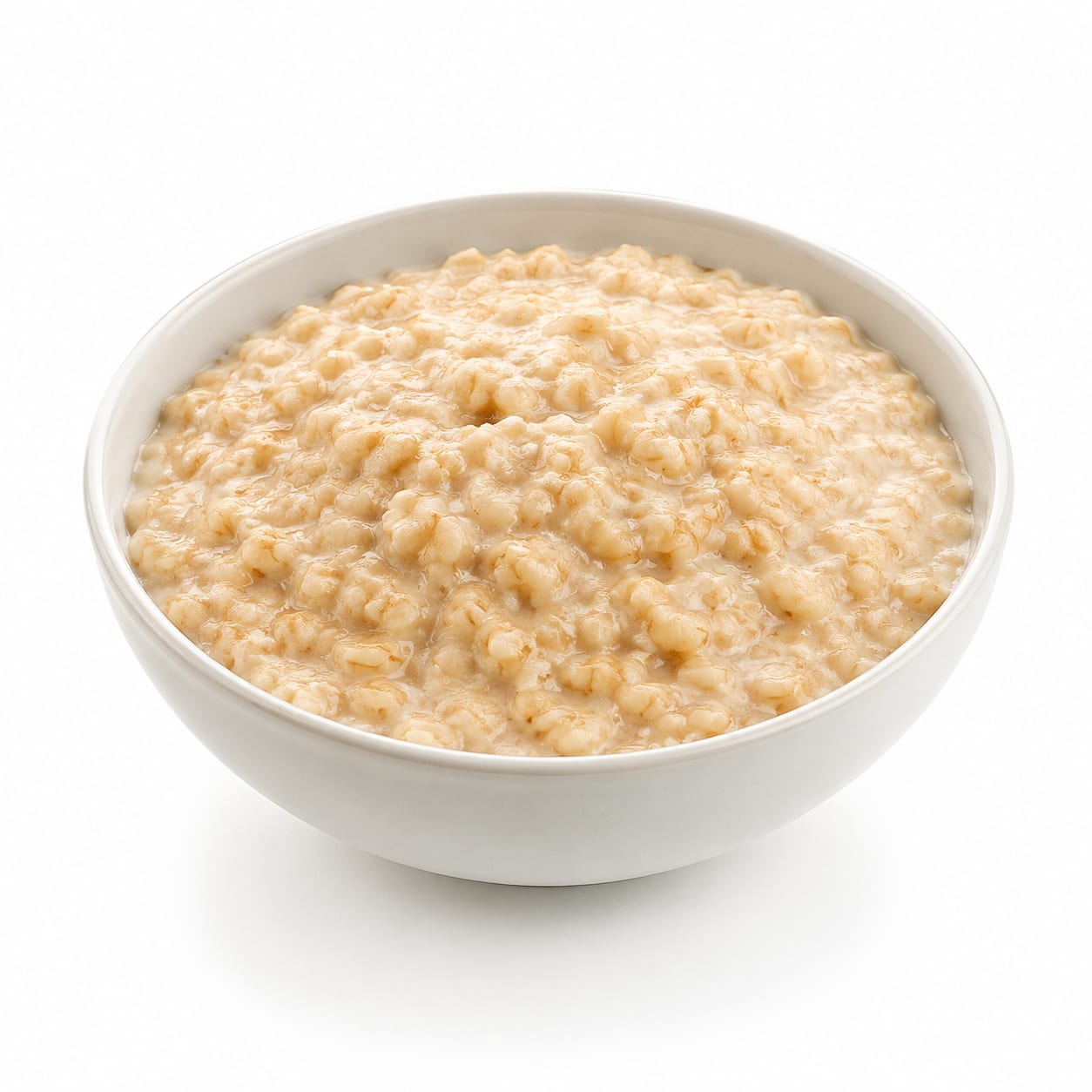
Oats
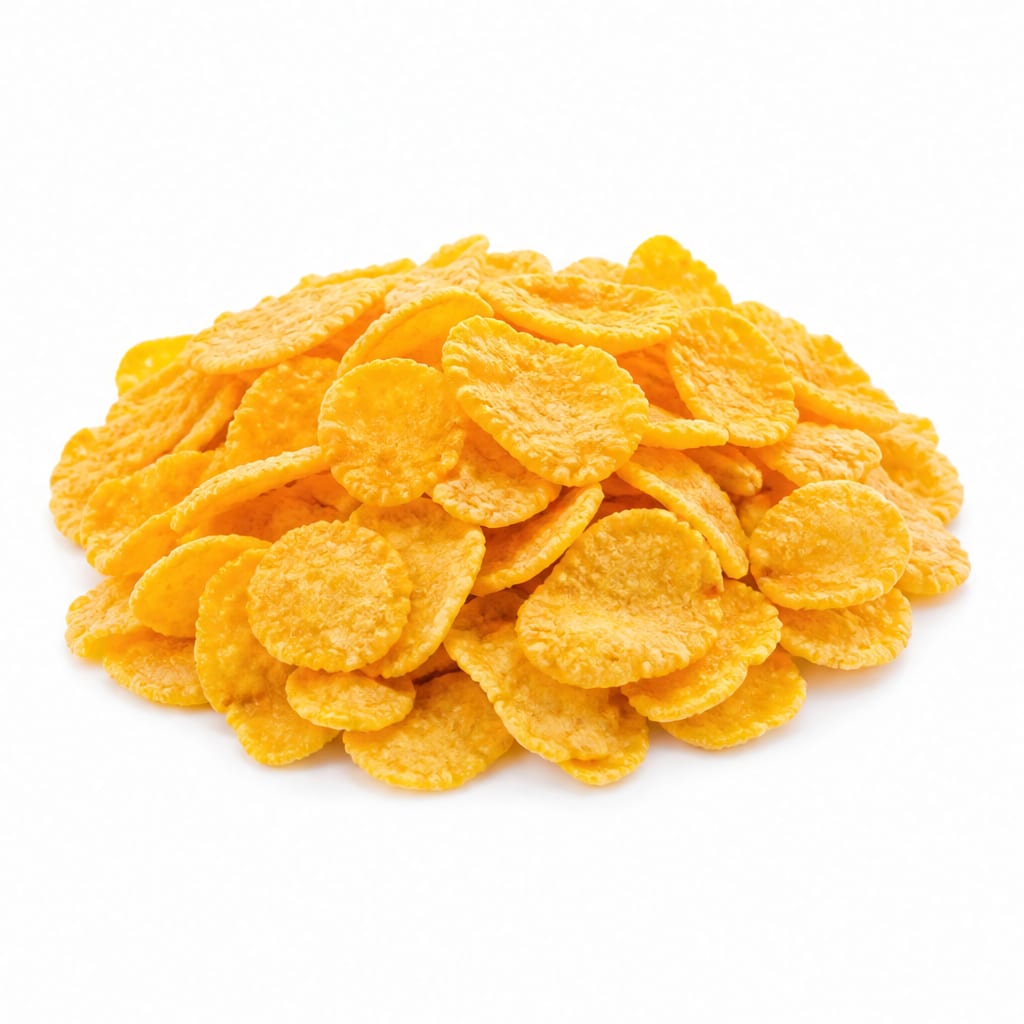
Cornflakes
Oats deliver lasting energy and fullness, while Cornflakes leave you hungry and crashing shortly after breakfast.
Oats score dramatically higher due to superior fiber, blood sugar stability, and satiety. Cornflakes score low because they are ultra-processed, spike blood sugar, and fail to keep you full.
You trade a few extra minutes of prep time with Oats for hours of steady energy, avoiding the quick sugar spike and crash of Cornflakes.
At a glance
Executive summary
Overall
Oats
Healthier
Oats
More practical
Cornflakes
Daily use
Oats
Key comparison lenses
Blood sugar control and morning energy stability
Cornflakes cause rapid blood sugar spikes while Oats provide slow-releasing energy, making this the most critical daily difference.
Weight management and satiety
The fiber in Oats keeps you full for hours, whereas Cornflakes often lead to mid-morning hunger and overeating.
Ultra-processing and additive exposure
Oats are a single-ingredient whole food, while Cornflakes are ultra-processed with added sugars, salts, and preservatives.
Convenience and breakfast routine practicality
Cornflakes offer instant preparation, which is a major reason people choose them over Oats that require cooking.
Best choice for
Oats
- People trying to lose weight or avoid snacking
- Anyone needing steady focus and energy through the morning
- People managing diabetes or insulin resistance
- Those looking to lower cholesterol
Cornflakes
- People with zero morning prep time
- Those with poor appetite who need an easy-to-eat option
- Individuals looking for cheap, instant calories
Least suitable for
Oats
- People with celiac disease or severe gluten intolerance (unless certified gluten-free)
- Those who absolutely cannot spend 2-5 minutes preparing breakfast
Cornflakes
- People with diabetes or blood sugar issues
- Anyone trying to stay full until lunch
- Those avoiding ultra-processed foods or added sugars
Deep comparison
Dimension by dimension
Each lens scores both foods and breaks down who each option suits.
- Dimension 1 · Priority 95Oats
Satiety and Fullness
Oats · 92Cornflakes · 25Oats keep you full for hours thanks to beta-glucan fiber, while Cornflakes digest rapidly, often leaving you hungry within an hour.
Tradeoff
You must chew and digest Oats slowly, which takes time, whereas Cornflakes are effortless to eat but vanish from your stomach fast.
Why it matters
A breakfast that fails to keep you full leads to mid-morning snacking and higher daily calorie intake.
Real-world impact
Eating Oats means making it to lunch without raiding the snack drawer. Eating Cornflakes often means craving a pastry by 10 AM.
Oats
- Avoiding mid-morning energy crashes
- Weight management and portion control
- Long meetings or busy mornings with no snack breaks
Better for
- Moments when you feel nauseous and need something extremely light
Worse for
Cornflakes
- Days when you barely have an appetite and just need a few bites
Better for
- Anyone prone to overeating later in the morning
- Sustaining energy for physical labor or workouts
Worse for
- Dimension 2 · Priority 92Oats
Blood Sugar Stability
Oats · 88Cornflakes · 20Oats provide a slow, steady release of glucose. Cornflakes cause a rapid blood sugar spike followed by a sharp crash.
Tradeoff
Oats require your body to work gradually to break down complex carbs. Cornflakes are pre-processed into simple carbs that hit your bloodstream instantly.
Why it matters
Frequent blood sugar spikes exhaust your pancreas, increase insulin resistance, and trigger fatigue and cravings.
Real-world impact
A bowl of Cornflakes can leave you feeling shaky and tired by mid-morning. Oats provide a calm, focused energy that lasts.
Oats
- Preventing type 2 diabetes
- Managing existing insulin resistance
- Sustained mental focus at work
Better for
- Acute low blood sugar emergencies
Worse for
Cornflakes
- Quick recovery from a hypoglycemic episode
Better for
- Long-term metabolic health
- Mood stability and avoiding afternoon crashes
Worse for
- Dimension 3 · Priority 85Oats
Processing and Additives
Oats · 95Cornflakes · 15Oats are a single-ingredient whole grain. Cornflakes are ultra-processed, typically containing added sugar, salt, and synthetic vitamins.
Tradeoff
Oats give you total control over what goes into your breakfast. Cornflakes trade ingredient transparency for industrial consistency and shelf life.
Why it matters
Ultra-processed foods are linked to obesity, gut issues, and chronic disease, even when fortified with vitamins.
Real-world impact
With Oats, you know exactly what you are eating. With Cornflakes, you are eating a highly engineered product designed for crunch and sweetness, not nutrition.
Oats
- Clean eating and whole-food diets
- Avoiding hidden sugars and sodium
- Gut microbiome health
Better for
- Need for added flavors or sweeteners to taste good plain
Worse for
Cornflakes
- Situations requiring extreme shelf stability
Better for
- Anyone avoiding ultra-processed foods
- Reducing daily sodium and sugar intake
Worse for
- Dimension 4 · Priority 75Cornflakes
Convenience and Practicality
Oats · 55Cornflakes · 95Cornflakes are ready to eat instantly. Oats require cooking or overnight prep, making them less convenient on rushed mornings.
Tradeoff
Cornflakes save you 3 to 5 minutes of prep but cost you hours of sustained energy and satiety.
Why it matters
When mornings are chaotic, convenience often wins over nutrition, which is why Cornflakes remain popular.
Real-world impact
If you are running out the door, Cornflakes take zero thought. Oats require planning, like making overnight oats the night before.
Oats
- Structured mornings where you have time to cook
Better for
- Unpredictable or extremely rushed schedules
Worse for
Cornflakes
- Chaotic mornings with zero spare time
- Traveling where cooking is impossible
Better for
- Anyone who needs their breakfast to actually fuel their morning
Worse for
- Dimension 5 · Priority 80Oats
Nutrient Density
Oats · 85Cornflakes · 30Oats naturally contain fiber, protein, and healthy fats. Cornflakes are stripped of their natural nutrients and artificially fortified.
Tradeoff
Oats offer naturally occurring, well-absorbed nutrients. Cornflakes offer synthetic vitamins sprayed back onto the product after processing.
Why it matters
Your body absorbs nutrients best from whole food matrices, not from fortified ultra-processed foods.
Real-world impact
Oats contribute meaningfully to your daily fiber and protein goals. Cornflakes mostly contribute empty carbohydrates.
Oats
- Meeting daily fiber targets
- Getting natural B-vitamins and minerals
- Supporting heart health naturally
Better for
- Those who need immediate post-workout rapid absorption
Worse for
Cornflakes
- Getting a quick hit of fortified iron if deficient
Better for
- Building a nutrient-dense, whole-food diet
Worse for
Timeline
Health impact over time
Short-term
Hours to days
Oats
- Steady, focused energy for 3 to 4 hours
- Comforting and warming, easy on the stomach
- No sugar crash or sudden cravings
Cornflakes
- Quick burst of energy that fades within an hour
- Likely mid-morning hunger and brain fog
- Possible thirst from higher sodium content
Long-term
Months to years
Oats
- Lower LDL cholesterol due to beta-glucan fiber
- Better blood sugar regulation and reduced diabetes risk
- Easier weight management from consistent satiety
Cornflakes
- Increased risk of insulin resistance from daily sugar spikes
- Higher likelihood of weight gain from overeating later in the day
- Potential chronic inflammation from ultra-processed food intake
Risk profile
Safety & processing
Oats are simply harvested and rolled or steel-cut, retaining their whole grain integrity. Cornflakes undergo high-heat extrusion, stripping away the germ and bran, and are then coated in sugar, salt, and synthetic vitamins.
Oats
Gluten cross-contamination
mediumOats are inherently gluten-free but are frequently processed on shared equipment with wheat, posing a risk for those with celiac disease.
Pesticide residue
lowConventionally grown Oats may have trace glyphosate, which can be avoided by choosing organic.
Cornflakes
Added sugar overload
highMany Cornflakes brands contain significant added sugars per serving, contributing directly to metabolic disease risk.
Sodium content
mediumCornflakes are surprisingly high in sodium for a sweet-tasting cereal, which can impact blood pressure over time.
Who wins for whom
Audience fit
Same foods, different winners depending on your goal.
children
It dependsOats provide far better nutrition for growing bodies, but Cornflakes might be the only thing a picky eater accepts, making it a situational compromise.
daily consumption
OatsOats are a sustainable, health-promoting daily staple. Daily Cornflakes consumption exposes you to too much sugar and processing.
diabetes
OatsOats have a low glycemic index and improve insulin sensitivity, whereas Cornflakes cause dangerous blood sugar spikes.
elderly
OatsOats support heart health and digestion, both of which are critical concerns for older adults.
muscle gain
OatsOats provide more natural protein and sustained energy for workouts, though both need added protein for serious muscle building.
weight loss
OatsThe high fiber in Oats delays hunger and reduces overall calorie intake throughout the day.
Your move
Decision guide
Choose Oats
- You want breakfast to actually keep you full until lunch
- You are trying to improve your metabolic health or lower cholesterol
- You want a whole-food base that you can customize with fruit and nuts
Choose Cornflakes
- You are genuinely in a rush and need calories right now
- You are recovering from an illness and need an easy-to-digest food
- You only eat breakfast occasionally and convenience is your only priority
Either works if
- You are mixing a small amount of Cornflakes into a high-protein yogurt for crunch, or having a small Oats portion as a snack
Avoid both if
- You need a high-protein breakfast to support heavy weightlifting or intense athletic training
Final recommendation
Choose Oats for your daily breakfast. The few minutes of prep time pay off massively in energy, focus, and health. Reserve Cornflakes for rare occasions when convenience absolutely trumps nutrition.
Practical
Consumer tips
- 1
Make overnight Oats the night before to completely eliminate morning prep time.
- 2
Add chia seeds or flaxseeds to Oats for an extra boost of healthy fats and fiber.
- 3
If you must eat Cornflakes, pair them with a protein source like Greek yogurt to soften the blood sugar spike.
- 4
Always choose plain Oats over flavored instant packets, which are loaded with hidden sugar.
- 5
Look for organic Oats to avoid pesticide residues, especially if you eat them daily.