
Nutrition comparison
Oats vs Chia Seeds: Which is Better for Breakfast & Weight Loss?
Compare Oats and Chia Seeds to see which is healthier for your goals. Learn the nutritional differences, benefits, and best uses for each superfood.
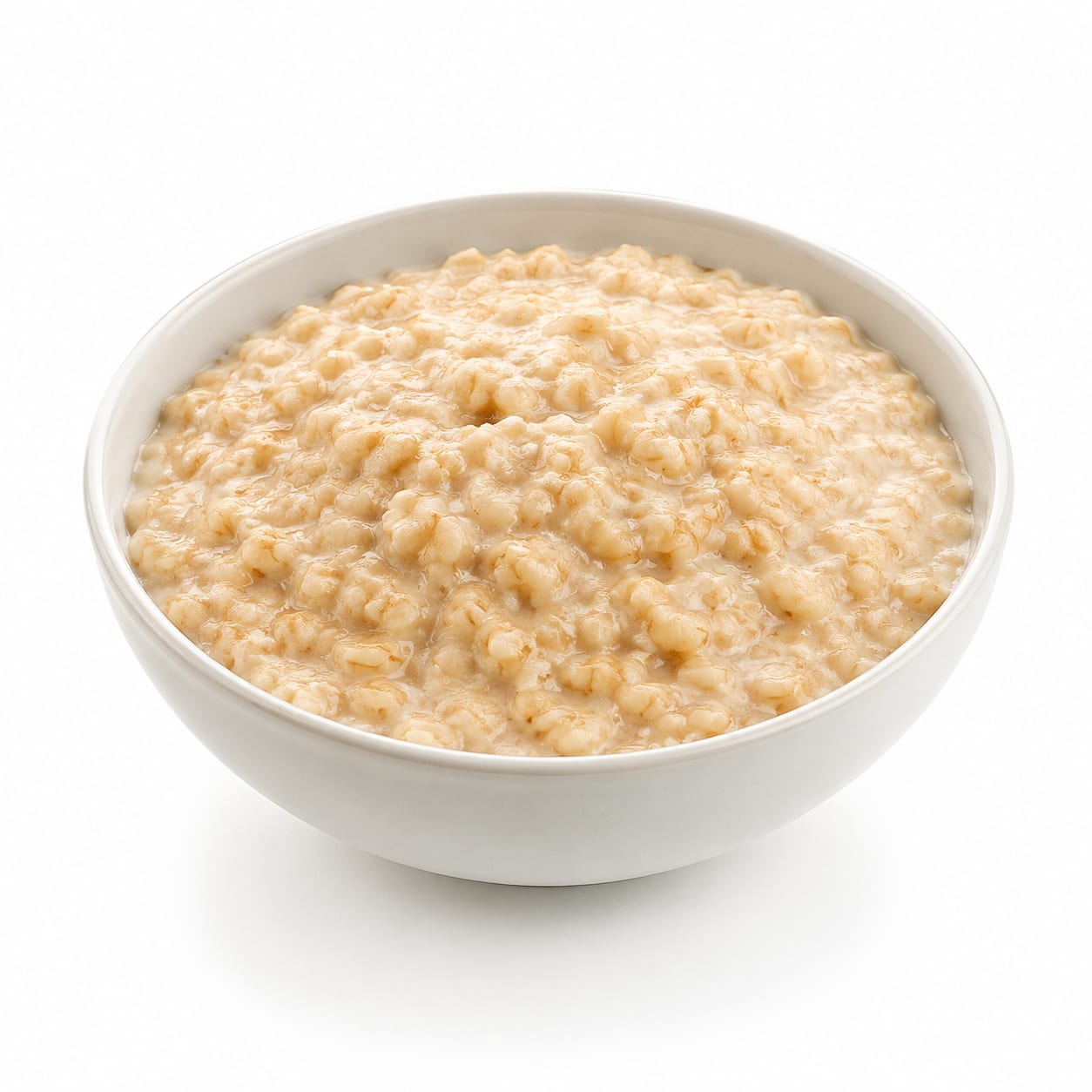
Oats
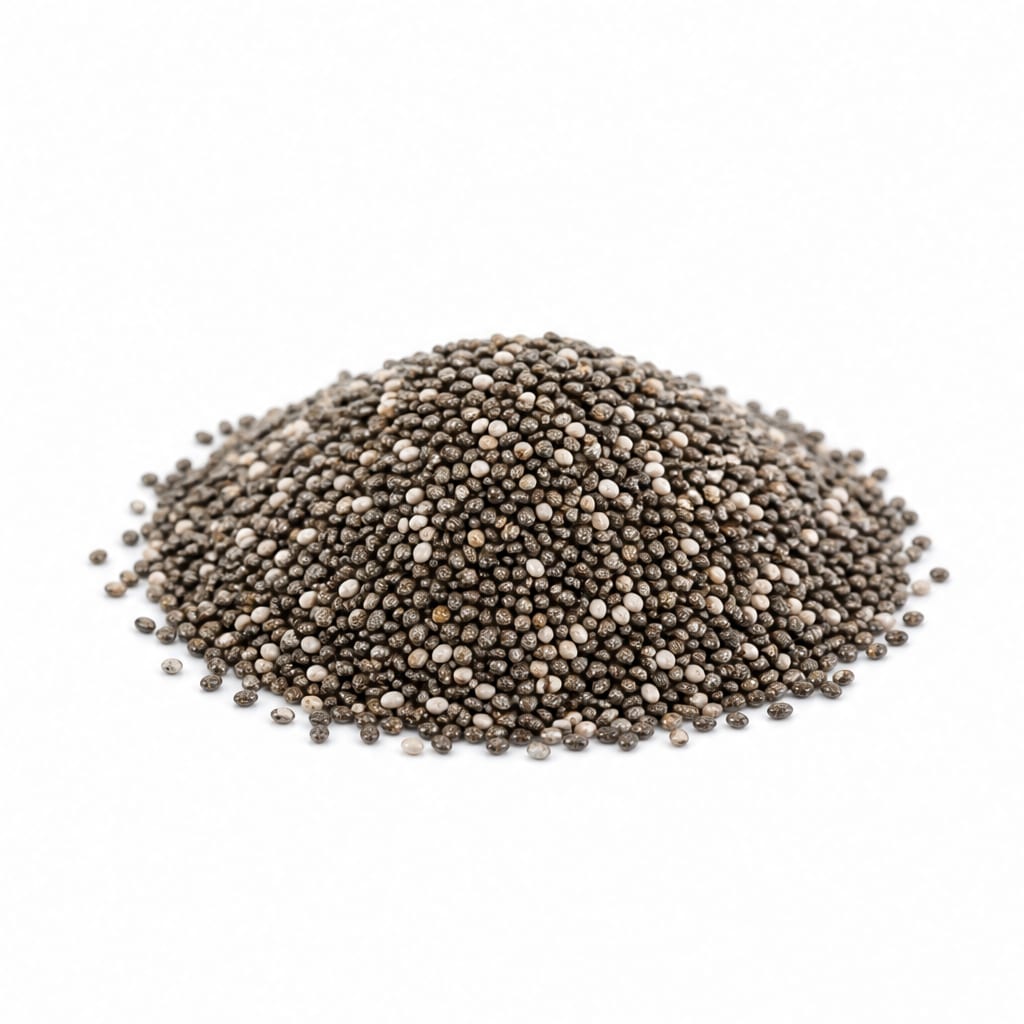
Chia Seeds
Oats are a comforting, high-volume meal base, while Chia Seeds are a potent, nutrient-dense booster.
Chia Seeds edge out Oats slightly in pure nutrient density and blood sugar control, but Oats win on practicality and everyday versatility, making them nearly tied overall.
Volume and steady carbs versus concentrated healthy fats and micronutrients.
At a glance
Executive summary
Overall
It depends
Healthier
It depends
More practical
Oats
Daily use
Oats
Key comparison lenses
Meal base vs nutrient booster
Oats serve as a filling carbohydrate foundation, while Chia Seeds act as a concentrated fat and fiber supplement.
Satiety and volume eating
Oats provide high volume for fewer calories, whereas Chia Seeds offer dense nutrition in tiny portions.
Omega-3 and healthy fat intake
Chia Seeds are a top plant-based source of omega-3s, an area where Oats fall completely flat.
Best choice for
Oats
- A warm, filling breakfast base
- Endurance athletes needing carb fuel
- Budget-friendly meal prep
- Volume eaters who want larger portions
Chia Seeds
- Boosting omega-3 and calcium intake
- Low-carb and keto dieters
- Thickening smoothies or making pudding
- Adding crunch and nutrients as a topping
Least suitable for
Oats
- Strict low-carb dieters
- Those with severe celiac disease due to cross-contamination risk
Chia Seeds
- People who struggle with getting enough food volume
- Anyone with swallowing difficulties if seeds are not properly soaked
Deep comparison
Dimension by dimension
Each lens scores both foods and breaks down who each option suits.
- Dimension 1 · Priority 92Oats
Satiety & Fullness
Oats · 88Chia Seeds · 82Oats provide a larger physical volume for fewer calories, making you feel physically full. Chia Seeds expand in liquid but pack a high calorie count in a very small amount.
Tradeoff
You get more chewing and stomach stretch with Oats, but Chia Seeds provide longer-lasting satiety from fat and fiber if you can stick to a small portion.
Why it matters
Feeling full without overeating is crucial for weight management and comfort.
Real-world impact
A bowl of Oats feels like a complete meal; a serving of Chia Seeds feels like a small addition that needs other ingredients to make a satisfying dish.
Oats
- Large breakfast eaters
- Those who find small portions unsatisfying
Better for
- People who want low-carb satiety
Worse for
Chia Seeds
- People who prefer grazing or small nutrient-dense snacks
- Those extending fullness between meals without bulk
Better for
- Volume eaters who easily overeat calorie-dense foods
Worse for
- Dimension 2 · Priority 90Chia Seeds
Nutrient Density & Healthy Fats
Oats · 70Chia Seeds · 95Chia Seeds are loaded with omega-3 fatty acids, calcium, and antioxidants. Oats provide valuable carbs and beta-glucan but lack significant fats.
Tradeoff
Oats offer steady energy from carbs, while Chia Seeds deliver essential fats that support brain and heart health.
Why it matters
Getting enough healthy fats is a common gap in grain-heavy diets, making Chia Seeds an easy fix.
Real-world impact
Adding a tablespoon of Chia Seeds to your Oats bridges the fat gap without needing to cook with oils.
Oats
- Carb-loading before workouts
Better for
- Low-fat diets lacking essential fatty acids
Worse for
Chia Seeds
- Vegans needing plant-based omega-3s
- People looking to boost calcium intake
Better for
- Those who need quick, easily accessible energy for intense activity
Worse for
- Dimension 3 · Priority 88Chia Seeds
Blood Sugar Stability
Oats · 78Chia Seeds · 90Chia Seeds have minimal net carbs and a high fat-fiber combo that slows digestion to a crawl. Oats provide steady energy but can spike blood sugar if eaten alone.
Tradeoff
Oats give you quick morning energy, while Chia Seeds keep blood sugar flat but lack immediate fuel.
Why it matters
Stable blood sugar prevents the mid-morning crash that leads to cravings and brain fog.
Real-world impact
Eating Oats alone might leave you hungry by 10 AM, whereas adding Chia Seeds pushes fullness to lunch.
Oats
- Morning energy needs
- Pre-workout fueling
Better for
- Insulin-resistant individuals eating without protein or fat
Worse for
Chia Seeds
- Diabetics managing glucose spikes
- Sedentary mornings at the desk
Better for
- Athletes needing fast carbohydrate absorption
Worse for
- Dimension 4 · Priority 85Oats
Practicality & Versatility
Oats · 92Chia Seeds · 75Oats are incredibly easy to cook into a comforting meal. Chia Seeds are mostly an add-in and can have an off-putting texture if not prepared correctly.
Tradeoff
Oats are a standalone meal; Chia Seeds usually need to be mixed into something else to be enjoyable.
Why it matters
If a food is annoying to prep or weird to eat, you will eventually stop using it.
Real-world impact
Making oatmeal takes 5 minutes and feels like a real breakfast. Chia pudding requires planning ahead to soak, and dry seeds can get stuck in teeth.
Oats
- Quick, hot breakfasts
- Baking applications like cookies and muffins
Better for
- No-cook backpacking meals unless using instant packets
Worse for
Chia Seeds
- No-cook meal prep like overnight oats or puddings
- Thickening smoothies effortlessly
Better for
- People sensitive to slimy or gelatinous textures
Worse for
- Dimension 5 · Priority 80Oats
Calorie Efficiency
Oats · 85Chia Seeds · 65Oats let you eat a satisfying portion for a moderate calorie cost. Chia Seeds are very calorie-dense, so portions must be carefully measured.
Tradeoff
You can eat a large bowl of Oats for the same calories as a few tablespoons of Chia Seeds.
Why it matters
Underestimating calorie density is a primary reason people overeat healthy foods.
Real-world impact
It is easy to accidentally add 300 calories of Chia Seeds to a smoothie without realizing it, while a cup of cooked Oats is only about 150 calories.
Oats
- Calorie counters who prefer larger portions
- People trying to lose weight by volume eating
Better for
- Those struggling to get enough calories in a day
Worse for
Chia Seeds
- Underweight individuals needing to add calories easily
- Hikers needing lightweight, calorie-dense fuel
Better for
- Anyone who tends to pour freely without measuring
Worse for
Timeline
Health impact over time
Short-term
Hours to days
Oats
- Provides quick, comforting energy for morning tasks
- Fills the stomach with warm volume, reducing immediate hunger
Chia Seeds
- Sustains energy without a sugar crash due to high fat and fiber
- Can cause bloating or constipation if eaten dry or without enough water
Long-term
Months to years
Oats
- Supports heart health and lowers cholesterol thanks to beta-glucan fiber
- Promotes healthy gut bacteria from prebiotic fibers
Chia Seeds
- Reduces systemic inflammation through high omega-3 content
- Improves bowel regularity and gut lining health with soluble fiber
Risk profile
Safety & processing
Both Oats and Chia Seeds are whole foods that undergo minimal processing before reaching your kitchen, though flavored instant oat packets can change that.
Oats
Gluten cross-contamination
mediumOats are inherently gluten-free but are frequently processed on equipment that handles wheat, posing a risk for those with celiac disease.
Chia Seeds
Choking hazard
mediumEating dry Chia Seeds followed by water can cause them to swell in the esophagus, creating a blockage if not chewed properly.
Who wins for whom
Audience fit
Same foods, different winners depending on your goal.
children
OatsOats are safer, easier to chew, and more comforting for kids, whereas Chia Seeds pose a mild choking risk and have a texture many children dislike.
daily consumption
OatsOats are easier to build a daily habit around as a meal foundation, while Chia Seeds are better used as a daily supplement rather than a primary food.
diabetes
Chia SeedsChia Seeds have virtually no net carbs and their high fat and fiber content perfectly stabilizes blood sugar without requiring insulin spikes.
elderly
OatsOats are gentle on the digestive system and easy to eat, while Chia Seeds can be difficult to swallow safely and may cause blockages if not soaked properly.
muscle gain
OatsOats offer a more substantial carbohydrate source to fuel workouts and replenish glycogen stores, which is essential for muscle growth.
weight loss
OatsOats provide more volume per calorie, making it easier to feel full on fewer calories compared to the dense Chia Seeds.
Your move
Decision guide
Choose Oats
- You want a warm, comforting breakfast that feels like a real meal
- You need affordable, steady carbs to fuel your morning or workouts
- You prefer eating larger volumes of food to feel satisfied
Choose Chia Seeds
- You need a plant-based omega-3 boost in your diet
- You are on a low-carb or keto diet and need fat-heavy additions
- You want to thicken smoothies or make no-cook chia pudding
Either works if
- You are looking to increase your daily fiber intake
- You want to support heart health and digestion naturally
Avoid both if
- You have severe gastrointestinal issues that require a low-fiber diet
- You are not used to high fiber and plan to eat a massive amount at once
Final recommendation
Use Oats as your meal base and Chia Seeds as your nutrient booster. Combining them gives you the volume and energy of Oats with the healthy fats and blood sugar control of Chia Seeds.
Practical
Consumer tips
- 1
Always soak Chia Seeds for at least 10-15 minutes before eating to prevent digestive discomfort and choking hazards.
- 2
Choose steel-cut or rolled Oats over instant oatmeal to avoid blood sugar spikes and hidden sugars.
- 3
If you have celiac disease, buy certified gluten-free Oats to avoid cross-contamination.
- 4
Mix a tablespoon of Chia Seeds into your oatmeal to get the benefits of both in one bowl.