
Nutrition comparison
Navy Beans vs Split Peas: Nutrition, Fiber, Protein, and Cooking Comparison
Navy beans offer more fiber and folate; split peas cook faster with slightly more protein. Compare these two legume powerhouses to find which fits your health goals and kitchen routine.
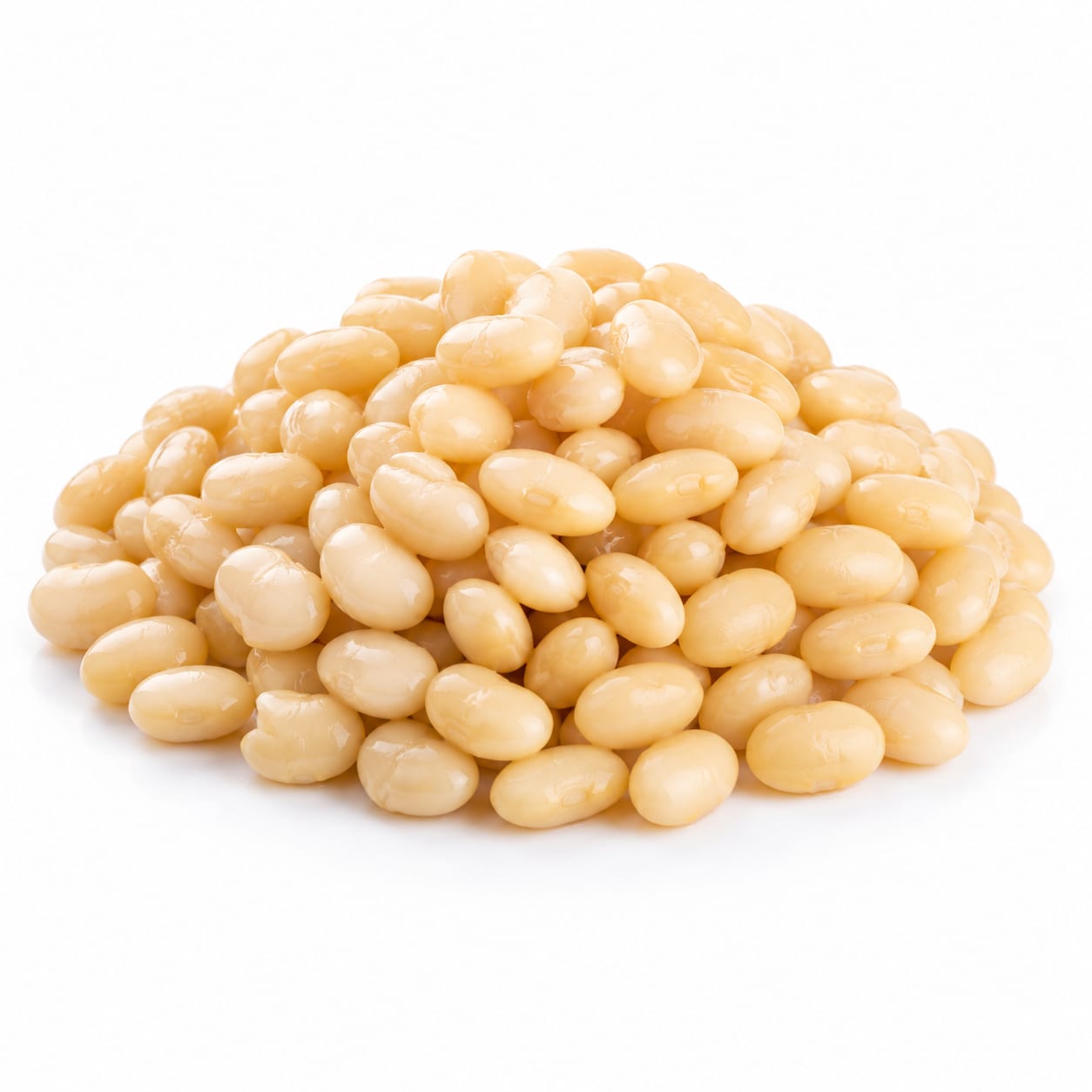
Navy Bean
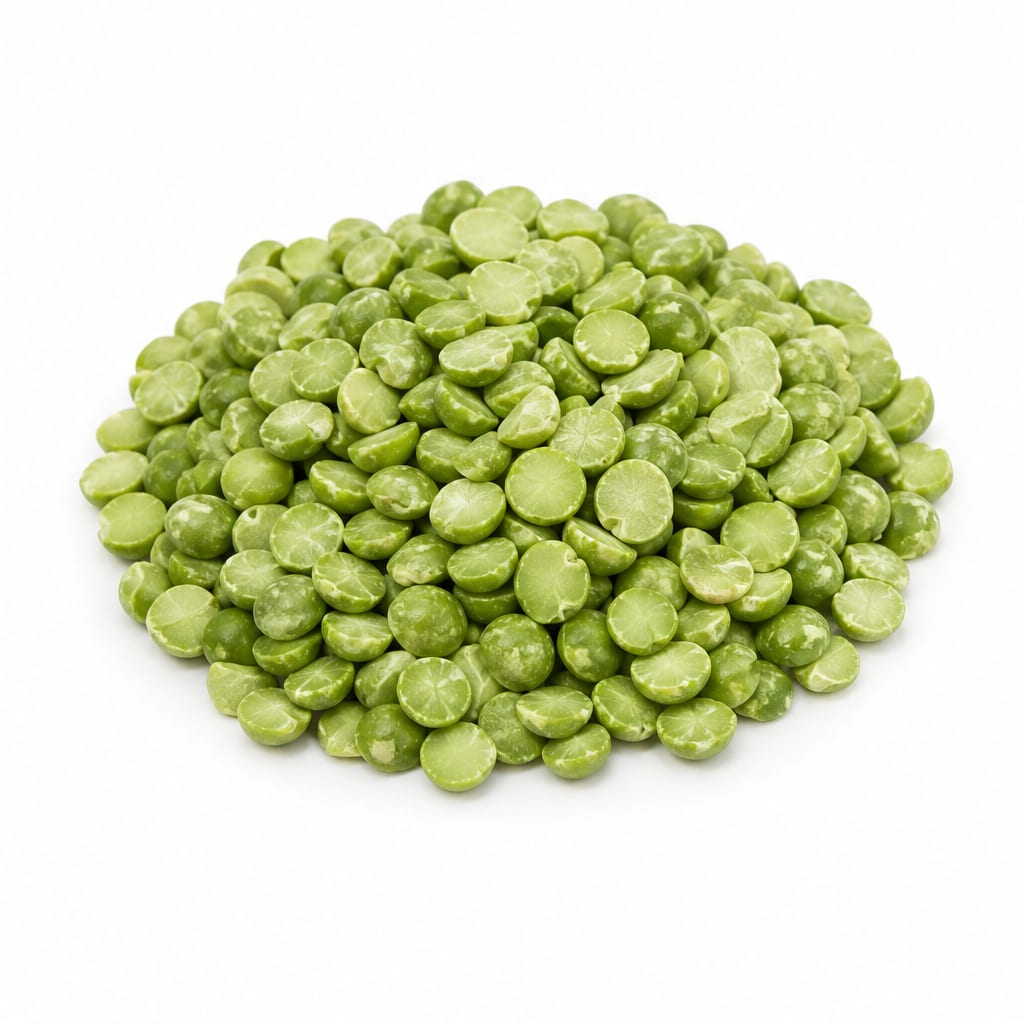
Split Peas
Split peas win on convenience and slightly higher protein per calorie; navy beans edge ahead on fiber density and mineral content. Both are exceptional legume choices.
Split peas score slightly higher due to cooking convenience and marginally better protein density, but navy beans remain nutritionally competitive with superior fiber and folate
Split peas cook faster without soaking, while navy beans deliver more fiber and folate per serving but require more planning
At a glance
Executive summary
Overall
It depends
Healthier
It depends
More practical
Split Peas
Daily use
Split Peas
Key comparison lenses
fiber and digestive health comparison
Both are fiber powerhouses, but the type and effect differ enough to matter for gut health and regularity
cooking convenience and weeknight practicality
Split peas skip the soaking step entirely, which is a major real-world advantage for busy households
blood sugar management
Both are low-glycemic legumes, but subtle differences in starch profile affect glucose response
protein quality for plant-based diets
Users comparing these are often vegetarians optimizing protein intake from legumes
digestive tolerance and gas production
Both cause bloating in sensitive people, but the intensity and type differ
Best choice for
Navy Bean
- People maximizing fiber intake for gut health
- Anyone needing more folate in their diet
- Meal preppers who soak beans on weekends
- Those wanting steadier, longer-lasting fullness
Split Peas
- Busy cooks who need dinner ready in under an hour
- Plant-based eaters optimizing protein per calorie
- People new to cooking legumes from scratch
- Anyone making quick comforting soups on weeknights
Least suitable for
Navy Bean
- People with severe IBS who react to oligosaccharides
- Last-minute cooks with no time for soaking
- Anyone sensitive to higher fiber loads
Split Peas
- People who find pea flavor overpowering
- Those wanting a bean texture for salads or bowls
- Anyone specifically needing the extra folate navy beans provide
Deep comparison
Dimension by dimension
Each lens scores both foods and breaks down who each option suits.
- Dimension 1 · Priority 92Navy Bean
fiber content and digestive health
Navy Bean · 93Split Peas · 86Navy beans deliver roughly 19g fiber per cooked cup versus 16g in split peas, making them one of the highest-fiber foods available
Tradeoff
That extra fiber means more gas potential for unaccustomed digestive systems, while split peas offer a slightly gentler entry point
Why it matters
Higher fiber correlates with lower heart disease risk, better blood sugar control, and healthier gut bacteria over time
Real-world impact
A navy bean lunch keeps you fuller deeper into the afternoon, while split pea soup satisfies without feeling heavy
Navy Bean
- Chronic constipation relief
- Gut microbiome diversity
- Cholesterol lowering
Better for
- Sudden fiber increase causes gas and cramping
- Can feel overly filling for small appetites
Worse for
Split Peas
- Easier transition to high-fiber eating
- Less bloating for sensitive stomachs
- Still excellent fiber with less intensity
Better for
- Slightly less effective for severe constipation
- Lower total fiber per serving
Worse for
- Dimension 2 · Priority 88Split Peas
cooking convenience and practicality
Navy Bean · 55Split Peas · 88Split peas cook in 30-45 minutes without soaking; navy beans need overnight soaking plus 60-90 minutes of cooking
Tradeoff
Navy beans reward patience with a creamier texture that holds shape in salads, while split peas break down into a naturally thick puree
Why it matters
The soaking barrier is the number one reason people abandon cooking dried legumes at home
Real-world impact
Split pea soup is a realistic Tuesday night dinner; navy beans require Sunday meal prep planning
Navy Bean
- Recipes where you want intact beans like salads or bowls
- Batch cooking for the whole week
Better for
- Forgetting to soak means no navy beans that day
- Longer cooking uses more energy
Worse for
Split Peas
- Same-day cooking decisions
- Beginners intimidated by bean preparation
- Thick, comforting soups and stews
Better for
- Cannot make bean salads or distinct-textured dishes
- Breaks down too much for some recipes
Worse for
- Dimension 3 · Priority 85Navy Bean
blood sugar stability
Navy Bean · 90Split Peas · 85Both are low-glycemic, but navy beans have a slightly lower glycemic load per serving due to higher fiber slowing glucose absorption
Tradeoff
The difference is modest and unlikely to matter unless you are actively managing diabetes with precise glucose monitoring
Why it matters
Steadier blood sugar means fewer energy crashes and reduced cravings between meals
Real-world impact
After a navy bean meal, you are less likely to reach for a snack two hours later
Navy Bean
- Type 2 diabetes management
- Preventing afternoon energy crashes
- Reducing insulin spikes
Better for
- Large portions can still spike blood sugar if eaten alone
Worse for
Split Peas
- Still excellent for blood sugar compared to most foods
- Easier to eat regularly, which compounds benefits
Better for
- Slightly faster starch digestion means marginally quicker glucose rise
Worse for
- Dimension 4 · Priority 80Split Peas
protein density and quality
Navy Bean · 78Split Peas · 83Split peas provide slightly more protein per calorie with about 16g per cooked cup versus 15g in navy beans, and their amino acid profile is marginally more complete
Tradeoff
Neither is a complete protein alone, so both need pairing with grains for optimal amino acid balance
Why it matters
For plant-based eaters, every gram of protein per calorie counts toward meeting daily targets
Real-world impact
A bowl of split pea soup with a slice of whole grain bread hits protein goals more efficiently than the same with navy beans
Navy Bean
- Still a strong protein source for plant-based meals
- Pairs well with rice for complete protein
Better for
- Slightly less protein-efficient
- Needs more careful pairing for amino acid completeness
Worse for
Split Peas
- More protein per calorie for lean bulking
- Slightly better amino acid balance
- Pairs naturally with ham or barley for classic combos
Better for
- Difference is small enough to rarely matter in practice
Worse for
- Dimension 5 · Priority 75Navy Bean
mineral and micronutrient density
Navy Bean · 86Split Peas · 78Navy beans are notably richer in folate, phosphorus, and copper, while split peas offer more potassium and slightly more iron
Tradeoff
Navy beans are particularly valuable during pregnancy due to folate content, while split peas better support electrolyte balance
Why it matters
Micronutrient gaps accumulate over time, and legumes are a primary mineral source in plant-forward diets
Real-world impact
Regular navy bean consumption better supports prenatal nutrition needs; split peas help more with post-workout electrolyte recovery
Navy Bean
- Prenatal nutrition and folate needs
- Bone health via phosphorus
- Copper for iron absorption and energy
Better for
- Lower potassium than split peas
- Less iron per serving
Worse for
Split Peas
- Potassium for blood pressure regulation
- Iron for energy and athletic performance
- Magnesium for muscle recovery
Better for
- Significantly less folate
- Lower copper and phosphorus
Worse for
- Dimension 6 · Priority 78Split Peas
digestive tolerance and gas production
Navy Bean · 62Split Peas · 72Both produce gas due to oligosaccharides, but navy beans tend to cause more bloating in sensitive people due to higher fiber and resistant starch
Tradeoff
The gas-producing compounds are actually feeding beneficial gut bacteria, so discomfort is a sign of microbiome nourishment
Why it matters
Social embarrassment and physical discomfort deter people from eating legumes regularly, even though tolerance builds over time
Real-world impact
Split peas are a gentler introduction to legumes for people who have avoided them; navy beans may require a gradual ramp-up
Navy Bean
- Maximum prebiotic effect for gut bacteria
- Long-term microbiome benefits with consistent consumption
Better for
- More likely to cause bloating and flatulence
- Longer adjustment period for new legume eaters
Worse for
Split Peas
- Less dramatic gas response
- Easier for legume beginners
- Milder digestive adjustment period
Better for
- Still causes gas, just somewhat less
- Not gas-free by any means
Worse for
Timeline
Health impact over time
Short-term
Hours to days
Navy Bean
- Strong satiety that reduces snacking for hours
- Potential bloating and gas if unaccustomed to high fiber
- Steady energy without blood sugar spikes
Split Peas
- Comforting, warming fullness especially as soup
- Milder digestive adjustment than navy beans
- Quick satisfaction from faster cooking time
Long-term
Months to years
Navy Bean
- Improved cholesterol levels from exceptional fiber intake
- Better gut microbiome diversity from prebiotic resistant starch
- Reduced heart disease risk with regular consumption
- Lower colon cancer risk from high fiber
Split Peas
- Sustained blood pressure improvement from potassium
- Consistent protein intake supporting muscle maintenance
- Easy long-term habit formation due to cooking convenience
- Similar cardiovascular benefits to navy beans
Risk profile
Safety & processing
Both are dried whole foods with minimal processing. Split peas are simply dried peas split in half to speed cooking; navy beans are dried mature beans. Neither contains additives in their basic dried form.
Navy Bean
Undercooking toxicity
mediumRaw or undercooked navy beans contain phytohaemagglutinin, a lectin that can cause nausea and vomiting. Always cook thoroughly to boiling temperature.
Pesticide residue on conventional crops
lowBeans are generally low in pesticide residue compared to produce, but organic options further reduce exposure
Split Peas
Pesticide residue on conventional crops
lowSimilar to navy beans, split peas are relatively low-risk for pesticides, but conventional farming uses more than organic
Mycotoxin contamination in poor storage
lowDried peas stored in humid conditions can develop mold; always inspect for discoloration before cooking
Who wins for whom
Audience fit
Same foods, different winners depending on your goal.
children
Split PeasMilder flavor and smoother texture when cooked make split peas more appealing to kids, especially as soup
daily consumption
Split PeasCooking convenience makes daily or near-daily consumption realistic, while navy beans require more planning
diabetes
Navy BeanLower glycemic load and higher fiber slow glucose absorption more effectively, providing steadier blood sugar
elderly
Split PeasEasier to digest, softer texture when cooked, and higher potassium supports blood pressure management common in older adults
muscle gain
Split PeasSlightly more protein per calorie and easier to eat in larger quantities due to faster cooking and milder digestion
weight loss
Navy BeanHigher fiber per calorie means greater satiety with fewer calories consumed, reducing overall intake more effectively
Your move
Decision guide
Choose Navy Bean
- You meal prep on weekends and want maximum nutritional return
- Digestive regularity is your top priority
- You are pregnant or trying to conceive and need extra folate
- You enjoy bean salads, grain bowls, or dishes where beans hold their shape
Choose Split Peas
- You want a comforting legume that cooks on weeknights without soaking
- You are new to cooking dried legumes from scratch
- You prefer smooth, thick soups and stews
- You want slightly more protein per calorie in your plant-based meals
Either works if
- You are simply trying to eat more legumes for heart health
- You alternate between both for variety and nutrient diversity
- You are managing cholesterol and want plant-based fiber sources
Avoid both if
- You have severe IBS and have not yet tolerated legumes even in small amounts
- You are on a very low-fiber diet for a medical procedure
- You have a legume allergy (rare but serious)
Final recommendation
Keep both in your pantry. Split peas are your weeknight workhorse for quick soups, while navy beans are your weekend batch-cook for maximum fiber and folate. Variety between the two gives you broader mineral coverage and prevents meal fatigue. If you must pick one, split peas win on sustainability because you will actually cook them regularly.
Practical
Consumer tips
- 1
Rinse both thoroughly before cooking to reduce gas-causing compounds and remove debris
- 2
Soak navy beans overnight and discard the soaking water to significantly reduce oligosaccharides and bloating
- 3
Add a strip of kombu seaweed when cooking either legume to further reduce gas production
- 4
Start with small portions of either legume and gradually increase over two weeks to build digestive tolerance
- 5
Cook a large batch of navy beans on Sunday and freeze in portions for instant weeknight use
- 6
Split pea soup thickens as it sits, making leftovers even better the next day
- 7
Pair either legume with a vitamin C source like bell peppers or tomatoes to boost iron absorption by up to 6 times
- 8
Buy organic dried legumes when possible to avoid pesticide residues and support sustainable farming