
Nutrition comparison
Navy Beans vs Pinto Beans: Nutrition, Fiber, and Which to Choose
Navy beans offer more fiber and minerals per calorie, while pinto beans win on flavor versatility. Compare nutrition, health benefits, and best uses for each.
Overall winner · Navy Bean
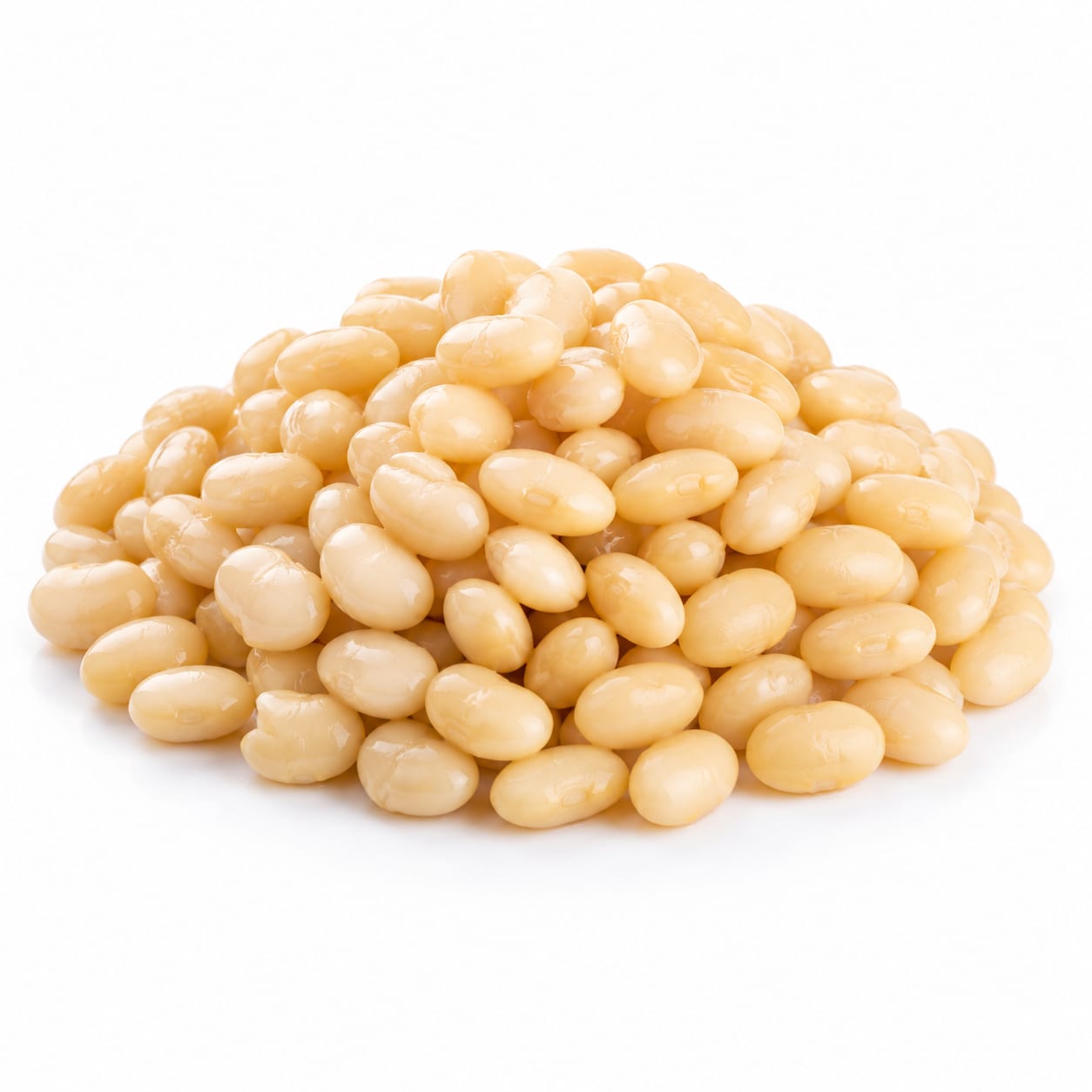
Navy Bean
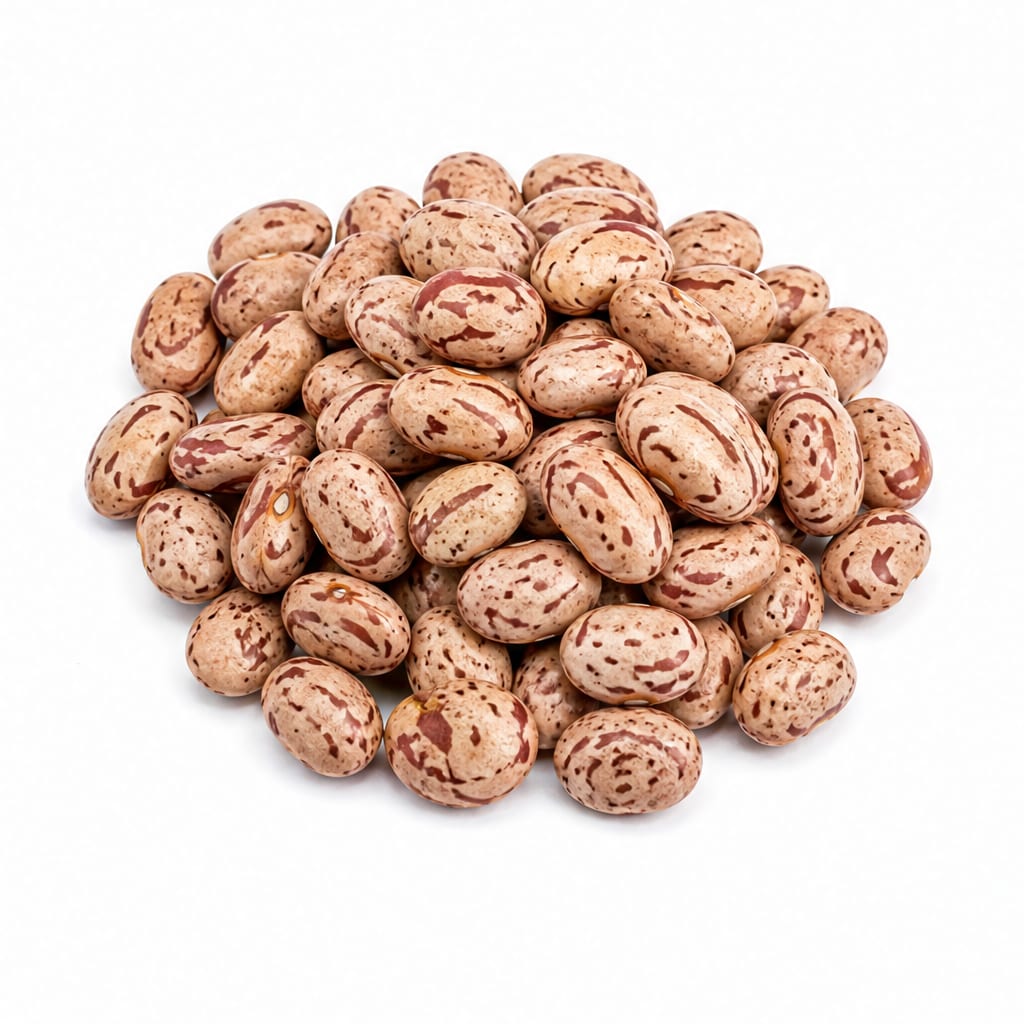
Pinto Beans
Navy beans edge out pinto beans on pure nutrition—especially fiber and mineral density—but pinto beans win on flavor versatility and everyday meal integration.
Navy beans score higher due to superior fiber, iron, and calorie efficiency. Pinto beans remain nutritionally strong but fall behind on density metrics. The gap is moderate—both are excellent choices.
Maximum nutritional density versus easier incorporation into familiar, satisfying meals.
At a glance
Executive summary
Overall
Navy Bean
Healthier
Navy Bean
More practical
Pinto Beans
Daily use
It depends
Key comparison lenses
fiber and digestive health superiority
Navy beans are among the highest-fiber foods available, making this the most impactful nutritional difference
blood sugar management
Both are low-glycemic but fiber differences meaningfully affect glucose response
weight loss and satiety
Calorie-per-satiety ratio differs enough to influence weight management decisions
heart health and cholesterol
Soluble fiber content directly impacts LDL cholesterol reduction
culinary versatility and meal integration
Pinto beans dominate in everyday cooking like tacos and burritos, affecting real-world adherence
Best choice for
Navy Bean
- People targeting high fiber intake or cholesterol reduction
- Anyone counting calories who wants maximum fullness per serving
- Those managing blood sugar or insulin resistance
- Meal preppers making soups and stews in bulk
Pinto Beans
- Families wanting beans that disappear into everyday meals
- Anyone transitioning to more plant-based eating who needs approachable flavors
- Tex-Mex and Mexican cuisine lovers
- People who find bland food demotivating and need flavor to stay consistent
Least suitable for
Navy Bean
- Those who find plain flavors unsustainable long-term
- People sensitive to very high fiber intake who need gradual introduction
- Anyone wanting quick refried beans or mash-friendly texture
Pinto Beans
- Those strictly minimizing calorie intake per serving
- People needing the absolute highest fiber per cup
- Anyone avoiding even slightly higher fat content in traditional preparations
Deep comparison
Dimension by dimension
Each lens scores both foods and breaks down who each option suits.
- Dimension 1 · Priority 95Navy Bean
Fiber & Digestive Health
Navy Bean · 94Pinto Beans · 76Navy beans deliver roughly 19g fiber per cooked cup versus pinto's 15g—a meaningful difference for digestion and fullness.
Tradeoff
That extra fiber can cause bloating if you ramp up too fast. Pinto beans are gentler for people adjusting to higher fiber intake.
Why it matters
Fiber is the nutrient most people lack, and the gap here is large enough to move the needle on satiety, cholesterol, and gut health.
Real-world impact
A cup of navy beans at lunch keeps you fuller longer and supports more regular digestion than the same portion of pinto beans.
Navy Bean
- Cholesterol reduction
- Gut microbiome diversity
- Constipation relief
- Sustained fullness between meals
Better for
- Sudden fiber increases can cause gas and discomfort
Worse for
Pinto Beans
- Easier transition for low-fiber diets
- Less bloating risk when first adding beans
Better for
- May not provide enough fiber if that is your primary nutritional target
Worse for
- Dimension 2 · Priority 90Navy Bean
Blood Sugar Stability
Navy Bean · 88Pinto Beans · 82Both beans are excellent for blood sugar, but navy beans' higher fiber slows glucose absorption more effectively.
Tradeoff
The difference is modest. Both outperform nearly all grain-based carb sources by a wide margin.
Why it matters
For anyone with prediabetes or insulin resistance, every incremental improvement in glucose response counts.
Real-world impact
After a navy bean meal, you are less likely to experience that 2 PM energy dip compared to the same portion of pinto beans.
Navy Bean
- Insulin-resistant individuals
- Type 2 diabetes management
- Steady afternoon energy
Better for
- Portion size still matters—overeating any bean can spike blood sugar
Worse for
Pinto Beans
- Still a strong choice—far better than rice or bread
Better for
- Slightly faster glucose rise due to lower fiber
Worse for
- Dimension 3 · Priority 85Navy Bean
Calorie Efficiency & Satiety
Navy Bean · 86Pinto Beans · 74Navy beans provide roughly 225 calories per cooked cup versus pinto's 245, with more fiber and protein filling you up for fewer calories.
Tradeoff
The calorie gap is small per cup but compounds over weeks of daily consumption.
Why it matters
When eating for weight loss, getting more fullness per calorie is the game.
Real-world impact
Swapping pinto for navy beans in your daily lunch saves about 140 calories per week without eating less food.
Navy Bean
- Calorie-conscious eaters
- Weight loss phases
- Volume eating strategies
Better for
- May feel too light for very active people needing energy density
Worse for
Pinto Beans
- Active individuals who do not need to minimize calories
Better for
- Extra calories add up if you are not tracking intake
Worse for
- Dimension 4 · Priority 75Pinto Beans
Antioxidant Content
Navy Bean · 62Pinto Beans · 80Pinto beans' darker pigmentation signals more anthocyanins and phenolic compounds than pale navy beans.
Tradeoff
Navy beans compensate with higher mineral content, so the antioxidant gap does not make pinto beans universally healthier.
Why it matters
Antioxidants from food reduce oxidative stress and inflammation over time, especially when eaten consistently.
Real-world impact
Regular pinto bean consumption may offer slightly better long-term cellular protection, though both beans outperform most other staples.
Navy Bean
- Still contains meaningful antioxidants—just fewer
Better for
- Less phenolic diversity compared to darker-pigmented beans
Worse for
Pinto Beans
- Long-term anti-inflammatory benefits
- Cellular aging support
- Chronic disease risk reduction
Better for
- Antioxidant advantage is modest and should not override fiber and mineral considerations
Worse for
- Dimension 5 · Priority 85Pinto Beans
Culinary Versatility & Enjoyment
Navy Bean · 65Pinto Beans · 88Pinto beans mash beautifully, absorb seasonings well, and are the backbone of beloved dishes like refried beans and burrito bowls.
Tradeoff
Navy beans shine in soups and baked beans but feel limited outside those contexts for most home cooks.
Why it matters
The healthiest food only works if you actually eat it consistently. Flavor and versatility drive adherence.
Real-world impact
A household that makes tacos twice a week will effortlessly eat pinto beans regularly. Navy beans require more deliberate meal planning.
Navy Bean
- Hearty soups and stews
- Classic baked bean dishes
- White bean dips and spreads
Better for
- Limited appeal in quick everyday meals
- Can feel bland without effort
Worse for
Pinto Beans
- Refried beans and bean dips
- Tacos, burritos, enchiladas
- Chili and tamale fillings
- Side dishes that pair with bold seasonings
Better for
- Traditional refried preparations often add significant fat and sodium
Worse for
- Dimension 6 · Priority 90Navy Bean
Heart Health & Cholesterol
Navy Bean · 90Pinto Beans · 82Navy beans provide more soluble fiber, the specific type that binds cholesterol in the gut and removes it from the body.
Tradeoff
Both support heart health far better than animal protein sources. The difference is incremental, not categorical.
Why it matters
Soluble fiber is one of the most proven dietary interventions for lowering LDL cholesterol.
Real-world impact
Eating navy beans daily for four weeks can reduce LDL cholesterol by 5-10% in some studies, slightly outperforming pinto beans.
Navy Bean
- LDL cholesterol reduction
- Blood pressure support via higher potassium and magnesium
- Overall cardiovascular risk reduction
Better for
- Benefits require consistent daily intake, not occasional consumption
Worse for
Pinto Beans
- Still heart-healthy—just less potent for cholesterol specifically
Better for
- Less soluble fiber means slightly less cholesterol-lowering power
Worse for
- Dimension 7 · Priority 70Navy Bean
Mineral Density
Navy Bean · 84Pinto Beans · 76Navy beans deliver more iron, magnesium, and folate per cup, making them a stronger mineral source overall.
Tradeoff
Pinto beans offer slightly more potassium, which matters for blood pressure regulation.
Why it matters
Mineral deficiencies—especially iron and magnesium—are common and quietly drain energy and sleep quality.
Real-world impact
Choosing navy beans helps close common nutrient gaps, particularly for women who need more iron.
Navy Bean
- Iron deficiency prevention
- Folate intake for pregnancy support
- Magnesium for sleep and muscle recovery
Better for
- Non-heme iron absorption is low without vitamin C pairing
Worse for
Pinto Beans
- Potassium for blood pressure management
Better for
- Less iron and folate per serving
Worse for
Timeline
Health impact over time
Short-term
Hours to days
Navy Bean
- High satiety from dense fiber keeps hunger away for hours
- Can cause gas and bloating if introduced too quickly
- Steady energy without crashes after meals
Pinto Beans
- Comforting and satisfying, especially in seasoned dishes
- Slightly gentler on digestion for people new to beans
- May trigger overeating when prepared as refried beans with added fat
Long-term
Months to years
Navy Bean
- Lower LDL cholesterol with consistent intake
- Improved gut microbiome diversity from high resistant starch
- Better blood sugar control reducing diabetes risk over years
Pinto Beans
- Meaningful antioxidant intake supporting cellular health
- Consistent potassium intake helping maintain healthy blood pressure
- Easy long-term adherence due to culinary flexibility
Risk profile
Safety & processing
Both navy beans and pinto beans are whole, minimally processed foods when bought dried or canned without additives. Watch for sodium in canned versions of either—always rinse before using.
Navy Bean
Phytohemagglutinin toxicity from undercooking
mediumLike all kidney bean relatives, raw or undercooked navy beans contain lectins that can cause nausea and vomiting. Thorough cooking eliminates this risk entirely.
Canned sodium content
mediumCanned navy beans often contain 400-600mg sodium per serving. Rinsing removes about 40% of added sodium.
Pinto Beans
Phytohemagglutinin toxicity from undercooking
mediumSame lectin concern as navy beans. Always cook thoroughly, especially when preparing from dried.
Added fat in refried preparations
mediumTraditional refried pinto beans are cooked with lard or oil, adding significant saturated fat and calories. Choose vegetarian or make your own.
Canned sodium content
mediumCanned pinto beans carry similar sodium concerns as navy beans. Rinsing is essential.
Who wins for whom
Audience fit
Same foods, different winners depending on your goal.
children
Pinto BeansMilder flavor and softer texture when mashed make pinto beans more appealing to kids, especially in familiar dishes like quesadillas or bean dips.
daily consumption
It dependsNavy beans win on nutrition, but pinto beans win on sustainability of habit. The best choice is whichever you will actually eat every day.
diabetes
Navy BeanHigher soluble fiber slows glucose absorption more effectively, giving navy beans a meaningful edge for blood sugar management.
elderly
Navy BeanHigher folate, iron, and fiber address common elderly nutrient gaps, and the softer cooked texture is easy to chew and digest.
muscle gain
Navy BeanSlightly higher protein content per serving, though both require pairing with grains or other proteins for complete amino acid profiles.
weight loss
Navy BeanMore fiber and protein per calorie means greater fullness on fewer calories, which is the core mechanism for sustainable weight loss.
Your move
Decision guide
Choose Navy Bean
- You want maximum nutritional return per calorie eaten
- Lowering cholesterol or managing blood sugar is a priority
- You meal-prep soups, stews, or grain bowls where navy beans blend in easily
- You are tracking macros and want the highest fiber and protein per serving
Choose Pinto Beans
- You cook a lot of Mexican or Tex-Mex food and want beans that fit naturally
- Flavor and enjoyment are make-or-break for your dietary consistency
- You are feeding kids or picky eaters who need familiar textures
- You want beans that mash easily for dips, spreads, and fillings
Either works if
- You are already eating a bean-rich diet and just want variety
- You rotate between soups and tacos throughout the week
- Both are available dried or low-sodium canned at your store
Avoid both if
- You have severe legume allergies
- You are in an acute gout flare and need to limit purines temporarily
- You are unprepared to cook dried beans thoroughly and cannot find low-sodium canned options
Final recommendation
Keep both in your pantry. Use navy beans when nutrition is the top priority—especially in soups and meal-prep bowls. Use pinto beans when you need flavor and ease to stay consistent. The best bean is the one you will actually eat regularly.
Practical
Consumer tips
- 1
Buy dried beans when possible—they are cheaper, lower in sodium, and have better texture after cooking
- 2
Rinse canned beans thoroughly to remove about 40% of added sodium
- 3
Soak dried beans for 8-12 hours before cooking to reduce gas-causing oligosaccharides
- 4
Add a piece of kombu seaweed while cooking to further improve digestibility
- 5
Pair either bean with vitamin C-rich foods like bell peppers or tomatoes to boost iron absorption by up to 6x
- 6
Freeze cooked beans in portioned bags—they thaw quickly and eliminate the long cooking time barrier
- 7
Season navy beans aggressively with smoked paprika, cumin, or rosemary to overcome their mild flavor
- 8
Make refried pinto beans at home with olive oil instead of lard to keep the heart-health benefits intact