
Nutrition comparison
Navy Beans vs Kidney Beans: Nutrition, Safety, and Health Comparison
Compare Navy Beans vs Kidney Beans for fiber, antioxidants, and safety. Learn which bean is better for weight loss, digestion, and daily meals.
Overall winner · Navy Bean
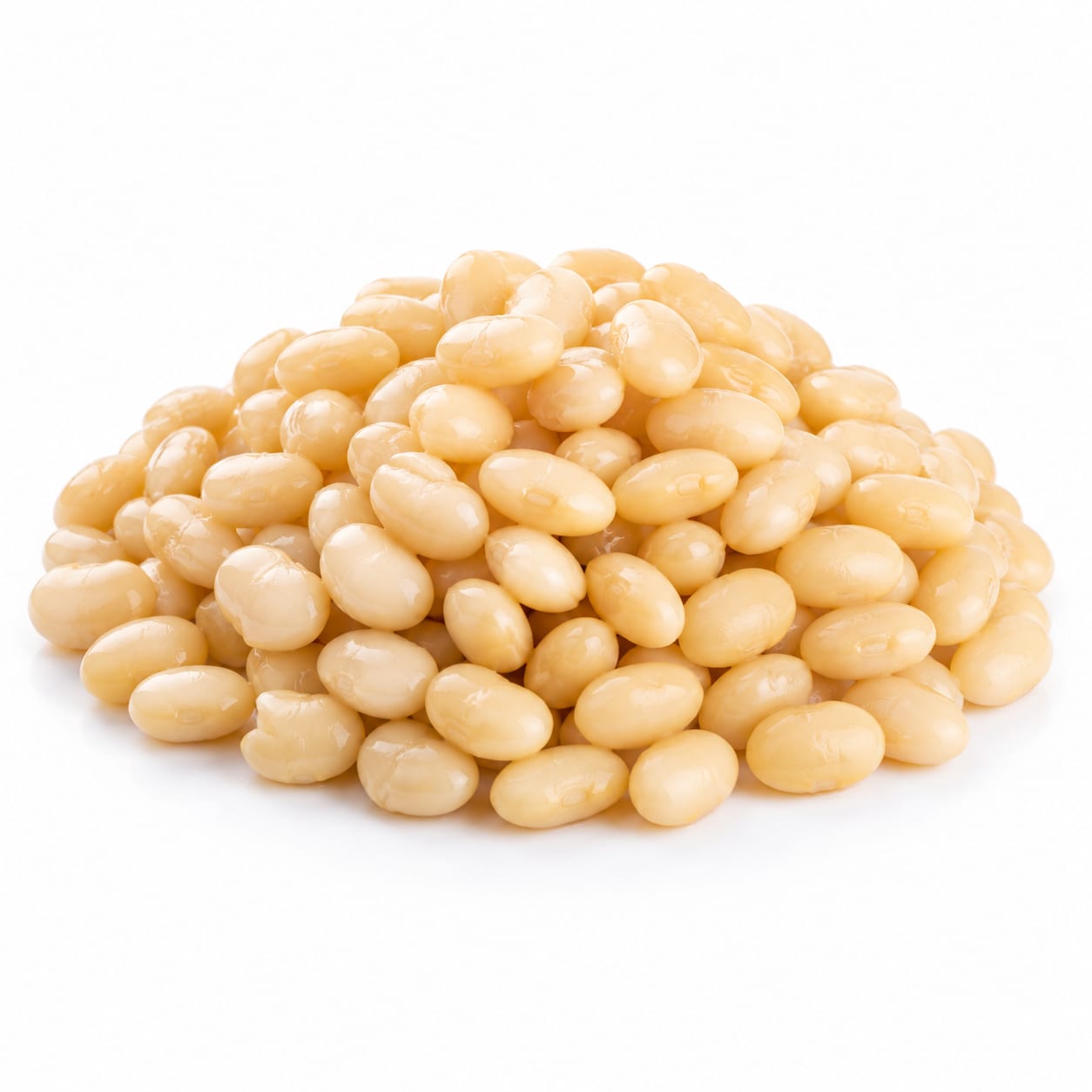
Navy Bean
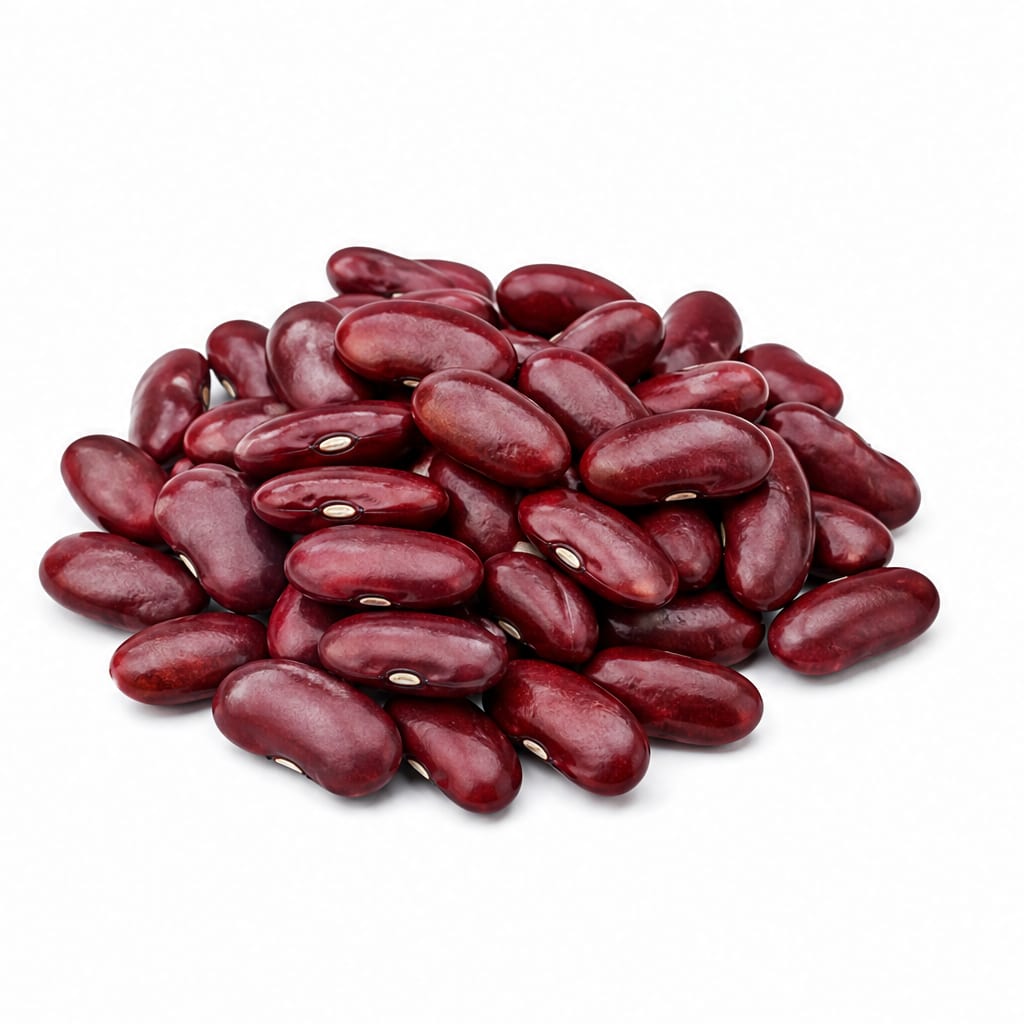
Kidney Beans
Navy Beans win for overall health and safety, offering unmatched fiber and easier preparation, while Kidney Beans provide superior antioxidants and a meatier texture for hearty dishes.
Navy Beans score higher due to exceptional fiber content and a safer cooking profile. Kidney Beans remain excellent but carry a specific undercooking risk and slightly less digestive benefit.
Maximum fiber and safety versus deeper antioxidant protection and culinary robustness.
At a glance
Executive summary
Overall
Navy Bean
Healthier
Navy Bean
More practical
Navy Bean
Daily use
Navy Bean
Key comparison lenses
Fiber and digestive health
Navy Beans are among the highest-fiber foods available, making digestive impact a primary differentiator
Safety and preparation risk
Kidney Beans contain high levels of a toxic lectin if undercooked, a unique and serious safety concern
Blood sugar management
Both are staple carbs for diabetics, but fiber differences alter their glycemic impact
Antioxidant profile
The dark red color of Kidney Beans indicates unique antioxidants not present in white Navy Beans
Best choice for
Navy Bean
- People prioritizing digestive regularity
- Anyone managing blood sugar spikes
- Slow cooker and meal prep enthusiasts
Kidney Beans
- Those seeking antioxidant variety
- Chili and stew lovers needing structural integrity
- Anyone wanting a heartier, meat-like bite
Least suitable for
Navy Bean
- People who dislike mushy textures in soups
Kidney Beans
- Impatient cooks who skip boiling steps
- People with severe IBS reacting to lectins
Deep comparison
Dimension by dimension
Each lens scores both foods and breaks down who each option suits.
- Dimension 1 · Priority 95Navy Bean
Fiber and Digestive Health
Navy Bean · 98Kidney Beans · 80Navy Beans are a fiber powerhouse, delivering significantly more roughage per serving than Kidney Beans.
Tradeoff
You get unmatched fullness and gut support with Navy Beans, but they break down faster in soups.
Why it matters
Higher fiber means steadier energy, better blood sugar control, and easier daily bathroom trips.
Real-world impact
A serving of Navy Beans keeps you full hours longer and prevents the afternoon energy crash better than almost any other bean.
Navy Bean
- Constipation relief
- Gut microbiome feeding
- Satiety between meals
Better for
- Dishes where you need the bean to stay completely intact
Worse for
Kidney Beans
- Maintaining texture in leftovers
Better for
- Maximizing daily fiber goals easily
Worse for
- Dimension 2 · Priority 80Kidney Beans
Antioxidant Power
Navy Bean · 55Kidney Beans · 90Kidney Beans win on antioxidants thanks to their dark red skin, which packs potent anthocyanins.
Tradeoff
You gain cellular protection and anti-inflammatory benefits with Kidney Beans, but sacrifice a bit of digestive fiber.
Why it matters
Antioxidants combat daily wear and tear on cells, supporting long-term heart and brain health.
Real-world impact
Eating Kidney Beans regularly is like adding a shield against cellular aging, similar to eating berries but in a savory dish.
Navy Bean
- Lighter colored dishes where you don't want color bleeding
Better for
- Getting a broad spectrum of antioxidants
Worse for
Kidney Beans
- Fighting inflammation
- Adding color variety to your diet
Better for
- White bean purées or dips
Worse for
- Dimension 3 · Priority 90Navy Bean
Safety and Preparation Risk
Navy Bean · 95Kidney Beans · 60Kidney Beans contain high levels of phytohaemagglutinin, a toxic lectin that causes severe food poisoning if not boiled vigorously.
Tradeoff
Navy Beans are far more forgiving to cook, while Kidney Beans demand strict preparation to be safe.
Why it matters
Undercooked Kidney Beans can cause extreme nausea and vomiting within hours, making them uniquely dangerous among common beans.
Real-world impact
Tossing raw Kidney Beans into a slow cooker is a common mistake that can ruin your day with food poisoning symptoms.
Navy Bean
- Slow cooker recipes
- Quick soaking methods
- Worry-free meal prep
Better for
- Dishes where you want a firm, distinct bean shape after long cooking
Worse for
Kidney Beans
- Situations requiring a firmer bean that holds up to vigorous boiling
Better for
- Casual cooking
- Canned bean rinsing shortcuts
Worse for
- Dimension 4 · Priority 85Navy Bean
Blood Sugar Stability
Navy Bean · 92Kidney Beans · 85Both beans are excellent for blood sugar, but Navy Beans have a slight edge due to their higher fiber content slowing glucose absorption.
Tradeoff
Navy Beans offer marginally better glucose control, though both are top-tier choices compared to grains.
Why it matters
Slower carbohydrate absorption prevents insulin spikes and the sluggish feeling that follows.
Real-world impact
Replacing rice with either bean stabilizes your energy, but Navy Beans might keep you from reaching for a snack an hour sooner.
Navy Bean
- Diabetics seeking maximum glucose control
- Reducing sugar cravings
Better for
- Immediate post-workout glycogen replenishment
Worse for
Kidney Beans
- Post-workout meals needing slightly faster carb access
Better for
- Strict diabetes management
Worse for
Timeline
Health impact over time
Short-term
Hours to days
Navy Bean
- Highly filling, reduces snacking urge
- May cause mild gas if introduced too quickly to the diet
Kidney Beans
- Provides sustained energy without a crash
- Risk of severe nausea and vomiting if undercooked
Long-term
Months to years
Navy Bean
- Excellent for colon health and regularity
- Supports healthy cholesterol levels
Kidney Beans
- Strong cellular protection from antioxidants
- Supports cardiovascular health
Risk profile
Safety & processing
Both Navy Beans and Kidney Beans are whole, natural foods. Canned versions may contain added sodium, but rinsing eliminates most of it.
Navy Bean
Standard legume lectins
lowNavy Beans contain low levels of lectins that are easily neutralized by normal cooking methods, including slow cooking.
Kidney Beans
Phytohaemagglutinin toxicity
highRaw or undercooked Kidney Beans contain toxic levels of this lectin. Just four or five raw beans can cause extreme vomiting and diarrhea. They must be boiled for at least 10 minutes before slow cooking.
Who wins for whom
Audience fit
Same foods, different winners depending on your goal.
children
Navy BeanNavy Beans are safer to prepare and their softer texture is easier for young children to chew and digest.
daily consumption
Navy BeanEasier to cook safely and slightly better for everyday gut health and regularity.
diabetes
Navy BeanThe extra fiber in Navy Beans slows sugar absorption slightly more, offering better glucose stability.
elderly
Navy BeanSofter texture and superior digestive support make Navy Beans a better fit for aging digestive systems.
muscle gain
It dependsBoth offer nearly identical protein content, making them equally good as plant-based muscle-building staples.
weight loss
Navy BeanNavy Beans provide more fiber per calorie, keeping you fuller longer and making it easier to eat less overall.
Your move
Decision guide
Choose Navy Bean
- You want the safest bean for slow cookers and meal prep
- Digestive regularity and maximum fullness are your top priorities
- You are making a soup, dip, or stew where a creamy texture is desired
Choose Kidney Beans
- You are making chili or a dish where the bean must hold its shape
- You want to boost your antioxidant intake with dark-colored plant foods
- You prefer a firmer, meatier bite in your meals
Either works if
- You simply need a cheap, healthy, plant-based protein source
- You are making a bean salad with canned varieties
Avoid both if
- You have severe FODMAP sensitivities and cannot tolerate high-fiber legumes
Final recommendation
Keep both in your pantry, but default to Navy Beans for daily fiber and safety. Use Kidney Beans when you want a hearty texture and an antioxidant boost, always ensuring they are thoroughly boiled first.
Practical
Consumer tips
- 1
Always boil raw Kidney Beans for at least 10 minutes before adding them to a slow cooker to destroy toxic lectins.
- 2
Rinsing canned beans removes up to 40% of the sodium and helps reduce gas-causing oligosaccharides.
- 3
Navy Beans mash beautifully for thickening soups naturally without dairy or flour.
- 4
Canned Kidney Beans are already fully cooked and safe to eat straight from the can after rinsing.