
Nutrition comparison
Navy Beans vs Great Northern Beans: Nutrition, Fiber, and Cooking Comparison
Navy Beans deliver more fiber and nutrients per calorie, while Great Northern Beans hold their shape better in recipes. Find out which white bean fits your health goals and cooking style.
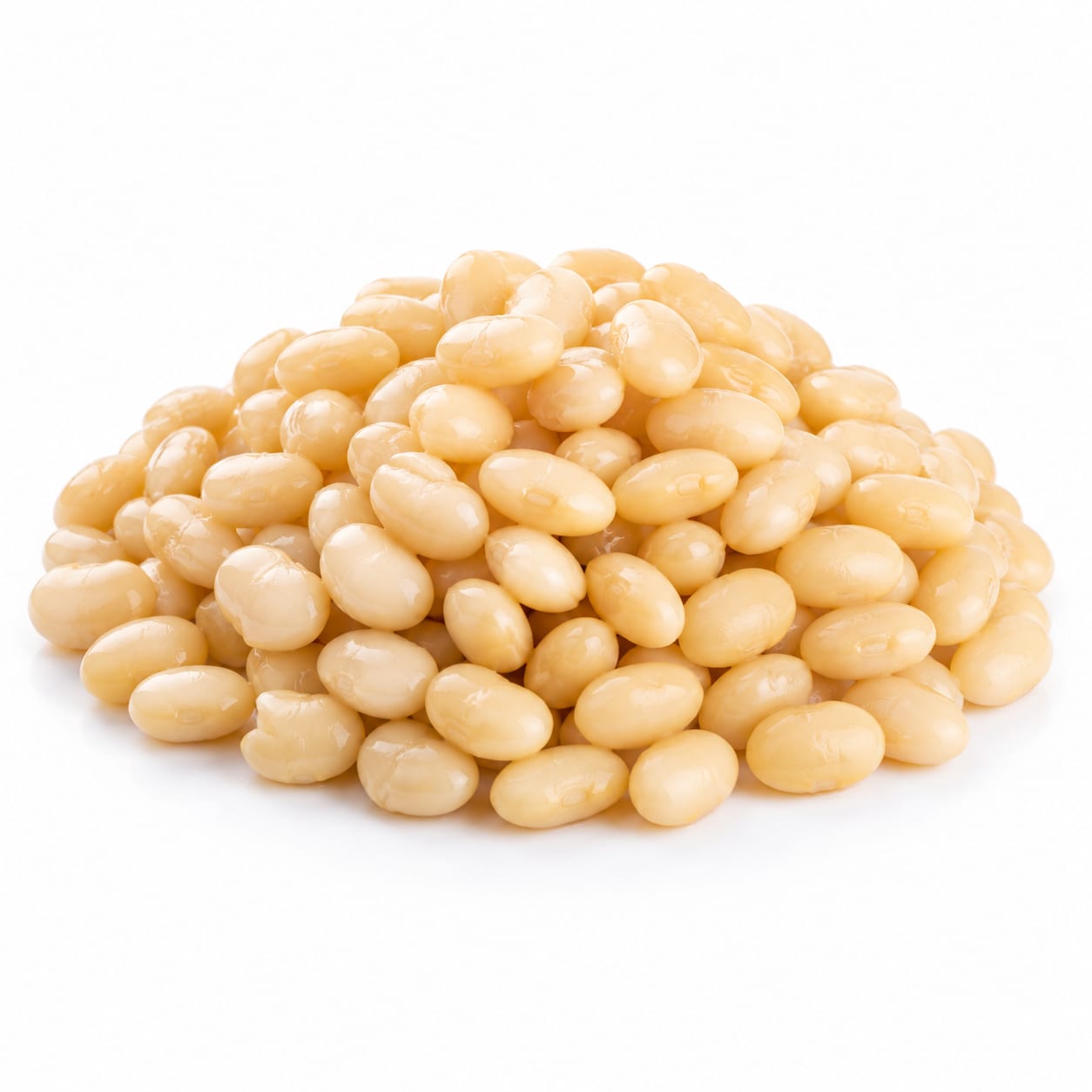
Navy Bean
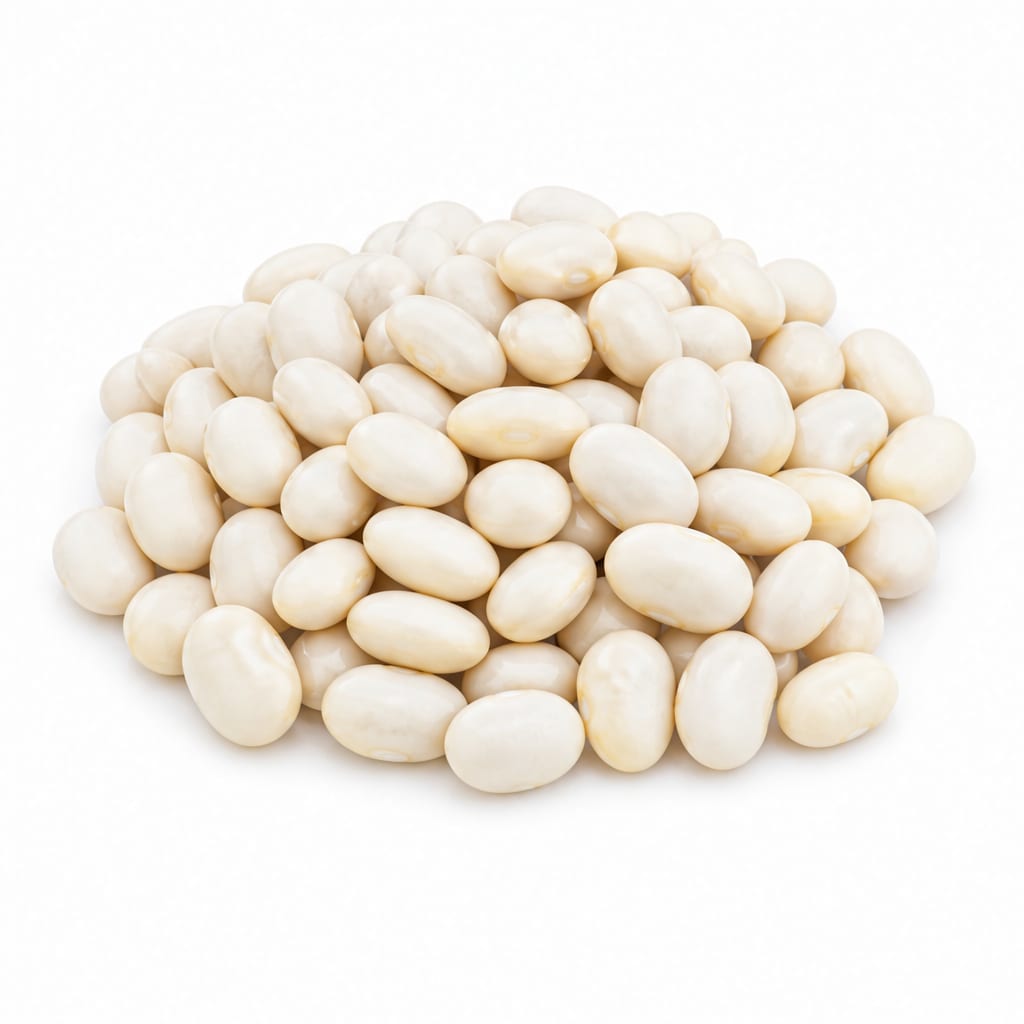
Great Northern Beans
Navy Beans win on raw nutrition, especially fiber. Great Northern Beans win on kitchen versatility and texture. Pick based on what matters more for your plate.
Navy Beans score slightly higher due to superior fiber and mineral density, but Great Northern Beans remain excellent. The gap is small because both are top-tier legumes with nearly identical protein and calorie profiles.
Maximum fiber and nutrient density versus better shape retention and recipe flexibility
At a glance
Executive summary
Overall
It depends
Healthier
Navy Bean
More practical
Great Northern Beans
Daily use
It depends
Key comparison lenses
fiber and digestive health superiority
Navy Beans deliver significantly more fiber per serving, making this the most nutritionally impactful difference between the two
cooking versatility and texture preference
Great Northern Beans hold their shape better, which matters enormously for recipe selection and meal satisfaction
weight management and satiety
Both are excellent but Navy Beans edge ahead with denser nutrition per calorie, keeping you fuller longer
blood sugar stability
Higher fiber in Navy Beans translates to steadier glucose response, relevant for diabetic or insulin-resistant users
everyday practicality and availability
Both are widely available and affordable, with minimal practical difference
Best choice for
Navy Bean
- People prioritizing digestive regularity
- Anyone counting calories who wants maximum fullness
- Diabetics seeking the slowest blood sugar rise
- Baked bean traditionalists
- Budget-conscious meal preppers wanting maximum nutrition per dollar
Great Northern Beans
- Home cooks wanting beans that stay intact in soups and stews
- People who find denser beans too heavy
- Salad and grain bowl builders needing visual appeal
- Those new to legumes who prefer a milder, creamier entry point
- Cassoulet and slow-cook recipe followers
Least suitable for
Navy Bean
- Recipes requiring distinct, intact bean presentation
- People sensitive to very high fiber intake who experience bloating
- Dishes where a lighter texture is preferred
Great Northern Beans
- Maximum fiber supplementation goals
- Those needing the absolute lowest glycemic load
- Traditional baked bean recipes expecting a softer breakdown
Deep comparison
Dimension by dimension
Each lens scores both foods and breaks down who each option suits.
- Dimension 1 · Priority 95Navy Bean
fiber and digestive fullness
Navy Bean · 93Great Northern Beans · 72Navy Beans deliver roughly 50% more fiber per cooked cup, making them noticeably more filling and better for digestion.
Tradeoff
That extra fiber can mean more bloating if your gut is not accustomed to high legume intake
Why it matters
Fiber is the single most underconsumed nutrient in Western diets, and this is where the two beans diverge most meaningfully
Real-world impact
A cup of Navy Beans at lunch keeps afternoon hunger at bay far better than the same volume of Great Northern Beans
Navy Bean
- Constipation relief
- Sustained satiety between meals
- Blood sugar smoothing
Better for
- Sudden fiber increases causing gas and bloating
Worse for
Great Northern Beans
- Sensitive digestions that struggle with very high fiber loads
- Gradual fiber introduction for legume beginners
Better for
- Falling short of daily fiber targets if relied on as your primary bean
Worse for
- Dimension 2 · Priority 88Great Northern Beans
cooking texture and recipe versatility
Navy Bean · 65Great Northern Beans · 90Great Northern Beans hold their shape beautifully during cooking, while Navy Beans tend to break down into a creamier, thicker consistency.
Tradeoff
Navy Beans naturally thicken soups and stews without blending, but you lose distinct bean bites
Why it matters
Texture drives satisfaction and recipe success more than most people realize
Real-world impact
Great Northern Beans in a minestrone give you identifiable, satisfying bean morsels. Navy Beans in the same soup nearly dissolve into the broth.
Navy Bean
- Thickening soups and chowders without a blender
- Classic baked beans and dips
- Creamy bean spreads
Better for
- Any dish where you want to see and feel individual beans
Worse for
Great Northern Beans
- Salads and grain bowls where bean integrity matters
- Slow-cooked stews needing visual texture
- Casseroles and cassoulets
Better for
- Recipes relying on beans to naturally thicken a broth
Worse for
- Dimension 3 · Priority 82Navy Bean
nutrient density per calorie
Navy Bean · 88Great Northern Beans · 79Navy Beans pack slightly more iron, folate, and magnesium into each calorie, making them marginally more nutrient-dense.
Tradeoff
The difference is real but modest; neither bean is a nutritional slouch
Why it matters
When eating the same volume daily, small density advantages compound over months and years
Real-world impact
Choosing Navy Beans gives you a slight edge in hitting iron and folate targets without extra calories
Navy Bean
- Pregnant women needing maximum folate
- Anemia-conscious eaters seeking iron
- Anyone eating in a calorie deficit who needs every nutrient to count
Better for
- People who find denser beans less enjoyable and eat fewer servings overall
Worse for
Great Northern Beans
- Situations where the calorie difference is negligible and texture matters more
Better for
- Missing out on the extra mineral insurance Navy Beans provide
Worse for
- Dimension 4 · Priority 80Navy Bean
blood sugar stability
Navy Bean · 86Great Northern Beans · 76Higher fiber in Navy Beans slows glucose absorption more effectively, producing a gentler blood sugar curve.
Tradeoff
Both are low-glycemic foods; the difference matters most for diabetics and metabolic syndrome, less for metabolically healthy people
Why it matters
For insulin-resistant individuals, even small glycemic improvements reduce pancreatic stress over time
Real-world impact
A diabetic eating Navy Beans instead of Great Northern Beans may see slightly lower post-meal glucose readings, though both are excellent choices
Navy Bean
- Type 2 diabetics
- Prediabetics working on reversal
- PCOS management
Better for
- Overeating even low-glycemic foods still raises blood sugar
Worse for
Great Northern Beans
- Metabolically healthy individuals who tolerate both equally well
Better for
- Slightly faster glucose rise compared to Navy Beans in sensitive individuals
Worse for
- Dimension 5 · Priority 72Great Northern Beans
ease of digestion and tolerance
Navy Bean · 68Great Northern Beans · 78Great Northern Beans are slightly gentler on sensitive stomachs due to lower fiber concentration and a softer perceived density when cooked.
Tradeoff
You trade some nutritional firepower for comfort, which is reasonable if legumes currently cause you distress
Why it matters
A bean you tolerate is infinitely better than a bean you avoid
Real-world impact
Someone transitioning to plant-based eating may find Great Northern Beans a more comfortable starting point before graduating to Navy Beans
Navy Bean
- Robust digestive systems accustomed to high fiber
Better for
- Gas and bloating in unaccustomed eaters
Worse for
Great Northern Beans
- IBS or sensitive gut sufferers
- Legume beginners building tolerance
- Older adults with slower digestion
Better for
- Less fiber reaching the colon for microbiome feeding
Worse for
Timeline
Health impact over time
Short-term
Hours to days
Navy Bean
- Strong satiety after meals due to high fiber and protein
- Possible gas and bloating if unaccustomed to the fiber load
- Steady energy without sugar crashes
Great Northern Beans
- Good satiety with slightly less intensity
- Easier digestion with less bloating risk
- Reliable sustained energy
Long-term
Months to years
Navy Bean
- Superior cardiovascular protection from higher fiber intake
- Better colon health and reduced constipation risk
- Improved glycemic control reducing diabetes risk
- Stronger microbiome diversity from feeding gut bacteria more fermentable fiber
Great Northern Beans
- Solid cardiovascular benefits, slightly less pronounced
- Good digestive regularity
- Consistent plant protein intake supporting muscle maintenance
- Reliable long-term adherence due to easier tolerance
Risk profile
Safety & processing
Both Navy Beans and Great Northern Beans are whole, minimally processed foods when bought dried or canned with minimal ingredients. Canned versions may contain added sodium, so rinsing or choosing low-sodium varieties is advisable for both.
Navy Bean
Phytohaemagglutinin toxicity from undercooking
mediumLike all common beans, raw or undercooked Navy Beans contain lectins that can cause nausea and vomiting. Thorough cooking eliminates this risk entirely.
BPA exposure from canned varieties
lowMost canned beans use BPA-lined cans. Choosing dried beans or BPA-free canned options avoids this concern.
Sodium in canned preparations
mediumCanned Navy Beans can contain 400-800mg sodium per serving. Rinsing removes about 40% of added sodium.
Great Northern Beans
Phytohaemagglutinin toxicity from undercooking
mediumSame lectin concern as Navy Beans. Proper soaking and thorough cooking resolves this completely.
BPA exposure from canned varieties
lowIdentical canning concern. Dried or BPA-free canned options eliminate risk.
Sodium in canned preparations
mediumComparable sodium levels to canned Navy Beans. Rinsing is equally effective.
Who wins for whom
Audience fit
Same foods, different winners depending on your goal.
children
Great Northern BeansGreat Northern Beans have a milder flavor and softer mouthfeel that children often accept more readily, and the slightly lower fiber is gentler on small digestive systems.
daily consumption
It dependsIf your gut handles it well, Navy Beans give you more nutrition per bite. If you prefer variety and easier digestion, Great Northern Beans are the better daily staple.
diabetes
Navy BeanThe extra fiber in Navy Beans creates a slower, gentler blood sugar response, which is clinically meaningful for glucose management.
elderly
Great Northern BeansOlder adults often have slower digestion and reduced appetite; Great Northern Beans are easier to tolerate while still providing excellent nutrition.
muscle gain
It dependsBoth provide nearly identical protein content per serving. The difference is negligible for muscle-building purposes.
weight loss
Navy BeanHigher fiber per calorie means Navy Beans keep you fuller on fewer calories, reducing the urge to snack between meals.
Your move
Decision guide
Choose Navy Bean
- You want maximum fiber and digestive regularity
- Blood sugar control is a personal health priority
- You are making baked beans, thick soups, or bean dips
- Calorie efficiency matters more than visual presentation
- You are already comfortable eating legumes regularly
Choose Great Northern Beans
- You want beans that hold their shape in soups and salads
- You find high-fiber foods cause uncomfortable bloating
- You are new to legumes and want a gentler introduction
- Visual appeal and distinct bean texture matter in your cooking
- You make casseroles, cassoulets, or stew-based dishes
Either works if
- You are simply trying to eat more plant protein and fiber overall
- Both are available at similar prices in your store
- You alternate between recipes that suit each bean differently
- Your primary goal is replacing meat with any legume
Avoid both if
- You have a diagnosed legume allergy
- You are in an acute IBS flare and your doctor has advised temporary low-fiber eating
- You cannot tolerate even well-cooked beans after repeated attempts
Final recommendation
Keep both in your pantry. Use Navy Beans when nutrition density and thickening power matter most. Use Great Northern Beans when texture, shape, and gentler digestion are the priority. If you must choose one, Navy Beans give you a slight nutritional edge, but Great Northern Beans may get eaten more often because they fit into more recipes comfortably. The best bean is the one you actually enjoy eating regularly.
Practical
Consumer tips
- 1
Buy dried beans when possible for maximum nutrition and lowest sodium. Soak overnight and cook thoroughly to eliminate lectins.
- 2
If using canned beans, always rinse them under cold water to remove roughly 40% of added sodium.
- 3
Introduce either bean gradually if you are not used to high-fiber foods. Start with a quarter cup and increase over two weeks.
- 4
Add a strip of kombu seaweed while cooking dried beans. It can help reduce gas-producing compounds.
- 5
Navy Beans break down beautifully in slow cooker soups, creating natural thickness without cream or flour.
- 6
Great Northern Beans are the best gateway bean for picky eaters due to their mild flavor and appealing shape.
- 7
Season boldly. Both beans are blank canvases that shine with garlic, cumin, smoked paprika, or rosemary.
- 8
Freeze cooked beans in portioned bags. Having ready-to-use beans eliminates the temptation to skip legume meals.