
Nutrition comparison
Navy Beans vs Edamame: Which Plant Protein Is Better for You?
Compare navy beans and edamame on protein quality, fiber, convenience, cost, and health effects. Find out which legume fits your goals better with this expert breakdown.
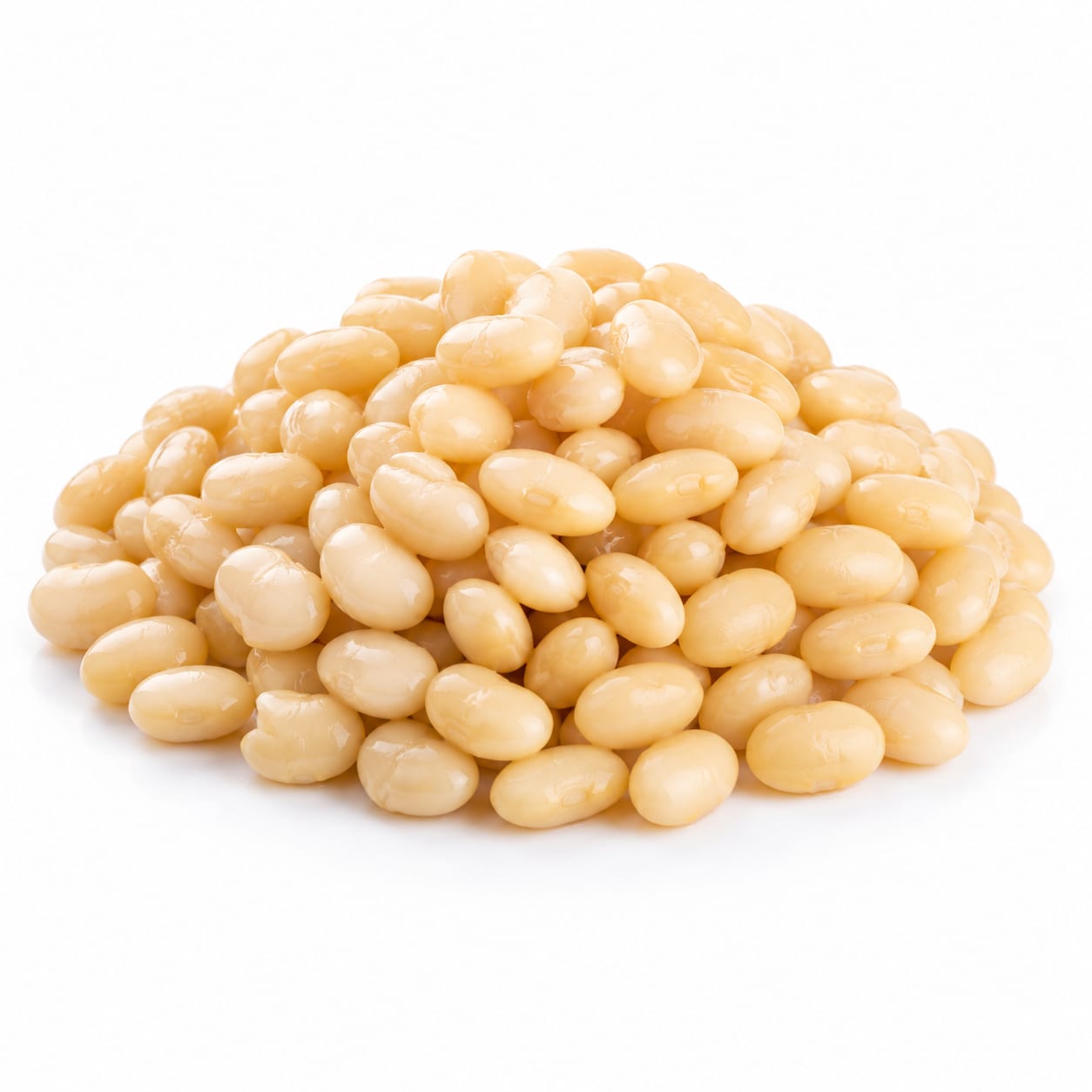
Navy Bean
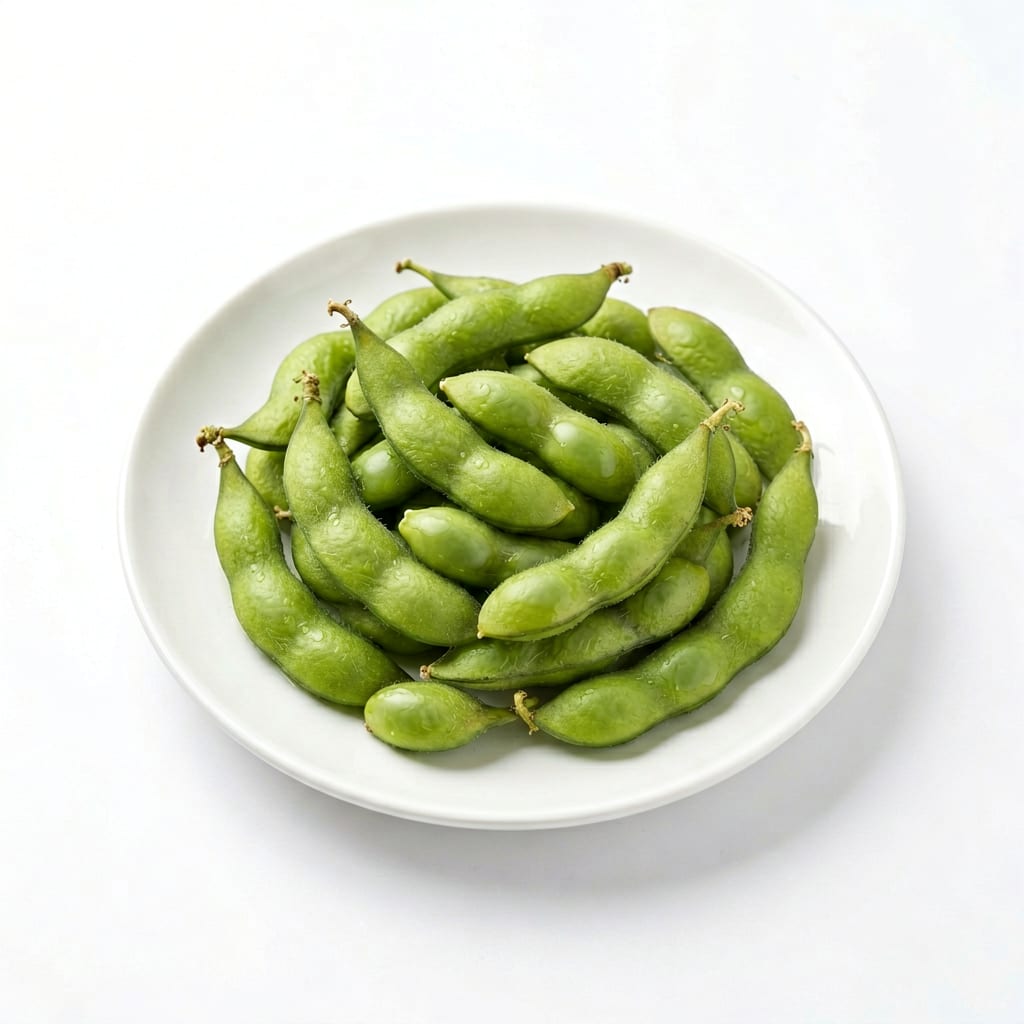
Edamame
Navy beans win on fiber, satiety, and budget; edamame wins on protein quality, convenience, and healthy fats. Your priority determines the winner.
Navy beans edge ahead on fiber, cost, and blood sugar benefits, but edamame's complete protein and convenience keep it nearly tied. The close scores reflect that neither dominates — they serve different needs exceptionally well.
Maximum fullness and gut health versus complete protein and grab-and-go convenience
At a glance
Executive summary
Overall
It depends
Healthier
It depends
More practical
Edamame
Daily use
Navy Bean
Key comparison lenses
plant protein quality
Both are top plant protein sources but differ critically in amino acid completeness and protein density per calorie
fiber and satiety
Navy beans deliver nearly double the fiber, dramatically affecting fullness and blood sugar control
convenience and prep time
Edamame cooks in minutes while dried navy beans require soaking and long cooking, shaping real-world usage patterns
hormonal and phytoestrogen effects
Edamame contains isoflavones that may benefit some people but concern others, while navy beans have no phytoestrogens
gmo and safety concerns
Most US soy is GMO; edamame shoppers must choose organic to avoid this, while navy beans face minimal GMO risk
cost and accessibility
Navy beans are among the cheapest protein sources available; edamame costs significantly more per serving
Best choice for
Navy Bean
- People prioritizing digestive health and regularity
- Budget-conscious meal preppers feeding a family
- Anyone managing blood sugar or insulin resistance
- Those wanting maximum satiety per calorie
- Soup, stew, and chili lovers wanting a filling base
Edamame
- Athletes and lifters needing complete protein
- Busy people who want protein in under 5 minutes
- Anyone avoiding dairy or meat who needs all essential amino acids
- Snackers wanting something satisfying without cooking
- People seeking anti-inflammatory omega-3 fats
Least suitable for
Navy Bean
- Anyone short on time who cannot meal prep
- People with severe digestive sensitivity to high-fiber foods
- Those wanting a quick standalone snack without cooking
Edamame
- People with soy allergies or sensitivities
- Those avoiding GMO products who cannot access organic edamame
- Anyone concerned about phytoestrogen effects on hormone-sensitive conditions
Deep comparison
Dimension by dimension
Each lens scores both foods and breaks down who each option suits.
- Dimension 1 · Priority 92Edamame
Protein Quality and Completeness
Navy Bean · 65Edamame · 90Edamame provides all nine essential amino acids in meaningful amounts, making it a rare complete plant protein. Navy beans are slightly low in methionine, requiring pairing with grains for full completeness.
Tradeoff
You get amino acid completeness with edamame but slightly less total protein per cooked cup compared to what many expect from beans.
Why it matters
Complete proteins support muscle repair and maintenance without needing to combine foods strategically, which matters for vegetarians and vegans especially.
Real-world impact
After a workout, edamame alone covers your recovery needs. With navy beans, adding rice or quinoa fills the gap — easy, but an extra step.
Navy Bean
- People already eating balanced meals with grains throughout the day
Better for
- Strict vegans who eat few protein sources and need each one to be complete
Worse for
Edamame
- Vegans needing reliable complete protein from a single food
- Post-workout recovery when you want simplicity
- Anyone not planning complementary protein combinations
Better for
- People with soy allergies who cannot consume it at all
Worse for
- Dimension 2 · Priority 88Navy Bean
Fiber Content and Satiety
Navy Bean · 95Edamame · 62Navy beans deliver roughly 19g of fiber per cooked cup versus edamame's 8g. That gap means navy beans keep you full far longer and feed your gut bacteria substantially more.
Tradeoff
The massive fiber advantage comes with more gas and bloating potential, especially if your body is not used to high-fiber foods.
Why it matters
Fiber is the single most underrated factor for weight management, blood sugar control, and long-term gut health. Navy beans are an elite fiber source.
Real-world impact
A lunch with navy beans keeps you full until dinner. Edamame as a snack may leave you hungry again within two hours.
Navy Bean
- Anyone trying to eat less by staying fuller longer
- People managing constipation or sluggish digestion
- Blood sugar management between meals
Better for
- Anyone prone to bloating or gas from high-fiber foods
- People rapidly increasing fiber without adequate hydration
Worse for
Edamame
- Those with irritable bowel syndrome who need moderate fiber
- People transitioning to higher fiber who need a gentler starting point
Better for
- Those relying on it as a main fiber source who fall short of daily targets
Worse for
- Dimension 3 · Priority 80Edamame
Convenience and Preparation
Navy Bean · 40Edamame · 88Frozen edamame steams or microwaves in 3-5 minutes. Dried navy beans require overnight soaking plus 1-2 hours of cooking. Canned navy beans close the gap but add sodium.
Tradeoff
Convenience costs money and, with canned options, sodium exposure. Dried navy beans are cheapest but demand planning ahead.
Why it matters
The best nutritious food is the one you actually prepare. When cooking feels like a chore, convenience shapes real dietary choices more than nutrition facts.
Real-world impact
Coming home exhausted at 7pm, edamame is ready before you unpack your bag. Navy beans require thinking about tomorrow's dinner today.
Navy Bean
- Meal preppers who cook in bulk on weekends
- Slow cooker and instant pot enthusiasts
Better for
- Spontaneous cooks who decide what to eat at mealtime
- Anyone without 90 minutes to spare on weeknights
Worse for
Edamame
- Busy professionals needing protein in minutes
- Anyone wanting a no-cook or minimal-cook snack
- Students in dorms with limited cooking access
Better for
- Budget shoppers who find frozen edamame too expensive for daily use
Worse for
- Dimension 4 · Priority 82Navy Bean
Blood Sugar Stability
Navy Bean · 92Edamame · 72Navy beans have a glycemic index around 31 with enormous fiber to slow glucose absorption. Edamame scores well too but with less fiber and slightly more fat, the blood sugar dampening effect is less dramatic.
Tradeoff
Both are excellent choices compared to grains or starchy sides, but navy beans provide a stronger glucose-stabilizing effect per serving.
Why it matters
Steady blood sugar means fewer energy crashes, reduced cravings, and better metabolic health over decades.
Real-world impact
Swapping rice for navy beans at lunch prevents the 3pm energy crash. Edamame helps too, but the effect is milder.
Navy Bean
- People with prediabetes or type 2 diabetes
- Anyone prone to afternoon energy dips
- Those trying to reduce refined carb cravings
Better for
- Those who find high-fiber meals uncomfortably heavy before activity
Worse for
Edamame
- People wanting moderate blood sugar support without heavy meals
Better for
- Anyone needing maximum glucose stabilization who finds the fiber insufficient
Worse for
- Dimension 5 · Priority 72Edamame
Healthy Fats and Anti-Inflammatory Potential
Navy Bean · 30Edamame · 82Edamame provides omega-3 alpha-linolenic acid and omega-6 fats in a reasonable ratio. Navy beans are nearly fat-free, offering minimal fatty acid benefit.
Tradeoff
Edamame's fat content adds calories but also anti-inflammatory and hormonal benefits that fat-free navy beans simply cannot provide.
Why it matters
Chronic inflammation drives heart disease, joint pain, and aging. Dietary fat quality matters more than total fat for long-term health.
Real-world impact
Regular edamame consumption supports heart and brain health through its fat profile. Navy beans support health through fiber instead — different pathways, same destination.
Navy Bean
- Those strictly counting calories who prefer fat-free options
- People already getting ample healthy fats from other sources
Better for
- People relying on it as a primary food who need fat-soluble vitamin absorption support
Worse for
Edamame
- Anyone wanting plant-based omega-3 intake
- People with inflammatory conditions seeking dietary support
- Those on low-fat diets who may be missing essential fatty acids
Better for
- Those on very low-calorie diets where the extra fat calories matter
Worse for
- Dimension 6 · Priority 65Navy Bean
Cost and Value
Navy Bean · 95Edamame · 55Dried navy beans cost roughly $1.50 per pound and yield massive volume when cooked. Edamame typically runs $3-5 per pound frozen. Per gram of protein and fiber, navy beans are among the cheapest foods on earth.
Tradeoff
The savings require time investment for cooking. Canned navy beans narrow the cost gap slightly but still beat edamame on price.
Why it matters
Budget constraints determine what people actually eat daily. The most nutritious food only matters if you can afford it consistently.
Real-world impact
Feeding a family of four, navy beans can be a protein base three times a week for under $3 total. Edamame as a daily protein source adds up quickly.
Navy Bean
- Families on tight grocery budgets
- Bulk meal preppers maximizing nutrition per dollar
- Anyone building a cost-effective pantry staple collection
Better for
- Those who cannot use dried beans fast enough before pantry pests arrive
Worse for
Edamame
- Those who value time over money and want instant results
- People eating single servings where cost difference is small
Better for
- Budget-limited households needing daily affordable protein
Worse for
- Dimension 7 · Priority 70It depends
Hormonal and Phytoestrogen Considerations
Navy Bean · 70Edamame · 68Edamame contains isoflavones that mimic estrogen weakly — potentially beneficial for menopause symptoms and bone health, but concerning for those with estrogen-sensitive conditions. Navy beans have no phytoestrogens.
Tradeoff
Isoflavones are a double-edged sword: protective for some, risky for others. Navy beans avoid the debate entirely.
Why it matters
Hormonal effects are cumulative and individual. What helps one person's hot flashes may worry another person with a family history of breast cancer.
Real-world impact
A woman in menopause might find edamame soothing. A breast cancer survivor might prefer navy beans to avoid any estrogenic exposure.
Navy Bean
- People with estrogen-sensitive conditions wanting to avoid phytoestrogens
- Those who prefer foods without hormonal activity debates
- Men concerned about any potential estrogenic effects from soy
Better for
- Those missing out on isoflavone benefits who could use them
Worse for
Edamame
- Perimenopausal or menopausal women seeking natural symptom relief
- Postmenopausal women wanting bone density support
- People who tolerate soy well and benefit from its isoflavones
Better for
- Breast cancer survivors with estrogen-receptor-positive tumors
- People with thyroid conditions on medication, as soy can interfere with absorption
Worse for
Timeline
Health impact over time
Short-term
Hours to days
Navy Bean
- Strong feeling of fullness that reduces snacking for hours
- Potential gas and bloating if you are not used to high fiber intake
- Steady energy without blood sugar spikes or crashes
- Heavy comfort food feeling that satisfies like a real meal
Edamame
- Quick protein satisfaction without feeling overly full
- Mild digestive comfort with less gas than most beans
- Slight energy boost from balanced protein and fat content
- Easy to eat as a light snack without feeling weighed down
Long-term
Months to years
Navy Bean
- Substantially improved gut microbiome diversity from resistant starch and fiber
- Better blood sugar control reducing diabetes risk over years
- Lower cholesterol through soluble fiber binding bile acids
- Weight management support through consistent satiety with minimal calories
Edamame
- Heart health support from unsaturated fats and isoflavones
- Potential bone density preservation in postmenopausal women
- Reduced inflammation markers from omega-3 and antioxidant content
- Possible cholesterol improvement from soy protein and phytosterols
Risk profile
Safety & processing
Both foods are whole-food staples with minimal processing. Dried navy beans are simply harvested and dried. Frozen edamame is steamed and frozen, sometimes with added salt. Canned navy beans may contain added sodium, so rinse before eating.
Navy Bean
BPA exposure from can linings
mediumCanned navy beans may have BPA in can linings. Choose BPA-free cans or use dried beans to eliminate this concern entirely.
Lectin content if undercooked
mediumRaw or undercooked navy beans contain phytohaemagglutinin, which can cause nausea and vomiting. Always cook thoroughly — never eat navy beans raw or lightly steamed.
Pesticide residue on conventional crops
lowBeans are not among the highest pesticide crops, but organic options reduce exposure further.
Edamame
GMO exposure from conventional soy
mediumOver 90% of US soy is genetically modified. Choose organic edamame to guarantee non-GMO, which most health-conscious consumers prefer.
Soy allergy reactions
highSoy is a top 9 allergen. Reactions range from hives to anaphylaxis. Anyone with a soy allergy must avoid edamame entirely.
Thyroid medication interference
mediumSoy isoflavones can reduce absorption of thyroid hormone replacement drugs. Separate edamame consumption from medication by at least 4 hours.
Who wins for whom
Audience fit
Same foods, different winners depending on your goal.
children
EdamameEdamame is fun to eat, mild in flavor, requires no lengthy cooking, and provides complete protein for growing bodies. Monitor for soy allergy.
daily consumption
Navy BeanNavy beans are more affordable, have no hormonal activity concerns, and their fiber benefits compound with daily use. Edamame daily is fine but cost and phytoestrogen exposure give some people pause.
diabetes
Navy BeanNavy beans' exceptional fiber content and very low glycemic index provide superior blood sugar stabilization per serving.
elderly
Navy BeanNavy beans' fiber supports the digestive regularity that often declines with age, and their folate and iron content addresses common elderly deficiencies.
muscle gain
EdamameEdamame's complete protein profile and higher protein bioavailability support muscle repair more efficiently without needing complementary foods.
weight loss
Navy BeanNavy beans provide more fiber and fewer calories per cup, keeping you fuller longer with less temptation to overeat.
Your move
Decision guide
Choose Navy Bean
- You want the most filling, gut-friendly food possible per dollar
- Blood sugar control is a top health priority
- You enjoy cooking and do not mind meal prep
- You are avoiding soy for any reason
- You are feeding a family on a budget
Choose Edamame
- You need complete protein without combining foods
- Convenience and speed matter more than cost
- You want anti-inflammatory fats alongside your protein
- You are in menopause and may benefit from isoflavones
- You want a satisfying snack that requires zero cooking skill
Either works if
- You simply want more plant protein in your life
- You are transitioning away from meat and need satisfying alternatives
- You are building a balanced diet and both fit your rotation
- You have no soy allergy, no budget constraints, and no hormonal concerns
Avoid both if
- You have severe legume allergies or sensitivities
- You are on a very low-fiber diet for a medical procedure or condition
- You cannot tolerate any gas-producing foods due to digestive conditions
Final recommendation
Keep both in your rotation. Use navy beans as your meal base for soups, stews, and bowls where maximum fullness and fiber matter. Keep frozen edamame for quick protein hits, post-workout snacks, and busy days when cooking is not happening. They complement each other perfectly — one is your anchor, the other is your convenience backup.
Practical
Consumer tips
- 1
If using canned navy beans, rinse thoroughly to remove about 40% of the sodium
- 2
Soak dried navy beans overnight and discard the water to reduce gas-producing compounds
- 3
Choose organic edamame to avoid GMO soy unless the label explicitly states non-GMO
- 4
If thyroid medication is part of your routine, eat edamame at least 4 hours before or after taking it
- 5
Introduce navy beans gradually if your current fiber intake is low — start with half-cup servings
- 6
Steam edamame lightly rather than boiling to preserve more vitamin C and isoflavones
- 7
Freeze cooked navy beans in portioned bags so future meals are as fast as opening edamame
- 8
If bloating is a concern with navy beans, try adding a piece of kombu seaweed during cooking to aid digestibility