
Nutrition comparison
Navy Beans vs Chickpeas: Which Is Healthier for You?
Navy Beans offer more fiber and better blood sugar control. Chickpeas win on versatility and daily enjoyment. Compare nutrition, satiety, and best uses side by side.
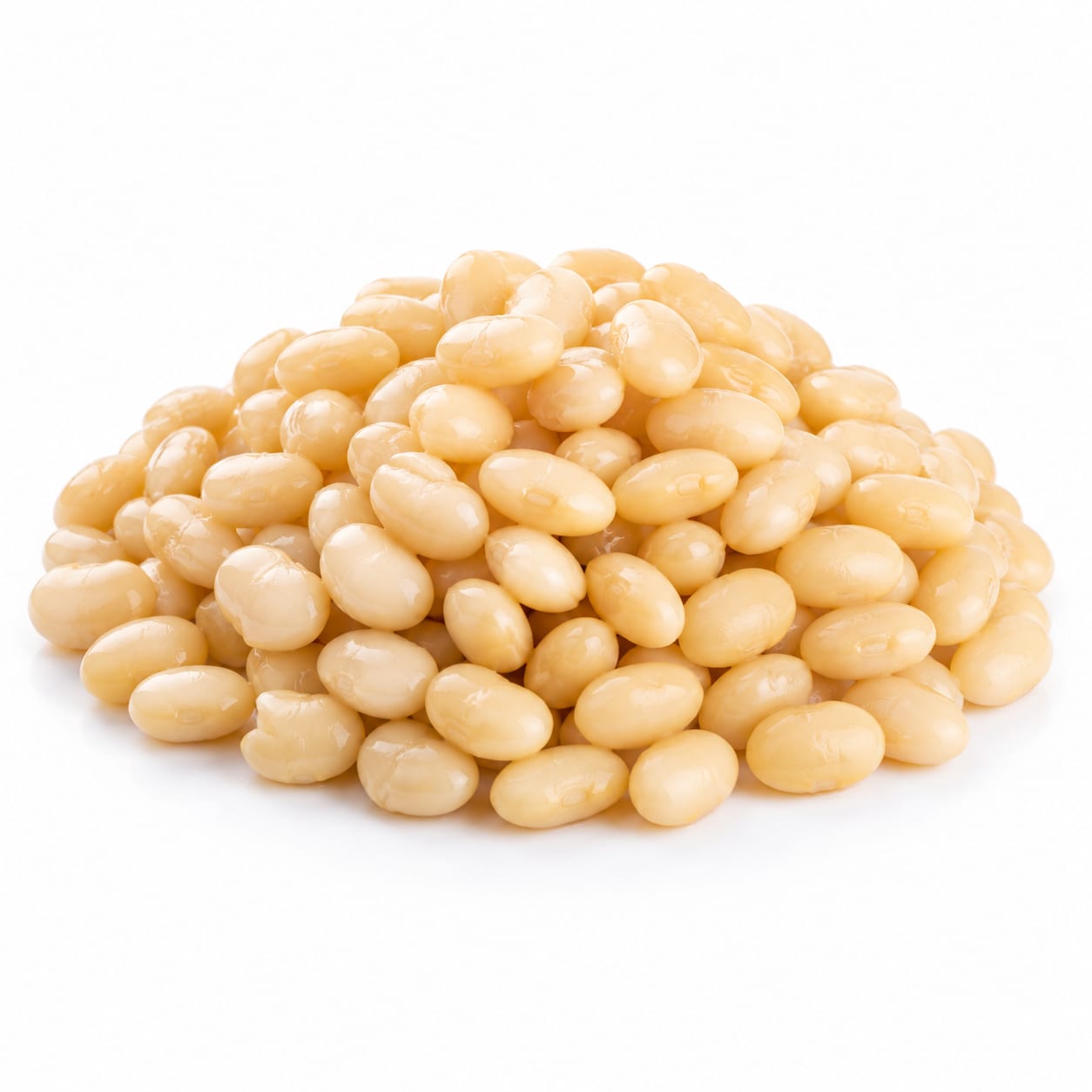
Navy Bean
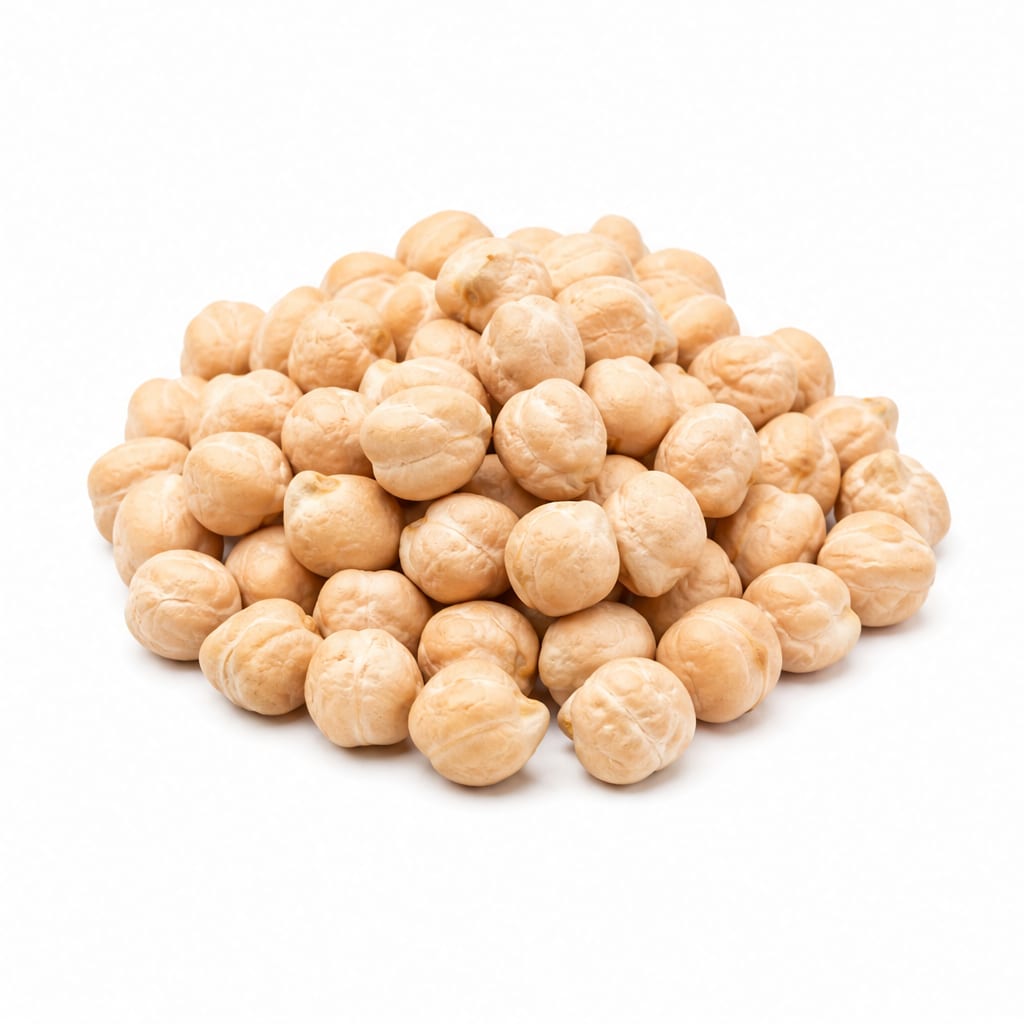
Chickpeas
Navy Beans win on fiber and blood sugar control; Chickpeas win on versatility, taste, and ease of daily use.
Navy Beans edge ahead on pure nutritional density and metabolic benefits, but Chickpeas stay close thanks to superior versatility and daily practicality. The small score gap reflects that most people will actually eat Chickpeas more often, which matters more than marginal nutrient advantages.
Maximum satiety and metabolic benefits versus culinary flexibility and broader recipe appeal.
At a glance
Executive summary
Overall
It depends
Healthier
Navy Bean
More practical
Chickpeas
Daily use
Chickpeas
Key comparison lenses
fiber and satiety comparison
Both are high-fiber legumes but Navy Beans deliver significantly more fiber per serving, making fullness a key differentiator
blood sugar management
Users comparing legumes often care about glycemic control, and the fiber gap between these two directly affects blood sugar stability
meal versatility and convenience
Chickpeas are culinary workhorses used in everything from hummus to roasted snacks, while Navy Beans have a narrower recipe range
weight loss calorie efficiency
Navy Beans offer more fiber and slightly fewer calories per serving, making them attractive for calorie-conscious eaters
digestive tolerance
Both can cause gas, but the higher fiber in Navy Beans can be harder on sensitive digestive systems initially
Best choice for
Navy Bean
- People managing diabetes or prediabetes
- Those prioritizing maximum fullness from meals
- Anyone trying to lower cholesterol aggressively
- Weight loss seekers who want the most filling option
Chickpeas
- Home cooks wanting maximum recipe flexibility
- People new to legumes who need an approachable entry point
- Anyone meal-prepping for varied weekly menus
- Those who want a satisfying snack option like roasted chickpeas
Least suitable for
Navy Bean
- People with severe IBS or very sensitive digestion unaccustomed to high fiber
- Those who dislike soft, creamy textures
- Anyone seeking a crunchy snack option
Chickpeas
- Those strictly minimizing calorie density who want the lightest legume
- People who need the absolute highest fiber per calorie
- Anyone with a specific sensitivity to chickpeas
Deep comparison
Dimension by dimension
Each lens scores both foods and breaks down who each option suits.
- Dimension 1 · Priority 95Navy Bean
fiber_and_satiety
Navy Bean · 94Chickpeas · 76Navy Beans deliver roughly 50% more fiber per cup than Chickpeas, making them significantly more filling.
Tradeoff
That extra fiber can cause bloating if your body is not used to it, while Chickpeas offer a gentler entry into high-fiber eating.
Why it matters
Higher fiber means you stay full longer between meals, which directly reduces snacking and overeating.
Real-world impact
A Navy Bean lunch keeps you satisfied until dinner. A Chickpea lunch might leave you reaching for something at 3pm.
Navy Bean
- Controlling hunger between meals
- Reducing total daily calorie intake without trying
- Feeling physically full on smaller portions
Better for
- Sudden fiber increases causing gas and bloating
- Feeling uncomfortably heavy if you eat a large serving
Worse for
Chickpeas
- Gradually increasing fiber without shocking your system
- Eating a satisfying portion without feeling overly stuffed
Better for
- Less staying power between meals
- Needing larger portions to feel equally full
Worse for
- Dimension 2 · Priority 90Navy Bean
blood_sugar_stability
Navy Bean · 91Chickpeas · 80Navy Beans have a lower glycemic index and more fiber to slow glucose absorption, giving them a meaningful edge for blood sugar control.
Tradeoff
The difference matters most for diabetics and prediabetics. For healthy individuals, both are excellent low-glycemic choices.
Why it matters
Steadier blood sugar means fewer energy crashes, less cravings, and better long-term metabolic health.
Real-world impact
If you are diabetic, Navy Beans are the safer bet. If you are healthy, both will serve you well and the gap shrinks.
Navy Bean
- Managing type 2 diabetes or prediabetes
- Avoiding afternoon energy crashes
- Reducing insulin spikes after meals
Better for
- Minimal downside here, though portion control still matters
Worse for
Chickpeas
- Maintaining decent blood sugar while enjoying more varied meals
Better for
- Slightly faster glucose rise compared to Navy Beans
- Less protective for those with existing blood sugar issues
Worse for
- Dimension 3 · Priority 85Chickpeas
culinary_versatility
Navy Bean · 55Chickpeas · 92Chickpeas are one of the most versatile legumes on the planet. Navy Beans are excellent but limited to fewer dishes.
Tradeoff
You can eat Chickpeas five different ways in a week without getting bored. Navy Beans tend to shine in soups and stews but feel repetitive faster.
Why it matters
The best healthy food is the one you actually want to eat repeatedly. Versatility drives long-term adherence.
Real-world impact
Chickpeas become hummus, roasted snacks, salad toppings, curry bases, and pasta alternatives. Navy Beans become soup, baked beans, or mash.
Navy Bean
- Comforting soups and stews where creaminess is desired
- Classic baked bean dishes
Better for
- Limited snack options
- Few cold preparation methods
- Gets boring faster in weekly rotation
Worse for
Chickpeas
- Meal-prepping diverse weekly menus
- Creating crunchy satisfying snacks
- Making dips and spreads
- Adding to cold salads without turning mushy
- Building Mediterranean and Middle Eastern meals
Better for
- Not ideal when you want a creamy, disappearing-into-the-broth texture
Worse for
- Dimension 4 · Priority 75It depends
mineral_and_vitamin_density
Navy Bean · 82Chickpeas · 80Navy Beans offer more iron and magnesium. Chickpeas provide more folate and manganese. Both are nutritionally dense.
Tradeoff
Neither dominates across the board. Your priority mineral determines the winner here.
Why it matters
Micronutrient gaps affect energy, bone health, and recovery differently depending on your diet.
Real-world impact
If you are low on iron, Navy Beans help more. If you are pregnant or planning to be, Chickpeas offer more folate.
Navy Bean
- Boosting iron intake, especially for vegetarians
- Getting more magnesium for sleep and muscle recovery
Better for
- Less folate than Chickpeas, important for pregnancy
Worse for
Chickpeas
- Supporting prenatal nutrition with higher folate
- Getting more manganese for bone health
Better for
- Slightly less iron per serving than Navy Beans
Worse for
- Dimension 5 · Priority 75Chickpeas
digestive_tolerance
Navy Bean · 65Chickpeas · 74Both cause gas, but Chickpeas are generally gentler on the digestive system due to slightly lower fiber concentration.
Tradeoff
Navy Beans offer more gut-health benefits long-term but require more adaptation short-term.
Why it matters
If legumes make you bloated, the one you can actually tolerate is the one you will keep eating.
Real-world impact
Starting with Chickpeas and gradually adding Navy Beans lets your gut adjust without misery.
Navy Bean
- Long-term gut microbiome support from higher resistant starch
Better for
- More likely to cause gas and bloating if you are not used to high fiber
- Requires gradual introduction for sensitive systems
Worse for
Chickpeas
- Easier initial tolerance for legume beginners
- Less bloating when eating moderate portions
Better for
- Still causes gas for some people, just somewhat less
Worse for
- Dimension 6 · Priority 70It depends
protein_quality
Navy Bean · 79Chickpeas · 78Both provide similar protein per serving with comparable amino acid profiles. The difference is negligible.
Tradeoff
Neither is a complete protein, so both need pairing with grains or other proteins for optimal amino acid intake.
Why it matters
Protein from legumes supports muscle maintenance and satiety, but neither bean stands out here.
Real-world impact
Choose based on other factors. Protein content alone should not drive this decision.
Navy Bean
- Slightly more protein per calorie, marginally better for calorie-restricted diets
Better for
- Incomplete protein requiring grain pairing
Worse for
Chickpeas
- Comparable protein with more recipe variety to pair with complementary proteins
Better for
- Incomplete protein requiring grain pairing
Worse for
Timeline
Health impact over time
Short-term
Hours to days
Navy Bean
- Strong feeling of fullness after meals
- Possible gas and bloating if not accustomed to high fiber
- Steady energy without sugar crashes
Chickpeas
- Moderate satiety without feeling overly stuffed
- Milder digestive adjustment period
- Good sustained energy for several hours
Long-term
Months to years
Navy Bean
- Significant cholesterol reduction from high soluble fiber
- Improved gut microbiome diversity from resistant starch
- Better blood sugar regulation over months and years
- Reduced heart disease risk with regular consumption
Chickpeas
- Improved heart health from regular legume intake
- Better folate status supporting cell repair and prenatal health
- Sustained weight management from moderate fiber intake
- Reduced colorectal cancer risk from consistent fiber consumption
Risk profile
Safety & processing
Both Navy Beans and Chickpeas are whole, minimally processed foods when bought dried or canned with simple ingredients. Watch for added sodium in canned versions of either. Choose no-salt-added or low-sodium cans, or cook from dried for maximum control.
Navy Bean
Undercooked toxin exposure
mediumRaw or undercooked Navy Beans contain phytohaemagglutinin, a lectin that can cause nausea and vomiting. Always boil thoroughly for at least 10 minutes.
Canned sodium load
mediumCanned Navy Beans often contain 400-600mg sodium per serving. Rinsing helps but does not eliminate all of it.
Chickpeas
Undercooked toxin exposure
lowChickpeas contain lower lectin levels than Navy Beans but should still be cooked thoroughly to avoid digestive discomfort.
Canned sodium load
mediumSimilar to Navy Beans, canned chickpeas can be high in sodium. Rinsing removes about 30-40% of the added salt.
Who wins for whom
Audience fit
Same foods, different winners depending on your goal.
children
ChickpeasChickpeas are more approachable for kids — think hummus with veggies or roasted chickpea snacks. The milder flavor and fun texture make them an easier sell.
daily consumption
ChickpeasChickpeas are easier to rotate into different meals without palate fatigue. Daily eating requires variety, and Chickpeas deliver more recipe options to keep things interesting.
diabetes
Navy BeanLower glycemic index and higher fiber make Navy Beans more protective against blood sugar spikes. This is the one population where the nutritional edge clearly matters.
elderly
Navy BeanNavy Beans are softer and easier to chew, and their higher fiber helps with the constipation issues common in older adults. The iron and magnesium also support aging bodies.
muscle gain
It dependsBoth offer similar protein content. Chickpeas pair more easily with varied protein sources throughout the day due to versatility, but neither is a standout for muscle building alone.
weight loss
Navy BeanNavy Beans provide more fiber and slightly fewer calories per serving, keeping you fuller on less. That satiety advantage translates to eating less overall.
Your move
Decision guide
Choose Navy Bean
- You are managing diabetes, prediabetes, or insulin resistance
- Maximum fullness and appetite control are your top priorities
- You want the strongest cholesterol-lowering food possible
- You enjoy comforting soups, stews, and creamy bean dishes
- You need a soft-textured food that is easy to chew and digest once adapted
Choose Chickpeas
- You want one legume that works across dozens of recipes
- You are new to eating beans and need an approachable starting point
- You enjoy making hummus, roasted snacks, or grain bowls
- You are cooking for kids or picky eaters
- You value culinary variety to stay consistent long-term
Either works if
- You simply want a healthy plant-based protein source
- You are already eating a varied diet and just adding more legumes
- You are mixing beans into a dish where texture differences disappear
- You rotate between multiple bean types weekly anyway
Avoid both if
- You have a diagnosed legume allergy
- You are in an acute IBS flare and your doctor has recommended low-fiber eating temporarily
- You are on a very low-carb or keto diet restricting all legumes
Final recommendation
Start with Chickpeas if you are new to legumes — they are friendlier, more versatile, and easier to make a habit. Gradually add Navy Beans once your digestion adjusts, especially if you have blood sugar concerns or want maximum satiety. The healthiest approach is rotating both, but if you must pick one for daily life, Chickpeas win on sustainability. If you must pick one for metabolic health, Navy Beans win on results.
Practical
Consumer tips
- 1
Rinse canned beans thoroughly to remove about 35% of the added sodium
- 2
Soak dried beans overnight and discard the soaking water to reduce gas-causing compounds
- 3
Introduce either bean gradually — start with a few tablespoons daily and increase over two weeks
- 4
Pair both with a grain like rice or quinoa to get complete protein
- 5
If canned sodium concerns you, cook from dried in an Instant Pot — it takes under an hour with no soaking
- 6
Add Navy Beans to blended soups where their creamy texture disappears beautifully
- 7
Roast Chickpeas with olive oil and spices for a crunchy snack that actually satisfies
- 8
If beans cause bloating, try the enzyme supplement alpha-galactosidase before meals