
Nutrition comparison
Navy Beans vs Black Beans: Nutrition Comparison and Health Benefits
Navy beans vs black beans—which is healthier? Compare fiber, antioxidants, protein, and culinary uses to find the right bean for your goals.
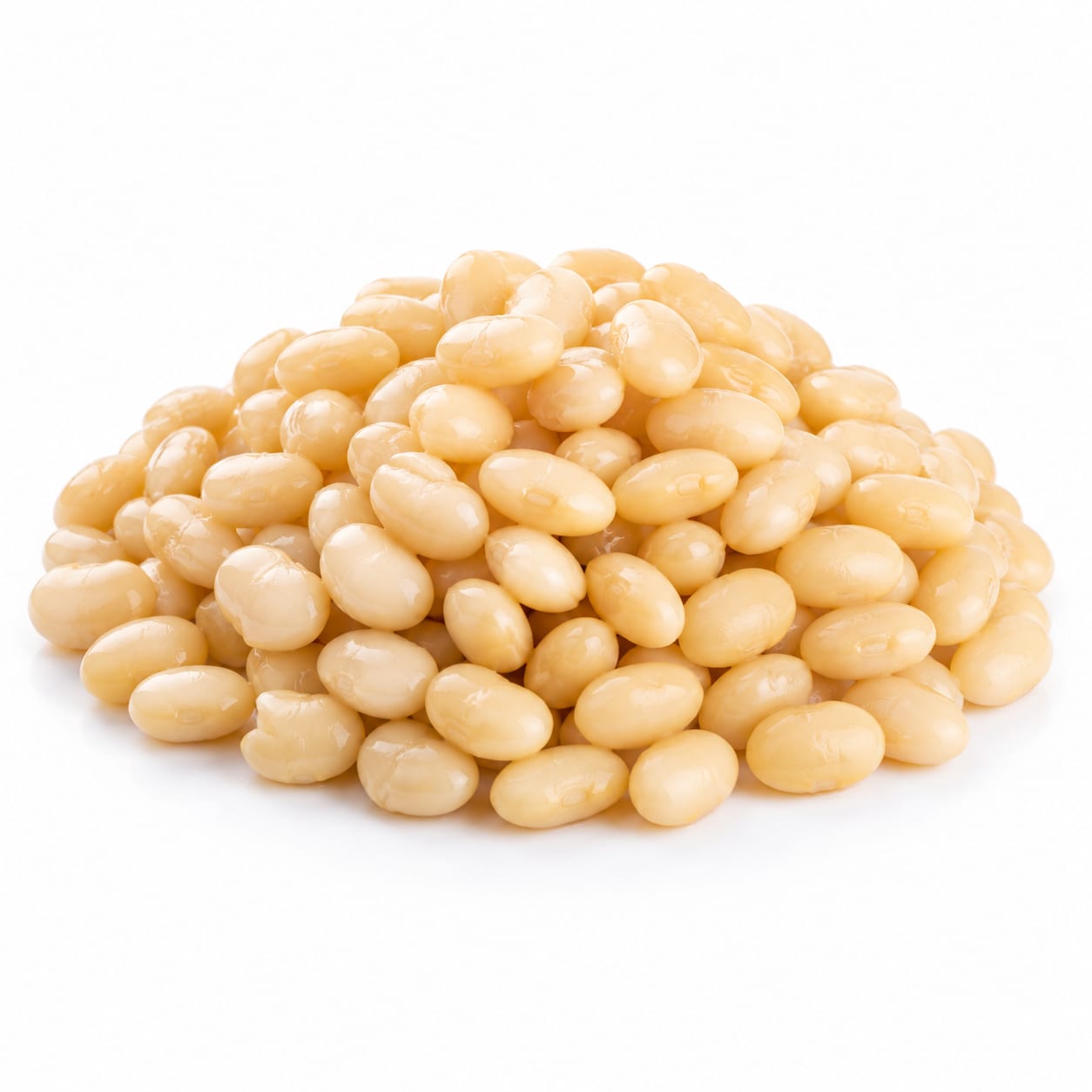
Navy Bean
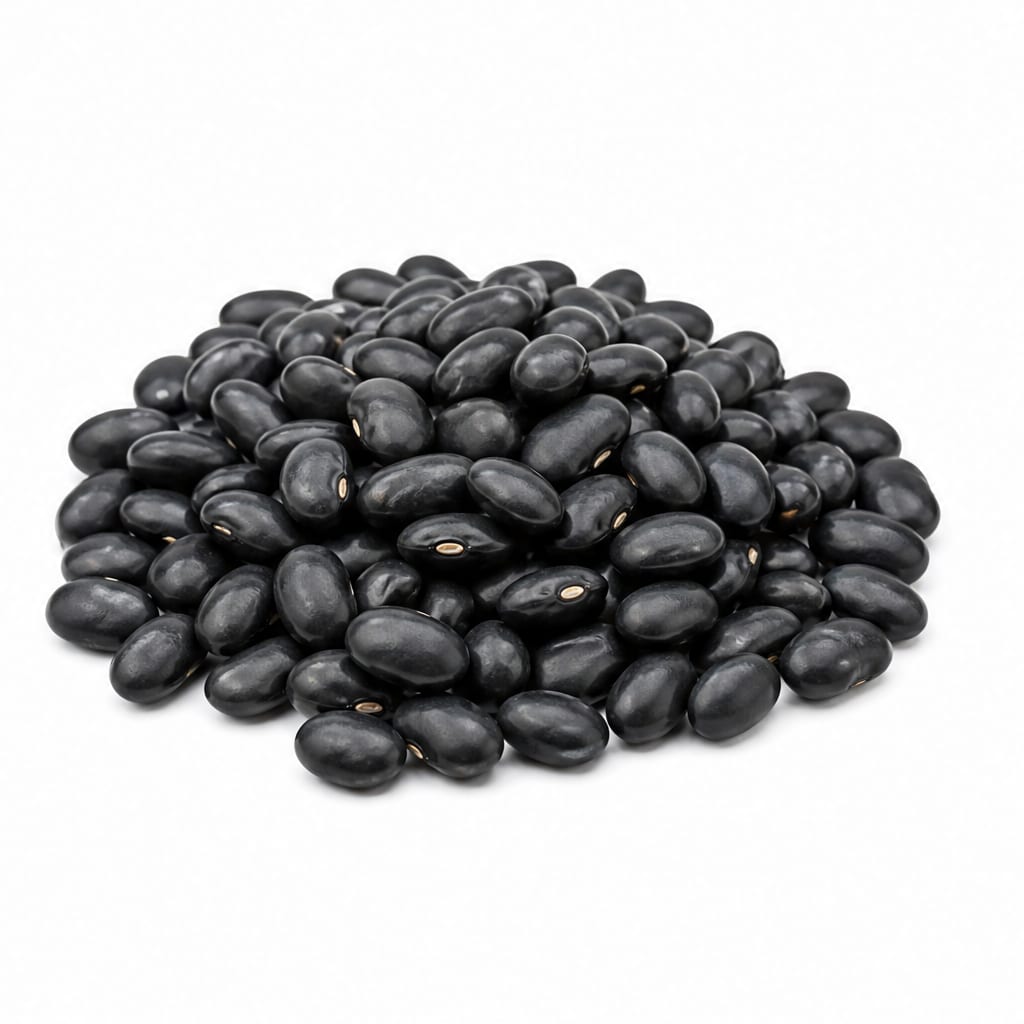
Black Beans
Navy beans win on fiber and mineral density; black beans win on antioxidants and culinary versatility. Both are nutritional powerhouses.
Black beans edge ahead due to superior antioxidants and broader culinary appeal, but navy beans remain exceptional for fiber and mineral density. The gap is small because both are top-tier legumes.
Maximum digestive and mineral benefits versus superior antioxidant protection and easier recipe integration
At a glance
Executive summary
Overall
It depends
Healthier
It depends
More practical
Black Beans
Daily use
Black Beans
Key comparison lenses
fiber and digestive health
Navy beans are one of the highest-fiber foods available, making digestive impact a key differentiator
antioxidant and disease prevention
Black beans deliver far more antioxidants due to their dark pigment, a major health distinction
blood sugar management
Both are low-glycemic but fiber and antioxidant differences affect glucose control differently
meal versatility and culinary use
Texture and flavor differences significantly affect how people actually cook with each bean
heart health and cholesterol
Both support heart health but through different mechanisms worth understanding
Best choice for
Navy Bean
- People prioritizing digestive regularity and gut health
- Those needing maximum fiber intake on a low-calorie budget
- Anyone focused on folate and iron density
- Individuals managing constipation or slow digestion
- Budget-conscious shoppers wanting the most nutrition per dollar
Black Beans
- People prioritizing long-term disease prevention through antioxidants
- Those who want beans that fit into diverse cuisines easily
- Anyone managing inflammation or oxidative stress
- Home cooks wanting a bean that holds its shape in salads and bowls
- People seeking steady blood sugar with added anti-inflammatory benefits
Least suitable for
Navy Bean
- People bored by mild flavors who need variety to stick with healthy eating
- Those wanting a bean that works well in cold salads and bowls
- Anyone sensitive to gas who needs a slightly gentler introduction to legumes
Black Beans
- Those who need the absolute maximum fiber per serving
- People with specific folate or iron deficiency needs
- Anyone who dislikes the slightly earthy flavor in delicate dishes
Deep comparison
Dimension by dimension
Each lens scores both foods and breaks down who each option suits.
- Dimension 1 · Priority 92Navy Bean
fiber_and_digestive_health
Navy Bean · 95Black Beans · 82Navy beans deliver roughly 30% more fiber per serving than black beans, making them one of the most potent fiber sources in any food.
Tradeoff
That extra fiber means more digestive power but also more gas potential if you increase intake too quickly
Why it matters
Most people fall far short of daily fiber targets. Navy beans close that gap faster than almost any other whole food.
Real-world impact
A single cup of navy beans provides over 60% of your daily fiber needs, compared to about 50% from black beans. That difference adds up over weeks.
Navy Bean
- Chronic constipation relief
- Gut microbiome diversity
- Lowering cholesterol through soluble fiber
Better for
- Sudden fiber increases can cause bloating and discomfort
- May require slower dietary introduction
Worse for
Black Beans
- Moderate fiber intake without excessive gas
- Easier transition for people new to high-fiber diets
Better for
- Less effective at rapidly closing fiber gaps
- Slower constipation relief
Worse for
- Dimension 2 · Priority 88Black Beans
antioxidant_power
Navy Bean · 40Black Beans · 93Black beans are loaded with anthocyanins—the same antioxidants found in blueberries—while navy beans have minimal antioxidant content.
Tradeoff
You sacrifice significant cellular protection against oxidative stress when choosing the lighter-colored bean
Why it matters
Chronic inflammation and oxidative damage drive aging, heart disease, and cancer. Anthocyanins directly combat these processes.
Real-world impact
Regular black bean consumption is linked to lower markers of inflammation. Navy beans offer almost none of this benefit despite their other strengths.
Navy Bean
- Misses the major anti-inflammatory benefits dark-pigmented beans provide
- Less protective against cellular aging
Worse for
Black Beans
- Reducing systemic inflammation
- Protecting cells from oxidative damage
- Supporting brain health and cognitive aging
- Lowering long-term cancer risk
Better for
- Dimension 3 · Priority 80Navy Bean
mineral_density
Navy Bean · 88Black Beans · 78Navy beans pack more folate, iron, magnesium, and phosphorus per serving than black beans.
Tradeoff
Better mineral replenishment comes in a blander package that may feel less exciting to eat regularly
Why it matters
Iron and folate deficiencies are common, especially in women. Navy beans are an efficient way to address both simultaneously.
Real-world impact
A cup of navy beans provides about 65% of daily folate needs versus roughly 35% from black beans. That matters for pregnant women and energy levels.
Navy Bean
- Pregnancy nutrition and folate needs
- Iron deficiency anemia support
- Bone health through higher magnesium and phosphorus
Better for
- Higher iron content requires awareness for those with iron storage disorders
Worse for
Black Beans
- Adequate mineral intake when combined with varied diet
- Less concern about iron overload in people with hemochromatosis
Better for
- Less efficient at correcting specific mineral deficiencies
Worse for
- Dimension 4 · Priority 85It depends
blood_sugar_stability
Navy Bean · 86Black Beans · 86Both beans have nearly identical glycemic loads and provide excellent blood sugar control through resistant starch and fiber.
Tradeoff
Navy beans offer more soluble fiber to slow glucose absorption, while black beans add anti-inflammatory protection that improves insulin sensitivity over time
Why it matters
Steady blood sugar prevents energy crashes, cravings, and long-term metabolic damage.
Real-world impact
Either bean eaten regularly will dramatically improve glucose control compared to grain-based carb sources. The difference between them is minor.
Navy Bean
- Immediate post-meal glucose blunting from higher soluble fiber
- Feeling fuller longer after eating
Better for
- Misses the long-term insulin sensitivity benefits of anthocyanins
Worse for
Black Beans
- Long-term insulin sensitivity improvement through antioxidants
- Reduced inflammation-driven insulin resistance
Better for
- Slightly less immediate satiety impact per serving
Worse for
- Dimension 5 · Priority 78Black Beans
culinary_versatility_and_enjoyment
Navy Bean · 62Black Beans · 88Black beans hold their shape, work in cold and hot dishes, and fit into countless cuisines. Navy beans tend to break down and suit fewer recipes.
Tradeoff
Creamy navy beans excel in soups and baked dishes but feel limiting beyond that
Why it matters
The best healthy food is the one you actually want to cook and eat repeatedly. Versatility drives consistency.
Real-world impact
Black beans slide into tacos, salads, grain bowls, soups, and dips effortlessly. Navy beans mostly shine in soups, stews, and classic baked beans.
Navy Bean
- Creamy soups and purees where a smooth texture is desired
- Traditional baked bean recipes
- Thickening stews without adding flour
Better for
- Turns mushy in salads or bowls
- Limited cuisine compatibility beyond American and British traditions
- Visually bland on the plate
Worse for
Black Beans
- Cold salads and grain bowls where visual appeal matters
- Latin American and Caribbean dishes
- Burgers and patties that need structural integrity
- Dips like black bean salsa that benefit from firm texture
Better for
- Earthy flavor can dominate delicate dishes
- Dark color stains other ingredients in mixed dishes
Worse for
- Dimension 6 · Priority 82Navy Bean
satiety_and_weight_management
Navy Bean · 88Black Beans · 83Navy beans keep you slightly fuller due to their fiber advantage, though both are highly satiating compared to most foods.
Tradeoff
The satiety edge is real but modest—both beans outperform nearly all other carb sources for fullness
Why it matters
Feeling satisfied after meals prevents snacking and overeating without requiring willpower.
Real-world impact
A navy bean soup at lunch will likely keep you full 30-60 minutes longer than the same portion of black beans. Over months, that small difference can support weight loss.
Navy Bean
- Maximum fullness per calorie consumed
- Reduced between-meal snacking urge
- Weight loss support through higher satiety
Better for
- Gas and bloating may reduce desire to eat them frequently enough for benefit
Worse for
Black Beans
- Still highly satiating compared to most foods
- More enjoyable eating experience may improve dietary adherence long-term
Better for
- Slightly less effective at eliminating hunger between meals
Worse for
Timeline
Health impact over time
Short-term
Hours to days
Navy Bean
- Noticeable increase in fullness and digestive bulk within hours
- Potential gas and bloating if fiber intake increases too rapidly
- Steadier energy after meals with less afternoon crash
Black Beans
- Moderate fullness with slightly less digestive discomfort during transition
- Steady blood sugar without energy spikes
- Dark stool color that can be alarming but is harmless
Long-term
Months to years
Navy Bean
- Significantly improved digestive regularity and gut health
- Better cholesterol numbers from high soluble fiber
- Reduced constipation and diverticular disease risk
- Stronger folate and iron status especially for women of childbearing age
Black Beans
- Lower systemic inflammation markers over months and years
- Reduced risk of chronic diseases including heart disease and certain cancers
- Improved insulin sensitivity from regular antioxidant intake
- Better cognitive aging from anthocyanin consumption
Risk profile
Safety & processing
Both navy beans and black beans are whole, minimally processed foods when bought dried or canned with simple ingredients. Watch for added sodium in canned versions of either variety.
Navy Bean
Phytohaemagglutinin toxicity from undercooking
mediumLike all kidney bean relatives, navy beans contain lectins that can cause nausea and vomiting if eaten raw or undercooked. Always boil fully for at least 10 minutes.
Canned sodium content
mediumCanned navy beans often contain 400-500mg sodium per serving. Rinsing removes about 40% but not all.
Black Beans
Phytohaemagglutinin toxicity from undercooking
mediumBlack beans carry the same lectin risk as navy beans. Thorough cooking eliminates this concern entirely.
Canned sodium content
mediumSimilar sodium concerns as navy beans in canned form. Low-sodium and no-salt-added options are widely available.
Who wins for whom
Audience fit
Same foods, different winners depending on your goal.
children
Black BeansBlack beans work in more kid-friendly formats like tacos, quesadillas, and dips. Their firmer texture is also more appealing to picky eaters.
daily consumption
Black BeansGreater recipe variety and stronger anti-inflammatory benefits make black beans more sustainable and beneficial as a daily staple
diabetes
Black BeansWhile both stabilize blood sugar excellently, black beans offer additional long-term insulin sensitivity benefits through anthocyanins that navy beans lack
elderly
Navy BeanNavy beans provide more folate and iron for aging bodies, and their softer texture when cooked is easier to chew and digest for those with dental concerns
muscle gain
It dependsBoth provide similar protein content per serving. Neither is a standout muscle-building food compared to animal proteins or soy.
weight loss
Navy BeanHigher fiber content provides stronger satiety per calorie, making it easier to eat less overall without feeling deprived
Your move
Decision guide
Choose Navy Bean
- You struggle with constipation or want maximum digestive regularity
- You need to boost folate or iron intake efficiently
- You love creamy soups and hearty stews
- You are pregnant or planning pregnancy and need extra folate
- You want the most filling bean possible for weight management
Choose Black Beans
- Long-term disease prevention and anti-inflammatory benefits are your priority
- You want a bean that works in salads, bowls, tacos, and cold dishes
- You value visual appeal and variety in your meals
- You have a family history of heart disease or cancer
- You find mild foods boring and need flavor to stay consistent
Either works if
- You simply want an excellent source of plant protein and fiber
- You are managing blood sugar and need a low-glycemic carb source
- You are transitioning away from refined grains and want a filling replacement
- You are on a tight budget and need affordable nutrition
Avoid both if
- You have severe legume allergies
- You are in an acute gout flare and need to limit purine intake temporarily
- You cannot access reliable cooking facilities to prepare dried beans safely
Final recommendation
Keep both in your pantry. Use navy beans when you want maximum fiber and mineral density in soups and stews. Use black beans when you want antioxidant power and culinary flexibility. If you must choose one for daily use, black beans offer broader benefits and are easier to eat consistently.
Practical
Consumer tips
- 1
Rinsing canned beans removes roughly 40% of the sodium and reduces gas-causing oligosaccharides
- 2
Soak dried beans for 8-12 hours and discard the soaking water to significantly reduce gas and bloating
- 3
Start with half-cup servings if you are new to eating beans regularly and increase gradually over two weeks
- 4
Pair beans with vitamin C-rich foods like tomatoes or bell peppers to dramatically improve iron absorption
- 5
Black beans retain more antioxidants when cooked at lower temperatures for longer periods—slow cookers work well
- 6
Navy beans break down beautifully for thickening soups without cream or flour—use this to your advantage
- 7
Buy low-sodium or no-salt-added canned versions when available to avoid unnecessary sodium intake
- 8
Freeze cooked beans in portion-sized bags for quick meal prep—they keep well for up to 6 months