
Nutrition comparison
Nance vs Pineapple: Sugar, Nutrients, and Which Tropical Fruit Fits Your Goals
Compare Nance and Pineapple on sugar content, vitamin C, digestive enzymes, and weight management. Find out which tropical fruit is better for your health goals.
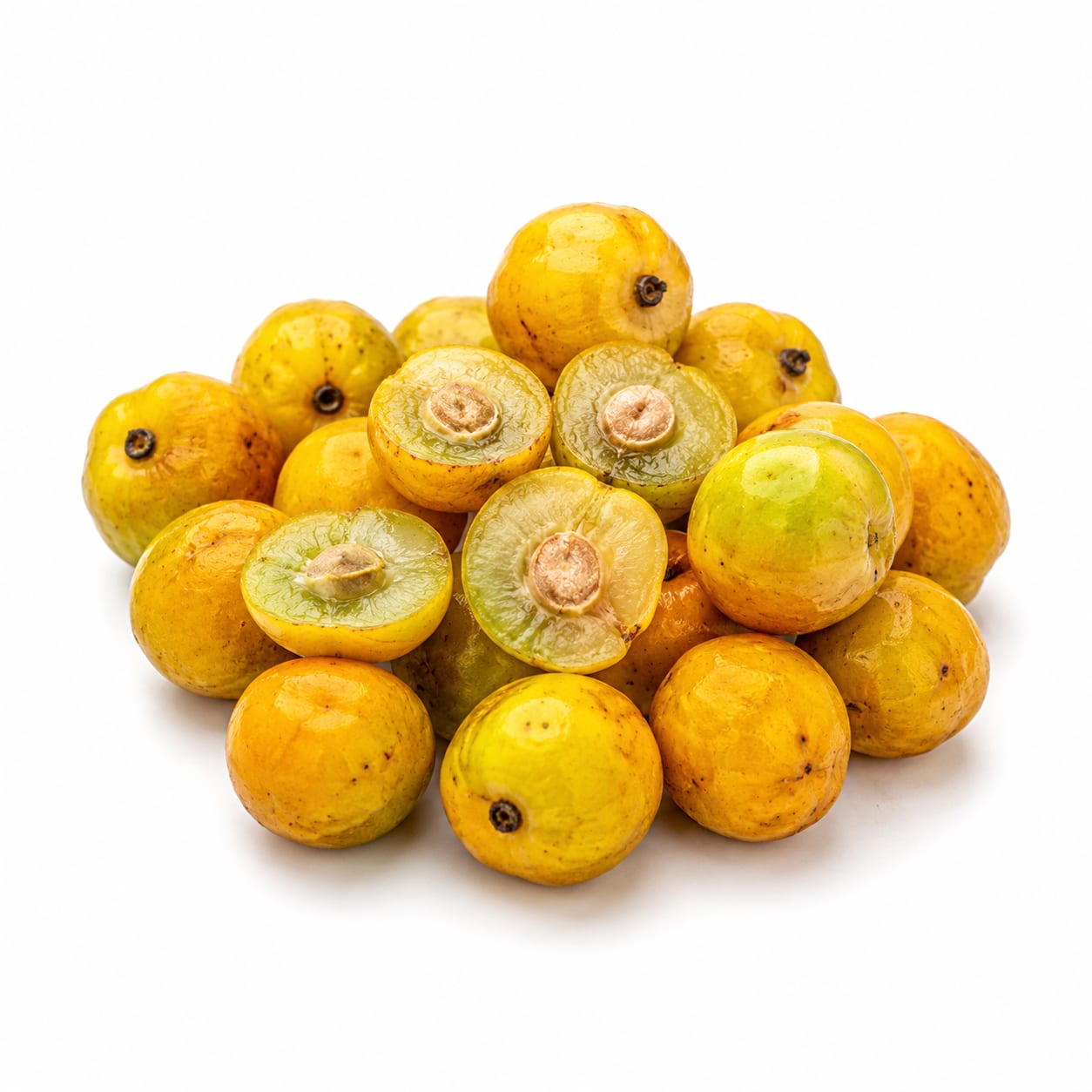
Nance
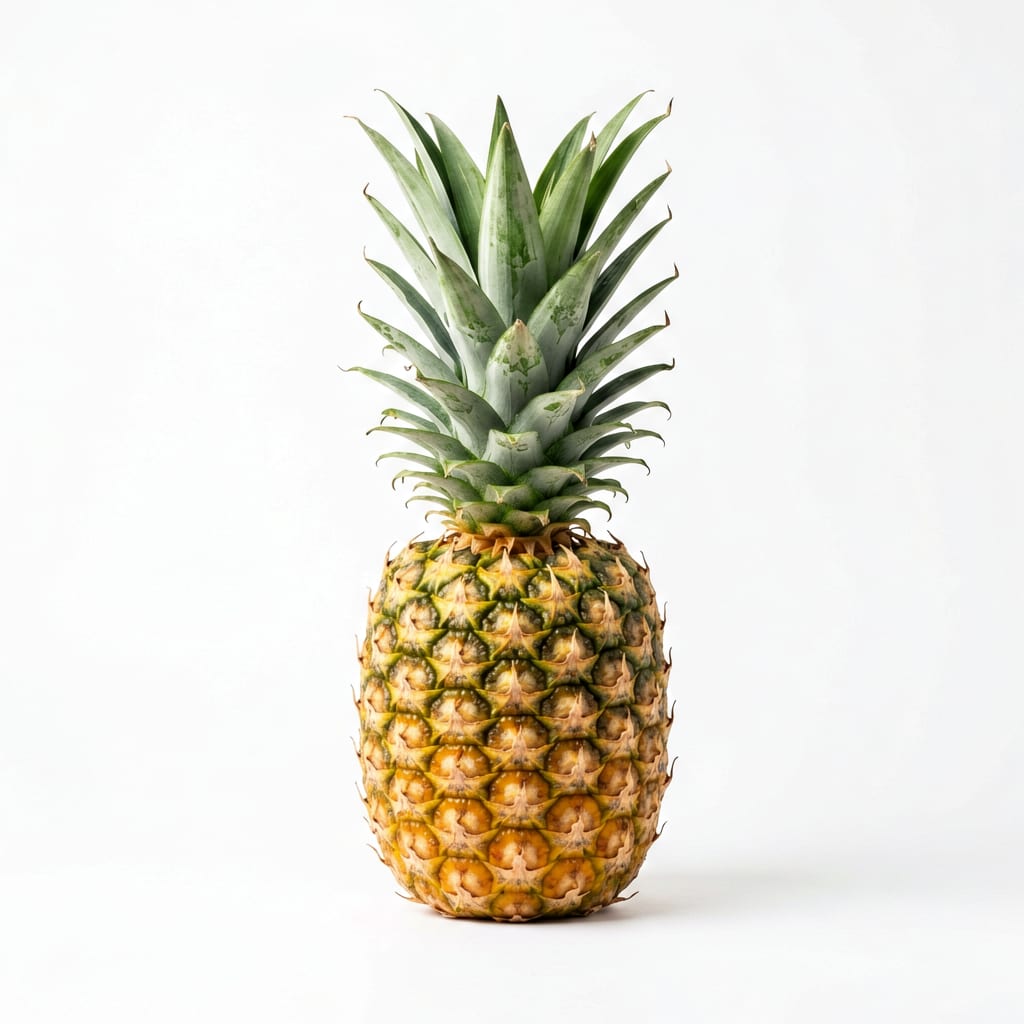
Pineapple
Pineapple wins on accessibility, digestive enzymes, and vitamin C density, while Nance offers a lower-sugar, lower-calorie tropical option with unique antioxidants.
Pineapple scores higher due to superior nutrient density, proven digestive benefits, and practical availability. Nance remains valuable for sugar-conscious consumers but loses points on accessibility and limited research on its health effects.
Pineapple delivers more nutrients per serving but comes with significantly more sugar; Nance is the lighter choice but harder to find and less versatile.
At a glance
Executive summary
Overall
It depends
Healthier
It depends
More practical
Pineapple
Daily use
Pineapple
Key comparison lenses
tropical fruit sugar and glycemic impact comparison
Pineapple is notably sweeter with higher sugar content and glycemic load, while Nance offers a lower-sugar tropical alternative
antioxidant and micronutrient profile differences
Both fruits offer distinct antioxidant compounds and vitamin profiles that serve different health goals
availability and practical daily use
Pineapple is globally accessible while Nance remains regional, significantly impacting real-world dietary choices
digestive health and enzyme benefits
Pineapple contains bromelain, a unique digestive enzyme absent in Nance, making this a key differentiator
weight management and calorie density
Nance is significantly lower in calories per serving, relevant for portion-conscious eaters
Best choice for
Nance
- Low-sugar tropical fruit lovers
- Weight-conscious snackers seeking variety
- Those managing blood sugar who still want fruit flavor
- People exploring Central American cuisine
Pineapple
- Digestive health support after meals
- Vitamin C and manganese optimization
- Post-workout anti-inflammatory recovery
- Households wanting versatile, available fruit
Least suitable for
Nance
- People without access to Latin American markets
- Those wanting large, filling fruit portions
- Anyone needing consistent year-round supply
- Consumers unfamiliar with tart, astringent flavors
Pineapple
- Strict low-carb or keto dieters
- People with sensitive blood sugar responding to sweeter fruits
- Those prone to overeating sweet foods
- Mouth soreness sufferers (bromelain irritation)
Deep comparison
Dimension by dimension
Each lens scores both foods and breaks down who each option suits.
- Dimension 1 · Priority 95Nance
Sugar and Glycemic Impact
Nance · 82Pineapple · 48Nance contains roughly half the sugar per serving compared to Pineapple, making it far gentler on blood sugar.
Tradeoff
You sacrifice the satisfying sweetness of Pineapple for steadier energy and less insulin demand with Nance.
Why it matters
For anyone monitoring blood sugar or trying to reduce daily sugar intake, this difference is substantial and immediate.
Real-world impact
A bowl of Pineapple can cause a noticeable energy spike and crash; Nance provides a milder, steadier fruit experience without the sugar rollercoaster.
Nance
- Diabetics seeking tropical fruit options
- Low-sugar diet followers
- Parents limiting children's sugar exposure
Better for
- Those expecting sweet, dessert-like fruit
Worse for
Pineapple
- Athletes needing quick carbohydrate energy
- Active individuals replenishing glycogen
Better for
- Insulin-resistant individuals
- Sugar-sensitive people prone to cravings
Worse for
- Dimension 2 · Priority 88Pineapple
Vitamin C and Micronutrient Density
Nance · 62Pineapple · 88Pineapple delivers significantly more vitamin C per serving along with substantial manganese, which Nance lacks in comparable amounts.
Tradeoff
Pineapple is a micronutrient powerhouse but you pay for it with higher sugar calories; Nance offers less nutritional bang per bite.
Why it matters
Vitamin C supports immunity, skin health, and iron absorption. Manganese is essential for bone health and metabolism.
Real-world impact
A cup of Pineapple covers over 100% of daily vitamin C needs; you would need considerably more Nance to reach the same threshold.
Nance
- Those already meeting vitamin C needs from other sources
Better for
- Those relying on a single fruit for vitamin C
Worse for
Pineapple
- Immune support during cold season
- Anyone needing to boost vitamin C efficiently
- Bone health maintenance in older adults
Better for
- Vitamin C supplement users who may exceed optimal intake
Worse for
- Dimension 3 · Priority 85Pineapple
Digestive Health and Enzymes
Nance · 50Pineapple · 90Pineapple contains bromelain, a powerful digestive enzyme that breaks down protein and reduces inflammation. Nance has no equivalent compound.
Tradeoff
Pineapple actively aids digestion of other foods; Nance provides fiber but lacks enzymatic support.
Why it matters
Bromelain helps reduce bloating, supports protein digestion, and has clinically studied anti-inflammatory effects.
Real-world impact
Eating Pineapple after a heavy protein meal can meaningfully reduce bloating and discomfort. Nance offers general fiber benefits but no targeted digestive aid.
Nance
- Those with mild constipation seeking fiber variety
Better for
- Those specifically seeking digestive enzyme support
Worse for
Pineapple
- Post-meal digestive comfort
- Protein-heavy diet followers
- Joint inflammation management
Better for
- People with mouth sores or sensitive oral tissues
Worse for
- Dimension 4 · Priority 78Nance
Calorie Density and Weight Management
Nance · 85Pineapple · 58Nance is significantly lower in calories per serving, making it easier to enjoy without overshooting daily intake targets.
Tradeoff
Lower calories mean less energy and satiety per serving; Pineapple fills you up more but at a higher caloric cost.
Why it matters
For consistent weight management, lower-calorie fruit options allow more volume and flexibility throughout the day.
Real-world impact
You can eat nearly twice the volume of Nance for the same calories as a serving of Pineapple, which matters for snackers who eat with their eyes.
Nance
- Calorie-counting snackers
- Volume eaters who prefer larger portions
- Intermittent fasters breaking fasts lightly
Better for
- Very active people needing calorie-dense fuel
Worse for
Pineapple
- Those needing energy-dense snacks
- Underweight individuals seeking nutritious calories
Better for
- Strict calorie restrictors
Worse for
- Dimension 5 · Priority 82Pineapple
Availability and Practical Convenience
Nance · 25Pineapple · 90Pineapple is available year-round in virtually every grocery store worldwide. Nance is largely restricted to Latin American markets and specialty suppliers.
Tradeoff
Pineapple is always accessible and easy to incorporate into routines; Nance requires effort, planning, and often higher cost to source.
Why it matters
The healthiest food is the one you can actually buy and eat consistently. Availability directly impacts long-term dietary adherence.
Real-world impact
Most people can grab Pineapple on any grocery run. Finding fresh Nance may require specialty store visits, online ordering, or living in specific regions.
Nance
- Residents of Central and South America
- Adventurous eaters with access to Latin markets
Better for
- Rural shoppers without specialty store access
- People who need grab-and-go convenience
Worse for
Pineapple
- Busy families needing reliable fruit options
- Meal preppers requiring consistent ingredients
- Anyone living outside tropical regions
Better for
- Those in regions where Pineapple is imported and expensive
Worse for
- Dimension 6 · Priority 72It depends
Antioxidant Diversity
Nance · 75Pineapple · 73Nance contains unique carotenoids and phenolic compounds studied for liver protection. Pineapple offers flavonoids and vitamin C-driven antioxidant activity. Both contribute differently.
Tradeoff
Nance provides rarer antioxidants less commonly found in Western diets; Pineapple delivers more studied, well-characterized antioxidant compounds.
Why it matters
Antioxidant diversity matters more than quantity. Eating different fruits with different compounds provides broader cellular protection.
Real-world impact
Rotating between both fruits would give you a wider antioxidant spectrum than eating either one alone consistently.
Nance
- Those seeking novel antioxidant sources
- People interested in traditional medicinal plants
Better for
- Those wanting extensively clinically validated antioxidant benefits
Worse for
Pineapple
- Those wanting well-researched, proven antioxidant intake
- People focused on vitamin C-driven free radical defense
Better for
- People already consuming high vitamin C from other sources
Worse for
Timeline
Health impact over time
Short-term
Hours to days
Nance
- Low blood sugar impact makes it a safe between-meal snack
- Mild astringency may cause slight mouth dryness in sensitive people
- Fiber supports gentle digestive regularity
Pineapple
- Quick energy boost from natural sugars, useful before exercise
- Bromelain may cause tingling or soreness in the mouth with large portions
- Noticeable digestive comfort improvement after protein-rich meals
Long-term
Months to years
Nance
- Consistent low-sugar fruit intake supports insulin sensitivity maintenance
- Unique carotenoids may contribute to liver health based on emerging research
- Lower calorie density helps sustainable weight management over years
Pineapple
- Regular bromelain intake supports reduced systemic inflammation
- High manganese intake contributes to bone density preservation
- Sustained vitamin C consumption strengthens immune resilience and collagen production
Risk profile
Safety & processing
Both fruits are typically consumed fresh and minimally processed. Canned Pineapple in syrup is a different product entirely and should be evaluated separately. Fresh Nance and fresh Pineapple are equally clean, whole-food choices.
Nance
Pesticide residue on conventionally grown fruit
mediumAs a smaller crop with less regulated farming practices in some regions, pesticide oversight may be less consistent than major commercial fruits.
Unfamiliar preparation leading to improper consumption
lowSome consumers may not know to avoid the pit or how to select ripe fruit, leading to unpleasant but not dangerous experiences.
Pineapple
Bromelain-induced mouth irritation
lowThe enzyme that digests protein can cause tingling, soreness, or micro-ulcers in the mouth when large amounts of fresh Pineapple are consumed quickly.
High pesticide residue on conventional pineapple
mediumPineapple appears on EWG's expanded watch lists. The skin protects the flesh, but residues can transfer during cutting. Washing thoroughly helps.
Who wins for whom
Audience fit
Same foods, different winners depending on your goal.
children
PineapplePineapple's familiar sweet taste and wide availability make it more practical and appealing for kids, plus the vitamin C supports growing immune systems.
daily consumption
PineapplePineapple's consistent availability, versatility in meals, and broader nutrient profile make it more sustainable as a daily fruit habit.
diabetes
NanceSignificantly lower sugar content and gentler glycemic impact make Nance the safer choice for blood sugar management.
elderly
PineappleBromelain supports joint health and digestion, both common concerns in older adults. Higher vitamin C also aids collagen and bone maintenance.
muscle gain
PineapplePineapple offers more carbohydrates for post-workout glycogen replenishment and bromelain may aid protein digestion and muscle recovery.
weight loss
NanceNance provides tropical fruit satisfaction at roughly half the calories and sugar of Pineapple, making it easier to stay within daily targets.
Your move
Decision guide
Choose Nance
- You are actively managing blood sugar or following a low-sugar approach
- Calorie density matters more to you than sweetness
- You have access to fresh or frozen Nance and want tropical variety
- You are curious about traditional Central American fruit with unique antioxidants
Choose Pineapple
- You want a digestive aid after protein-heavy meals
- Vitamin C and manganese intake are priorities
- You need a reliable, available fruit you can find anywhere
- Post-workout recovery and anti-inflammatory support matter to you
Either works if
- You simply want more tropical fruit diversity in your diet
- Both fit your calorie and sugar budget comfortably
- You rotate fruits seasonally for broader nutrient coverage
Avoid both if
- You have a documented allergy to bromelain or tropical fruits
- You are on a strict very-low-carb protocol that excludes most fruit
- You have fructose intolerance or malabsorption issues
Final recommendation
Choose Pineapple for daily practicality, digestive support, and nutrient density. Choose Nance when sugar and calorie control are your priority and you have access to it. Ideally, rotate both to maximize antioxidant diversity while balancing sugar intake across the week.
Practical
Consumer tips
- 1
Fresh Pineapple should smell sweet at the base and have slightly yielding skin; avoid any with fermented or vinegar-like odor
- 2
Nance is best when bright yellow and slightly soft; avoid green, rock-hard fruit as it will be overly astringent
- 3
If Nance is unavailable fresh, look for frozen or jarred versions in Latin markets, but check for added sugars in jarred options
- 4
Cut Pineapple core into small pieces and blend into smoothies rather than discarding it, as the core contains the highest bromelain concentration
- 5
To reduce mouth irritation from Pineapple, chill it before eating and consume smaller bites slowly
- 6
If you are sugar-sensitive, pair Pineapple with a protein or fat source like Greek yogurt to blunt the glycemic response