
Nutrition comparison
Nance vs Papaya: Which Tropical Fruit Is Healthier?
Compare nance and papaya nutrition, sugar content, vitamins, and digestive benefits. Find out which tropical fruit is better for weight loss, diabetes, and daily health.
Overall winner · Papaya
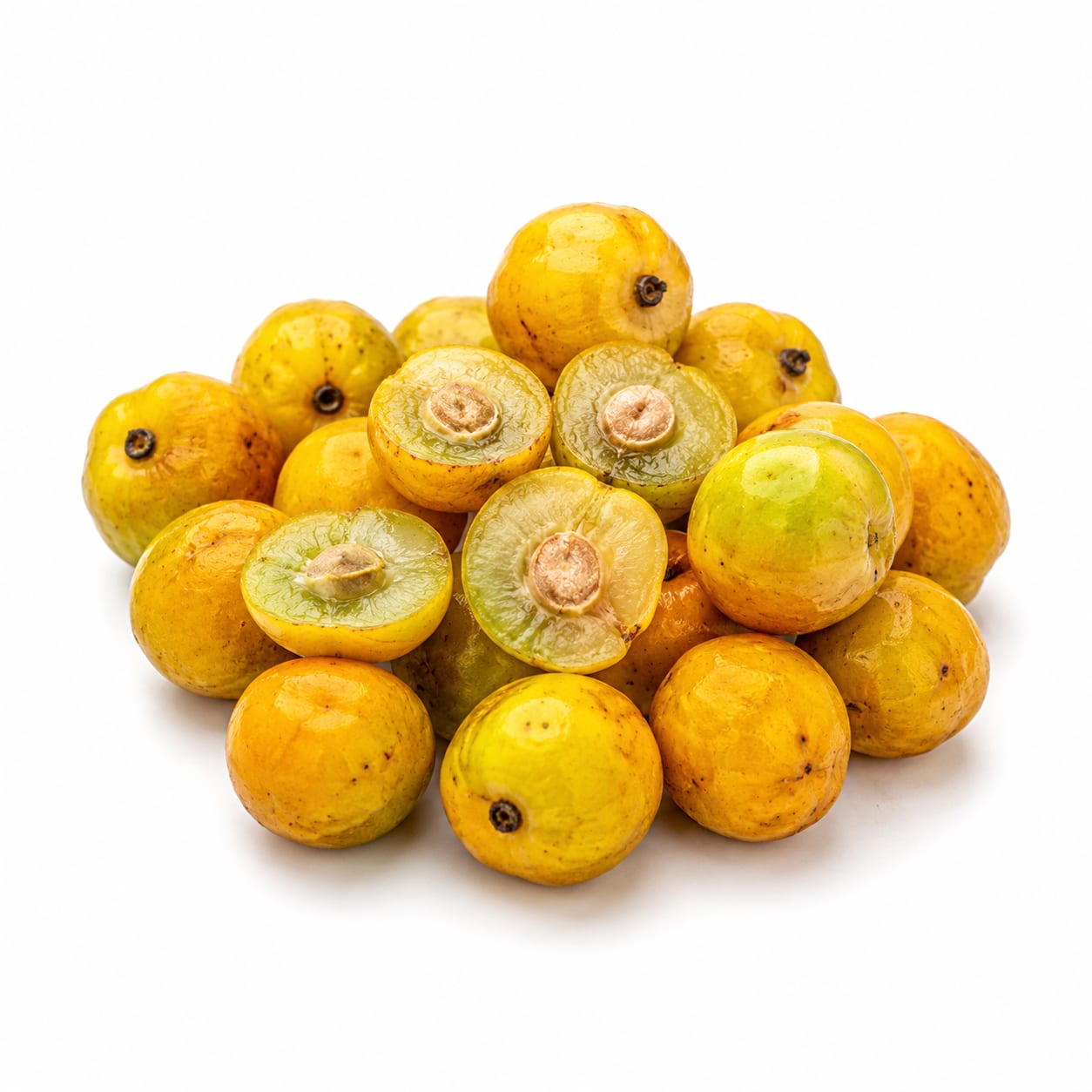
Nance
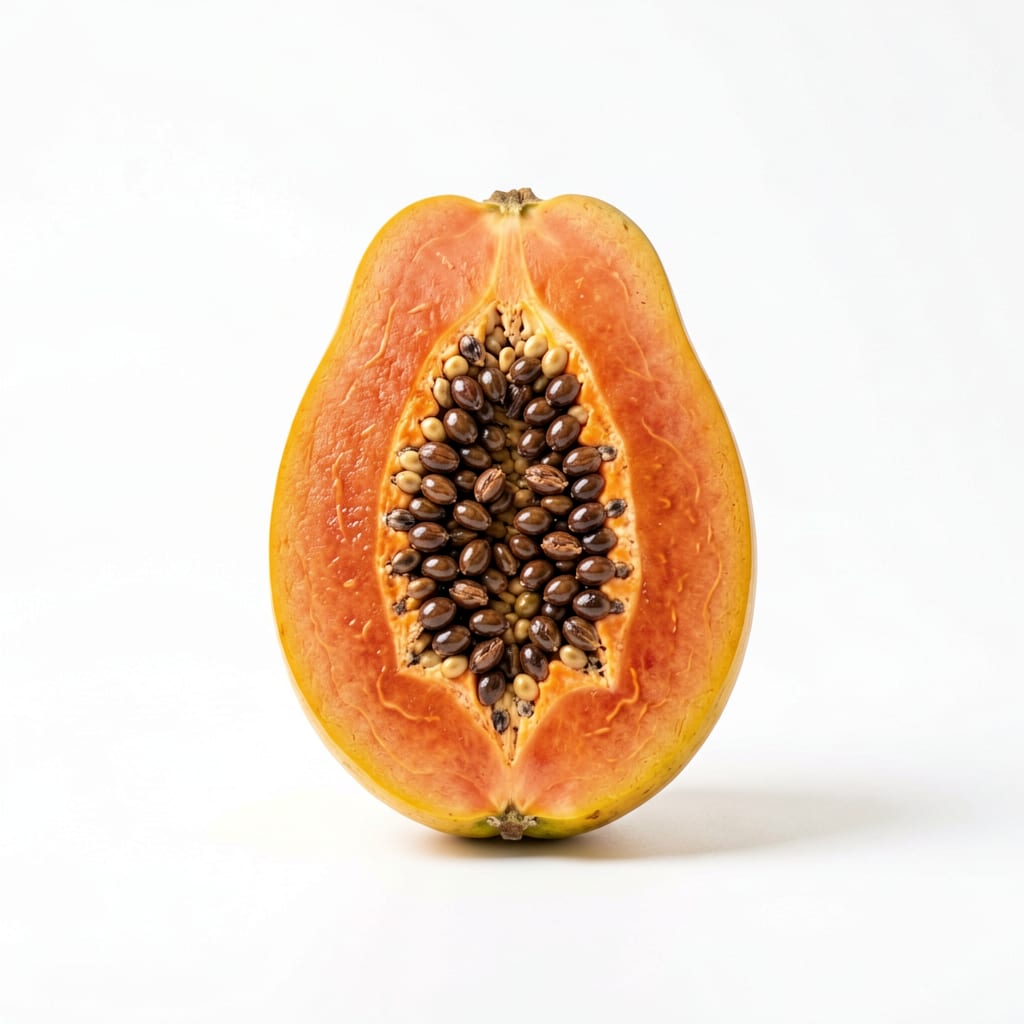
Papaya
Papaya delivers far more nutrition per serving and is easier to find, but nance offers a lower-sugar, uniquely tart alternative for those who can source it.
Papaya scores notably higher due to its superior vitamin density, fiber content, digestive enzymes, and global availability. Nance remains a valid choice for low-sugar contexts but offers less overall nutritional impact per serving.
Papaya wins on vitamins, fiber, and digestive enzymes, while nance wins on lower sugar and a more concentrated flavor that limits overeating.
At a glance
Executive summary
Overall
Papaya
Healthier
Papaya
More practical
Papaya
Daily use
Papaya
Key comparison lenses
tropical fruit nutritional value comparison
Users comparing two tropical fruits primarily want to know which delivers more nutrition per bite
digestive health benefits
Papaya is famous for papain enzyme while nance has traditional digestive uses, making gut health a key decision factor
vitamin and antioxidant density
Both fruits are valued for vitamin C and antioxidants but differ significantly in overall micronutrient load
accessibility and everyday practicality
Papaya is globally available while nance is regional, affecting real-world usability
blood sugar impact
Tropical fruits raise sugar concerns, especially for diabetic or weight-conscious users
Best choice for
Nance
- People monitoring sugar intake who want tropical flavor without the glycemic load
- Those seeking a rare, foraged-style fruit with traditional cultural significance
- Anyone who finds sweet fruits too cloying and prefers tart, sour flavors
Papaya
- People wanting maximum vitamin A and C from a single fruit
- Those with digestive issues who benefit from natural papain enzyme
- Anyone needing an accessible, affordable tropical fruit for daily consumption
Least suitable for
Nance
- People who cannot source it locally or regionally
- Those wanting substantial calorie or nutrient intake from fruit
- Anyone sensitive to very tart or astringent flavors
Papaya
- People strictly limiting carbohydrate or sugar intake
- Those with latex-fruit allergy syndrome
- Anyone who finds the texture of ripe papaya unappealing
Deep comparison
Dimension by dimension
Each lens scores both foods and breaks down who each option suits.
- Dimension 1 · Priority 95Papaya
Vitamin and Micronutrient Density
Nance · 40Papaya · 88Papaya is a micronutrient powerhouse with massive vitamin A and C content, while nance provides modest vitamin C and little else in comparable amounts.
Tradeoff
You sacrifice broad vitamin coverage with nance but get a fruit that is less sweet and more portion-controlled by nature.
Why it matters
Vitamin A supports vision and immune function, and papaya delivers over 30% of daily needs per cup versus negligible amounts in nance.
Real-world impact
Eating a cup of papaya noticeably moves the needle on your daily vitamin intake. A handful of nance barely registers nutritionally beyond a small vitamin C bump.
Nance
- Avoiding excess sugar while still getting some vitamin C
Better for
- Relying on it as a primary vitamin source
Worse for
Papaya
- Meeting daily vitamin A needs from a whole food source
- Boosting immune support through high vitamin C intake
- Getting folate for prenatal nutrition
Better for
- Keeping total carbohydrate intake very low
Worse for
- Dimension 2 · Priority 88Papaya
Digestive Health Support
Nance · 45Papaya · 90Papaya contains papain, a well-studied digestive enzyme that helps break down protein, while nance offers only mild fiber-based digestive support.
Tradeoff
Papaya actively aids digestion through enzymes; nance provides passive support through fiber but lacks the enzymatic advantage.
Why it matters
People with bloating, indigestion, or heavy meals benefit measurably from papain. This is not a marginal benefit.
Real-world impact
Eating papaya after a heavy protein meal can reduce that stuffed, sluggish feeling. Nance after a meal just adds a bit of fiber.
Nance
- Adding small amounts of fiber without significant sugar load
Better for
- Active digestive enzyme support
Worse for
Papaya
- Reducing bloating after protein-heavy meals
- Supporting regular bowel movements through higher fiber
- Soothing an irritated digestive tract with soft texture and enzymes
Better for
- Those with latex-fruit syndrome who may react to papain
Worse for
- Dimension 3 · Priority 82Nance
Sugar Content and Blood Sugar Impact
Nance · 78Papaya · 52Nance is significantly lower in sugar and has a smaller typical serving size, making it gentler on blood sugar than papaya.
Tradeoff
Lower sugar means less blood sugar concern but also less energy and fewer calories from the fruit itself.
Why it matters
For diabetics, pre-diabetics, or anyone on a low-carb plan, the sugar difference between these fruits is meaningful.
Real-world impact
A cup of papaya has about 16g of sugar. A typical serving of nance has roughly a third of that, making it easier to fit into a low-sugar eating pattern.
Nance
- Keeping blood sugar stable while enjoying fruit flavor
- Snacking without triggering sugar cravings
Better for
- Providing substantial caloric energy from fruit
Worse for
Papaya
- Replenishing energy after exercise with natural sugars
Better for
- Staying within strict daily carbohydrate limits
Worse for
- Dimension 4 · Priority 78Papaya
Antioxidant and Anti-inflammatory Potential
Nance · 50Papaya · 82Papaya delivers lycopene, beta-carotene, and vitamin C in significant amounts, while nance offers more modest antioxidant capacity.
Tradeoff
Papaya provides a broader and more studied antioxidant profile, but nance still contributes meaningfully through its phenolic compounds.
Why it matters
Chronic inflammation drives most lifestyle diseases. Consistent antioxidant intake from fruit is one of the simplest protective habits.
Real-world impact
Regular papaya consumption has been linked to reduced inflammatory markers in studies. Nance has traditional anti-inflammatory use but less clinical evidence.
Nance
- Getting some antioxidant benefit with minimal sugar cost
Better for
- Matching the researched anti-inflammatory outcomes of papaya
Worse for
Papaya
- Lycopene intake for prostate and cardiovascular protection
- Beta-carotene for skin and eye health
- Broad-spectrum antioxidant coverage from a single food
Better for
- None significant for this dimension
Worse for
- Dimension 5 · Priority 80Papaya
Availability and Practical Everyday Use
Nance · 25Papaya · 85Papaya is available in most grocery stores worldwide year-round, while nance is largely restricted to Central and South American markets and specialty suppliers.
Tradeoff
You can actually buy and eat papaya regularly. Nance remains a specialty item most people cannot access consistently.
Why it matters
The healthiest fruit is the one you can actually eat. Availability determines whether a food moves from theoretical to practical.
Real-world impact
Most readers can get papaya this week. Most readers have never seen fresh nance for sale. This gap matters for daily nutrition planning.
Nance
- Adding regional authenticity to Central American recipes
Better for
- Anyone living outside its native growing regions
Worse for
Papaya
- Consistent weekly grocery shopping
- Finding the fruit in standard supermarkets globally
- Reliable meal prep and planning
Better for
- None significant for this dimension
Worse for
- Dimension 6 · Priority 68Nance
Satiety and Portion Control
Nance · 72Papaya · 55Nance is naturally portion-controlled due to its small size and intense tartness, while papaya's sweet, soft flesh is easy to overeat.
Tradeoff
Nance stops you from overeating by design. Papaya requires conscious portioning to avoid excess sugar intake.
Why it matters
Foods that naturally limit consumption help with weight management without requiring willpower.
Real-world impact
You will likely stop after a handful of nance because the sourness builds up. A whole papaya can disappear in one sitting without the same natural brake.
Nance
- Mindless snacking without overconsumption risk
- Weight management through built-in portion control
Better for
- Feeling full from the fruit alone
Worse for
Papaya
- Feeling satisfied after eating enough volume of food
Better for
- Avoiding accidental overconsumption of sugar
Worse for
Timeline
Health impact over time
Short-term
Hours to days
Nance
- Quick vitamin C boost in a small, low-calorie package
- Mild digestive stimulation from fiber and tartness
- Satisfying sour craving without significant sugar intake
Papaya
- Noticeable digestive comfort after protein-heavy meals due to papain
- Rapid hydration from high water content
- Energy lift from natural sugars with moderate glycemic impact
Long-term
Months to years
Nance
- Modest antioxidant contribution if consumed regularly
- Low cumulative sugar exposure benefits metabolic health
- Limited impact on overall nutrient status due to small serving sizes
Papaya
- Sustained vitamin A intake supporting eye and skin health over time
- Consistent lycopene exposure linked to lower cardiovascular risk
- Improved digestive regularity from significant fiber intake
- Potential blood sugar concern if consumed in large quantities daily
Risk profile
Safety & processing
Both fruits are typically consumed fresh and whole with minimal processing. Nance is sometimes preserved in syrup or fermented into chicha, which adds sugar, but fresh nance is as natural as fresh papaya.
Nance
Pesticide residue on conventionally grown fruit
lowNance is often grown in traditional or backyard settings with minimal chemical input, but commercial sources may vary.
Seed toxicity if consumed in large quantities
lowNance seeds are generally avoided in consumption and are not commonly eaten, but accidental ingestion in small amounts is harmless.
Papaya
Latex-fruit allergy syndrome
mediumPeople with latex allergies may react to papaya due to cross-reactive proteins, particularly papain. Reactions can range from oral itching to anaphylaxis in severe cases.
Unripe papaya latex concerns
mediumUnripe papaya contains high concentrations of latex that can stimulate uterine contractions. Pregnant women should avoid unripe papaya specifically.
Pesticide residue on conventionally grown papaya
lowPapaya appears on moderate pesticide concern lists. Washing thoroughly or choosing organic reduces exposure.
Who wins for whom
Audience fit
Same foods, different winners depending on your goal.
children
PapayaPapaya's sweet taste and soft texture appeal to kids, and its vitamin A content supports growing bodies. Nance's tartness often puts children off.
daily consumption
PapayaPapaya's nutritional density, digestive benefits, and wide availability make it a more impactful daily habit for most people.
diabetes
NanceLower sugar content and smaller typical serving size make nance gentler on blood glucose, though both should be consumed mindfully.
elderly
PapayaPapaya's soft texture is easy to chew, its digestive enzymes help with common age-related digestion issues, and its high vitamin A supports aging eyes.
muscle gain
PapayaPapaya provides more carbohydrates for post-workout recovery and papain aids protein digestion, supporting muscle building nutrition.
weight loss
NanceNance provides intense flavor satisfaction with minimal calories and sugar, and its tartness naturally limits portion size without requiring willpower.
Your move
Decision guide
Choose Nance
- You are monitoring blood sugar or following a low-carb eating pattern
- You live in or near Central America where nance is affordable and fresh
- You prefer tart, sour flavors over sweet ones
- You want a snack that naturally prevents overeating
Choose Papaya
- You want maximum nutritional return from your fruit choices
- You experience bloating or indigestion after meals
- You need a widely available tropical fruit for daily consumption
- You are focused on vitamin A, lycopene, or antioxidant intake
- You are pregnant and want folate from whole foods (ripe papaya only)
Either works if
- You simply want to add more tropical fruit variety to your diet
- You are looking for whole-food vitamin C sources
- You enjoy both sweet and tart fruit flavors
Avoid both if
- You have a strict very-low-carb medical protocol
- You have fructose intolerance or malabsorption issues
- You are eliminating all tropical fruits due to oral allergy syndrome
Final recommendation
Choose papaya as your default tropical fruit for its superior nutrition, digestive enzymes, and accessibility. Add nance when you can find it as a low-sugar, high-flavor complement that keeps your fruit intake interesting without spiking blood sugar.
Practical
Consumer tips
- 1
If you have a latex allergy, test papaya cautiously with a small bite and monitor for oral itching or swelling.
- 2
Choose ripe papaya that yields slightly to pressure for the best flavor and highest nutrient availability.
- 3
Look for nance in Latin American markets, often sold in small baskets or bags; avoid canned nance in heavy syrup.
- 4
Freeze papaya chunks for smoothies — it blends well and retains most of its vitamin C content.
- 5
If nance is too tart to eat fresh, try it blended into a small amount of sparkling water with lime for a low-sugar refresher.
- 6
Wash papaya thoroughly before cutting to avoid transferring surface pesticide residue to the flesh.