
Nutrition comparison
Nance vs Mango: Which Tropical Fruit Is Better for Your Health Goals?
Compare Nance and Mango on sugar, calories, vitamins, and practical use. Find out which fruit fits your diet — low-sugar snacking or nutrient-dense energy.
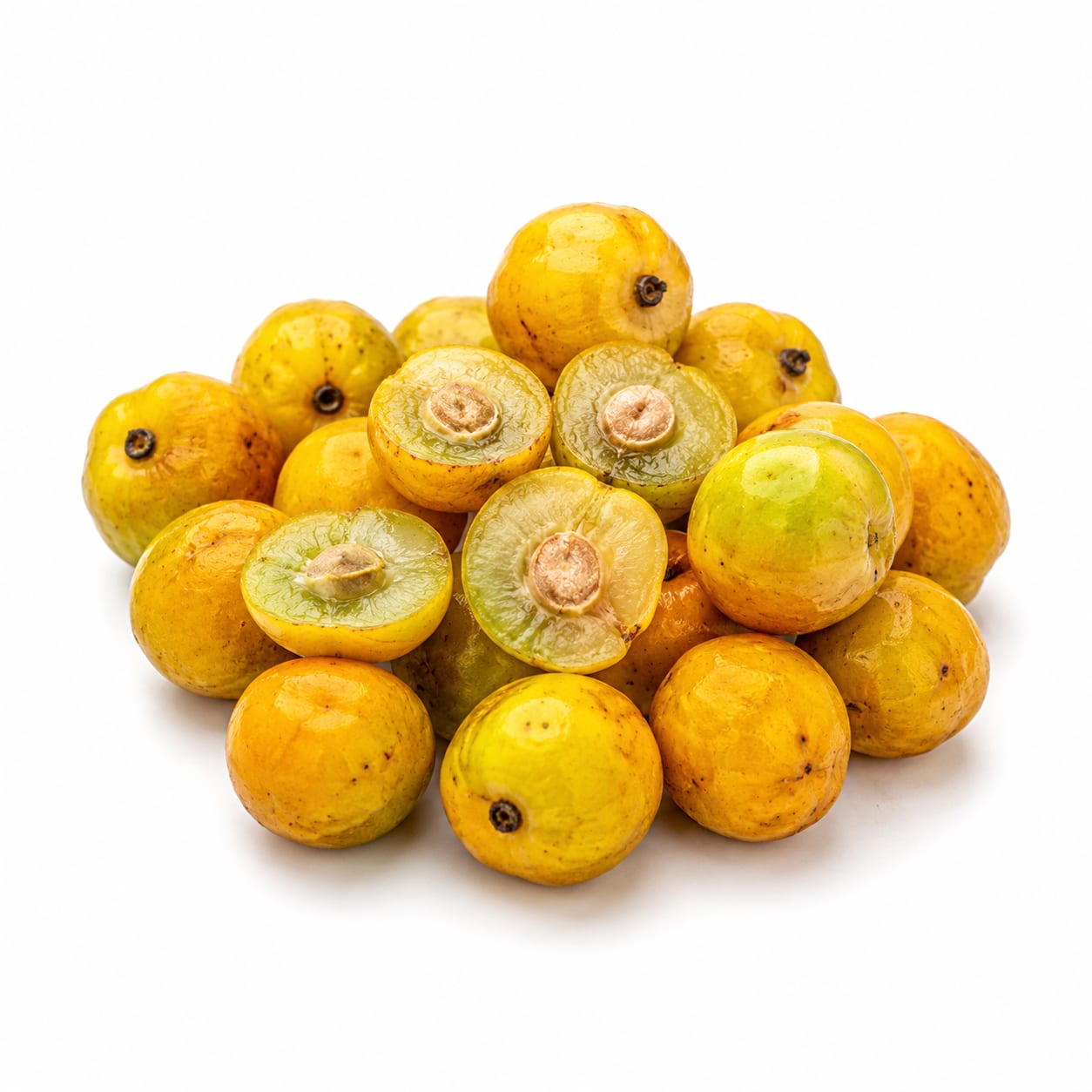
Nance
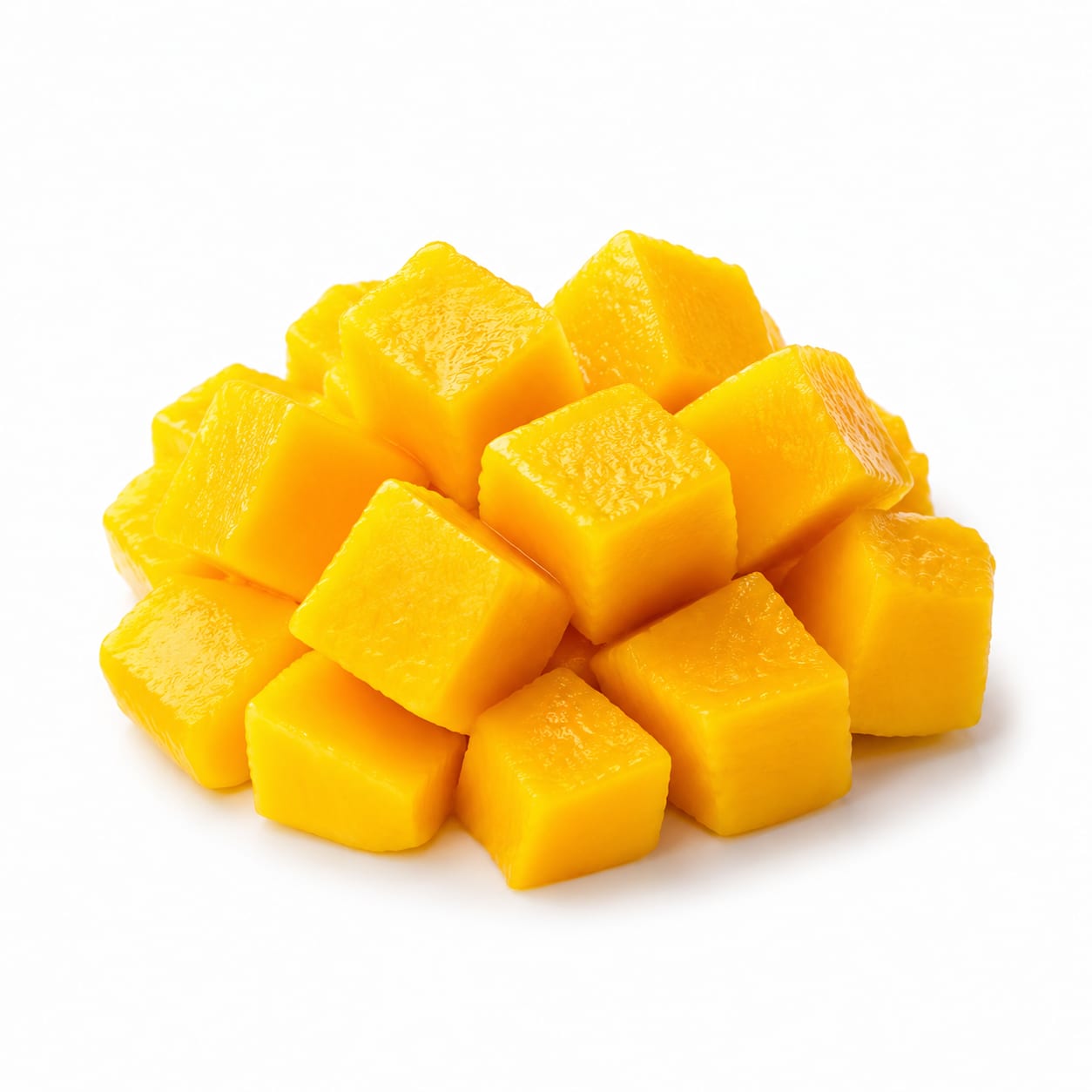
Mango
Mango wins on nutrition density and versatility, but Nance is the clear choice for low-sugar, low-calorie snacking.
Mango scores higher overall due to superior vitamin content, fiber, and everyday usability. Nance stays competitive for low-sugar and low-calorie contexts but loses points for limited availability and smaller nutrient payload per serving.
Mango gives you more vitamins and satisfaction per serving, while Nance gives you tart flavor with almost no caloric cost.
At a glance
Executive summary
Overall
It depends
Healthier
It depends
More practical
Mango
Daily use
Mango
Key comparison lenses
sugar and glycemic impact
Mango is significantly sweeter with more sugar; users watching blood sugar need to know this difference
vitamin and antioxidant profile
Mango delivers far more vitamin A and beta-carotene, while Nance offers unique phytonutrients less common in mainstream diets
calorie density and weight management
Nance is dramatically lower in calories per serving, making it relevant for portion-conscious eaters
availability and everyday practicality
Mango is globally available year-round; Nance is regional and hard to find outside Latin America
culinary versatility
Mango works in smoothies, salsas, desserts, and savory dishes; Nance is more niche, often preserved or fermented
Best choice for
Nance
- Low-sugar diets and diabetic meal plans
- Calorie-restricted eating windows
- Anyone seeking unique tropical flavors without the sugar hit
- Traditional Latin American cuisine
Mango
- Vitamin A deficiency or poor eye health
- Active individuals needing energy-dense fruit
- Families wanting kid-friendly fruit options
- Smoothie and meal-prep enthusiasts
Least suitable for
Nance
- People who dislike tart or acidic flavors
- Anyone needing calorie-dense post-workout fuel
- Consumers outside regions where Nance is sold
- Large-batch meal preparation due to small fruit size
Mango
- Strict low-carb or ketogenic diets
- Blood sugar management without portion control
- People prone to overeating sweet fruit
- Those watching total daily sugar intake closely
Deep comparison
Dimension by dimension
Each lens scores both foods and breaks down who each option suits.
- Dimension 1 · Priority 92Nance
sugar_and_glycemic_load
Nance · 82Mango · 48Nance has roughly one-third the sugar of Mango per serving, making it far gentler on blood sugar.
Tradeoff
You sacrifice the sweet, satisfying taste of Mango but gain steadier energy and less insulin demand.
Why it matters
For anyone monitoring glucose or trying to reduce sugar cravings, this difference is decisive.
Real-world impact
A bowl of Nance won't give you the afternoon crash that a large Mango portion can trigger.
Nance
- Diabetics managing post-meal glucose
- Keto-adjacent eaters wanting fruit flavor
- Parents limiting kids' sugar exposure
Better for
- Anyone expecting dessert-like sweetness
Worse for
Mango
- Endurance athletes needing quick carbs
- Underweight individuals seeking calorie density
Better for
- Insulin-resistant individuals eating large portions
- Sugar-sensitive people prone to energy dips
Worse for
- Dimension 2 · Priority 88Mango
vitamin_and_mineral_density
Nance · 52Mango · 88Mango is a powerhouse of vitamin A, folate, and vitamin C. Nance provides vitamin C but lacks the broader nutrient spectrum.
Tradeoff
Mango delivers more nutrition per calorie overall, especially for immune and eye health.
Why it matters
If fruit is a primary vitamin source in your diet, Mango does significantly more heavy lifting.
Real-world impact
Eating one Mango covers over 50% of your daily vitamin A needs. Nance cannot match that.
Nance
- Those already meeting vitamin A needs through other foods
- People wanting variety beyond common fruit nutrients
Better for
- Vegans who depend on fruit for beta-carotene
Worse for
Mango
- Anyone with low vitamin A intake
- Pregnant women needing folate
- People relying on fruit for immune support
Better for
- People already supplementing vitamin A at high doses
Worse for
- Dimension 3 · Priority 85Nance
calorie_efficiency
Nance · 90Mango · 58Nance delivers bold tropical flavor at roughly 40-50 calories per cup versus Mango's 100+ calories.
Tradeoff
You can eat more Nance volume for fewer calories, but you get less satiety per serving.
Why it matters
For grazers and snackers who eat by volume, Nance lets you munch longer without overshooting calories.
Real-world impact
A full cup of Nance feels like a generous snack for under 50 calories. The same cup of Mango triples that.
Nance
- Volume eaters who want large portions
- Calorie-counters tracking every bite
- Intermittent fasters breaking fasts gently
Better for
- Those struggling to eat enough calories daily
Worse for
Mango
- Active people needing fuel density
- Hikers and athletes replacing burned calories
Better for
- Anyone cutting for weight loss
Worse for
- Dimension 4 · Priority 78Mango
fiber_and_digestive_health
Nance · 60Mango · 78Mango provides more fiber per serving, supporting digestion and fullness better than Nance.
Tradeoff
Mango keeps you fuller longer, but Nance still contributes respectable fiber given its tiny calorie count.
Why it matters
Fiber is the difference between a snack that holds you and one you forget in 20 minutes.
Real-world impact
A Mango with breakfast can keep you full until lunch. Nance is more of a light palate cleanser.
Nance
- Light snackers who prefer small bites between meals
Better for
- Those relying on fruit alone for satiety
Worse for
Mango
- Anyone using fruit as a meal component
- People needing digestive regularity
Better for
- People with sensitive digestion to high-fiber loads
Worse for
- Dimension 5 · Priority 80Mango
availability_and_convenience
Nance · 28Mango · 90Mango is available in nearly every grocery store worldwide. Nance is regional and rarely found outside Latin America.
Tradeoff
Mango is always accessible; Nance is a specialty find requiring ethnic markets or travel.
Why it matters
The best fruit for you is the one you can actually buy and eat consistently.
Real-world impact
Most people reading this can get a Mango today. Finding fresh Nance may require a trip to a Latin market or ordering preserved versions online.
Nance
- Residents of Mexico, Central America, or northern South America
- Travelers seeking local fruit experiences
Better for
- Anyone outside its native growing regions
Worse for
Mango
- Everyone else globally
- Meal preppers needing reliable ingredient sourcing
Better for
- People in extremely remote areas with limited cold-chain produce access
Worse for
- Dimension 6 · Priority 72It depends
antioxidant_diversity
Nance · 74Mango · 76Mango offers carotenoids and mangiferin. Nance contributes unique phenolic compounds less studied but potentially valuable.
Tradeoff
Mango's antioxidants are well-documented; Nance's are emerging research with promising but less proven benefits.
Why it matters
Dietary diversity in antioxidants matters more than loading one type. Both contribute differently.
Real-world impact
Eating both fruits occasionally gives you a wider antioxidant spectrum than eating either alone.
Nance
- Antioxidant enthusiasts wanting dietary diversity
- People already eating carotenoid-rich foods regularly
Better for
- People who want clinically validated antioxidant data
Worse for
Mango
- Those seeking well-researched anti-inflammatory compounds
- Anyone wanting proven skin-health benefits from carotenoids
Better for
- Those already consuming large amounts of orange fruits and vegetables
Worse for
Timeline
Health impact over time
Short-term
Hours to days
Nance
- Quick tart flavor burst without sugar rush
- Minimal blood sugar disruption after eating
- Light hydration without feeling heavy
Mango
- Immediate energy boost from natural sugars
- Noticeable fullness after a single fruit
- Possible blood sugar spike if eaten in large quantities on an empty stomach
Long-term
Months to years
Nance
- Consistent low-sugar fruit intake supports insulin sensitivity
- Unique polyphenols may contribute to gut microbiome diversity
- Low calorie density helps maintain healthy weight when used as a regular snack
Mango
- Sustained vitamin A intake supports eye health and immune function over time
- Regular mango consumption linked to improved skin elasticity
- High sugar load from daily large portions could contribute to metabolic strain if not portioned
Risk profile
Safety & processing
Both Nance and Mango are whole, unprocessed fruits when eaten fresh. The main concern is that Nance is frequently sold preserved in syrup or fermented, which adds sugar and reduces its natural advantage. Always choose fresh or frozen over syrup-packed versions.
Nance
Pesticide residue on conventionally grown fruit
mediumNance is often grown by small-scale farmers with variable pesticide practices. Washing thoroughly is important, but organic sourcing is harder to verify.
Fermented or syrup-preserved versions with added sugar
mediumMany commercially available Nance products outside fresh markets are packed in heavy syrup, negating the low-sugar benefit.
Mango
Uraciol contact dermatitis from mango peel
mediumMango peel contains urushiol, the same compound in poison ivy. Sensitive individuals can get contact rashes. Always peel before eating.
Pesticide residue on conventionally grown imported mangoes
lowMango consistently appears on moderate-risk pesticide lists. Peeling significantly reduces exposure.
Who wins for whom
Audience fit
Same foods, different winners depending on your goal.
children
MangoKids overwhelmingly prefer Mango's sweet taste and soft texture. Nance's tartness is an acquired preference most children reject.
daily consumption
MangoMango's broader nutrient profile, better availability, and versatility make it more sustainable as a daily fruit staple.
diabetes
NanceSignificantly lower sugar content and glycemic load make Nance safer for blood glucose management when portioned reasonably.
elderly
MangoMango's soft texture, higher vitamin A for aging eyes, and folate content make it more supportive for older adults' nutritional needs.
muscle gain
MangoMango provides more carbs and calories to support training energy and recovery, plus vitamin C aids collagen repair.
weight loss
NanceNance delivers strong flavor at a fraction of the calories, making it easier to stay within a deficit while still enjoying fruit.
Your move
Decision guide
Choose Nance
- You are actively managing blood sugar or following a low-carb approach
- You want a low-calorie fruit snack with bold flavor
- You live in or visit regions where Nance is fresh and affordable
- You are seeking dietary diversity and unique phytonutrients
Choose Mango
- You want maximum vitamin A and folate from a fruit source
- You need satisfying, energy-dense fruit for active days
- You are meal-prepping smoothies, salsas, or desserts
- You are feeding kids or picky eaters who prefer sweet fruit
Either works if
- You simply want to add more tropical fruit variety to your week
- You have no specific health restrictions on sugar intake
- You enjoy alternating flavors between tart and sweet
Avoid both if
- You have a documented allergy to either fruit
- You are on a strict zero-fructose medical protocol
- You are sensitive to tropical fruit enzymes that cause mouth irritation
Final recommendation
Keep Mango as your everyday tropical fruit for its nutrient density and satisfaction. When you can find fresh Nance, enjoy it as a low-sugar treat that adds flavor diversity without the sugar load. Both fruits earn a place in a balanced diet — the key is matching the right one to your current health goal.
Practical
Consumer tips
- 1
Always peel Mango before eating to avoid urushiol skin reactions from the peel
- 2
Seek fresh or frozen Nance over syrup-packed jars to preserve its low-sugar advantage
- 3
Freeze diced Mango for instant smoothie additions that also chill your drink
- 4
If Nance is unavailable fresh, look for frozen pulp without added sugar as a compromise
- 5
Pair Mango with a protein source like Greek yogurt to blunt its blood sugar impact
- 6
Use Nance as a cocktail garnish or salad accent where its tartness shines without needing large quantities