
Nutrition comparison
Nance vs Acerola: Vitamin C, Fiber, and Tropical Fruit Nutrition Compared
Compare Nance and Acerola tropical fruits. Acerola delivers extraordinary vitamin C for immune support while Nance offers better fiber and minerals. Find which suits your health goals.
Overall winner · Acerola
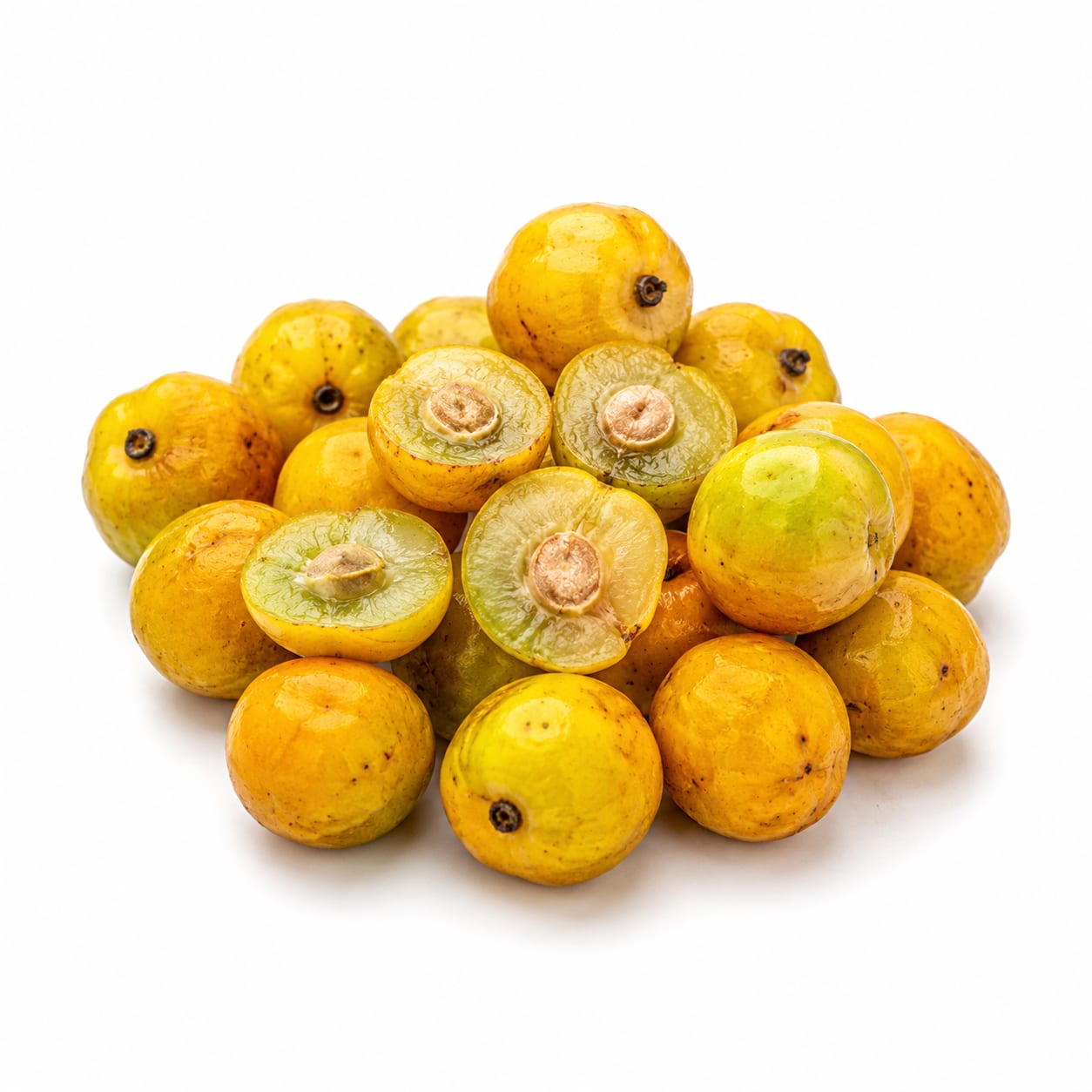
Nance
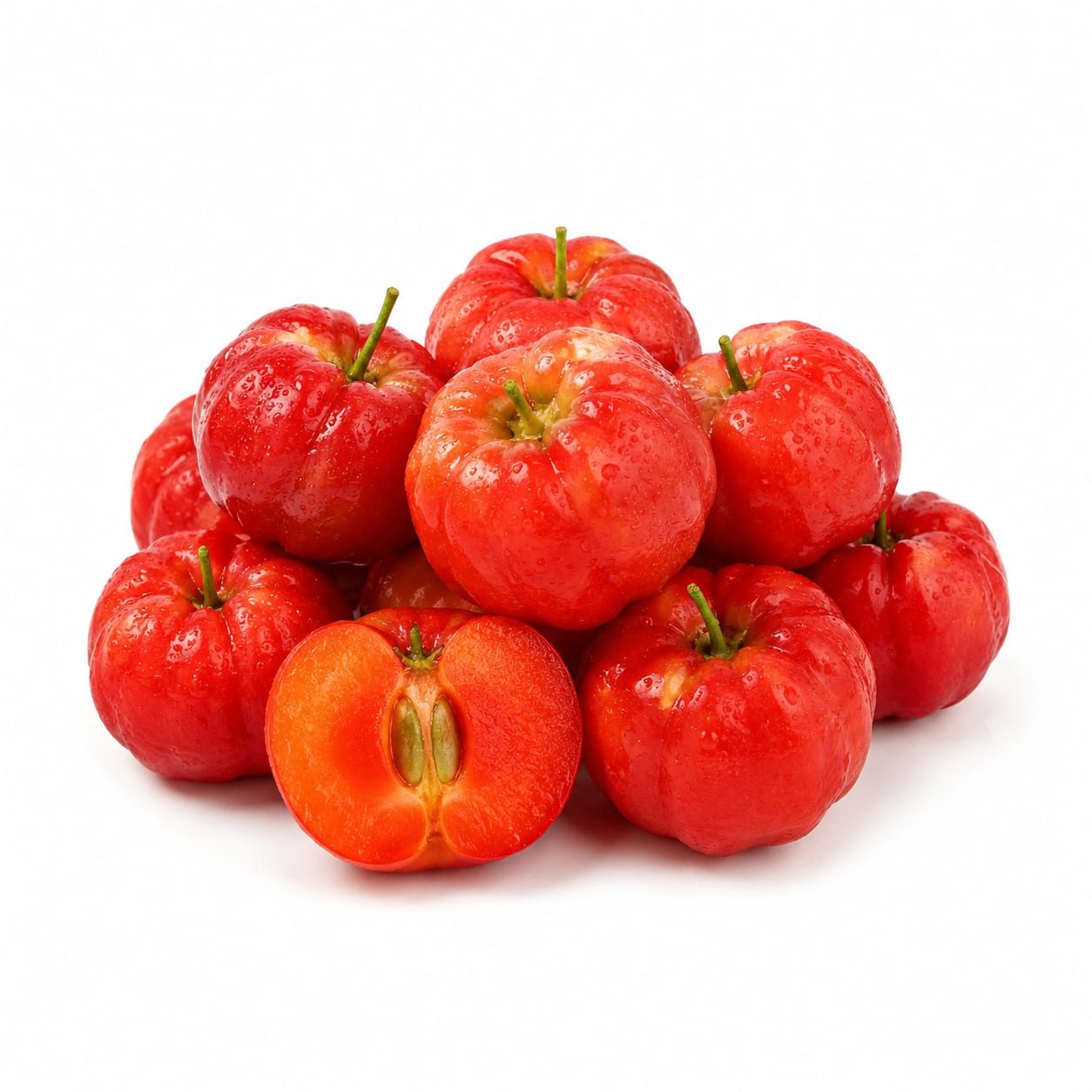
Acerola
Acerola dominates for vitamin C and immune support, while Nance offers a more balanced nutrient profile with better fiber and a wider range of traditional culinary uses.
Acerola scores significantly higher due to its exceptional vitamin C concentration and antioxidant potency, which are the primary reasons people seek out tropical fruits. Nance remains a solid choice with better fiber and mineral content, but its nutritional signature is less distinctive.
Acerola delivers an extraordinary vitamin C punch that Nance cannot match, but Nance provides more fiber, a richer mineral profile, and a more versatile eating experience beyond just supplementation.
At a glance
Executive summary
Overall
Acerola
Healthier
Acerola
More practical
Nance
Daily use
It depends
Key comparison lenses
Vitamin C supremacy and immune support
Acerola is one of the most concentrated natural vitamin C sources on earth, making this the defining difference between these two tropical fruits
Antioxidant diversity and oxidative stress protection
Both fruits offer distinct antioxidant profiles that serve different protective roles in the body
Tropical fruit selection for daily nutrition
Users choosing between these fruits are likely seeking tropical options for routine health benefits
Fresh availability and practical sourcing
Both fruits face availability challenges outside tropical regions, but acerola has wider supplement and juice distribution
Digestive and gut health contribution
Fiber content and traditional digestive uses differ meaningfully between these fruits
Best choice for
Nance
- People wanting a satisfying whole fruit snack with fiber
- Those seeking minerals like calcium and iron from fruit
- Culinary use in beverages, desserts, and savory dishes
- Gentle daily fruit consumption without excessive acidity
Acerola
- Immune system support during cold season
- Maximizing vitamin C intake from whole food sources
- Antioxidant loading for skin health and anti-aging
- Athletes needing rapid recovery support
Least suitable for
Nance
- Anyone specifically seeking high vitamin C intake
- People wanting convenient supplement-form tropical fruit
- Those who find very tart or astringent flavors unpleasant
Acerola
- People with sensitivity to highly acidic fruits
- Those prone to kidney stones from excess vitamin C
- Anyone wanting a filling, fiber-rich snack fruit
Deep comparison
Dimension by dimension
Each lens scores both foods and breaks down who each option suits.
- Dimension 1 · Priority 95Acerola
Vitamin C Content
Nance · 25Acerola · 99Acerola contains roughly 20 to 30 times more vitamin C than Nance, making it one of the most concentrated natural sources available anywhere.
Tradeoff
Acerola's extraordinary vitamin C comes with high acidity that can irritate sensitive stomachs, while Nance offers gentler, more moderate vitamin levels.
Why it matters
Vitamin C is essential for immune function, collagen synthesis, and iron absorption. Getting it from whole fruit provides cofactors that supplements lack.
Real-world impact
A single serving of Acerola can meet several days of vitamin C needs, while Nance provides a modest daily contribution similar to many common fruits.
Nance
- Gentle vitamin C intake without stomach upset
- Sustained moderate intake over mega-dosing
Better for
- Anyone relying on fruit as primary vitamin C source
Worse for
Acerola
- Rapid immune support when fighting illness
- Maximum antioxidant protection in a single serving
- Post-surgery or post-injury recovery support
Better for
- People with GERD or acid sensitivity
- Those at risk for oxalate kidney stones
Worse for
- Dimension 2 · Priority 75Nance
Fiber and Digestive Health
Nance · 72Acerola · 45Nance provides notably more dietary fiber per serving, supporting digestion and satiety in ways Acerola cannot match.
Tradeoff
Nance fills you up more and supports gut health better, but Acerola's lower fiber makes it easier to consume as juice or concentrate.
Why it matters
Fiber regulates blood sugar, supports gut bacteria, and keeps you feeling full. Many tropical fruit consumers overlook this when chasing vitamin content.
Real-world impact
Eating Nance feels like eating a real snack that satisfies hunger. Acerola feels more like a supplement you consume for a specific purpose.
Nance
- Sustained energy without blood sugar spikes
- Gut microbiome support from prebiotic fiber
- Feeling full between meals
Better for
- Those wanting a light, low-residue fruit option
Worse for
Acerola
- Quick nutrient absorption without fiber slowing digestion
Better for
- Anyone needing digestive regularity from fruit
- People who eat fruit as a satisfying snack
Worse for
- Dimension 3 · Priority 85Acerola
Antioxidant Diversity
Nance · 65Acerola · 88Acerola offers a broader and more potent antioxidant profile including carotenoids, anthocyanins, and flavonoids alongside its massive vitamin C content.
Tradeoff
Acerola's antioxidant power is impressive but heavily skewed toward vitamin C-dependent pathways. Nance provides different antioxidant compounds that complement other dietary sources.
Why it matters
Diverse antioxidants protect different tissues and systems. Relying on one dominant antioxidant type leaves gaps in cellular protection.
Real-world impact
Acerola is like a targeted shield for oxidative stress. Nance is like a lighter but more varied defense that works well as part of a diverse diet.
Nance
- Contributing antioxidant variety to an already vitamin C-rich diet
- People who eat other high-vitamin C foods regularly
Better for
- Standalone antioxidant support without other fruit variety
Worse for
Acerola
- Comprehensive antioxidant protection in a single fruit
- Skin health and anti-aging protocols
- High-pollution or high-stress environments
Better for
- Those already supplementing high-dose vitamin C who may exceed optimal intake
Worse for
- Dimension 4 · Priority 60Nance
Mineral Content
Nance · 70Acerola · 50Nance contains more calcium, iron, and phosphorus per serving, giving it a meaningful mineral advantage that often gets overlooked.
Tradeoff
Neither fruit is a mineral powerhouse, but Nance contributes more meaningfully to daily mineral needs while Acerola focuses almost entirely on vitamin C.
Why it matters
Tropical fruit consumers often assume all options are nutritionally similar. Mineral differences affect bone health, energy, and oxygen transport.
Real-world impact
Regular Nance consumption subtly supports bone density and energy metabolism. Acerola's mineral contribution is negligible.
Nance
- Women needing extra iron from food sources
- Bone health support alongside other calcium sources
- More balanced nutrition from a single fruit
Better for
- Those expecting dramatic mineral improvements from fruit alone
Worse for
Acerola
- Situations where vitamin C helps absorb minerals from other foods eaten alongside
Better for
- Anyone relying on fruit as a meaningful mineral source
Worse for
- Dimension 5 · Priority 65Nance
Culinary Versatility and Enjoyment
Nance · 80Acerola · 55Nance has a wider culinary tradition spanning beverages, desserts, ice cream, and savory dishes, while Acerola is primarily consumed as juice or supplement.
Tradeoff
Nance integrates into meals and recipes more naturally, making it easier to consume regularly. Acerola is often treated as a functional supplement rather than a food.
Why it matters
The best healthy food is one you actually enjoy eating consistently. Culinary flexibility determines long-term adherence.
Real-world impact
Nance feels like a food you build meals and traditions around. Acerola feels like something you take because it is good for you.
Nance
- Creating diverse meals and snacks
- Sharing fruit-based dishes with family
- Developing sustainable healthy eating patterns
Better for
- Those wanting simple grab-and-go nutrition
Worse for
Acerola
- Quick functional nutrition without preparation effort
- Blending into smoothies where taste can be masked
Better for
- Anyone who finds highly tart flavors unpleasant
- People who want to enjoy fruit as a food experience
Worse for
- Dimension 6 · Priority 70Acerola
Availability and Sourcing Practicality
Nance · 40Acerola · 65Acerola has wider commercial availability as juice, frozen pulp, and supplements outside tropical regions. Nance remains primarily a local market fruit.
Tradeoff
Acerola is easier to find globally but often in processed forms that reduce nutrient integrity. Nance is harder to source but typically consumed closer to its natural state when available.
Why it matters
Nutritional benefits only matter if you can actually access the food. Availability determines whether comparison is theoretical or practical.
Real-world impact
Most people outside Latin America can find Acerola products but may never see fresh Nance. This makes Acerola the more realistic choice for many consumers.
Nance
- People living in or visiting regions where Nance grows locally
- Access to authentic, minimally processed whole fruit
Better for
- Anyone outside tropical growing regions
- Those unwilling to seek specialty markets
Worse for
Acerola
- Global consumers needing reliable access
- Those comfortable with frozen pulp or juice forms
- Supplement users wanting whole-food vitamin C
Better for
- People concerned about nutrient degradation in processed forms
- Those wanting fresh whole fruit experience
Worse for
Timeline
Health impact over time
Short-term
Hours to days
Nance
- Moderate energy boost from natural sugars with fiber slowing absorption
- Mild digestive support from fiber content
- Light satiety that helps between meals
Acerola
- Rapid vitamin C saturation that can be felt in immune readiness within hours
- Potential stomach discomfort if consumed in large quantities due to acidity
- Quick antioxidant effect noticeable in reduced oxidative stress markers
Long-term
Months to years
Nance
- Improved digestive regularity from consistent fiber intake
- Better mineral status contributing to bone and blood health
- Sustainable fruit consumption habit due to enjoyable taste and versatility
Acerola
- Significantly stronger immune resilience over months and years
- Enhanced collagen production supporting skin, joints, and wound healing
- Potential risk of kidney stone formation with excessive daily consumption
Risk profile
Safety & processing
Both fruits are naturally whole foods when fresh. However, Acerola is more commonly found as frozen pulp, juice, or supplement powder, which introduces processing variables and potential additive concerns. Nance is typically consumed fresh or in traditionally prepared foods, preserving its natural integrity more consistently.
Nance
Pesticide residue from conventional farming
lowNance is often grown in traditional or backyard settings with minimal chemical input, though commercial operations may use pesticides
Contamination from traditional preparation methods
lowFermented Nance beverages carry slight risk if hygiene is poor during preparation
Acerola
Vitamin C overload from concentrated forms
mediumAcerola supplements and concentrates can deliver vitamin C far beyond daily needs, potentially causing GI distress or contributing to kidney stones in susceptible individuals
Added sugars in commercial Acerola juices
mediumMany commercially available Acerola products contain added sweeteners to balance extreme tartness, undermining health benefits
Nutrient degradation in processed forms
lowVitamin C degrades with heat, light, and time. Processed Acerola products may contain less vitamin C than labeling suggests
Who wins for whom
Audience fit
Same foods, different winners depending on your goal.
children
NanceNance's milder, sweeter flavor and better satiety make it more appropriate for children. Acerola's extreme tartness and concentrated vitamin C are less suitable for young digestive systems.
daily consumption
It dependsNance is better as a daily whole food snack due to balanced nutrition and fiber. Acerola is better as a targeted daily supplement for immune and antioxidant support, but not as a primary fruit.
diabetes
NanceNance's fiber slows sugar absorption more effectively, leading to steadier blood sugar responses. Acerola's lower fiber and higher acidity can cause quicker glycemic impact.
elderly
AcerolaAcerola's immune support and collagen benefits address common elderly health concerns more directly, though vitamin C intake should be monitored to avoid exceeding safe limits.
muscle gain
AcerolaAcerola's exceptional vitamin C content supports collagen synthesis and exercise recovery more effectively, though neither fruit is a primary muscle-building food.
weight loss
NanceNance's higher fiber content provides more satiety per calorie, helping control hunger between meals. Acerola's low fiber makes it less filling despite similar calorie counts.
Your move
Decision guide
Choose Nance
- You want a satisfying whole fruit that doubles as a snack
- You value fiber and digestive health alongside vitamins
- You live in or near regions where Nance is available fresh
- You prefer balanced nutrition over targeted supplementation
- You enjoy cooking with fruit and want culinary versatility
Choose Acerola
- Immune support is your top priority
- You want maximum vitamin C from a natural source
- You are comfortable with juices, frozen pulp, or supplement forms
- You need potent antioxidant support for skin or recovery
- You already eat plenty of fiber from other sources
Either works if
- You simply want to add more tropical fruit variety to your diet
- You have access to both fruits fresh and can rotate them
- You are generally healthy and seeking diverse plant nutrients
Avoid both if
- You have tropical fruit allergies or sensitivities
- You are on medications that interact with high vitamin C intake
- You cannot source either fruit in reasonably fresh or unadulterated forms
Final recommendation
Choose Acerola if immune support and vitamin C are your primary goals. Choose Nance if you want a more balanced, satisfying whole fruit experience with better fiber and mineral content. For most people, the ideal approach is using Acerola strategically during high-need periods like cold season or intense training, while enjoying Nance as a regular part of a diverse fruit intake.
Practical
Consumer tips
- 1
If buying Acerola products, check for added sugars in juices and frozen pulp, as many commercial versions sweeten aggressively to mask tartness
- 2
Fresh Nance can be frozen for later use in smoothies and desserts without significant nutrient loss
- 3
Acerola vitamin C degrades quickly after harvesting, so frozen pulp often retains more nutrients than shipped fresh fruit
- 4
Start with small Acerola servings to assess stomach tolerance before increasing intake
- 5
Look for Nance in Latin American specialty markets, often sold as whole fruit or in traditional preparations like chicha
- 6
If using Acerola for vitamin C, pair it with iron-rich foods to maximize absorption benefits
- 7
Neither fruit should replace a varied diet of more commonly available fruits and vegetables