
Nutrition comparison
Muskmelon vs Pineapple: Which Fruit Is Better for Your Health Goals?
Compare muskmelon and pineapple on sugar, vitamins, digestion, and hydration. Find out which fruit fits your diet, blood sugar needs, and lifestyle better.
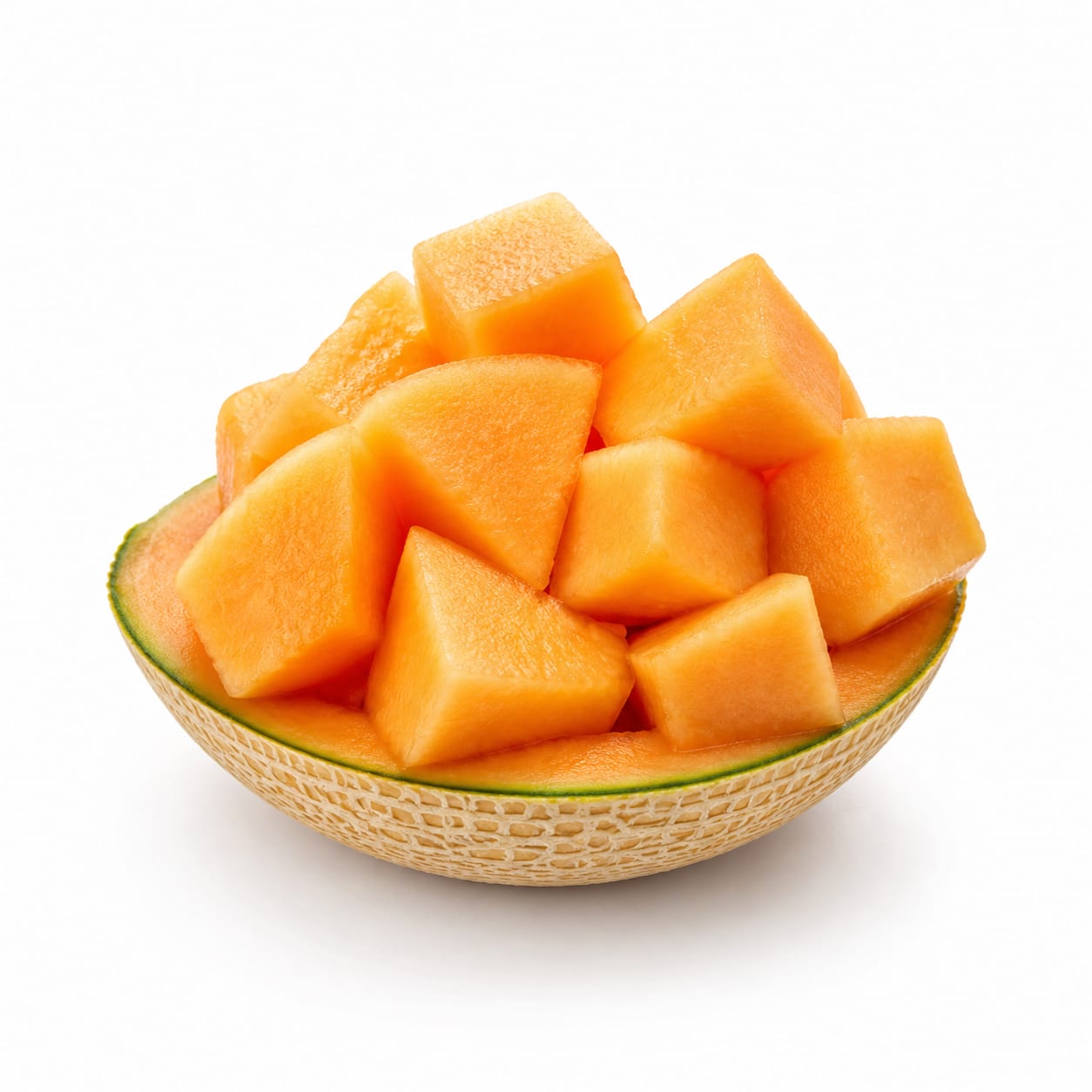
Muskmelon
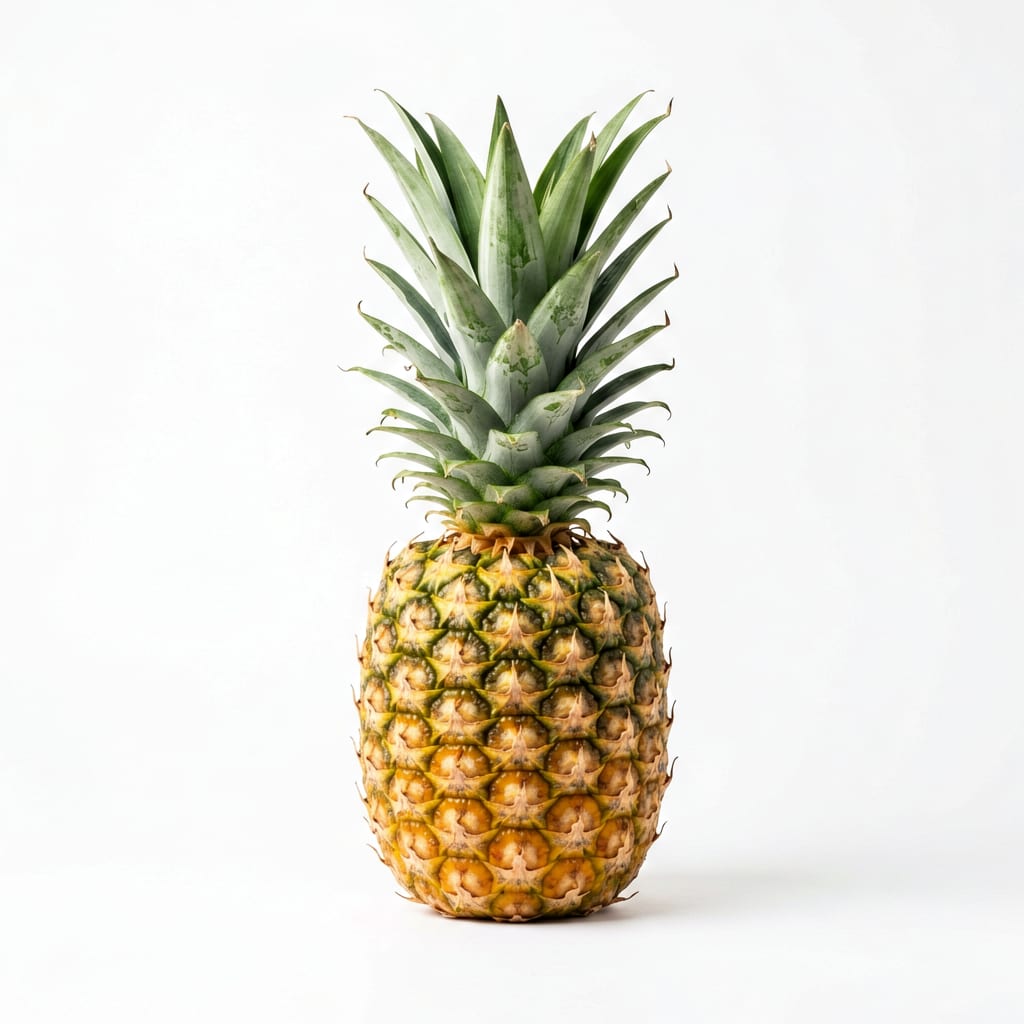
Pineapple
Muskmelon is lighter and easier on blood sugar; pineapple is more nutrient-dense and anti-inflammatory. Pick based on what your body needs most.
Muskmelon scores slightly higher due to lower sugar, better hydration, and gentler digestion. Pineapple is nutritionally potent but its higher sugar and acidity make it less ideal for daily unlimited consumption.
Lower sugar and gentler digestion with muskmelon versus stronger immunity and anti-inflammatory benefits with pineapple
At a glance
Executive summary
Overall
It depends
Healthier
It depends
More practical
Muskmelon
Daily use
Muskmelon
Key comparison lenses
blood sugar management
Both fruits are sweet and naturally sugary, making glycemic impact the top concern for most users comparing them
vitamin priorities
These fruits have starkly different vitamin profiles—muskmelon dominates in vitamin A while pineapple dominates in vitamin C
hydration and water content
Muskmelon is exceptionally high in water and often chosen for cooling hydration, while pineapple is denser
digestive comfort
Pineapple contains bromelain which aids digestion but can irritate sensitive mouths, while muskmelon is gentler
weight management
Calorie density and sugar content differ enough to matter for anyone tracking intake
Best choice for
Muskmelon
- People watching blood sugar closely
- Anyone seeking gentle hydration in hot weather
- Those with sensitive stomachs or acid reflux
- Children who need a mild, easy-to-eat fruit
- People counting calories
Pineapple
- People wanting immune support and vitamin C
- Anyone recovering from injury or surgery
- Those seeking anti-inflammatory benefits
- People with sluggish digestion who need enzyme help
- Active individuals needing manganese for bone health
Least suitable for
Muskmelon
- People needing high vitamin C intake
- Anyone looking for strong anti-inflammatory effects
- Those who find bland flavors unsatisfying
Pineapple
- People with acid reflux or mouth sensitivity
- Anyone on a strict low-sugar diet
- Those with pineapple allergy or latex-fruit syndrome
Deep comparison
Dimension by dimension
Each lens scores both foods and breaks down who each option suits.
- Dimension 1 · Priority 92Muskmelon
Blood Sugar Impact
Muskmelon · 78Pineapple · 58Muskmelon has a lower glycemic load per serving, making it steadier on blood sugar than pineapple.
Tradeoff
Pineapple's higher sugar content gives quicker energy but risks sharper blood sugar spikes, especially on an empty stomach.
Why it matters
If you are prediabetic, insulin resistant, or simply trying to avoid afternoon energy crashes, this difference is significant.
Real-world impact
A bowl of muskmelon feels lighter and keeps you more stable. A bowl of pineapple can leave you reaching for more food an hour later.
Muskmelon
- Steady energy without crashes
- Safer for prediabetics
- Easier to eat on an empty stomach
Better for
- Less immediate energy boost
Worse for
Pineapple
- Quick pre-workout fuel
- Fast energy when you need it
Better for
- Sharper blood sugar spikes
- Harder to portion-control due to sweetness
Worse for
- Dimension 2 · Priority 85Muskmelon
Hydration and Water Content
Muskmelon · 90Pineapple · 68Muskmelon is roughly 90% water and feels like eating flavored hydration. Pineapple is juicy but denser.
Tradeoff
Muskmelon fills you up with fewer calories through sheer volume. Pineapple delivers more nutrients per bite but less hydrating bulk.
Why it matters
In hot climates, after exercise, or when struggling to drink enough water, muskmelon is practically a beverage in fruit form.
Real-world impact
On a summer afternoon, muskmelon cools and hydrates you. Pineapple satisfies a sweet craving but does not quench thirst the same way.
Muskmelon
- Post-workout rehydration
- Hot weather snacking
- Volume eating for fullness
Better for
- Lower concentration of vitamins and minerals
Worse for
Pineapple
- More nutrient density per serving
Better for
- Less effective for pure hydration
- Higher calorie per cup
Worse for
- Dimension 3 · Priority 88It depends
Vitamin and Antioxidant Profile
Muskmelon · 75Pineapple · 82Pineapple wins on vitamin C and manganese. Muskmelon dominates on vitamin A. They serve different nutritional purposes.
Tradeoff
Choose pineapple for immune defense and tissue repair. Choose muskmelon for skin health and eye protection.
Why it matters
Your vitamin priorities should match your life stage and health goals rather than assuming one is universally better.
Real-world impact
Fighting a cold? Pineapple helps more. Worried about night vision or skin aging? Muskmelon is your friend.
Muskmelon
- Eye health and night vision
- Skin cell renewal
- Lower oxidative stress through beta-carotene
Better for
- Much less vitamin C per serving
Worse for
Pineapple
- Immune system support
- Collagen production for skin and joints
- Wound healing and tissue repair
Better for
- Almost no beta-carotene or vitamin A
Worse for
- Dimension 4 · Priority 80Muskmelon
Digestive Comfort
Muskmelon · 85Pineapple · 62Muskmelon is one of the gentlest fruits on the digestive system. Pineapple's bromelain and acidity can irritate sensitive people.
Tradeoff
Pineapple's bromelain helps break down protein and aids digestion for some, but causes mouth sores and stomach upset in others.
Why it matters
If you have acid reflux, IBS, or a sensitive stomach, pineapple can be genuinely uncomfortable while muskmelon rarely causes issues.
Real-world impact
Eat too much pineapple and your tongue burns. Muskmelon you can eat a large bowl of without any discomfort.
Muskmelon
- Gentle on acid reflux
- No mouth or throat irritation
- Safe for sensitive digestive systems
Better for
- No digestive enzyme benefits
Worse for
Pineapple
- Protein digestion aid when eaten with meals
- Bromelain may reduce bloating
Better for
- Common mouth tingling and soreness
- Can trigger heartburn
- Problematic for latex-fruit allergy sufferers
Worse for
- Dimension 5 · Priority 76Pineapple
Anti-Inflammatory and Recovery Benefits
Muskmelon · 55Pineapple · 85Pineapple's bromelain is a well-studied anti-inflammatory compound. Muskmelon has antioxidants but nothing comparable.
Tradeoff
For post-surgery recovery, joint pain, or chronic inflammation, pineapple is genuinely therapeutic. Muskmelon is more of a general wellness fruit.
Why it matters
If inflammation is a daily concern, this is not a small difference. Bromelain is used clinically for this purpose.
Real-world impact
After dental work or intense exercise, pineapple can meaningfully reduce swelling. Muskmelon will not do that.
Muskmelon
- General antioxidant support
Better for
- No targeted anti-inflammatory enzyme
- Less evidence for therapeutic use
Worse for
Pineapple
- Post-surgery swelling reduction
- Joint pain relief
- Exercise recovery support
- Sinus congestion relief
Better for
- Benefits require consistent intake
- Bromelain content varies by ripeness
Worse for
- Dimension 6 · Priority 78Muskmelon
Calorie Density and Weight Management
Muskmelon · 82Pineapple · 65Muskmelon delivers more volume and fullness per calorie. Pineapple is denser in both sugar and calories per cup.
Tradeoff
You can eat a larger portion of muskmelon for the same calories, which helps with satiety. Pineapple is easier to overeat.
Why it matters
For anyone tracking calories or trying to feel full on less, portion size matters more than people think.
Real-world impact
Two cups of muskmelon feels like a substantial snack for roughly 100 calories. Two cups of pineapple is closer to 160 calories and may not feel as filling.
Muskmelon
- More food volume per calorie
- Better for volume eating approaches
- Easier to stay within calorie limits
Better for
- May feel less indulgent or dessert-like
Worse for
Pineapple
- More satisfying sweet flavor in smaller portions
Better for
- Easier to overconsume sugar calories
- Smaller effective portion for same calories
Worse for
Timeline
Health impact over time
Short-term
Hours to days
Muskmelon
- Quick hydration after physical activity
- Mild blood sugar rise without sharp crash
- Gentle on empty stomach with no irritation
Pineapple
- Rapid energy boost from natural sugars
- Possible tongue tingling or mouth soreness with larger portions
- Immediate digestive enzyme activity if eaten with protein
Long-term
Months to years
Muskmelon
- Consistent beta-carotene intake supports eye health over decades
- Lower cumulative sugar exposure benefits metabolic health
- Hydration habits improve skin elasticity and kidney function
Pineapple
- Regular bromelain intake may reduce chronic inflammation markers
- Sustained vitamin C supports collagen and immune resilience
- Higher long-term sugar load if consumed frequently in large amounts
Risk profile
Safety & processing
Both muskmelon and pineapple are whole, unprocessed fruits when purchased fresh. Neither contains added sugars or preservatives in their natural state. Canned pineapple often comes in syrup, which dramatically changes the comparison—always choose fresh or canned in water only.
Muskmelon
Surface contamination from soil
mediumMuskmelon grows on the ground and its netted rind traps bacteria like Salmonella. Always wash the exterior thoroughly before cutting.
Pesticide residue on rind
lowThe thick rind protects edible flesh, but conventional muskmelons can have pesticide residue on the surface. Washing helps significantly.
Pineapple
Latex-fruit syndrome cross-reaction
mediumPeople with latex allergies may react to pineapple proteins. Symptoms range from mouth itching to anaphylaxis in severe cases.
Bromelain-induced mouth irritation
lowBromelain literally digests protein on your tongue and cheeks, causing soreness. This is harmless but uncomfortable and limits portion size.
Heartburn and acid reflux trigger
lowPineapple's acidity and bromelain can relax the esophageal sphincter, worsening reflux symptoms in susceptible individuals.
Who wins for whom
Audience fit
Same foods, different winners depending on your goal.
children
MuskmelonMilder flavor, softer texture, no mouth irritation, and lower acidity make muskmelon more kid-friendly and easier for young digestive systems.
daily consumption
MuskmelonLower sugar, better hydration, and no mouth irritation make muskmelon easier to eat every day without downsides accumulating.
diabetes
MuskmelonLower glycemic load and less sugar per serving make muskmelon the safer choice, though both should be portion-controlled.
elderly
It dependsMuskmelon is gentler on aging digestive systems and provides vitamin A for eye health. Pineapple offers bromelain for joint inflammation but may irritate sensitive stomachs.
muscle gain
PineapplePineapple's bromelain may aid protein digestion when eaten with meals, and its manganese supports connective tissue repair after training.
weight loss
MuskmelonLower calorie density and higher water content make muskmelon more filling per calorie, helping with portion control and satiety.
Your move
Decision guide
Choose Muskmelon
- You are watching your blood sugar or have insulin resistance
- You want a refreshing, hydrating fruit for hot days
- You have acid reflux, sensitive digestion, or mouth sores
- You are counting calories and want more volume per bite
- You need a gentle fruit for children or elderly family members
Choose Pineapple
- You are fighting a cold or want immune support
- You have joint pain, chronic inflammation, or are recovering from surgery
- You want a fruit that helps digest protein-rich meals
- You are an active person needing manganese for bone health
- You crave bold tropical flavor and find mild fruit unsatisfying
Either works if
- You just want a nutritious whole fruit snack
- You rotate fruits weekly for dietary diversity
- You are healthy with no specific blood sugar or digestive concerns
Avoid both if
- You are on a strict ketogenic diet under 20g carbs daily
- You have fructose intolerance or malabsorption issues
- You are allergic to either fruit specifically
Final recommendation
Keep both in rotation but lean toward muskmelon for daily snacking and pineapple for targeted benefits like immune support or post-workout recovery. If you can only choose one for everyday eating, muskmelon is the safer, gentler choice that is harder to overeat.
Practical
Consumer tips
- 1
Always wash muskmelon rind before cutting—bacteria on the surface can transfer to the flesh when you slice through it
- 2
Choose muskmelon that feels heavy for its size and smells sweet at the stem end for peak ripeness
- 3
If pineapple makes your tongue sore, try grilling it briefly—heat deactivates bromelain and reduces irritation
- 4
Canned pineapple in heavy syrup is essentially candy—always read labels and choose fresh or juice-packed versions
- 5
Freeze muskmelon cubes for a hydrating summer treat that replaces popsicles with no added sugar
- 6
Pineapple ripens very little after harvest—pick one with a fragrant base and slightly soft sides rather than waiting for it to sweeten at home
- 7
Pair either fruit with a handful of nuts or a spoon of yogurt to slow sugar absorption and extend fullness