
Nutrition comparison
Muskmelon vs Mango: Which Fruit Is Better for Weight Loss, Blood Sugar, and Daily Nutrition?
Complete nutritional comparison of Muskmelon and Mango covering sugar content, calories, vitamins, fiber, and which fruit fits your health goals better. Expert analysis with practical recommendations.
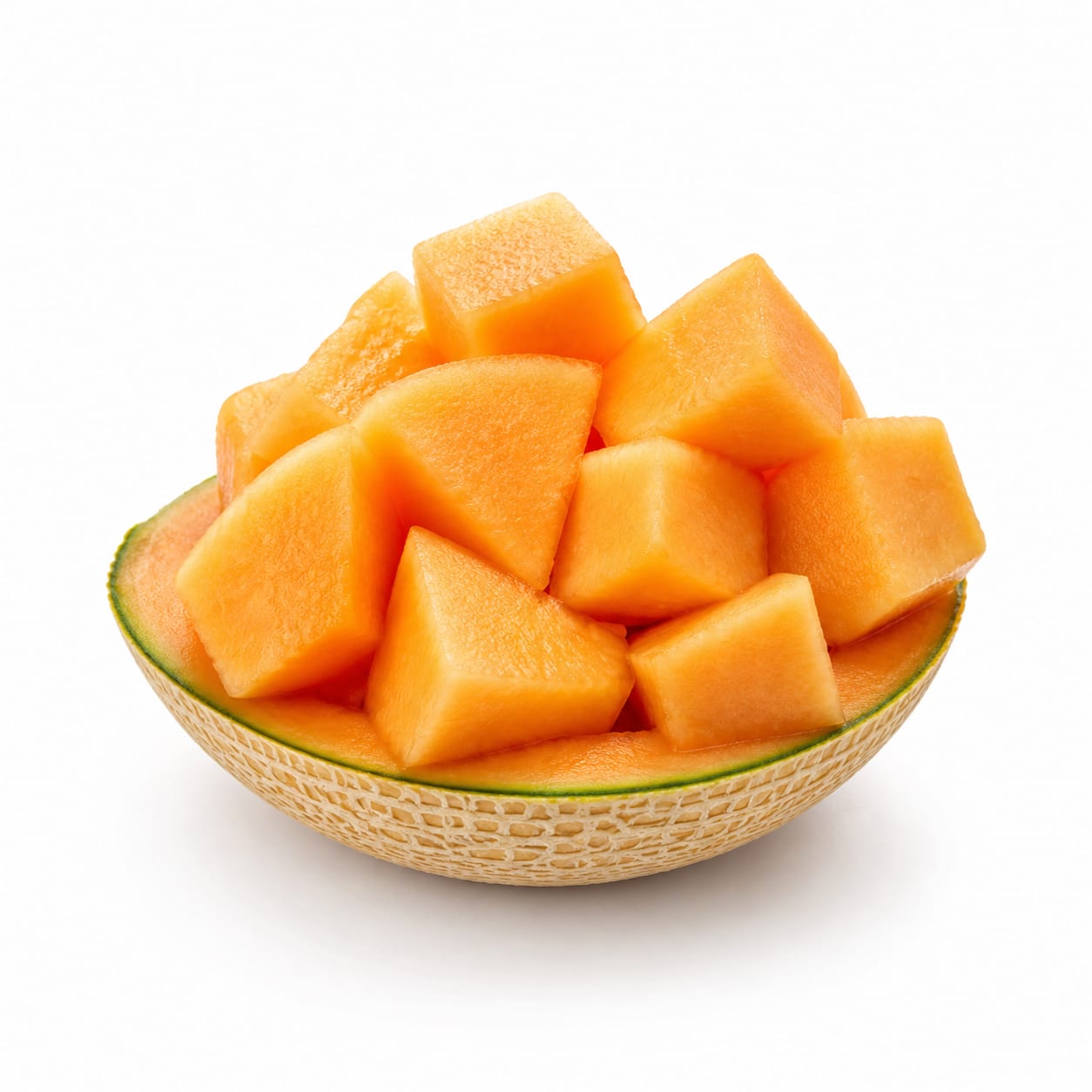
Muskmelon
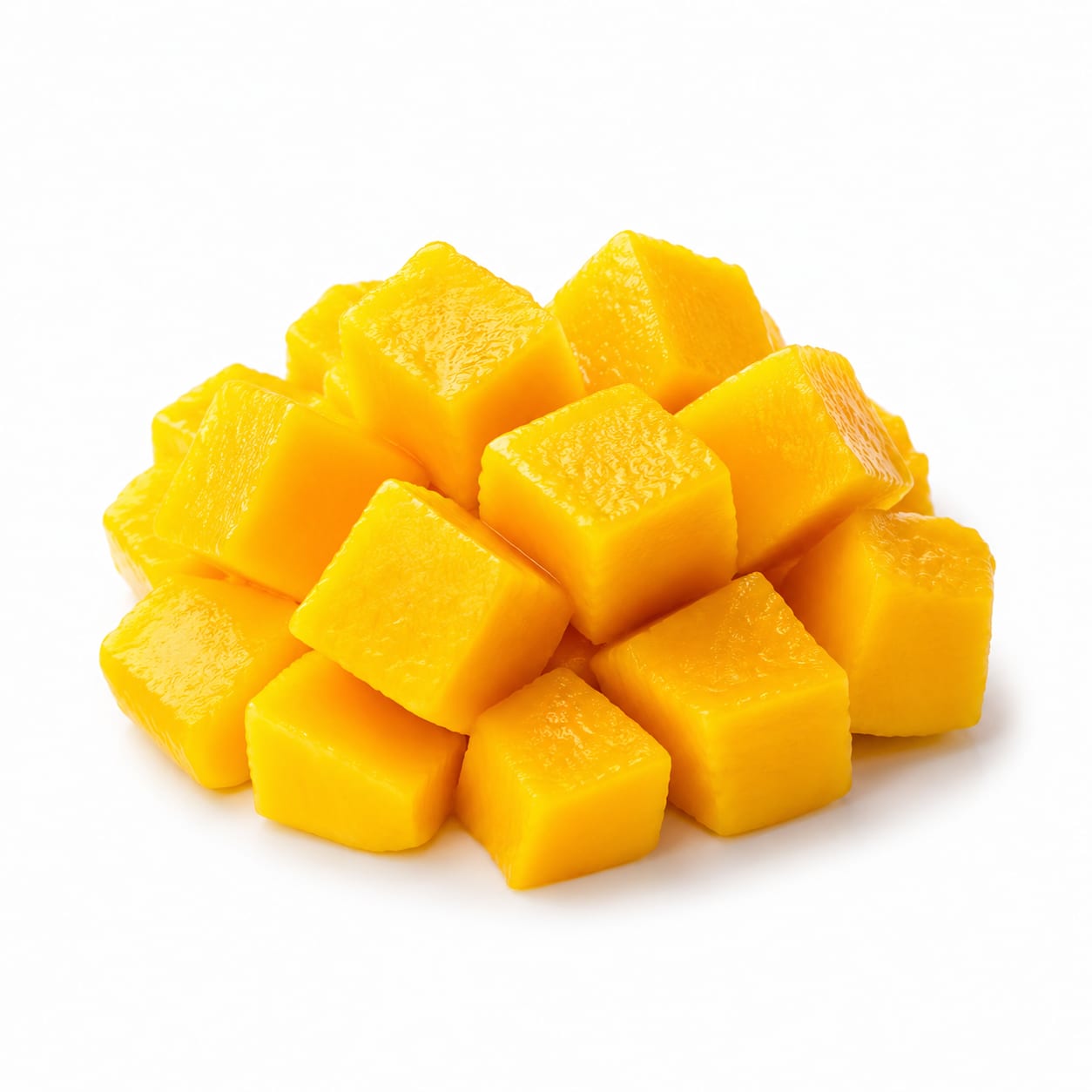
Mango
Muskmelon is the lighter, lower-sugar hydrator; Mango is the richer, more satisfying nutrient powerhouse. Your pick depends on whether you prioritize calorie control or eating satisfaction.
Muskmelon edges ahead slightly due to lower sugar, superior hydration, and easier portion control. Mango scores nearly as well thanks to richer fiber, more diverse antioxidants, and greater satiety. The close scores reflect that both are genuinely healthy whole fruits with different strengths.
Muskmelon gives you more volume and hydration for fewer calories, while Mango delivers more fiber, flavor intensity, and antioxidant variety at a higher sugar cost.
At a glance
Executive summary
Overall
It depends
Healthier
It depends
More practical
Muskmelon
Daily use
Muskmelon
Key comparison lenses
sugar and blood sugar management
Both are sweet tropical fruits with significantly different sugar loads, making glycemic impact the top concern for most users
weight loss friendly snacking
Calorie density differs substantially between these fruits, directly affecting portion control and diet adherence
hydration and light eating
Muskmelon's exceptional water content makes it a unique choice for hot climates and light eating preferences
vitamin A and eye health
Muskmelon is a beta-carotene powerhouse, far surpassing Mango in Vitamin A content
antioxidant diversity
Mango offers a broader polyphenol profile including mangiferin, while Muskmelon excels in carotenoids
Best choice for
Muskmelon
- People watching their sugar intake
- Anyone counting calories who wants more food volume
- Hot climate hydration needs
- Vitamin A and eye health focus
- Those who prefer light, refreshing snacks
Mango
- Active individuals needing energy-dense fruit
- Those seeking digestive enzyme support
- People wanting more fiber from fruit
- Anyone prioritizing antioxidant variety
- Those who find low-calorie fruits unsatisfying
Least suitable for
Muskmelon
- People needing calorie-dense snacks
- Those who find watery fruits unfilling
- Anyone seeking rich, indulgent fruit flavors
Mango
- Strict low-carb or keto dieters
- People managing diabetes with tight glucose control
- Those who struggle with portion control on sweet foods
Deep comparison
Dimension by dimension
Each lens scores both foods and breaks down who each option suits.
- Dimension 1 · Priority 92Muskmelon
Blood Sugar Impact
Muskmelon · 82Mango · 58Muskmelon has roughly half the sugar per serving compared to Mango, making it significantly gentler on blood glucose.
Tradeoff
You sacrifice the richer sweetness and satisfaction of Mango for steadier energy and less insulin demand.
Why it matters
Sugar spikes from fruit can still trigger cravings and energy crashes, especially on an empty stomach.
Real-world impact
A bowl of Muskmelon won't leave you reaching for another snack 30 minutes later. Mango might.
Muskmelon
- Diabetics monitoring glucose closely
- People prone to afternoon energy crashes
- Anyone eating fruit on an empty stomach
Better for
- Endurance athletes needing fast glycogen replenishment
Worse for
Mango
- Athletes needing quick post-workout carbs
- People with stable blood sugar who want satisfying fruit
Better for
- Insulin-resistant individuals
- People trying to break sugar craving cycles
Worse for
- Dimension 2 · Priority 85Muskmelon
Hydration and Lightness
Muskmelon · 94Mango · 62Muskmelon is roughly 90% water, making it one of the most hydrating fruits available. Mango is denser and more substantial.
Tradeoff
Muskmelon feels like drinking water with flavor; Mango feels like eating actual food. Both have their place.
Why it matters
In hot weather or after exercise, high-water fruits contribute meaningfully to fluid intake beyond just drinking water.
Real-world impact
On a summer afternoon, Muskmelon refreshes like cold water with benefits. Mango satisfies more like a small meal.
Muskmelon
- Hot climate dwellers
- Post-exercise rehydration
- People who forget to drink enough water
- Those wanting a light evening snack
Better for
- Anyone finding watery fruits frustratingly unfilling
Worse for
Mango
- People who feel unsatisfied by watery fruits
- Those needing a fruit that feels substantial enough to replace a snack
Better for
- People seeking cooling, refreshing snacks in heat
Worse for
- Dimension 3 · Priority 78Muskmelon
Vitamin A and Eye Health
Muskmelon · 95Mango · 55Muskmelon delivers an exceptional amount of beta-carotene, covering over 60% of daily Vitamin A needs per serving. Mango provides about a third of that.
Tradeoff
If eye health and immune support are priorities, Muskmelon is dramatically more efficient per calorie.
Why it matters
Vitamin A deficiency is surprisingly common and affects vision, skin health, and immune resilience.
Real-world impact
Regular Muskmelon consumption can meaningfully move the needle on your Vitamin A intake without supplements.
Muskmelon
- People with low Vitamin A intake
- Those concerned about long-term eye health
- Anyone wanting skin-supporting nutrients
Better for
- Those with beta-carotene sensitivity or carotenemia concerns
Worse for
Mango
- People already getting adequate Vitamin A from other sources
Better for
- Anyone relying on fruit as a primary Vitamin A source
Worse for
- Dimension 4 · Priority 76Mango
Fiber and Digestive Health
Muskmelon · 48Mango · 72Mango provides nearly double the fiber of Muskmelon and contains digestive enzymes like amylase that aid breakdown.
Tradeoff
Mango supports digestion more actively but comes with more sugar. Muskmelon is gentler on the stomach but less helpful for regularity.
Why it matters
Fiber from whole fruit is one of the most reliable ways to maintain gut health without supplements.
Real-world impact
Eating Mango regularly can help with digestion and fullness. Muskmelon is less likely to make a noticeable difference in gut health.
Muskmelon
- People with sensitive digestion who need gentle foods
- Those recovering from stomach illness
Better for
- People struggling with constipation or low fiber intake
Worse for
Mango
- Anyone needing more daily fiber
- People with sluggish digestion
- Those wanting fruit that actually fills them up
Better for
- Those with fructose malabsorption or IBS triggers
Worse for
- Dimension 5 · Priority 72Mango
Antioxidant Diversity
Muskmelon · 65Mango · 84Mango offers a wider range of polyphenols including mangiferin, quercetin, and gallic acid. Muskmelon concentrates heavily on carotenoids but lacks variety.
Tradeoff
Mango gives you a broader antioxidant shield; Muskmelon gives you a deeper hit of one specific type.
Why it matters
Diverse antioxidant intake correlates with better long-term disease protection than high doses of single compounds.
Real-world impact
Mango fits better into a varied diet strategy. Muskmelon is excellent but more one-dimensional in its protective profile.
Muskmelon
- Those specifically targeting carotenoid intake
- People whose diets lack orange vegetables
Better for
- Those relying heavily on one fruit for antioxidant coverage
Worse for
Mango
- Anyone building a broad-spectrum antioxidant diet
- People interested in anti-inflammatory polyphenols
Better for
- People already eating polyphenol-rich diets who need carotenoid focus instead
Worse for
- Dimension 6 · Priority 74Mango
Satiety and Eating Satisfaction
Muskmelon · 52Mango · 78Mango's richer texture, higher fiber, and more intense sweetness make it substantially more satisfying to eat.
Tradeoff
Mango satisfies more but is easier to overeat. Muskmelon is lighter but may leave you wanting more.
Why it matters
Foods that fail to satisfy often lead to compensatory snacking, negating their lower calorie advantage.
Real-world impact
A mango feels like a treat you can savor. Muskmelon can feel like you ate something without really eating.
Muskmelon
- Grazers who prefer eating large volumes
- People who like snacking continuously without heavy intake
Better for
- Anyone who finds light snacks frustrating
- People prone to eating more after unsatisfying meals
Worse for
Mango
- Those who need a fruit to actually replace a snack
- Emotional eaters wanting satisfying sweetness
- People who feel deprived on low-calorie foods
Better for
- Those who cannot stop at one serving of sweet foods
Worse for
- Dimension 7 · Priority 80Muskmelon
Calorie Efficiency
Muskmelon · 88Mango · 60Muskmelon delivers roughly 34 calories per 100g versus Mango's 60 calories, offering significantly more food volume per calorie.
Tradeoff
You can eat nearly twice as much Muskmelon for the same calorie budget, but it may not feel as rewarding.
Why it matters
Volume eating helps with adherence to calorie-controlled diets without feeling deprived.
Real-world impact
On a 1500-calorie diet, Muskmelon lets you enjoy a generous bowl without budget stress. Mango requires more restraint.
Muskmelon
- Calorie counters wanting maximum volume
- People on cutting phases for weight loss
- Anyone who likes large snack portions
Better for
- Underweight individuals needing calorie density
Worse for
Mango
- People with higher calorie needs
- Active individuals who do not need to restrict
Better for
- Strict calorie restrictors
- People prone to accidental overconsumption
Worse for
Timeline
Health impact over time
Short-term
Hours to days
Muskmelon
- Quick hydration boost after eating
- Light energy without sugar crash due to lower glycemic load
- May feel hungry sooner than with denser fruits
Mango
- More sustained fullness from fiber and calorie density
- Possible blood sugar spike if eaten in large quantities on empty stomach
- Digestive comfort from natural enzymes, especially after heavy meals
Long-term
Months to years
Muskmelon
- Consistent Vitamin A intake supporting eye and skin health
- Easier weight maintenance due to lower calorie density
- May not provide enough fiber if relied on as primary fruit
Mango
- Broader antioxidant protection against chronic inflammation
- Better digestive regularity from higher fiber intake
- Higher cumulative sugar intake if portions are not managed
Risk profile
Safety & processing
Both Muskmelon and Mango are whole, unprocessed fruits with no additive concerns when purchased fresh. The only processing consideration is frozen or dried versions, which can add sugars or lose water-soluble nutrients.
Muskmelon
Surface contamination from soil
mediumMuskmelon grows on the ground and its netted rind traps bacteria. Always wash thoroughly before cutting to avoid transferring pathogens from the skin to the flesh.
Pesticide residue
mediumMuskmelon appears on the EWG's Clean Fifteen list, meaning pesticide residue is typically low. Still, washing is recommended.
Mango
Pesticide residue
mediumConventional Mango often has pesticide residues on the peel, though the thick skin protects the flesh. Washing before peeling is still wise.
Allergic cross-reactivity
lowMango belongs to the cashew family. People with cashew or pistachio allergies may react to Mango, especially near the peel where urushiol is present.
Dermatitis from peel
lowMango skin contains urushiol, the same compound as poison ivy. Sensitive individuals should avoid touching the peel directly.
Who wins for whom
Audience fit
Same foods, different winners depending on your goal.
children
MangoMango's richer sweetness and smooth texture make it more appealing to kids, and its calorie density supports growing bodies better.
daily consumption
MuskmelonLower sugar and calorie load make Muskmelon easier to eat daily without accumulating excess sugar intake over time.
diabetes
MuskmelonSignificantly lower sugar content and gentler blood sugar impact make Muskmelon the safer choice for glucose management.
elderly
MuskmelonMuskmelon is softer, easier to chew, more hydrating, and provides concentrated Vitamin A for aging eyes and immune systems.
muscle gain
MangoMango provides more carbs for glycogen replenishment and slightly more natural energy to support training demands.
weight loss
MuskmelonHalf the calories per serving and higher water content make Muskmelon easier to fit into a calorie deficit without feeling restricted on portion size.
Your move
Decision guide
Choose Muskmelon
- You are actively managing your weight or blood sugar
- You want maximum food volume for minimal calories
- Hydration is a priority, especially in hot weather
- You need a Vitamin A boost for eye or skin health
- You prefer light, refreshing snacks over rich ones
Choose Mango
- You find low-calorie fruits unsatisfying and end up snacking more
- You need a pre- or post-workout fruit with more energy
- Digestive regularity is a concern and you need more fiber
- You want broader antioxidant coverage in your diet
- You are at a healthy weight and do not need to restrict sugar
Either works if
- You rotate fruits regularly and want variety
- You are generally healthy with no blood sugar concerns
- You enjoy both and eat them in appropriate portions
Avoid both if
- You are on a strict ketogenic diet (both exceed carb limits)
- You have fructose intolerance or severe IBS triggered by fruit
Final recommendation
Keep both in rotation. Start with Muskmelon as your daily default for its lower sugar and calorie profile, and enjoy Mango as a more satisfying treat a few times per week. This gives you Muskmelon's hydration and Vitamin A consistency plus Mango's fiber and antioxidant diversity without overloading on sugar from either direction.
Practical
Consumer tips
- 1
Always wash Muskmelon thoroughly before cutting. The netted rind is a bacteria trap that can contaminate the flesh when sliced.
- 2
Choose Muskmelon that feels heavy for its size and smells sweet at the stem end. Light or odorless ones are underripe.
- 3
Ripen Mango at room temperature, then refrigerate once soft. Refrigerating too early stops the ripening process entirely.
- 4
Avoid buying pre-cut Mango unless you plan to eat it immediately. Cut Mango loses Vitamin C rapidly when exposed to air.
- 5
If sugar is a concern, pair either fruit with a protein or fat source like Greek yogurt or nuts to slow glucose absorption.
- 6
Frozen Mango is excellent for smoothies and retains most nutrients. Frozen Muskmelon loses texture and is better eaten fresh.
- 7
Wear gloves or use a tool when peeling Mango if you have sensitive skin, to avoid urushiol contact dermatitis from the peel.