
Nutrition comparison
Muskmelon vs Cantaloupe: Nutrition, Taste, and Which to Buy
Cantaloupe is a type of muskmelon, making them nearly identical nutritionally. Learn the subtle differences in sweetness, aroma, and availability to make the best choice for your needs.
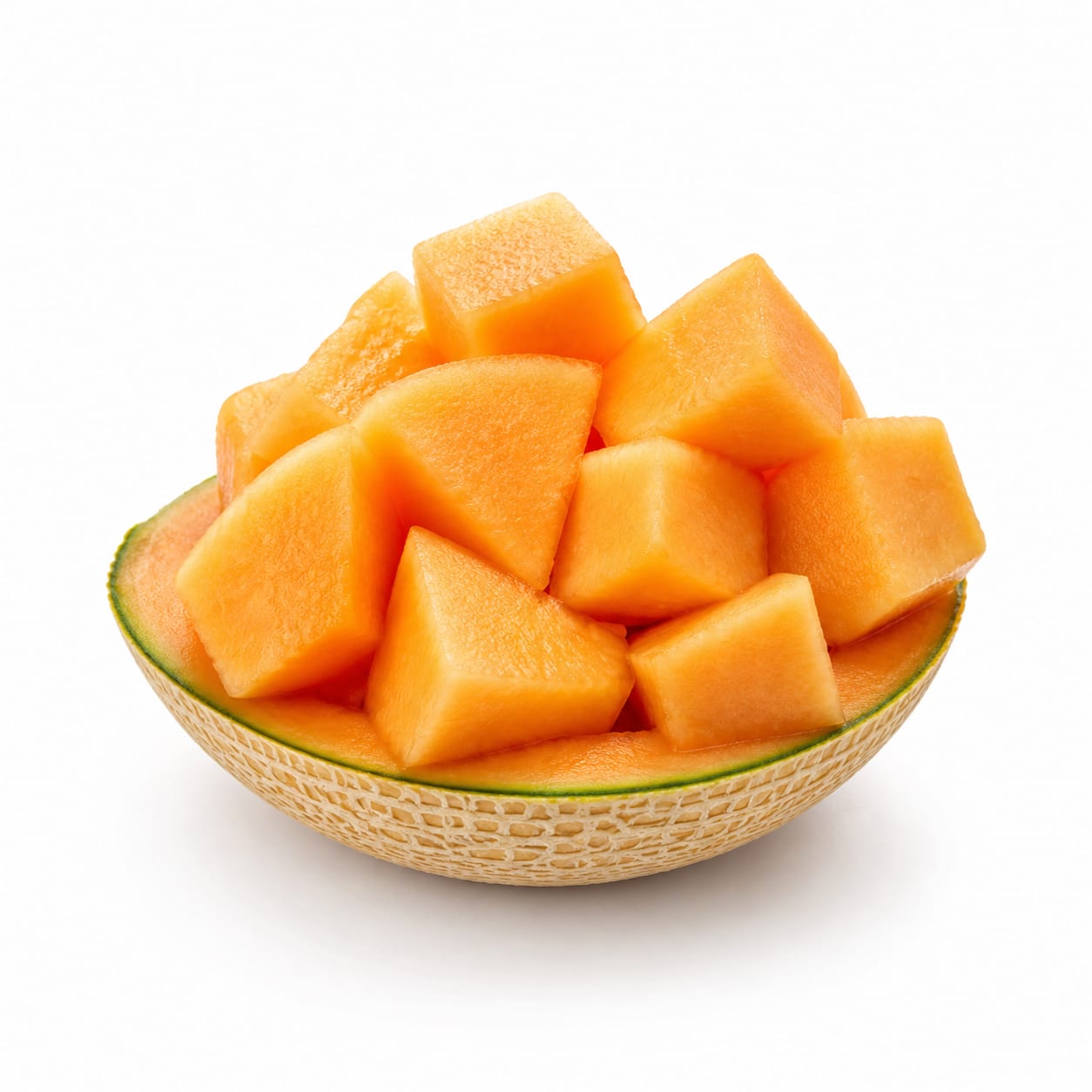
Muskmelon
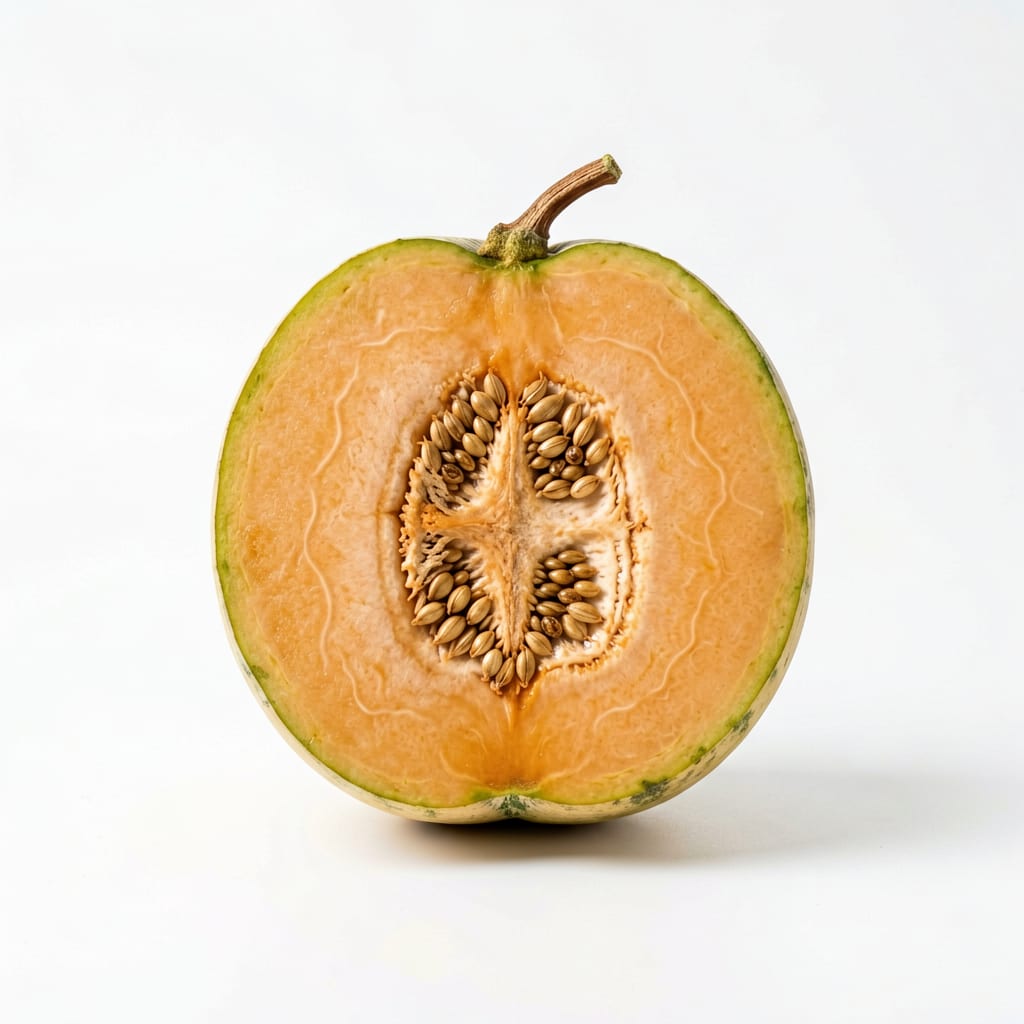
Cantaloupe
Cantaloupe is a type of muskmelon, so they are nutritionally near-identical. Any differences come from specific variety, ripeness, and growing conditions rather than the name on the label.
Scores are nearly identical because cantaloupe is botanically a muskmelon variety. The slight edge for muskmelon reflects marginally higher sugar and aroma in some traditional varieties, but this varies wildly by ripeness and source. Low confidence reflects the fundamental overlap between these foods.
Muskmelon sold in South Asian markets can be slightly sweeter and more aromatic, while North American cantaloupe is more consistently available and often cheaper.
At a glance
Executive summary
Overall
It depends
Healthier
It depends
More practical
Cantaloupe
Daily use
It depends
Key comparison lenses
clarifying botanical and nutritional overlap
Cantaloupe is actually a type of muskmelon, so the core question is whether the specific variety called 'muskmelon' in markets differs meaningfully from North American cantaloupe
vitamin A and beta-carotene comparison
Both are exceptional sources of beta-carotene, but subtle variety differences can affect concentration
sugar content and blood sugar impact
Both are sweet melons, so sugar load and glycemic response matter for daily consumption decisions
hydration and summer eating
Both are high-water fruits popular in hot weather, making hydration value a key practical factor
availability and labeling confusion
Consumers often encounter both names at stores without understanding the relationship, creating purchase confusion
Best choice for
Muskmelon
- Those shopping at South Asian or international markets where muskmelon is the standard offering
- People who prefer a more intensely aromatic and fragrant melon experience
- Anyone seeking the traditional muskmelon used in Ayurvedic and South Asian culinary traditions
Cantaloupe
- North American shoppers wanting easy, consistent availability at any grocery store
- Those who want standardized nutrition labeling and reliable portion estimates
- Budget-conscious buyers who benefit from cantaloupe's mass-market pricing
Least suitable for
Muskmelon
- People who find very sweet fruits trigger overeating or cravings
- Those without access to specialty or international grocery stores
Cantaloupe
- Anyone seeking the specific aromatic intensity of traditional South Asian muskmelon varieties
- Those who find standard grocery cantaloupe too bland or watery
Deep comparison
Dimension by dimension
Each lens scores both foods and breaks down who each option suits.
- Dimension 1 · Priority 90It depends
Vitamin A and Beta-Carotene Density
Muskmelon · 82Cantaloupe · 83Both are outstanding sources of beta-carotene, delivering over 100% of daily vitamin A needs per cup. Cantaloupe's nutrition data is more standardized, while muskmelon's content varies by variety.
Tradeoff
Specific muskmelon varieties may edge out cantaloupe in beta-carotene, but you cannot guarantee this without knowing the exact cultivar.
Why it matters
Vitamin A supports eye health, immune function, and skin. Both melons are among the best fruit sources available.
Real-world impact
A single cup of either melon covers your vitamin A needs for the day. The difference between them is negligible in practice.
Muskmelon
- Some deeply orange traditional varieties may pack slightly more beta-carotene per bite
Better for
- Variety-to-variety inconsistency means you cannot rely on a specific vitamin A amount
Worse for
Cantaloupe
- Consistent nutrition data makes it easier to track intake accurately
Better for
- Slightly less aromatic appeal may reduce how much you enjoy eating it regularly
Worse for
- Dimension 2 · Priority 85Cantaloupe
Sugar Content and Blood Sugar Response
Muskmelon · 72Cantaloupe · 76Some muskmelon varieties are bred for intense sweetness and can contain marginally more sugar per serving than standard cantaloupe. Both are moderate-GI fruits that most people tolerate well.
Tradeoff
Extra sweetness in muskmelon makes it more satisfying as a dessert alternative but slightly less ideal for strict blood sugar management.
Why it matters
For people monitoring glucose, even small sugar differences between fruit varieties can influence portion decisions.
Real-world impact
A cup of either melon is unlikely to spike blood sugar dramatically in healthy people, but diabetics may notice slightly different responses.
Muskmelon
- Sweeter taste may satisfy dessert cravings without reaching for processed sweets
Better for
- Higher sweetness can trigger overeating in sugar-sensitive individuals
Worse for
Cantaloupe
- Slightly lower and more predictable sugar content per serving
Better for
- Less intense flavor may leave you reaching for a second serving to feel satisfied
Worse for
- Dimension 3 · Priority 80It depends
Hydration and Water Content
Muskmelon · 80Cantaloupe · 80Both are roughly 90% water, making them equally excellent for hot-weather hydration and light, refreshing snacking.
Tradeoff
No meaningful tradeoff exists here. Both deliver the same hydration benefit.
Why it matters
In summer or after exercise, high-water fruits help rehydrate without heavy calories.
Real-world impact
Either melon works equally well as a post-workout or afternoon heat snack. Choose based on availability and taste preference.
Muskmelon
- More aromatic experience makes the hydrating snack feel more luxurious
Better for
- No meaningful disadvantage for hydration
Worse for
Cantaloupe
- Equally hydrating with more consistent texture bite after bite
Better for
- No meaningful disadvantage for hydration
Worse for
- Dimension 4 · Priority 78Muskmelon
Aroma, Flavor, and Eating Satisfaction
Muskmelon · 85Cantaloupe · 75Traditional muskmelon varieties are prized for their intense, musky-sweet fragrance that fills a room when ripe. Standard cantaloupe is milder and more subdued in aroma.
Tradeoff
Muskmelon's stronger aroma makes it more satisfying per bite but also more polarizing. Some people find the musky scent off-putting.
Why it matters
Flavor satisfaction determines whether a healthy food becomes a habit or gets abandoned.
Real-world impact
If you love aromatic fruit, muskmelon feels like a treat. If you prefer mild, clean sweetness, cantaloupe is the safer bet.
Muskmelon
- Intense aroma creates a more memorable and satisfying eating experience
- Stronger flavor means you feel satisfied with a smaller portion
Better for
- The musky aroma that gives muskmelon its name can be divisive
Worse for
Cantaloupe
- Milder flavor appeals to a wider range of palates, including children
- Less polarizing scent makes it better for shared office or household fruit bowls
Better for
- Can taste watery or bland when underripe, reducing enjoyment
Worse for
- Dimension 5 · Priority 75Cantaloupe
Availability and Practical Convenience
Muskmelon · 60Cantaloupe · 90Cantaloupe is a staple in every North American grocery store year-round. Muskmelon labeled as such is primarily found in specialty or international markets.
Tradeoff
You gain nutritional near-equivalence with cantaloupe but lose the specific aromatic experience of traditional muskmelon varieties.
Why it matters
The healthiest fruit is the one you can actually buy and eat consistently.
Real-world impact
Most people reading this comparison will find cantaloupe at their local store today. Finding muskmelon may require a specialty trip.
Muskmelon
- In South Asian markets, muskmelon is the default and often fresher than imported cantaloupe
Better for
- Hard to find outside of specialty or international grocery stores
- Inconsistent labeling means you might buy cantaloupe sold as muskmelon or vice versa
Worse for
Cantaloupe
- Available at virtually every grocery store in North America
- Consistent sizing and labeling make meal prep and portioning easier
Better for
- May have been bred more for shelf life and shipping durability than peak flavor
Worse for
- Dimension 6 · Priority 70It depends
Potassium and Electrolyte Content
Muskmelon · 78Cantaloupe · 79Both provide good potassium, around 400-470mg per cup. The difference is negligible and varies more by ripeness than by variety name.
Tradeoff
Neither is a standout potassium source compared to bananas or potatoes, but both contribute meaningfully to daily intake.
Why it matters
Potassium supports blood pressure regulation and muscle function, and most people under-consume it.
Real-world impact
Adding either melon to your diet helps close the potassium gap slightly, but do not rely on it as your primary source.
Muskmelon
- No meaningful potassium advantage over cantaloupe
Better for
- Variability makes precise tracking impossible
Worse for
Cantaloupe
- Slightly more reliable potassium data for tracking purposes
Better for
- No meaningful potassium disadvantage compared to muskmelon
Worse for
Timeline
Health impact over time
Short-term
Hours to days
Muskmelon
- Quick hydration after exercise or heat exposure due to high water content
- Natural sugar provides a gentle energy lift without a crash when eaten in reasonable portions
- The intense aroma can stimulate appetite, which is helpful if you need to eat but harmful if you are trying to limit intake
Cantaloupe
- Same hydrating benefit as muskmelon, ideal for summer snacking
- Milder sweetness is less likely to trigger a cascade of sugar cravings
- Easy to pair with protein like cottage cheese for a balanced mini-meal
Long-term
Months to years
Muskmelon
- Consistent beta-carotene intake supports eye health and immune resilience over decades
- Regular consumption as a dessert substitute can displace higher-calorie sweets and support weight maintenance
- If eaten in large quantities, the sugar load could contribute to elevated triglycerides in susceptible individuals
Cantaloupe
- Same long-term vitamin A and antioxidant benefits as muskmelon
- Wide availability makes it easier to build into a consistent daily fruit habit
- The milder flavor may lead to larger portions, slightly increasing cumulative sugar intake
Risk profile
Safety & processing
Both are whole, unprocessed fruits with no additives. The only processing concern is pre-cut packaging, where both can sit in containers and lose flavor and vitamin C over days. Always prefer whole melons you cut yourself.
Muskmelon
Surface contamination from soil and handling
mediumThe netted rind of muskmelon traps bacteria like Salmonella more easily than smooth-rind fruits. Always wash the exterior thoroughly before cutting, even though you never eat the rind.
Pesticide residue on rind
lowPesticide residue is primarily on the rind, which is discarded. Choosing organic reduces exposure further but is not critical since you do not eat the skin.
Cantaloupe
Salmonella and bacterial contamination
mediumCantaloupe has been linked to multiple Salmonella outbreaks, primarily from rind contamination transferring to the flesh during cutting. Wash thoroughly before slicing and refrigerate cut portions promptly.
Listeria on pre-cut portions
mediumPre-cut cantaloupe stored at improper temperatures has caused Listeria outbreaks. Avoid pre-cut melon that has been sitting at room temperature or is past its freshness date.
Who wins for whom
Audience fit
Same foods, different winners depending on your goal.
children
CantaloupeCantaloupe's milder, sweeter flavor and softer aroma are less likely to be rejected by kids. Its wide availability also makes it easier to serve consistently.
daily consumption
CantaloupeCantaloupe's consistent availability, standardized nutrition data, and mild flavor that does not fatigue the palate make it the more sustainable daily choice for most people.
diabetes
CantaloupeCantaloupe has slightly more consistent and often marginally lower sugar content per serving, making blood sugar prediction easier. Both should be paired with protein or fat to blunt glycemic response.
elderly
It dependsBoth are soft, easy to chew, and hydrating, which benefits older adults. Cantaloupe wins on availability, but muskmelon's stronger aroma can help stimulate appetite in those with diminished taste perception.
muscle gain
It dependsNeither is a muscle-building food. Both provide modest potassium for muscle cramp prevention and natural sugars for post-workout glycogen replenishment, but you need protein from other sources.
weight loss
CantaloupeCantaloupe's slightly lower and more predictable sugar content, combined with easy portioning, makes it marginally better for calorie-controlled diets. Both are low-calorie options though.
Your move
Decision guide
Choose Muskmelon
- You shop at South Asian or international markets where muskmelon is the standard offering
- You crave an intensely aromatic, musky-sweet fruit experience that feels special
- You want a traditional ingredient for South Asian recipes, lassis, or Ayurvedic preparations
- You find that stronger-flavored fruit satisfies you with smaller portions
Choose Cantaloupe
- You want a healthy, hydrating fruit available at any grocery store anytime
- You prefer milder, cleaner sweetness without the musky aroma
- You are tracking nutrition precisely and want reliable, standardized data
- You are buying for a household with diverse taste preferences including children
Either works if
- You just want a refreshing, vitamin-A-rich fruit for hot weather
- You are already eating a varied diet and the difference between these two is negligible
- You are pairing the melon with protein like cottage cheese or yogurt and the flavor distinction gets lost
Avoid both if
- You have a severe ragweed allergy, as melons can trigger oral allergy syndrome in ragweed-sensitive individuals
- You are on a strict very-low-carb or ketogenic diet, as both contain too many carbs per serving
- You struggle with portion control around sweet fruits and find them triggering rather than satisfying
Final recommendation
Stop overthinking this choice. Cantaloupe is a muskmelon, and the nutritional differences are trivial. Buy whichever is fresher, riper, and better-smelling at your store. A perfectly ripe cantaloupe beats a mediocre muskmelon every time, and vice versa. Focus your energy on eating either one consistently rather than optimizing between near-identical options.
Practical
Consumer tips
- 1
Smell the blossom end of any melon before buying. A fragrant aroma means it is ripe and flavorful, regardless of whether the label says muskmelon or cantaloupe.
- 2
Always wash the rind with running water and scrub with a brush before cutting. Bacteria on the surface transfer to the flesh when the knife passes through.
- 3
Refrigerate cut melon within two hours and consume within three days. Cut melon is a common foodborne illness source when left out too long.
- 4
If the label confuses you, look at the fruit itself. Netted rind with orange flesh is what most people mean by either name. Smooth green rind is honeydew, which is a different comparison entirely.
- 5
Pair either melon with a protein source like cottage cheese, Greek yogurt, or a handful of almonds to slow sugar absorption and stay full longer.
- 6
For the best flavor experience, let a whole melon sit at room temperature until it smells fragrant, then refrigerate it for a few hours before cutting. Cold enhances the refreshing quality without muting the sweetness.