
Nutrition comparison
Mulberry vs Strawberry: Which Berry Is Healthier for You?
Mulberries offer unique blood sugar benefits and more iron, while strawberries deliver vitamin C and everyday convenience. Compare nutrition, pesticides, and best uses.
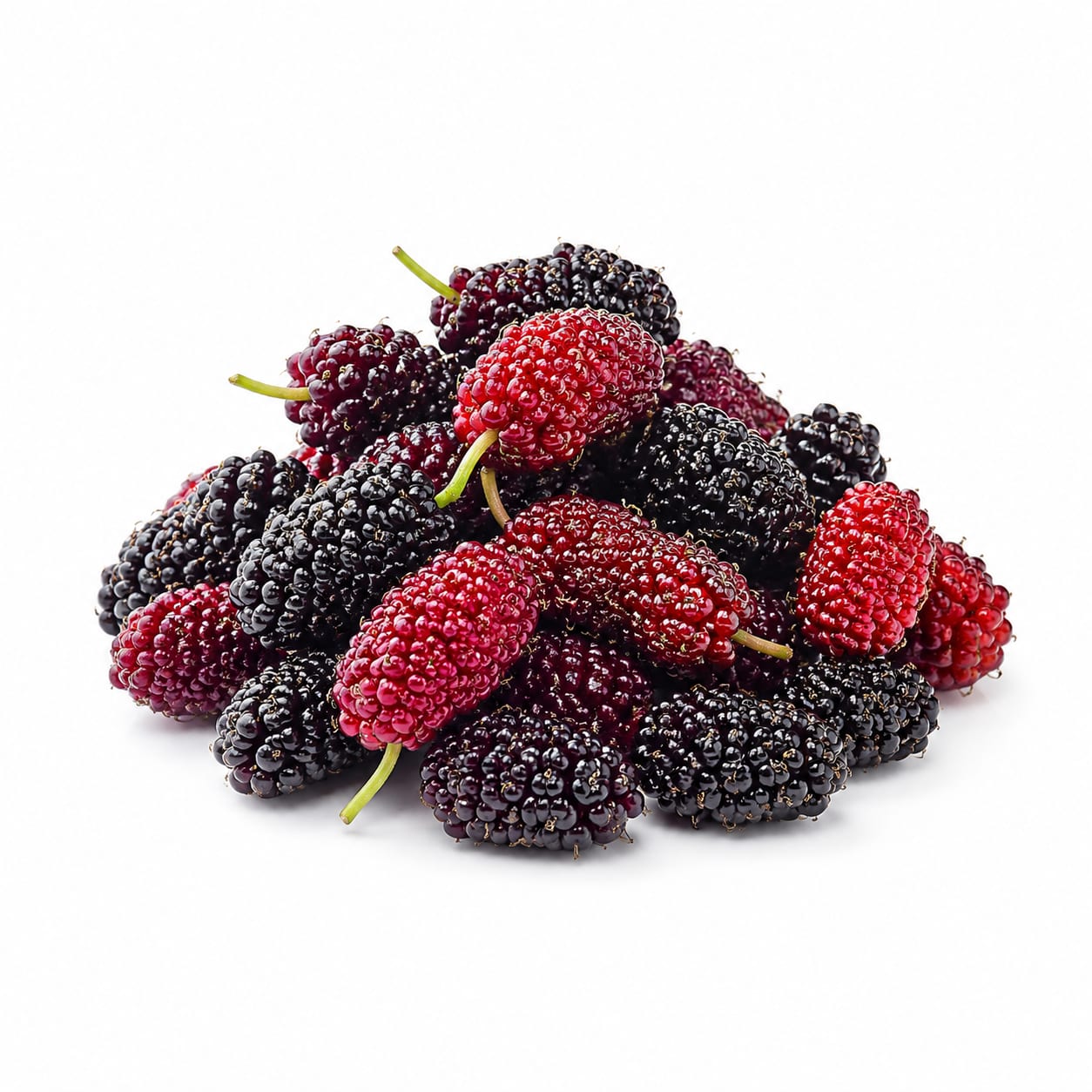
Mulberry
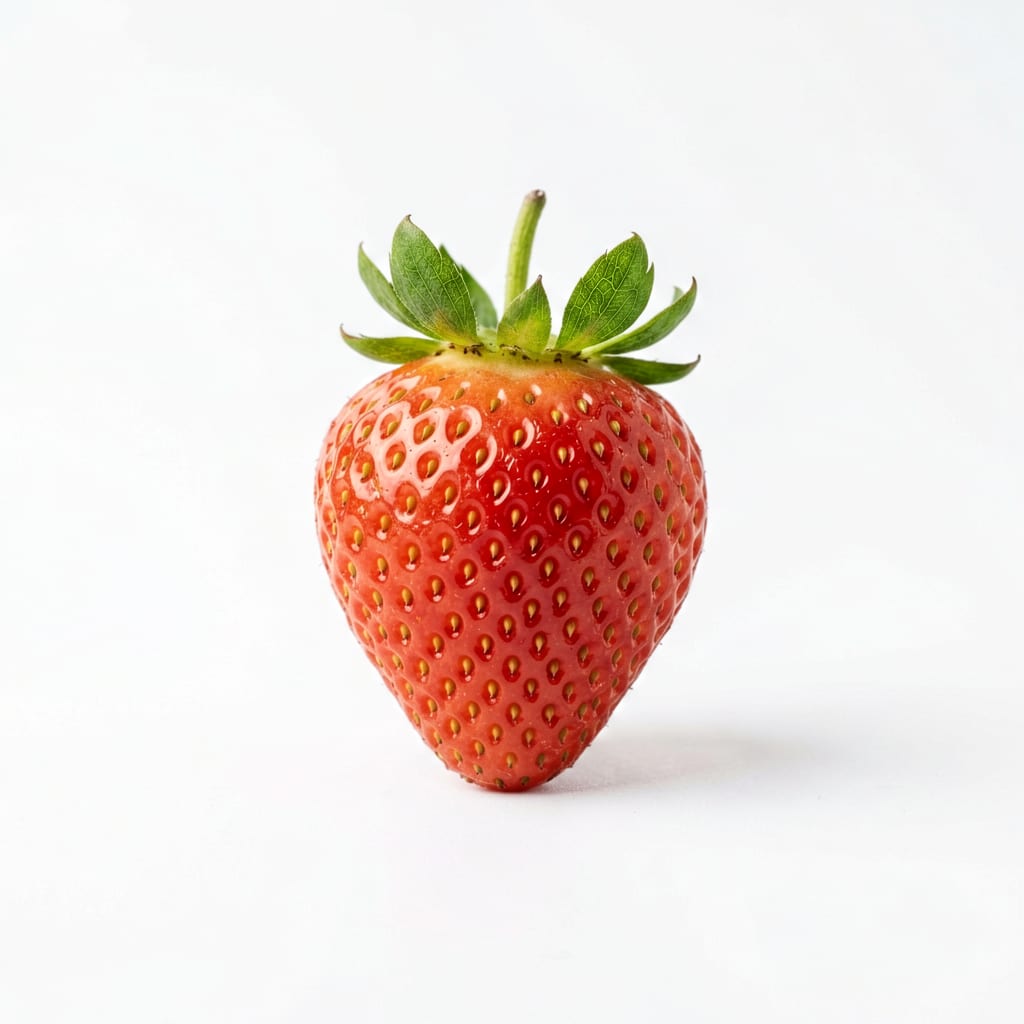
Strawberry
Mulberries win on blood sugar control, iron, and unique phytonutrients. Strawberries win on convenience, vitamin C, and everyday practicality.
Mulberries edge ahead on unique therapeutic compounds and blood sugar benefits, but strawberries close the gap through superior accessibility and vitamin C content. The small score difference reflects that both are excellent choices with different strengths.
Mulberries offer deeper therapeutic benefits but are harder to find fresh. Strawberries are everywhere and versatile but carry significant pesticide risk unless organic.
At a glance
Executive summary
Overall
It depends
Healthier
Mulberry
More practical
Strawberry
Daily use
Strawberry
Key comparison lenses
Antioxidant and phytonutrient superiority
Both berries are antioxidant powerhouses but through different compounds — mulberries offer resveratrol and DNJ, strawberries deliver fisetin and ellagic acid
Blood sugar management
Mulberries contain 1-deoxynojirimycin which actively inhibits sugar absorption, making this a uniquely important comparison dimension
Everyday accessibility and practicality
Strawberries are available year-round in most stores; fresh mulberries are rare and seasonal, often only found dried
Pesticide exposure risk
Strawberries consistently rank #1 on the EWG Dirty Dozen list, while mulberries are typically lower spray crops
Iron and micronutrient density
Mulberries are surprisingly rich in iron and vitamin K compared to most berries including strawberries
Best choice for
Mulberry
- Blood sugar management and prediabetes support
- Iron-deficient individuals needing plant-based iron
- Those seeking resveratrol without drinking wine
- People who can source from local trees or farmers markets
Strawberry
- Everyday fruit routines and meal prep
- Families needing kid-friendly widely available fruit
- Vitamin C optimization and immune support
- Budget-conscious shoppers wanting berry benefits
Least suitable for
Mulberry
- People who only shop at conventional grocery stores
- Anyone needing consistent year-round supply
- Those sensitive to dried fruit sugar if only dried mulberries are available
Strawberry
- People strictly avoiding pesticide exposure who cannot afford organic
- Those monitoring oxalate intake for kidney stone prevention
Deep comparison
Dimension by dimension
Each lens scores both foods and breaks down who each option suits.
- Dimension 1 · Priority 92Mulberry
Blood Sugar Impact
Mulberry · 88Strawberry · 68Mulberries contain 1-deoxynojirimycin (DNJ), a compound that actually slows carbohydrate absorption. Strawberries have a low glycemic index but lack this active sugar-blocking effect.
Tradeoff
Fresh mulberries provide active blood sugar support but are hard to find. Dried mulberries lose this advantage and can spike sugar due to concentration.
Why it matters
For anyone watching blood sugar — prediabetics, PCOS, metabolic syndrome — DNJ is a rare natural compound that does real work beyond just being low-glycemic.
Real-world impact
Eating mulberries with a carb-heavy meal could meaningfully blunt the sugar rush. Strawberries are safe but passive by comparison.
Mulberry
- Prediabetics seeking natural blood sugar support
- PCOS and insulin resistance management
- Post-meal glucose spike reduction
Better for
- Dried mulberry products that concentrate sugar
Worse for
Strawberry
- General low-glycemic snacking when mulberries are unavailable
Better for
- Anyone needing active glucose management beyond low GI
Worse for
- Dimension 2 · Priority 90Mulberry
Antioxidant and Phytonutrient Profile
Mulberry · 86Strawberry · 80Mulberries deliver resveratrol (the red wine compound) and anthocyanins in darker hues. Strawberries offer fisetin and ellagic acid, both potent but less broadly studied.
Tradeoff
Mulberry antioxidants target aging and inflammation more directly. Strawberry antioxidants are better researched for cancer prevention specifically.
Why it matters
Resveratrol has cardiovascular and longevity associations. Fisetin is emerging for brain health. Both matter but mulberries cast a wider net.
Real-world impact
Regular mulberry consumption could complement heart and longevity strategies. Strawberries are strong for cellular defense and skin health.
Mulberry
- Longevity-focused nutrition approaches
- Cardiovascular protection through resveratrol
- Anti-aging supplement alternatives
Better for
- Situations where research depth matters more than compound diversity
Worse for
Strawberry
- Skin health and UV damage protection
- Ellagic acid cancer-prevention pathways
Better for
- Those wanting resveratrol benefits without alcohol
Worse for
- Dimension 3 · Priority 82Mulberry
Vitamin and Mineral Density
Mulberry · 84Strawberry · 75Mulberries are surprisingly high in iron, vitamin K, and riboflavin. Strawberries dominate in vitamin C but fall short on most minerals.
Tradeoff
If you need iron or vitamin K, mulberries are genuinely useful. If vitamin C is the priority, strawberries deliver significantly more per serving.
Why it matters
Iron deficiency is the world's most common nutrient gap. A berry that contributes meaningful iron is rare and valuable.
Real-world impact
A cup of mulberries provides about 14% of daily iron needs. Strawberries provide almost none. This matters for vegetarians and menstruating women.
Mulberry
- Plant-based eaters needing iron sources
- Vitamin K support for bone health
- Riboflavin intake for energy metabolism
Better for
- Those already iron-overloaded
Worse for
Strawberry
- Immune system support through high vitamin C
- Collagen synthesis and wound healing
Better for
- Anemia-prone individuals expecting berry iron contribution
Worse for
- Dimension 4 · Priority 85Strawberry
Availability and Practicality
Mulberry · 40Strawberry · 92Strawberries are available in virtually every grocery store year-round. Fresh mulberries are seasonal and rare, often requiring farmers markets or growing your own tree.
Tradeoff
You can act on the strawberry decision today. Mulberries may require planning, online ordering, or settling for dried versions with different nutrition profiles.
Why it matters
The healthiest food is the one you actually eat consistently. Accessibility often trumps marginal nutritional advantages.
Real-world impact
Most people will eat strawberries multiple times per month. Most people will eat mulberries a few times per year, if that.
Mulberry
- Home gardeners with mulberry trees
- People near farmers markets in early summer
Better for
- Anyone without specialty store access
- Last-minute recipe needs
Worse for
Strawberry
- Weekly grocery shoppers
- Meal preppers needing reliable ingredients
- Families with picky eaters who recognize the fruit
Better for
- Those in regions with limited fresh produce
Worse for
- Dimension 5 · Priority 78Mulberry
Pesticide and Contamination Risk
Mulberry · 82Strawberry · 45Strawberries are the #1 most pesticide-contaminated fruit on the EWG Dirty Dozen list year after year. Mulberries are typically lower-spray crops, especially from small farms.
Tradeoff
Organic strawberries solve the pesticide problem but cost significantly more. Mulberries from small producers are often naturally low-spray even without organic certification.
Why it matters
Conventional strawberries routinely test positive for 10+ pesticide residues including neurotoxicants. This is not theoretical — it is consistent and well-documented.
Real-world impact
If you eat strawberries frequently and buy conventional, you are getting a measurable pesticide dose. Going organic is near-essential for regular strawberry consumption.
Mulberry
- Those unable to afford organic berries
- Parents feeding young children
- Anyone reducing cumulative pesticide exposure
Better for
- Imported dried mulberries with unknown spray practices
Worse for
Strawberry
- Organic strawberry buyers who have solved this problem
Better for
- Conventional strawberry regular consumers
- Children who eat strawberries daily
Worse for
- Dimension 6 · Priority 70Mulberry
Fiber and Satiety
Mulberry · 78Strawberry · 65Mulberries contain more fiber per serving, especially when dried. Strawberries have decent fiber but higher water content dilutes the density.
Tradeoff
Fresh mulberries and fresh strawberries are closer in fiber. The real gap opens with dried mulberries, which concentrate fiber but also sugar.
Why it matters
Fiber from berries supports gut health and slows sugar absorption. More fiber per calorie means better satiety per bite.
Real-world impact
A handful of dried mulberries feels more filling than the same volume of fresh strawberries. But fresh strawberries are more hydrating and refreshing.
Mulberry
- Hiking and trail snack needs
- Gut microbiome fiber feeding
Better for
- Dried versions that concentrate sugar alongside fiber
Worse for
Strawberry
- Hydrating refreshing snacks in hot weather
- Large volume eating with fewer calories
Better for
- Those wanting maximum fiber per serving
Worse for
Timeline
Health impact over time
Short-term
Hours to days
Mulberry
- Steadier blood sugar after meals due to DNJ content
- Mild iron boost noticeable in energy levels over days
- Satisfying fiber that reduces between-meal hunger
Strawberry
- Quick vitamin C hit supporting immune function
- Hydrating and refreshing with high water content
- Natural sweetness that satisfies fruit cravings without heavy sugar load
Long-term
Months to years
Mulberry
- Resveratrol may support cardiovascular health and longevity pathways
- Consistent iron intake helps prevent deficiency especially in plant-based diets
- DNJ exposure could meaningfully reduce diabetes risk with regular consumption
Strawberry
- Ellagic acid associated with reduced cancer risk in population studies
- High vitamin C intake supports collagen and skin aging defense
- Regular consumption linked to lower inflammatory markers in large cohort studies
Risk profile
Safety & processing
Both fruits are whole foods when fresh. The processing concern with mulberries is that they are most commonly available dried, which concentrates sugar and alters the nutrition profile. Fresh strawberries are almost always sold whole and unprocessed.
Mulberry
Dried mulberry sugar concentration
mediumDried mulberries can contain 3-4x the sugar density of fresh, potentially causing blood sugar spikes that contradict the DNJ benefit
Unknown pesticide practices on imported mulberries
lowMany dried mulberries are imported from Turkey or China where spray practices may be less transparent
Stem and leaf contamination
lowMulberries are delicate and sometimes packaged with small stems that are harmless but indicate less careful processing
Strawberry
Pesticide residue contamination
highStrawberries consistently rank #1 on EWG Dirty Dozen with an average of 8+ pesticide residues per sample including captan and pyraclostrobin
Mold and spoilage
mediumStrawberries spoil rapidly and can harbor mold within 2-3 days, sometimes invisible until advanced
Oxalate content for kidney stone formers
lowStrawberries contain moderate oxalates which may contribute to stone formation in susceptible individuals
Who wins for whom
Audience fit
Same foods, different winners depending on your goal.
children
StrawberryStrawberries are familiar, kid-friendly, and easy to find. Mulberries may be unfamiliar and dried versions pose choking risks for very young children.
daily consumption
StrawberryConsistency matters more than marginal nutritional advantages. Strawberries are available and affordable enough to actually eat daily.
diabetes
MulberryThe DNJ in mulberries actively inhibits alpha-glucosidase, similar to the diabetes drug acarbose. This is a genuine functional advantage beyond low glycemic index.
elderly
MulberryThe iron, vitamin K, and resveratrol in mulberries address common elderly deficiencies and cardiovascular concerns. DNJ also helps with age-related blood sugar management.
muscle gain
It dependsNeither berry is a protein source. Mulberries have slightly more protein per serving but the difference is negligible for muscle building purposes.
weight loss
StrawberryStrawberries provide more volume per calorie and are easier to eat in large satisfying portions. Fresh mulberries are comparable but less accessible, and dried mulberries are calorie-dense.
Your move
Decision guide
Choose Mulberry
- You have access to fresh mulberries from a tree, farmers market, or specialty store
- Blood sugar management is a top health priority
- You are plant-based and need iron from fruit sources
- You want resveratrol benefits without drinking wine
- You can find them dried and will portion-control the concentrated sugar
Choose Strawberry
- You want a reliable everyday berry you can find at any store
- Vitamin C and immune support are your main goals
- You are buying organic and want to avoid the pesticide issue entirely
- You need kid-friendly fruit for lunches and snacks
- You want maximum volume and hydration per calorie
Either works if
- You just want antioxidant-rich fruit and both are available
- You rotate berries for phytonutrient diversity
- Neither is a dietary staple and you are choosing a snack for today
Avoid both if
- You have a salicylate sensitivity that triggers with berries
- You are on a very low-carb ketogenic diet and need to minimize all fruit sugar
- You have a known berry allergy or cross-reactivity with birch pollen
Final recommendation
Eat strawberries as your daily berry for practicality and vitamin C, but seek out fresh mulberries when available for their unique blood sugar and iron benefits. If you find dried mulberries, treat them as a functional supplement rather than a casual snack — a small handful with meals, not a grazing food. Both berries deserve a place in a diverse diet, but if forced to choose one for daily use, strawberries win on sustainability. If choosing for therapeutic impact, mulberries win on mechanism.
Practical
Consumer tips
- 1
If buying strawberries, always choose organic — the pesticide load on conventional is among the highest of any fruit
- 2
Fresh mulberries spoil even faster than strawberries — use within 1-2 days or freeze immediately
- 3
Dried mulberries should list only mulberries as the ingredient — avoid brands with added sugar or oil
- 4
Frozen strawberries retain nearly all vitamin C and are often more practical than fresh for smoothies and oatmeal
- 5
If you have access to a mulberry tree, the fruit is free and unsprayed — one of the best foraging opportunities in suburban areas
- 6
Wash strawberries with a baking soda soak (1 tablespoon per 2 cups water) for 12-15 minutes to reduce surface pesticide residues