
Nutrition comparison
Mulberry vs Raspberry: Which Berry Is Healthier for You?
Compare mulberries and raspberries on fiber, sugar, iron, antioxidants, and daily practicality. Find out which berry fits your health goals better.
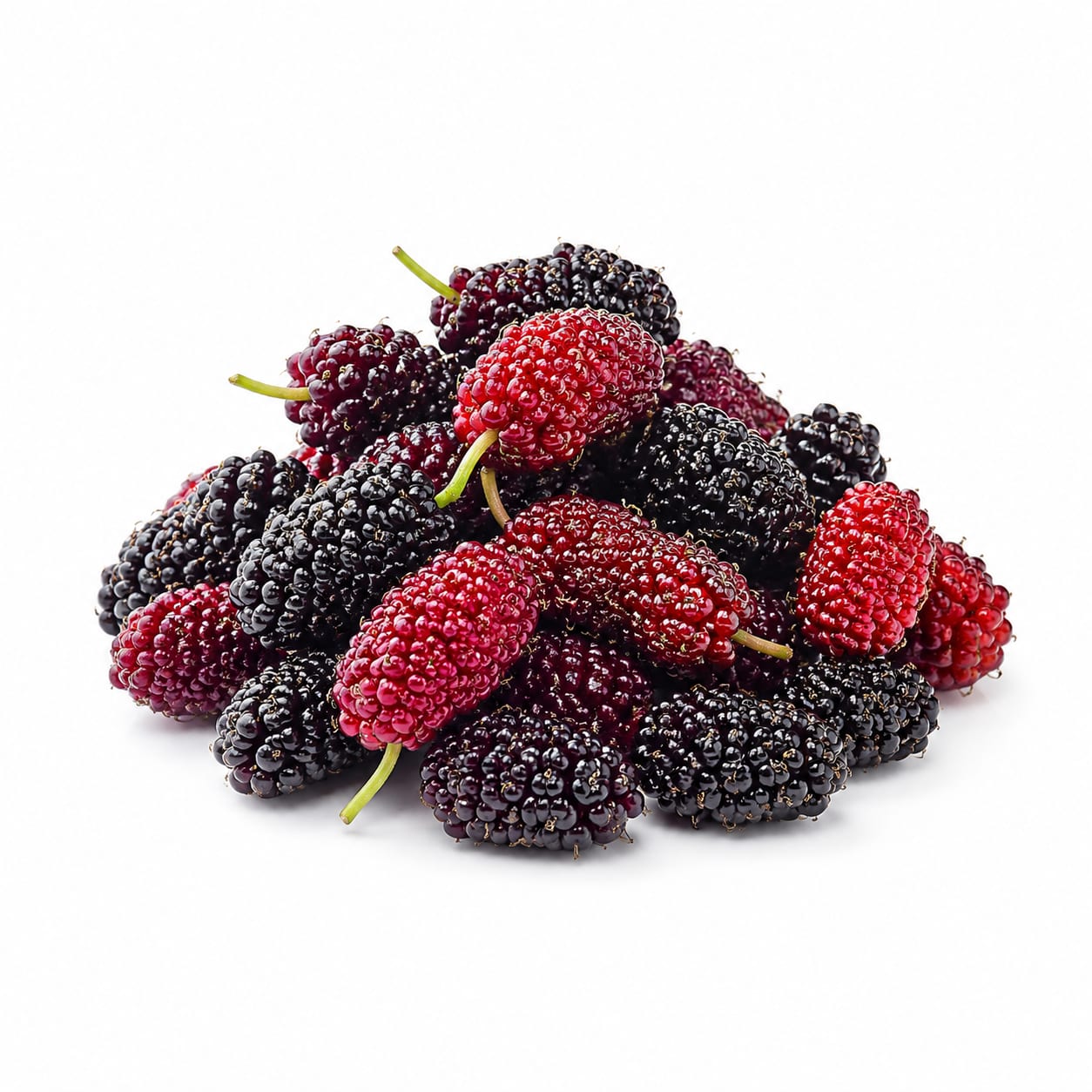
Mulberry
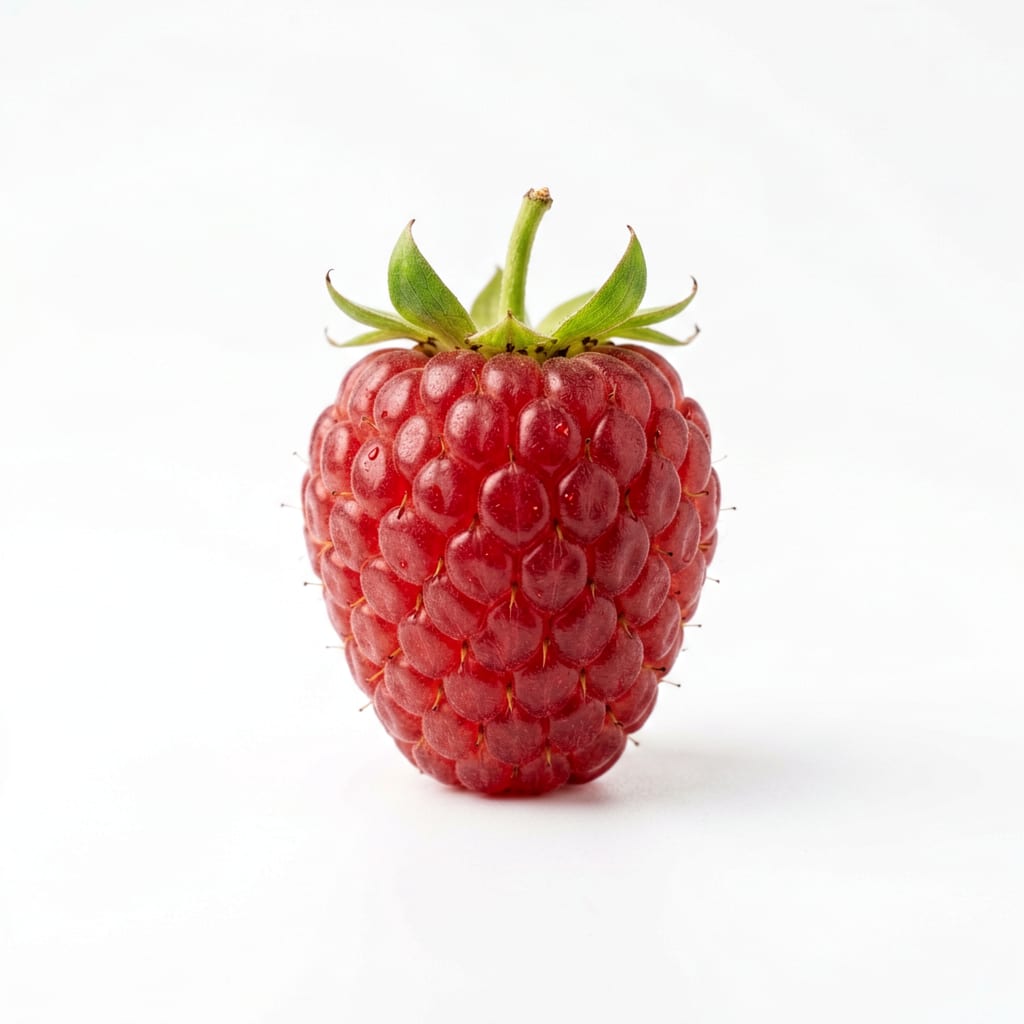
Raspberry
Raspberries win on fiber, lower sugar, and everyday availability. Mulberries win on iron, resveratrol, and vitamin K. Your pick depends on what your diet needs most.
Raspberries score higher overall due to superior fiber, lower sugar, and wider availability. Mulberries earn strong marks for unique nutrients like iron and resveratrol but lose points on sugar content and the fact that most consumers access them dried rather than fresh.
Raspberries give you more fiber and less sugar per bite. Mulberries give you rare minerals and antioxidants most other berries lack.
At a glance
Executive summary
Overall
It depends
Healthier
Raspberry
More practical
Raspberry
Daily use
Raspberry
Key comparison lenses
Antioxidant diversity and unique phytonutrients
Both berries are prized for antioxidants but offer distinctly different compounds — mulberries bring resveratrol while raspberries deliver ellagic acid
Sugar content and blood sugar management
Mulberries are notably sweeter and higher in natural sugars, making this a key differentiator for diabetics and low-carb eaters
Fiber and digestive health
Raspberries are among the highest-fiber fruits available, while mulberries lag significantly in this area
Iron and blood-building potential
Mulberries are unusually iron-rich for a fruit, which matters for vegetarians and those with anemia concerns
Fresh availability and practical daily use
Raspberries are grocery staples year-round; fresh mulberries are rare and often only found dried, which changes their nutritional profile
Best choice for
Mulberry
- People with iron deficiency or anemia
- Those seeking resveratrol without wine
- Anyone needing more vitamin K for bone health
- People wanting a sweeter berry without added sugar
Raspberry
- People managing blood sugar or diabetes
- Those prioritizing digestive health and regularity
- Anyone on a low-carb or keto diet
- People who want an easy-to-find fresh berry year-round
Least suitable for
Mulberry
- Strict low-carb dieters due to higher sugar content
- Those who need high fiber for digestion
- People relying on grocery store fresh produce
Raspberry
- People with iron deficiency seeking fruit-based iron sources
- Those specifically wanting resveratrol benefits
- Anyone looking for significant vitamin K from fruit
Deep comparison
Dimension by dimension
Each lens scores both foods and breaks down who each option suits.
- Dimension 1 · Priority 90Raspberry
Fiber and Digestive Health
Mulberry · 45Raspberry · 95Raspberries are a fiber powerhouse with roughly 8g per cup. Mulberries deliver less than half that amount.
Tradeoff
Choosing mulberries means sacrificing the digestive benefits that make berries such a gut-friendly food group.
Why it matters
Fiber keeps you full longer, stabilizes blood sugar, and feeds beneficial gut bacteria. This is one of the biggest nutritional gaps between these two berries.
Real-world impact
A cup of raspberries with breakfast can keep you satisfied until lunch. The same amount of mulberries may leave you hungry sooner.
Mulberry
- Light snacking when you want something sweet without feeling heavy
Better for
- Relieving constipation
- Feeling satiated on fewer calories
Worse for
Raspberry
- Improving digestion and preventing constipation
- Staying full between meals without extra calories
- Supporting a healthy gut microbiome
Better for
- Nothing significant — this is raspberry's strongest category
Worse for
- Dimension 2 · Priority 88Raspberry
Sugar Content and Blood Sugar Impact
Mulberry · 50Raspberry · 85Mulberries contain roughly 50% more sugar per cup than raspberries. Raspberries are one of the lowest-sugar berries available.
Tradeoff
Mulberries taste sweeter and more dessert-like, but that sweetness comes with a higher glycemic cost.
Why it matters
For anyone watching blood sugar — whether diabetic, prediabetic, or simply avoiding energy crashes — this difference is meaningful.
Real-world impact
Raspberries won't spike your blood sugar the way mulberries can. That means no afternoon energy crash after your morning berry bowl.
Mulberry
- Satisfying a sweet tooth with whole fruit instead of candy
- Situations where you need quick energy before exercise
Better for
- Blood sugar management
- Controlling sugar cravings long-term
Worse for
Raspberry
- Stable energy throughout the day
- Diabetes management and insulin sensitivity
- Keto and very low-carb diets
Better for
- Situations where natural sweetness makes healthy eating more enjoyable
Worse for
- Dimension 3 · Priority 92It depends
Antioxidant Diversity and Unique Phytonutrients
Mulberry · 85Raspberry · 82Mulberries offer resveratrol — the famous anti-aging compound in red wine. Raspberries provide ellagic acid, linked to cancer-fighting potential. Both are excellent but in different ways.
Tradeoff
You get heart-healthy, longevity-associated resveratrol from mulberries. You get cancer-research-backed ellagic acid from raspberries. Neither berry gives you both.
Why it matters
Antioxidant diversity matters more than total antioxidant count. Eating both berries would be ideal, but if choosing one, consider what health concerns run in your family.
Real-world impact
If heart disease is your concern, mulberries bring a unique compound usually found in wine. If cancer prevention is your focus, raspberries deliver one of the most studied protective compounds.
Mulberry
- Cardiovascular protection via resveratrol
- Anti-aging and longevity-focused diets
- Getting wine-like benefits without alcohol
Better for
- Cancer-specific prevention strategies
Worse for
Raspberry
- Cancer risk reduction through ellagic acid
- Reducing inflammation in joints and skin
- General cellular protection from oxidative stress
Better for
- Resveratrol-related heart and longevity benefits
Worse for
- Dimension 4 · Priority 80Mulberry
Iron and Blood-Building Nutrients
Mulberry · 88Raspberry · 35Mulberries are remarkably iron-rich for a fruit, providing about 2.6mg per cup. Raspberries contain minimal iron.
Tradeoff
If you are vegetarian, vegan, or prone to anemia, mulberries offer a rare fruit-based iron source. Raspberries cannot help here.
Why it matters
Iron deficiency is the most common nutrient deficiency worldwide. Finding it in a sweet fruit is unusual and valuable.
Real-world impact
Adding mulberries to a plant-based diet can meaningfully contribute to daily iron intake in a way most fruits simply cannot.
Mulberry
- Vegetarians and vegans needing plant-based iron
- Women with heavy menstrual cycles
- Anyone diagnosed with mild iron deficiency
Better for
- Nothing significant in this category
Worse for
Raspberry
- Nothing — raspberries are not an iron source
Better for
- Contributing to daily iron needs
- Supporting energy levels in anemic individuals
Worse for
- Dimension 5 · Priority 72Mulberry
Vitamin K and Bone Health
Mulberry · 80Raspberry · 50Mulberries provide significantly more vitamin K, which is essential for bone density and proper blood clotting.
Tradeoff
Stronger bone support from mulberries versus better blood sugar control from raspberries — a meaningful tradeoff for older adults.
Why it matters
Vitamin K is often overlooked but critical for long-term bone health, especially for post-menopausal women.
Real-world impact
Regular mulberry consumption can contribute to maintaining bone density over the years, complementing calcium-rich foods.
Mulberry
- Post-menopausal women concerned about bone density
- Anyone on blood thinners who needs consistent vitamin K intake
- Older adults prioritizing fracture prevention
Better for
- Nothing significant — this is mulberry's advantage
Worse for
Raspberry
- Nothing specific to bone health
Better for
- Contributing to daily vitamin K needs
Worse for
- Dimension 6 · Priority 75Raspberry
Availability and Practical Everyday Use
Mulberry · 40Raspberry · 90Fresh raspberries are available in nearly every grocery store year-round. Fresh mulberries are extremely rare and usually only found at farmers markets or specialty stores.
Tradeoff
Most people can only get mulberries dried, which concentrates the sugar and changes the nutritional profile. Raspberries are easy to find fresh.
Why it matters
The healthiest food is the one you can actually buy and eat consistently. Availability shapes real-world nutrition more than nutrient profiles.
Real-world impact
You can grab fresh raspberries any day of the week. Finding fresh mulberries might require a special trip or online order, making consistent consumption much harder.
Mulberry
- Dried mulberries are shelf-stable and portable for trail mix
- Online ordering makes them accessible even if local stores lack them
Better for
- Spontaneous purchases at regular grocery stores
- Eating them fresh without special sourcing
Worse for
Raspberry
- Easy weekly grocery shopping
- Consistent daily consumption without planning
- Choosing between organic and conventional at most stores
Better for
- Long-term shelf storage without spoilage
Worse for
Timeline
Health impact over time
Short-term
Hours to days
Mulberry
- Quick natural energy from higher sugar content
- Mild blood sugar elevation compared to lower-sugar berries
- Satisfying sweet craving without processed sugar
Raspberry
- Sustained fullness from high fiber content
- Minimal blood sugar disruption after eating
- Light, refreshing feeling without sugar heaviness
Long-term
Months to years
Mulberry
- Improved iron status with regular consumption
- Potential cardiovascular benefits from resveratrol
- Better bone density support from vitamin K
- Possible increased sugar exposure if eating dried mulberries frequently
Raspberry
- Improved digestive regularity and gut health
- Lower long-term diabetes risk from consistent low-sugar fruit intake
- Reduced inflammation from ellagic acid and anthocyanins
- Easier weight management from high-satiety, low-calorie snacking
Risk profile
Safety & processing
Both berries are whole foods when fresh. However, mulberries are most commonly sold dried, and dried versions often contain added sugar or preservatives. Always check labels on dried mulberries. Fresh raspberries rarely have additive concerns.
Mulberry
Added sugar in dried versions
mediumMany commercially dried mulberries contain added sweeteners or oils. This significantly changes the health profile compared to fresh fruit.
Pesticide residue on conventionally grown
lowMulberries are not heavily treated compared to some fruits, but data is limited since they are less commonly commercially grown.
Raspberry
Pesticide residue on conventional raspberries
mediumRaspberries consistently appear on the EWG Dirty Dozen list due to pesticide residue. Choosing organic significantly reduces exposure.
Mold and spoilage
lowRaspberries are delicate and mold quickly. Inspect containers carefully and consume within a few days of purchase.
Who wins for whom
Audience fit
Same foods, different winners depending on your goal.
children
RaspberryRaspberries are easier to find fresh, have less sugar, and their high fiber supports healthy digestion in growing kids.
daily consumption
RaspberryRaspberries are easier to find fresh consistently, lower in sugar for daily use, and higher in fiber for everyday digestive health.
diabetes
RaspberryRaspberries have significantly less sugar and more fiber, resulting in a much gentler blood sugar response.
elderly
It dependsMulberries support bone density with vitamin K and provide iron for energy. Raspberries support digestive regularity and blood sugar control. Both matter for older adults.
muscle gain
It dependsNeither berry is a muscle-building food. Mulberries offer slightly more iron for oxygen transport during exercise, but the difference is minor.
weight loss
RaspberryRaspberries provide more fiber and fewer calories per cup, keeping you full longer on less energy intake.
Your move
Decision guide
Choose Mulberry
- You have low iron or are at risk for anemia
- Heart health and longevity are top priorities for you
- You want resveratrol benefits without drinking wine
- You can find fresh mulberries or high-quality dried ones without added sugar
- You need more vitamin K in your diet
Choose Raspberry
- You want the most filling, lowest-sugar berry option
- Blood sugar management is a daily concern
- You value easy grocery store availability
- Digestive health and regularity are priorities
- You eat berries daily and want the most sustainable choice
Either works if
- You simply want more antioxidant variety in your diet
- You are rotating berries seasonally for diverse phytonutrients
- Neither berry is a staple — you just want a healthy snack
Avoid both if
- You have a salicylate sensitivity, as both berries contain moderate levels
- You are on a very strict low-potassium diet for kidney disease
Final recommendation
Eat raspberries as your daily go-to berry for fiber, blood sugar control, and convenience. Add mulberries when you can find them fresh or unsweetened dried — they bring iron, resveratrol, and vitamin K that raspberries cannot match. The ideal approach is eating both across the week, but if you must choose one for daily use, raspberries are the more practical and metabolically friendly choice.
Practical
Consumer tips
- 1
If buying dried mulberries, check the ingredient list for added sugar — many brands add sweeteners that negate the health benefits
- 2
Choose organic raspberries when possible — they rank high for pesticide residue on conventional produce
- 3
Fresh mulberries spoil very quickly; use within one to two days of purchase or freeze immediately
- 4
Freeze raspberries in a single layer on a baking sheet before transferring to a bag — they keep their shape better for smoothies and toppings
- 5
Pair mulberries with a vitamin C source like citrus to boost iron absorption
- 6
Add raspberries to overnight oats — their fiber thickens the mixture and keeps you full until lunch