
Nutrition comparison
Mulberry vs Grape: Which is Healthier?
Compare Mulberry vs Grape for sugar, fiber, and health benefits. Find out which fruit is better for blood sugar, weight loss, and snacking.
Overall winner · Mulberry
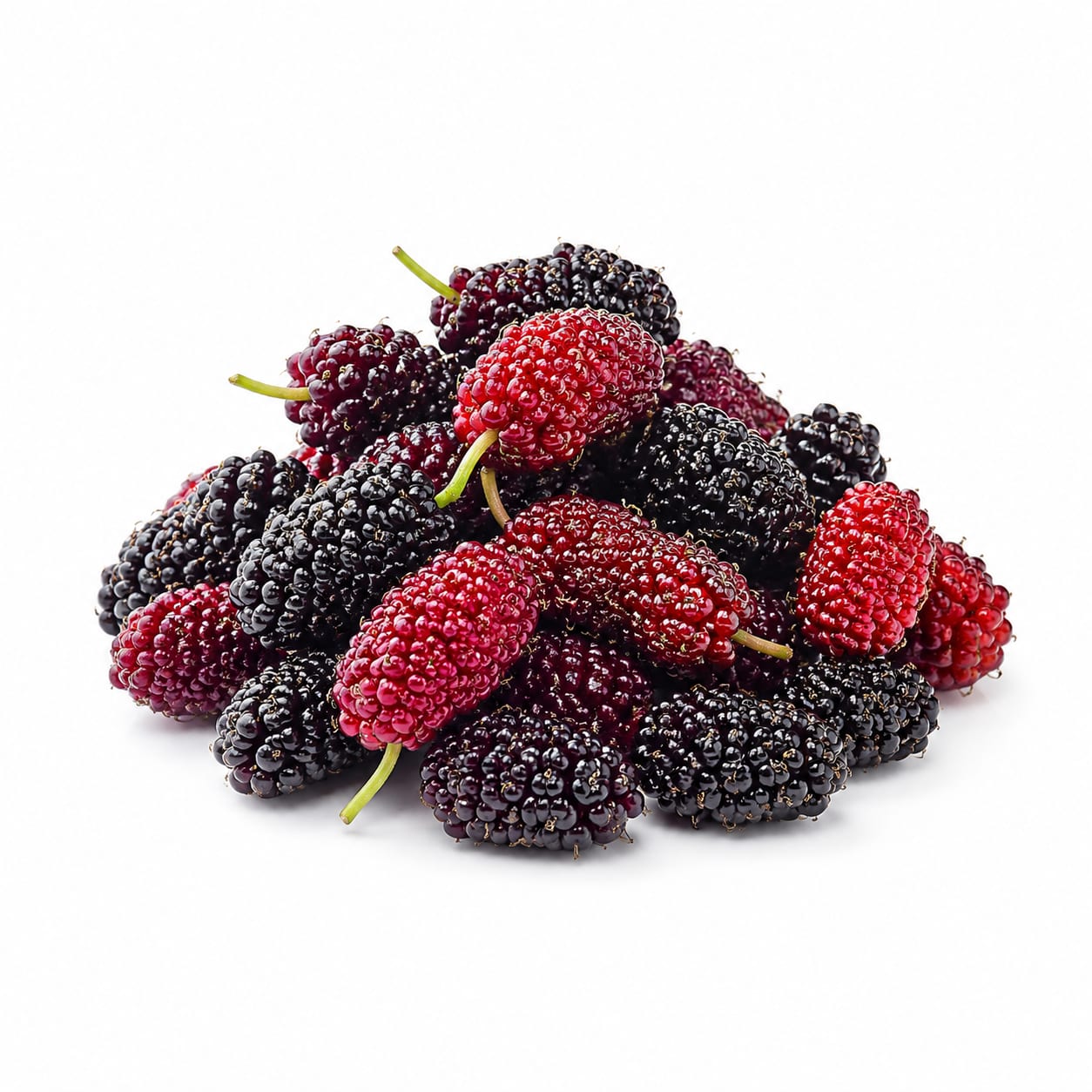
Mulberry
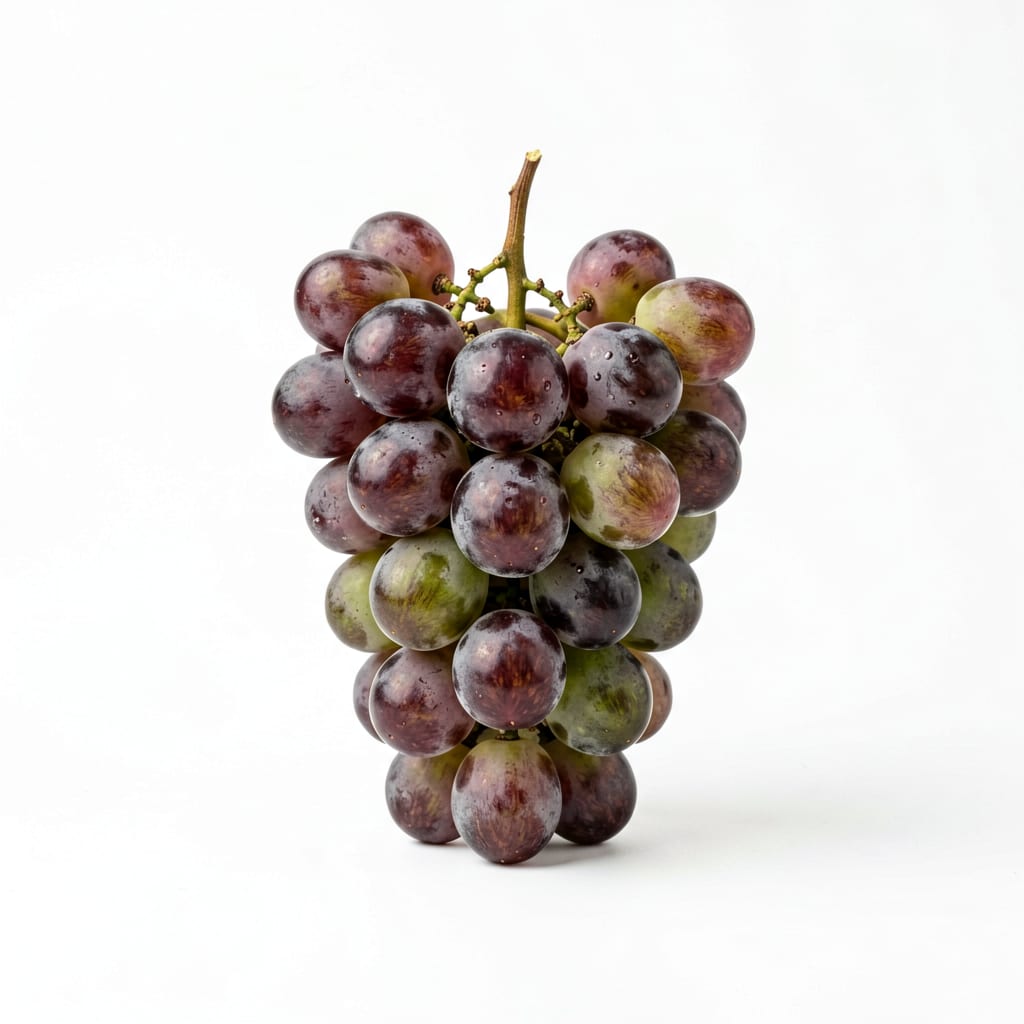
Grape
Mulberries offer a lower-sugar, higher-fiber alternative to grapes, making them steadier on blood sugar, though grapes win on convenience and availability.
Mulberries score higher due to superior fiber and lower sugar, but grapes remain a solid, accessible choice for active individuals.
Blood sugar stability and fiber (Mulberry) vs. widespread availability and quick energy (Grape).
At a glance
Executive summary
Overall
Mulberry
Healthier
Mulberry
More practical
Grape
Daily use
It depends
Key comparison lenses
Blood sugar impact and sugar content
Grapes are notoriously high in sugar, while Mulberries are known for a gentler glycemic impact.
Satiety and overeating risk
It is very easy to overeat sweet grapes, whereas Mulberries are more filling per calorie.
Antioxidant diversity and longevity benefits
Both fruits are famous for resveratrol, but users often want to know which offers better anti-aging benefits.
Practicality and grocery availability
Grapes are a staple everywhere, while fresh Mulberries are seasonal and harder to find.
Best choice for
Mulberry
- People managing blood sugar or insulin resistance
- Weight-conscious snackers seeking high satiety
- Those looking to increase dietary fiber easily
Grape
- Athletes needing quick, natural carbohydrates
- People who want an easy-to-find everyday fruit
- Kids who prefer sweeter, familiar snacks
Least suitable for
Mulberry
- People with limited access to specialty grocers or farmers markets
- Those wanting immediate, fast-acting energy
Grape
- People on strict low-carb or keto diets
- Those prone to sugar cravings and blood sugar crashes
Deep comparison
Dimension by dimension
Each lens scores both foods and breaks down who each option suits.
- Dimension 1 · Priority 95Mulberry
Blood Sugar & Glycemic Impact
Mulberry · 88Grape · 55Mulberries have significantly less sugar and more fiber, preventing the rapid blood sugar spikes that grapes can cause.
Tradeoff
You get a gentler energy response with Mulberries, but grapes provide faster fuel if you actually need a quick carb source.
Why it matters
Steady blood sugar means fewer afternoon energy crashes and less cravings later in the day.
Real-world impact
Eating a large bowl of grapes can leave you hungry an hour later; Mulberries keep you feeling steadier for longer.
Mulberry
- Diabetics
- Low-carb dieters
- Afternoon desk snackers
Better for
- Acute hypoglycemia recovery
Worse for
Grape
- Pre-workout fuel
- Endurance athletes
- Hikers needing quick calories
Better for
- Insulin resistance management
- Sugar addiction recovery
Worse for
- Dimension 2 · Priority 88Mulberry
Satiety & Overeating Potential
Mulberry · 82Grape · 58It is very easy to eat an entire bag of grapes without feeling full, while Mulberries are more filling per calorie.
Tradeoff
Mulberries naturally limit your intake through fiber, whereas grapes are an easy way to accidentally consume a lot of sugar.
Why it matters
Portion control with sweet fruits is a major hidden source of excess calories in otherwise healthy diets.
Real-world impact
Mindless snacking on grapes can easily add up to 300+ calories; Mulberries satisfy your sweet tooth faster.
Mulberry
- Weight loss
- Mindful snacking
- Controlling sweet cravings
Better for
- Those struggling to eat enough calories
Worse for
Grape
- Bulk eating for healthy weight gain
- High-calorie smoothies
Better for
- People who stress-eat fruit
Worse for
- Dimension 3 · Priority 75It depends
Antioxidant Profile & Longevity Benefits
Mulberry · 85Grape · 82Both are rich in resveratrol, but Mulberries also bring unique anthocyanins, while grapes offer diverse polyphenols in the skin.
Tradeoff
Mulberries have a slight edge in overall antioxidant diversity, but dark grapes are still a top-tier longevity food.
Why it matters
Antioxidants protect your cells from daily wear and tear and support healthy aging.
Real-world impact
Regularly eating either fruit supports heart health and reduces inflammation just as well as expensive supplements.
Mulberry
- Targeted anti-aging benefits
- Reducing oxidative stress
Better for
- None significant
Worse for
Grape
- Cardiovascular support
- Easy daily antioxidant boost
Better for
- None significant
Worse for
- Dimension 4 · Priority 70Grape
Convenience & Availability
Mulberry · 45Grape · 92Grapes are available year-round in any grocery store; fresh Mulberries are rare and often seasonal or found dried.
Tradeoff
Grapes are effortless to find and eat, while Mulberries require more effort to source and may come dried with added sugar.
Why it matters
The best healthy food is the one you can actually buy and eat consistently.
Real-world impact
You can grab grapes anywhere; finding fresh Mulberries might mean visiting a farmer's market or ordering online.
Mulberry
- Home gardeners
- Specialty diet followers
Better for
- Quick grocery runs
- Budget shoppers
Worse for
Grape
- Busy families
- Weekly grocery shoppers
- Travel snacks
Better for
- Those wanting exotic nutrient profiles
Worse for
Timeline
Health impact over time
Short-term
Hours to days
Mulberry
- Steady, sustained energy
- Mild digestive support from fiber
Grape
- Quick energy spike
- Possible sugar crash if eaten in large amounts
Long-term
Months to years
Mulberry
- Better blood sugar management
- Improved digestive regularity from high fiber
Grape
- Potential weight gain if overeaten regularly
- Good heart health from consistent resveratrol intake
Risk profile
Safety & processing
Both are whole foods when fresh. However, dried Mulberries often contain added sugars, while fresh grapes are consistently additive-free.
Mulberry
Added sugars in dried forms
mediumMany commercially available dried Mulberries are sweetened, which completely negates their natural low-sugar advantage.
Pesticide residue
mediumFresh Mulberries are delicate and often sprayed; dried versions may have concentrated residues if not organic.
Grape
Pesticide residue
highGrapes consistently rank high on the Dirty Dozen list for pesticide residues; washing thoroughly is essential.
Mold and spoilage
lowGrapes can harbor hidden mold inside the bunch, which can spread quickly and cause stomach upset.
Who wins for whom
Audience fit
Same foods, different winners depending on your goal.
children
GrapeGrapes are sweeter, more familiar, and easier for kids to eat, though they must be sliced for toddlers to prevent choking.
daily consumption
It dependsMulberries are healthier per bite, but grapes are far more practical for consistent daily inclusion depending on where you shop.
diabetes
MulberryMulberries have a much gentler impact on blood sugar and contain compounds that may inhibit sugar digestion.
elderly
MulberryThe fiber in Mulberries helps with common digestive slowdowns, and the lower sugar suits slower metabolisms.
muscle gain
GrapeGrapes provide quick, easily accessible carbohydrates that are highly useful post-workout for glycogen replenishment.
weight loss
MulberryLower sugar and higher fiber make Mulberries more filling and far less likely to trigger a binge.
Your move
Decision guide
Choose Mulberry
- You are actively watching your blood sugar or carb intake
- You want a high-fiber fruit that keeps you full for hours
- You have access to fresh or unsweetened dried Mulberries
Choose Grape
- You need quick, natural energy before or after a workout
- Convenience and grocery availability are your top priorities
- You want a kid-friendly, universally loved snack
Either works if
- You want to boost your antioxidant intake for longevity
- You are looking for a whole-food snack instead of processed sweets
Avoid both if
- You are on a strict ketogenic diet, as both contain natural carbs
- You have a severe salicylate sensitivity
Final recommendation
Choose Mulberries for metabolic health and satiety, but stick to Grapes for convenience and quick energy. If buying dried Mulberries, check the label to ensure no sugar was added, or the health advantage disappears.
Practical
Consumer tips
- 1
If buying dried Mulberries, always choose unsweetened varieties to preserve their low-sugar benefit.
- 2
Wash grapes thoroughly due to their high position on the Dirty Dozen list; consider buying organic.
- 3
Freeze grapes for a refreshing, longer-lasting summer snack that naturally slows down mindless eating.
- 4
Mix a small handful of Mulberries into a nut mix for a perfectly balanced, low-glycemic trail mix.