
Nutrition comparison
Mulberry vs Goji Berry: Which Superfruit Is Actually Better for You?
Compare mulberry and goji berry on blood sugar impact, eye health benefits, safety, protein, and value. Learn which berry fits your health goals and when to choose each.
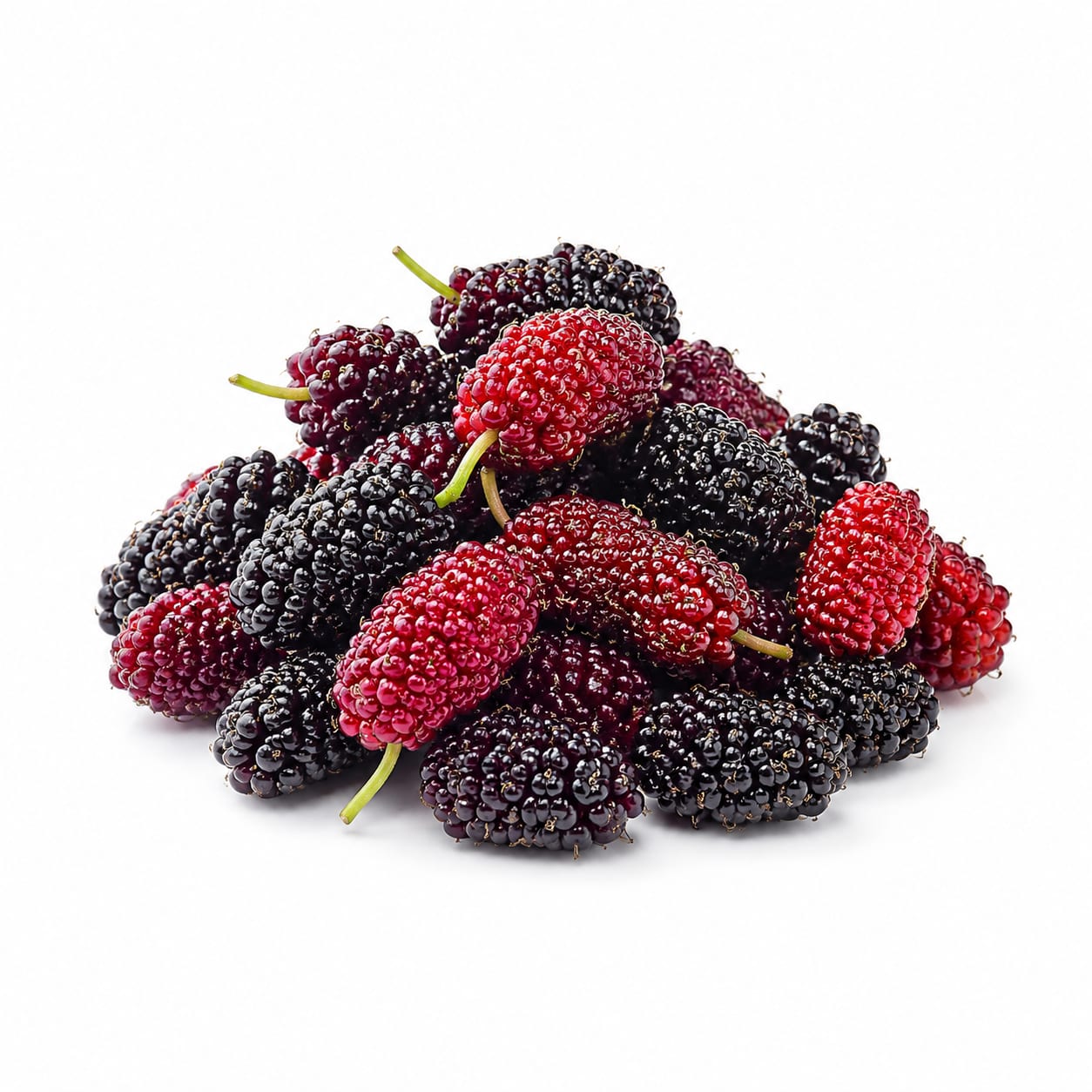
Mulberry
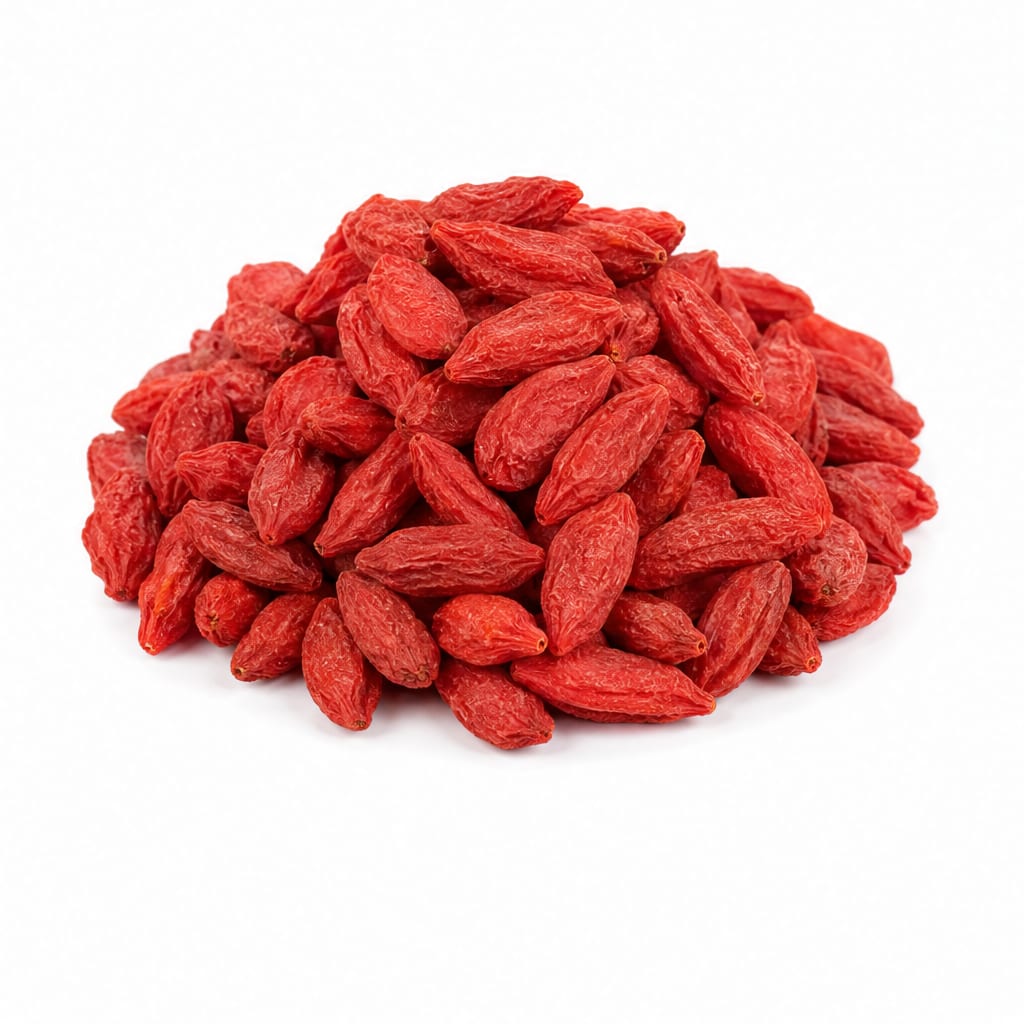
Goji Berry
Mulberries win for blood sugar control and safety, goji berries win for eye health and protein — your priority determines the winner
Mulberries score slightly higher due to better blood sugar properties, lower contamination risk, and stronger value — but goji berries win on specific nutrients like zeaxanthin and protein, making this a context-dependent comparison
Goji berries offer more zeaxanthin and protein but carry higher contamination risk and cost more; mulberries are gentler on blood sugar and safer but less nutrient-dense
At a glance
Executive summary
Overall
It depends
Healthier
It depends
More practical
Mulberry
Daily use
Mulberry
Key comparison lenses
antioxidant superiority and eye health benefits
Both berries are marketed as superfood antioxidants, but their antioxidant profiles differ significantly — goji berries excel in zeaxanthin for eye health while mulberries offer resveratrol
blood sugar management
Mulberries contain 1-DNJ, a compound that actually inhibits sugar digestion, making them uniquely relevant for glucose control compared to goji berries
safety and contamination concerns
Goji berries imported from China have documented issues with pesticide residues and atropine contamination, while mulberries face fewer known contamination risks
value and accessibility
Goji berries are significantly more expensive and often harder to find fresh, while mulberries are more affordable and increasingly available
protein and nutrient density per calorie
Goji berries surprisingly contain more protein than most fruits, while mulberries are lighter and lower in sugar
Best choice for
Mulberry
- People managing diabetes or insulin resistance
- Budget-conscious consumers wanting a superfood
- Those concerned about pesticide and heavy metal exposure
- Anyone wanting a lower-sugar dried fruit option
Goji Berry
- People focused on eye health and macular protection
- Older adults needing more protein from plant sources
- Those following Traditional Chinese Medicine practices
- Anyone wanting the highest antioxidant density per gram
Least suitable for
Mulberry
- People seeking maximum nutrient density per serving
- Those wanting significant protein from their fruit
- Anyone looking for proven eye health benefits
Goji Berry
- People on blood thinners like warfarin
- Those strictly monitoring sugar intake from dried fruit
- Budget-limited households
- People worried about pesticide residues from imported foods
Deep comparison
Dimension by dimension
Each lens scores both foods and breaks down who each option suits.
- Dimension 1 · Priority 92Mulberry
Blood Sugar Impact
Mulberry · 88Goji Berry · 62Mulberries contain 1-deoxynojirimycin (1-DNJ), which literally blocks sugar absorption — goji berries have no equivalent mechanism and dried versions are sugar-dense
Tradeoff
You gain meaningful glucose control with mulberries but lose the broader nutrient density that goji berries provide
Why it matters
For the millions managing prediabetes or insulin resistance, this difference is not subtle — it changes whether a dried fruit helps or harms your metabolic goals
Real-world impact
A handful of dried mulberries with breakfast causes a noticeably smaller blood sugar spike than the same amount of goji berries
Mulberry
- Diabetics and prediabetics
- Low-carb dieters wanting fruit
- Anyone experiencing afternoon energy crashes
Better for
- Those who need calorie-dense fuel during activity
Worse for
Goji Berry
- Endurance athletes needing quick energy
- Underweight individuals seeking calorie density
Better for
- Insulin-resistant individuals
- Anyone tracking glycemic load carefully
Worse for
- Dimension 2 · Priority 90Goji Berry
Eye Health and Antioxidant Specificity
Mulberry · 58Goji Berry · 93Goji berries are one of the richest natural sources of zeaxanthin, directly protecting the macula — mulberries have antioxidants but none targeted at vision
Tradeoff
Goji berries deliver proven eye protection but at higher cost and contamination risk; mulberries offer general antioxidants without the vision-specific benefit
Why it matters
Age-related macular degeneration affects millions and zeaxanthin is one of the few nutrients with strong evidence for prevention
Real-world impact
Eating goji berries regularly could meaningfully slow age-related vision decline in a way mulberries simply cannot match
Mulberry
- Young healthy adults with no eye concerns
Better for
- Those specifically seeking eye health support
Worse for
Goji Berry
- Adults over 50 concerned about vision
- People with family history of macular degeneration
- Anyone spending long hours on screens
Better for
- People who cannot afford premium pricing for targeted benefits
Worse for
- Dimension 3 · Priority 85Mulberry
Safety and Contamination Risk
Mulberry · 82Goji Berry · 55Goji berries have documented issues with pesticide residues, atropine contamination, and heavy metals in some imported batches — mulberries face fewer known risks
Tradeoff
Mulberries offer more peace of mind but goji berries' risks can be mitigated by choosing organic, tested brands
Why it matters
You are eating these for health — contamination undermines the entire purpose and can introduce toxins that outweigh the benefits
Real-world impact
A contaminated batch of goji berries could expose you to more harm than the antioxidants provide, making sourcing critical
Mulberry
- Anyone concerned about pesticide exposure
- Parents feeding dried fruit to children
- People who buy whatever is available without researching brands
Better for
- No significant downside here
Worse for
Goji Berry
- Consumers who can verify organic and third-party tested sources
Better for
- Budget shoppers buying the cheapest available goji berries
- Anyone not checking country of origin and testing certifications
Worse for
- Dimension 4 · Priority 72Goji Berry
Protein and Nutrient Density
Mulberry · 55Goji Berry · 84Goji berries contain roughly 14g protein per 100g dried — exceptional for fruit — plus more vitamin A and iron; mulberries are lighter overall
Tradeoff
Goji berries deliver more nutrition per gram but also more sugar and calories to get it
Why it matters
If you are relying on dried fruit as a meaningful nutrient source rather than just a snack, goji berries pull ahead substantially
Real-world impact
Adding goji berries to trail mix contributes noticeable protein and iron; mulberries contribute more modestly
Mulberry
- Those wanting a lighter, less calorie-dense snack
- People who eat protein from other primary sources
Better for
- Those relying on snacks for meaningful nutrition
Worse for
Goji Berry
- Vegans and vegetarians seeking plant protein
- Anyone needing iron supplementation through food
- Older adults with declining appetite who need nutrient density
Better for
- Calorie-restricted dieters who find nutrient density comes with too many calories
Worse for
- Dimension 5 · Priority 78Mulberry
Value and Accessibility
Mulberry · 80Goji Berry · 52Mulberries are typically 30-50% cheaper than goji berries and increasingly available in mainstream stores; goji berries remain a premium product
Tradeoff
Mulberries let you eat superfood-quality berries daily without budget strain; goji berries cost more but deliver targeted benefits some people genuinely need
Why it matters
The best healthy food is the one you can afford to eat consistently — premium pricing often leads to occasional use, which reduces real-world impact
Real-world impact
You can use mulberries as a daily oatmeal topping without thinking about cost; goji berries often become a sparing luxury
Mulberry
- Daily consumers wanting sustainable habits
- Families buying in bulk
- Students and budget-limited health enthusiasts
Better for
- No real downside here unless you specifically need goji's unique compounds
Worse for
Goji Berry
- Those who use berries sparingly as a targeted supplement
- Consumers prioritizing specific health outcomes over cost
Better for
- Anyone who needs to eat berries in quantity for benefits
Worse for
- Dimension 6 · Priority 65It depends
Culinary Versatility and Taste
Mulberry · 72Goji Berry · 70Mulberries have a milder, honey-like sweetness that blends easily; goji berries have a tart, slightly herbal flavor that works well in specific recipes but can dominate
Tradeoff
Mulberries are easier to use broadly; goji berries add distinctive character but not everyone enjoys the taste
Why it matters
If you do not enjoy eating something, you will not eat it — taste determines whether health benefits actually materialize
Real-world impact
Mulberries disappear pleasantly into smoothies and baking; goji berries announce themselves and require recipe compatibility
Mulberry
- Pickier eaters who want neutral sweetness
- Bakers wanting berries that blend into recipes
Better for
- Those seeking bold, distinctive flavor
Worse for
Goji Berry
- Fans of tart, complex flavors
- People making Traditional Chinese Medicine-inspired soups and teas
Better for
- Anyone who has tried goji berries and found them unpleasant
- People wanting an invisible nutrition boost in smoothies
Worse for
Timeline
Health impact over time
Short-term
Hours to days
Mulberry
- Gentle on blood sugar with minimal crash risk
- Mild digestive support from fiber content
- Light, satisfying snack that does not induce cravings
Goji Berry
- More noticeable energy from higher natural sugar content
- Potential stomach upset if eaten in large quantities on an empty stomach
- Possible interaction with blood thinners within hours of consumption
Long-term
Months to years
Mulberry
- Consistent blood sugar support from 1-DNJ compounds
- Resveratrol contribution to cardiovascular health
- Sustainable daily habit due to low cost and mild flavor
Goji Berry
- Meaningful zeaxanthin accumulation supporting macular health over years
- Plant protein contribution especially valuable in vegetarian diets
- Risk of chronic low-level contaminant exposure if sourcing is not careful
Risk profile
Safety & processing
Both are typically sold as simply dried berries with no additives, though some goji berry brands add sulfur dioxide as a preservative — always check labels. Mulberries are more commonly found without any preservatives.
Mulberry
Pesticide residues on conventionally grown mulberries
lowMulberries face fewer documented contamination issues than goji berries, but conventional farming still uses pesticides — organic is preferable
Mold on improperly stored dried mulberries
lowLike any dried fruit, moisture exposure can cause mold — store in airtight containers and check for freshness
Goji Berry
Atropine contamination
mediumSome goji berry batches have tested positive for atropine, a toxic alkaloid likely from nightshade weed contamination during harvest — EU has flagged this repeatedly
Pesticide residues exceeding safety limits
highGoji berries from certain Chinese regions have repeatedly tested above acceptable pesticide limits — this is the most documented safety concern
Heavy metal accumulation
mediumSoil contamination in some growing regions can lead to lead and cadmium presence in goji berries — third-party testing matters
Drug interaction with warfarin
highGoji berries can increase the effect of blood thinners like warfarin, potentially causing dangerous bleeding — this is a clinically documented interaction
Who wins for whom
Audience fit
Same foods, different winners depending on your goal.
children
MulberryMilder flavor, lower contamination risk, and gentler blood sugar impact make mulberries a safer choice for developing bodies
daily consumption
MulberryLower cost, lower contamination risk, and blood sugar benefits that compound with daily use make mulberries the more sustainable daily habit
diabetes
MulberryThe 1-DNJ compound in mulberries actively inhibits alpha-glucosidase, reducing glucose absorption — this is a rare fruit with pharmacological-level blood sugar benefits
elderly
Goji BerryZeaxanthin for macular degeneration, more protein for sarcopenia prevention, and higher iron for common deficiencies make goji berries more targeted for aging concerns — assuming clean sourcing
muscle gain
Goji BerryGoji berries provide significantly more protein per serving, though neither berry is a primary protein source — goji simply contributes more toward daily targets
weight loss
MulberryLower sugar, fewer calories per serving, and 1-DNJ compounds that blunt sugar absorption make mulberries more compatible with fat loss goals
Your move
Decision guide
Choose Mulberry
- You are managing blood sugar, insulin resistance, or diabetes
- You want a daily superfruit without the premium price tag
- Contamination risk bothers you and you do not want to research brands
- You prefer mild, sweet flavors that blend into anything
- You are buying for a family and need safe, affordable options
Choose Goji Berry
- Eye health is a top priority, especially if you are over 50
- You want maximum nutrient density per gram of dried fruit
- You follow Traditional Chinese Medicine principles
- You can afford and verify organic, third-party tested sources
- You are vegan and want more plant protein from fruit sources
Either works if
- You just want a nutrient-dense dried fruit for trail mix
- Neither berry is your primary nutrition source — just a supplement
- You enjoy both flavors and want variety in your diet
Avoid both if
- You are sensitive to dried fruit sugar in general
- You have histamine intolerance, which both berries can aggravate
- You are on blood thinners — especially avoid goji berries
- You expect miracle health outcomes from any single food
Final recommendation
Eat mulberries daily for sustainable, safe blood sugar support and general antioxidants. Add goji berries a few times per week if eye health is a priority — but only from verified organic sources. You do not need to choose just one; alternating gives you mulberry's glucose control and goji's zeaxanthin without overconsuming either.
Practical
Consumer tips
- 1
For goji berries, always look for organic certification and third-party testing — the contamination risk is real and documented
- 2
If you take warfarin or any blood thinner, talk to your doctor before eating goji berries regularly
- 3
Dried mulberries are typically additive-free, but still check for sulfur dioxide on goji berry labels
- 4
Store both in airtight containers away from sunlight — dried berries degrade faster than people expect
- 5
Fresh mulberries are worth seeking out at farmers markets in summer — they have more vitamin C and no sugar concentration from drying
- 6
If goji berries taste unusually bitter, discard them — this can indicate atropine contamination
- 7
Freezing dried berries extends shelf life significantly without nutrient loss