
Nutrition comparison
Mulberry vs Dried Mulberry: Which Is Healthier?
Fresh Mulberry vs Dried Mulberry comparison covering sugar, calories, iron, vitamin C, and blood sugar impact. Learn which form fits your health goals and when each makes sense.
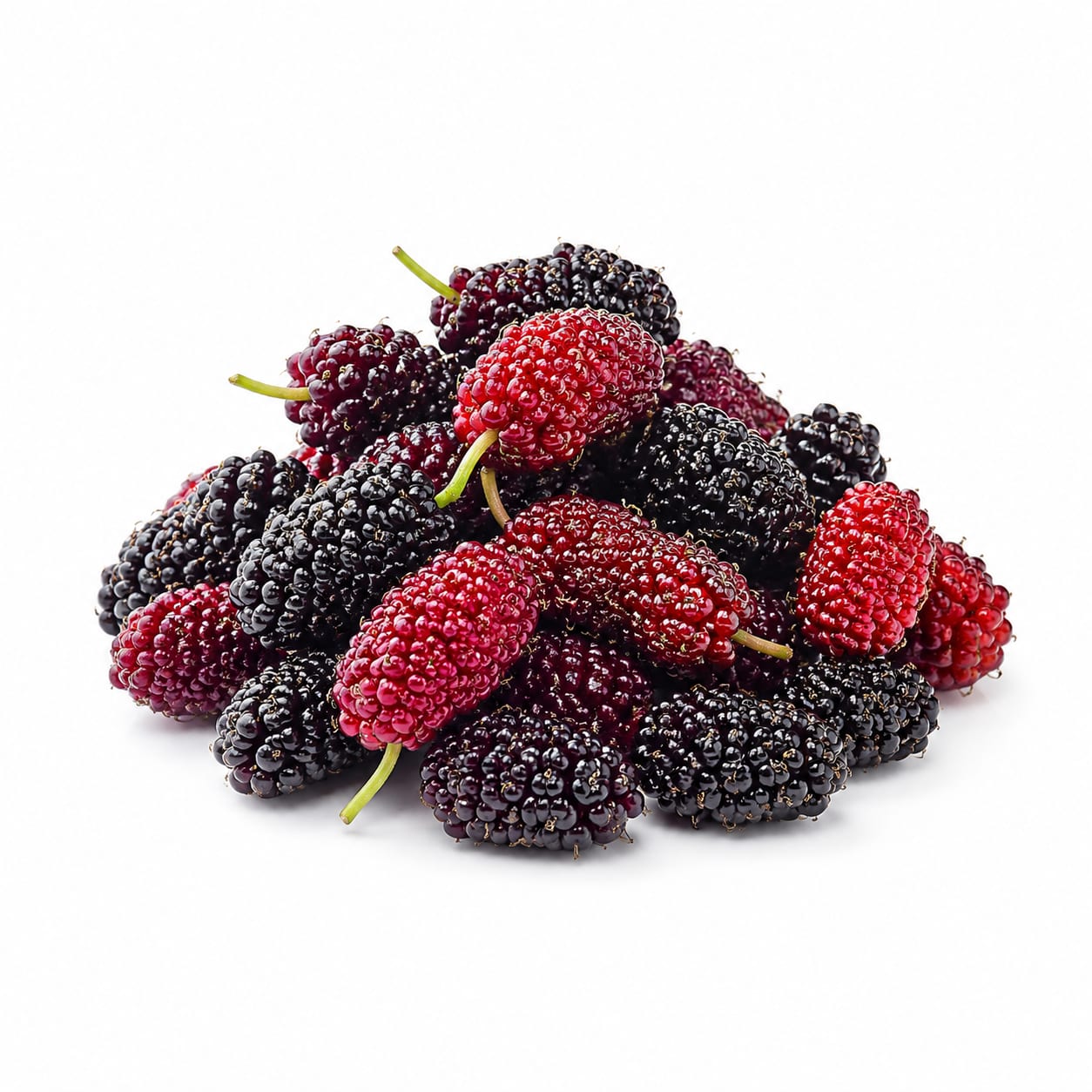
Mulberry
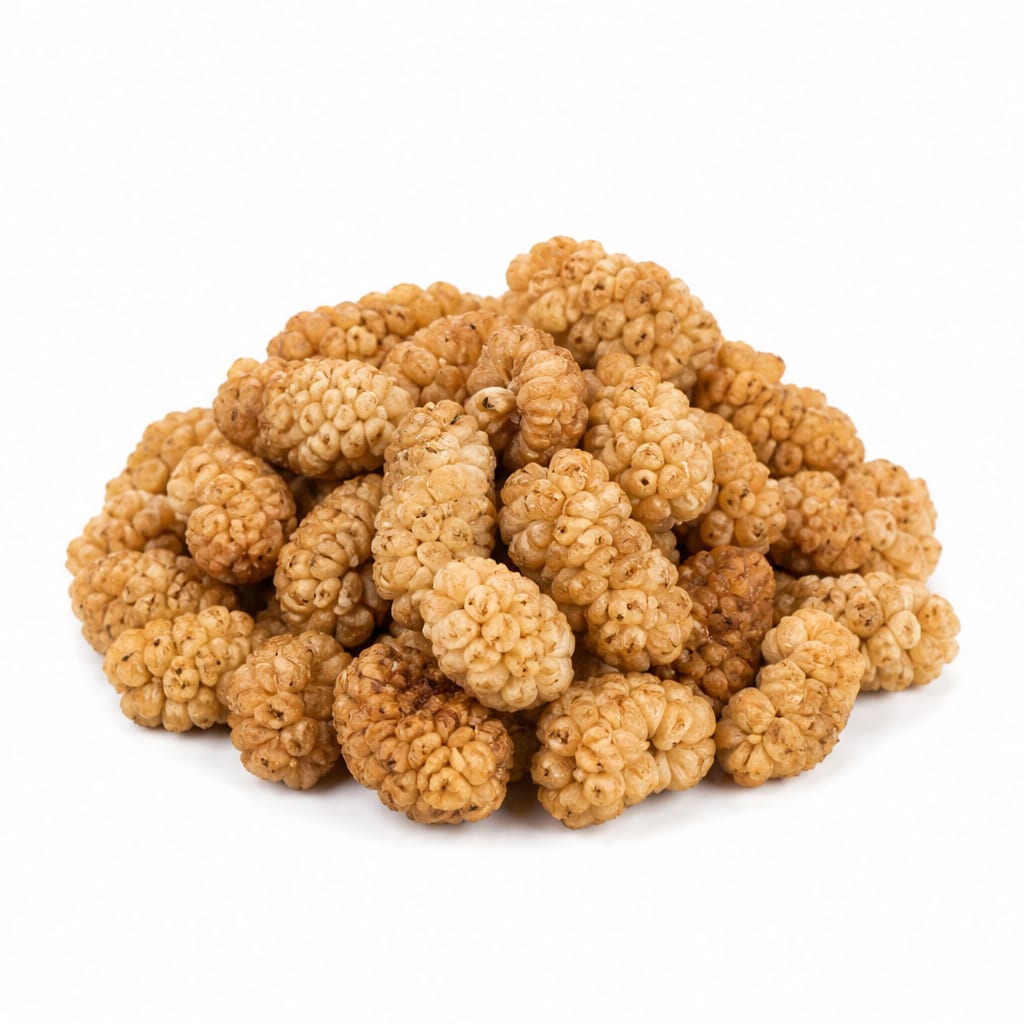
Dried Mulberry
Fresh Mulberry wins for everyday snacking and blood sugar control. Dried Mulberry wins for convenience, iron boost, and travel-friendly nutrition.
Fresh Mulberry scores higher because its lower sugar and calorie density make it safer for regular consumption. Dried Mulberry is nutritionally rich but its concentrated sugar and easy overconsumption drag its score down for daily use.
Dried Mulberry concentrates the good (iron, fiber, antioxidants) and the bad (sugar, calories) into a much smaller package that is easy to overeat.
At a glance
Executive summary
Overall
It depends
Healthier
Mulberry
More practical
Dried Mulberry
Daily use
Mulberry
Key comparison lenses
sugar concentration and blood sugar impact
Drying concentrates sugars dramatically, making portion control critical
nutrient density per calorie
Dried Mulberry packs more nutrients per gram but also far more calories
overeating risk and satiety
Dried fruit is notoriously easy to overconsume, which undermines its health benefits
convenience and shelf stability
Dried Mulberry is far more practical for travel, storage, and on-the-go snacking
vitamin C preservation
Fresh Mulberry retains vitamin C that is largely destroyed during drying
Best choice for
Mulberry
- People managing blood sugar or diabetes
- Anyone watching calorie intake
- Those seeking hydration and vitamin C
- Mindful snackers who eat slowly
Dried Mulberry
- Hikers and travelers needing portable nutrition
- People with iron deficiency needing a boost
- Those who struggle to eat enough calories
- Anyone wanting long shelf-stable fruit
Least suitable for
Mulberry
- People needing calorie-dense portable food
- Those in areas where fresh mulberries are unavailable
- Anyone wanting a long-lasting pantry staple
Dried Mulberry
- People with diabetes or insulin resistance
- Anyone prone to mindless snacking
- Those strictly managing calorie intake
- Children who may overeat sweet dried fruit
Deep comparison
Dimension by dimension
Each lens scores both foods and breaks down who each option suits.
- Dimension 1 · Priority 95Mulberry
blood sugar stability
Mulberry · 82Dried Mulberry · 45Fresh Mulberry has a much gentler impact on blood sugar due to its high water content diluting the sugar load per serving.
Tradeoff
Dried Mulberry delivers concentrated antioxidants alongside concentrated sugar, so the nutritional upside comes with a glycemic cost.
Why it matters
A handful of dried mulberries can spike blood sugar similarly to candy, while a full cup of fresh mulberries provides the same flavor experience with a fraction of the sugar hit.
Real-world impact
Eating fresh Mulberry as an afternoon snack keeps energy steady. Eating Dried Mulberry by the handful can trigger a sugar rush followed by a crash.
Mulberry
- Diabetics
- People with insulin resistance
- Anyone avoiding afternoon energy crashes
Better for
- Situations requiring compact, calorie-dense fuel
Worse for
Dried Mulberry
- Endurance athletes needing quick carbs during activity
Better for
- Sedentary snacking at a desk
- Late-night eating when blood sugar should stay low
Worse for
- Dimension 2 · Priority 88Dried Mulberry
nutrient density per serving
Mulberry · 60Dried Mulberry · 85Dried Mulberry delivers significantly more iron, fiber, and antioxidants per serving because water removal concentrates everything.
Tradeoff
You get more nutrients per gram but also more calories and sugar per gram, so the density is a double-edged sword.
Why it matters
For iron deficiency or antioxidant support, Dried Mulberry is far more efficient. But the calorie cost of those nutrients is substantially higher.
Real-world impact
Two tablespoons of Dried Mulberry provide more iron than a full cup of fresh Mulberry, but with nearly the same calories.
Mulberry
- People who want nutrients with fewer calories
- Those already meeting iron needs through other foods
Better for
- Those who need efficient iron intake from food
Worse for
Dried Mulberry
- People with iron deficiency
- Anyone needing concentrated nutrition in small volumes
- Older adults with small appetites who need nutrient-dense foods
Better for
- Calorie-restricted diets where every calorie must work hard
Worse for
- Dimension 3 · Priority 72Mulberry
vitamin C retention
Mulberry · 88Dried Mulberry · 25Fresh Mulberry is a solid vitamin C source. Drying destroys most of it, leaving Dried Mulberry nearly devoid of this vitamin.
Tradeoff
You gain concentrated minerals and antioxidants but lose the most heat-sensitive vitamin almost entirely.
Why it matters
Vitamin C supports immune function and iron absorption. Eating fresh Mulberry alongside iron-rich foods actually helps your body absorb that iron better.
Real-world impact
A cup of fresh Mulberry at breakfast supports your immune system and helps absorb iron from other foods. Dried Mulberry cannot fill that role.
Mulberry
- Immune support during cold season
- Enhancing iron absorption from meals
Better for
Dried Mulberry
- Situations where vitamin C is sourced elsewhere in the diet
Better for
- Anyone relying on it as a vitamin C source
Worse for
- Dimension 4 · Priority 85Mulberry
satiety and portion control
Mulberry · 80Dried Mulberry · 40Fresh Mulberry fills you up with water volume and fiber for very few calories. Dried Mulberry is calorie-dense and easy to overeat.
Tradeoff
Dried Mulberry is more satisfying per gram but far less satisfying per calorie, which is what actually matters for weight management.
Why it matters
It takes 100 grams of fresh Mulberry to reach about 43 calories. The same weight in Dried Mulberry is roughly 325 calories, and you can eat it in under a minute.
Real-world impact
A bowl of fresh Mulberry feels like a substantial snack. A handful of Dried Mulberry disappears fast and leaves you reaching for more.
Mulberry
- Weight management
- Mindful eating practices
- Large-volume snacking without calorie overload
Better for
- When you need maximum calories in minimum space
Worse for
Dried Mulberry
- Hikers burning thousands of calories who need compact energy
Better for
- TV snacking
- Office desk grazing
- Emotional eating situations
Worse for
- Dimension 5 · Priority 82Dried Mulberry
convenience and shelf stability
Mulberry · 35Dried Mulberry · 92Dried Mulberry lasts months in the pantry and travels anywhere. Fresh Mulberry spoils within days and bruises easily.
Tradeoff
Convenience comes at the cost of higher sugar concentration and loss of vitamin C.
Why it matters
If fresh Mulberry is unavailable or impractical, Dried Mulberry still delivers most of the mineral and antioxidant benefits in a format that fits real life.
Real-world impact
You can keep Dried Mulberry in your gym bag, desk drawer, or travel pack. Fresh Mulberry needs refrigeration and careful handling.
Mulberry
- People who shop frequently and eat fruit immediately
- Those who prioritize nutrient completeness over convenience
Better for
- Long trips without refrigeration
- Hot climates where fresh fruit spoils fast
Worse for
Dried Mulberry
- Busy professionals needing grab-and-go nutrition
- Backpackers and travelers
- Anyone building an emergency food supply
Better for
- Dimension 6 · Priority 78Dried Mulberry
antioxidant concentration
Mulberry · 70Dried Mulberry · 86Drying concentrates resveratrol and anthocyanins per gram, making Dried Mulberry a more potent antioxidant source by weight.
Tradeoff
More antioxidants per gram but you need far fewer grams to exceed your calorie budget, limiting how much you can realistically consume.
Why it matters
Resveratrol and anthocyanins support heart health and reduce inflammation. Getting more per bite sounds great, but only if portion sizes stay reasonable.
Real-world impact
A small portion of Dried Mulberry in oatmeal delivers a strong antioxidant punch. But eating a large bag to get more antioxidants also means consuming a large amount of sugar.
Mulberry
- People who eat large volumes of fruit and get antioxidants through quantity
Better for
- Those needing maximum antioxidant density per bite
Worse for
Dried Mulberry
- Targeted antioxidant support in small doses
- Adding to smoothies or yogurt for a concentrated boost
Better for
- Anyone tempted to eat large quantities for 'more antioxidants'
Worse for
Timeline
Health impact over time
Short-term
Hours to days
Mulberry
- Quick hydration from high water content
- Gentle blood sugar response that avoids energy crashes
- Mild digestive support from soluble fiber and water
Dried Mulberry
- Rapid energy from concentrated natural sugars
- Possible blood sugar spike if eaten in large quantities
- More immediate feeling of caloric satisfaction
Long-term
Months to years
Mulberry
- Better weight management due to low calorie density
- Consistent vitamin C intake supporting immune and skin health
- Lower risk of sugar-related metabolic issues with regular consumption
Dried Mulberry
- Improved iron status with regular small portions
- Higher antioxidant intake supporting cardiovascular health
- Risk of weight gain if portions are not carefully controlled
- Potential dental concerns from concentrated sugar stickiness
Risk profile
Safety & processing
Fresh Mulberry is as natural as fruit gets. Dried Mulberry undergoes dehydration which is a traditional, minimal processing method. Most Dried Mulberry contains no artificial additives, but some brands add sugar or preservatives, so label reading matters.
Mulberry
Rapid spoilage and mold growth
mediumFresh Mulberry is highly perishable and can grow mold within 2-3 days if not refrigerated. Always inspect before eating.
Pesticide residue on conventionally grown fruit
lowMulberries have moderate pesticide risk when conventionally grown. Washing thoroughly reduces exposure. Organic is preferable when available.
Dried Mulberry
Added sugars in some commercial brands
mediumSome manufacturers coat dried mulberries in extra sugar or syrup. Always check the ingredient list for added sweeteners.
Sulfite preservatives in some brands
lowSulfites are sometimes used to preserve color. People with sulfite sensitivity should seek unsulfured options.
Dental erosion from concentrated sugar
lowSticky dried fruit adheres to teeth and concentrated sugars feed cavity-causing bacteria. Rinse with water after eating.
Who wins for whom
Audience fit
Same foods, different winners depending on your goal.
children
MulberryFresh Mulberry is harder to overeat and provides vitamin C. Dried Mulberry's concentrated sweetness can encourage sugar cravings and dental issues in kids.
daily consumption
MulberryLower sugar, fewer calories, and vitamin C make fresh Mulberry the safer choice for everyday eating without portion anxiety.
diabetes
MulberryThe high water content and lower sugar concentration per serving make fresh Mulberry much gentler on blood sugar levels.
elderly
It dependsFresh Mulberry supports hydration and vitamin C. Dried Mulberry supports iron intake for those with deficiency. Choose based on individual health priorities.
muscle gain
Dried MulberryDried Mulberry provides concentrated carbs and calories that support training fuel and recovery when extra energy is needed.
weight loss
MulberryFresh Mulberry provides volume and satisfaction at a fraction of the calories, making it far easier to stay within a calorie budget.
Your move
Decision guide
Choose Mulberry
- You want a low-calorie snack you can eat freely
- Blood sugar management is a priority
- You value vitamin C and hydration from food
- You tend to snack mindlessly and need volume over density
Choose Dried Mulberry
- You need portable, shelf-stable nutrition for travel or hiking
- You have iron deficiency and want a food-based iron source
- You struggle to eat enough calories and need concentrated energy
- You want an antioxidant-rich addition to oatmeal, yogurt, or trail mix
Either works if
- You simply want the unique mulberry flavor in your diet
- Antioxidant support from resveratrol is your main goal
- You are mixing fruit into recipes where form matters less
Avoid both if
- You have a mulberry allergy, which though rare does exist
- You are on a very strict low-sugar or ketogenic diet, as both contain natural sugars
Final recommendation
Keep fresh Mulberry as your default for daily snacking and use Dried Mulberry strategically as a concentrated nutrient boost in measured portions. Think of Dried Mulberry as a supplement, not a snack, and you get the best of both worlds.
Practical
Consumer tips
- 1
Pre-portion Dried Mulberry into small bags or containers to avoid accidental overeating
- 2
If buying Dried Mulberry, choose brands with one ingredient: mulberries. No added sugar or oils.
- 3
Pair Dried Mulberry with a protein source like nuts to slow sugar absorption and stay full longer
- 4
Freeze fresh Mulberry if you cannot eat them within two days to preserve nutrients and prevent waste
- 5
Add a small handful of Dried Mulberry to overnight oats instead of eating them alone to reduce glycemic impact
- 6
Rinse fresh Mulberry right before eating, not before storing, to prevent mold growth