
Nutrition comparison
Mulberry vs Cranberry: Which Berry Is Better for Your Health Goals?
Compare mulberries and cranberries on sugar, antioxidants, UTI benefits, blood sugar impact, and practical eating. Find out which berry fits your health priorities better.
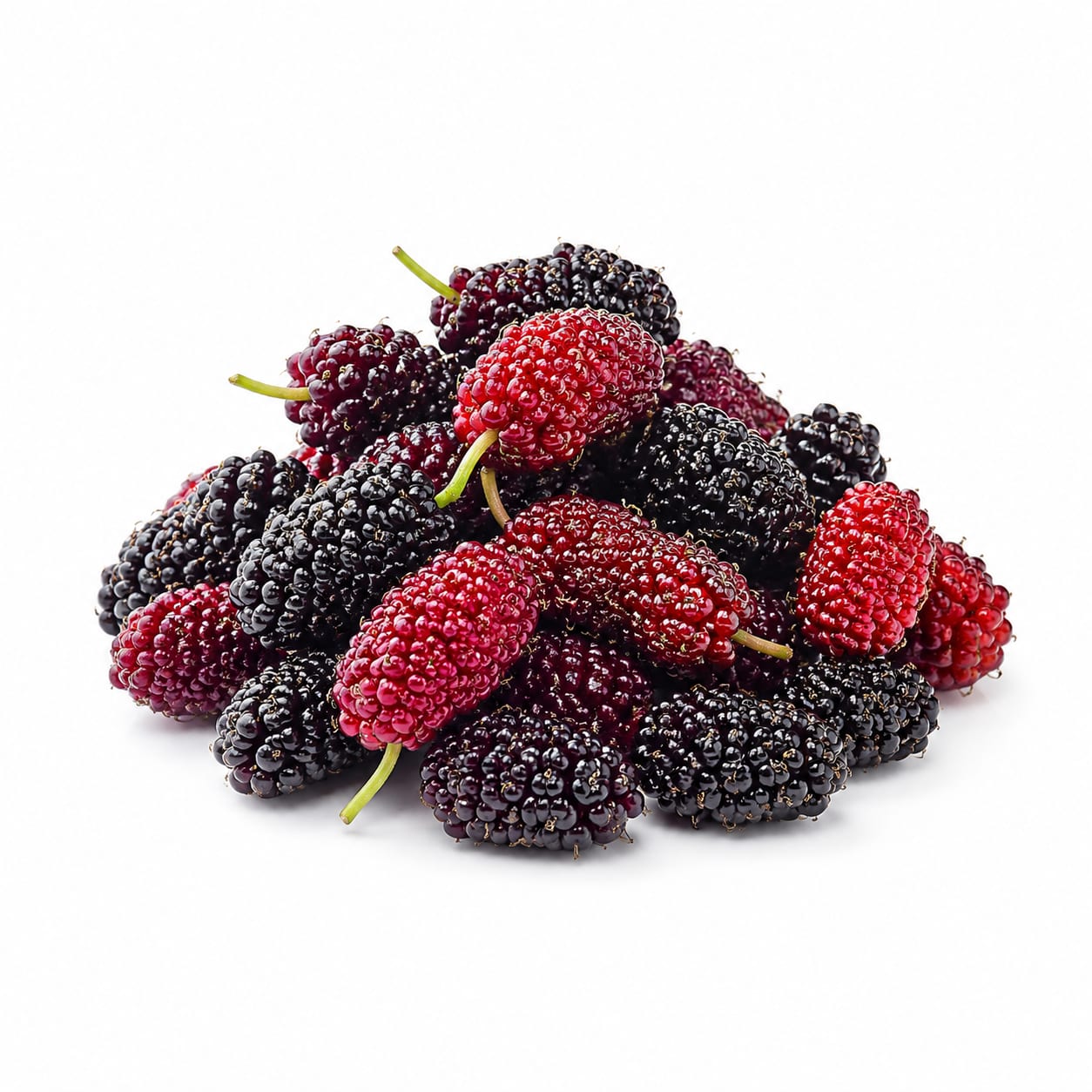
Mulberry
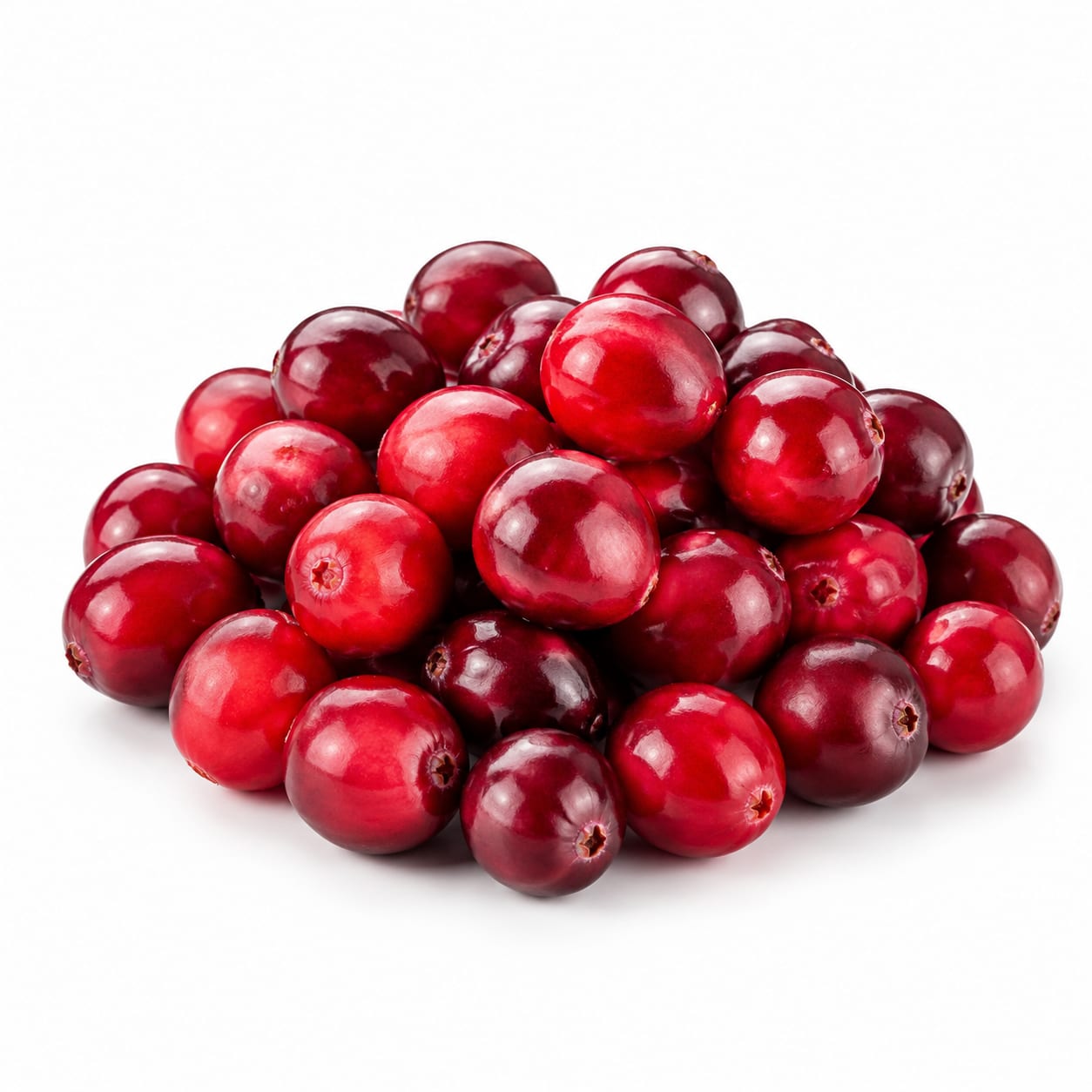
Cranberry
Mulberries offer sweeter flavor and unique blood sugar benefits, while cranberries excel at urinary tract protection and have lower natural sugar—your pick depends on which health priority matters more
Mulberries edge ahead slightly for daily eating due to natural sweetness and broader nutrient density, but cranberries hold strong with specialized UTI benefits—neither dominates because their strengths serve different health goals
Mulberries give you more iron and natural sweetness with resveratrol perks, but cranberries deliver unmatched UTI defense and a tart low-sugar profile that often gets undermined by added sweeteners in common products
At a glance
Executive summary
Overall
It depends
Healthier
It depends
More practical
Cranberry
Daily use
Mulberry
Key comparison lenses
antioxidant and specialized health benefits
Both berries are prized for unique phytonutrients—mulberries for resveratrol and blood sugar support, cranberries for urinary tract protection—making their distinct health identities the core comparison
sugar and blood impact
Mulberries are notably sweeter with more natural sugar, while cranberries are extremely tart and often require added sweeteners, creating a critical tradeoff in how each is actually consumed
practical availability and form
Fresh mulberries are fragile and hard to find, while cranberries have seasonal fresh availability but are more commonly consumed as juice or dried with significant added sugar
weight management and satiety
Calorie density, sugar content, and how each berry is typically prepared directly impact their usefulness for weight-conscious eaters
Best choice for
Mulberry
- People managing blood sugar concerns
- Those wanting a naturally sweet berry without added sugar
- Anyone needing more iron in their diet
- People interested in resveratrol's anti-aging benefits
Cranberry
- Women prone to urinary tract infections
- Those seeking the lowest-sugar fresh berry option
- People wanting well-researched, targeted antioxidant protection
- Anyone who enjoys tart flavors or uses berries in cooking
Least suitable for
Mulberry
- People watching their sugar intake closely
- Those who cannot find fresh or unsweetened dried mulberries locally
Cranberry
- People sensitive to very tart or astringent flavors
- Those buying sweetened cranberry products thinking they are healthy
- Anyone on blood-thinning medications due to vitamin K content
Deep comparison
Dimension by dimension
Each lens scores both foods and breaks down who each option suits.
- Dimension 1 · Priority 92Cranberry
sugar_and_blood_sugar_impact
Mulberry · 55Cranberry · 78Fresh cranberries contain far less natural sugar than mulberries, but this advantage vanishes with most commercial cranberry products that load in added sweeteners
Tradeoff
Mulberries have more natural sugar but also contain DNJ, a compound that may slow sugar absorption—cranberries have less sugar natively but are rarely eaten without sweeteners
Why it matters
If you eat both berries fresh, cranberries are clearly lower impact on blood sugar. In real life, most cranberry juice and dried cranberries are sugar bombs that flip this advantage
Real-world impact
A handful of fresh mulberries gives you gentle sweetness without a crash. A glass of cranberry juice cocktail can deliver more sugar than a soda
Mulberry
- People who eat berries whole and want natural sweetness
- Those benefiting from DNJ's blood sugar modulation
Better for
- People counting every gram of sugar
- Those who find fresh mulberries trigger cravings for more sweets
Worse for
Cranberry
- Strict low-sugar eaters who consume cranberries fresh or unsweetened
- Diabetics who can tolerate tart flavors without adding sweeteners
Better for
- Anyone drinking sweetened cranberry juice for health benefits
- People who add sugar to make cranberries palatable
Worse for
- Dimension 2 · Priority 95It depends
specialized_health_benefits
Mulberry · 80Cranberry · 85Cranberries have stronger clinical evidence for UTI prevention, while mulberries offer unique resveratrol and blood sugar support that cranberries cannot match
Tradeoff
Cranberry's proanthocyanidins are among the best-studied berry compounds for a specific medical benefit, but mulberry's resveratrol and DNJ address different concerns entirely
Why it matters
If you struggle with recurrent UTIs, cranberries are the clear winner. If you are focused on metabolic health and anti-aging pathways, mulberries have more to offer
Real-world impact
Regular cranberry consumption can meaningfully reduce UTI recurrence. Regular mulberry consumption may support steadier energy and long-term metabolic resilience
Mulberry
- People focused on blood sugar management
- Those interested in anti-aging and longevity pathways
- Anyone needing more dietary iron
Better for
- Anyone expecting UTI protection from mulberries
Worse for
Cranberry
- Women with recurrent urinary tract infections
- People seeking clinically validated preventive benefits
- Those wanting targeted antioxidant protection
Better for
- People seeking blood sugar support from their berry choice
Worse for
- Dimension 3 · Priority 80Mulberry
nutrient_density_and_minerals
Mulberry · 82Cranberry · 68Mulberries deliver significantly more iron, vitamin C, and vitamin K per serving, making them the more nutrient-dense option overall
Tradeoff
Mulberries win on mineral content especially iron, but cranberries still provide solid vitamin C and unique phytonutrients that do not show up on standard nutrition labels
Why it matters
For people with iron deficiency or those wanting maximum micronutrient return per calorie, mulberries are the stronger choice
Real-world impact
A cup of mulberries provides about 14% of your daily iron needs, while cranberries offer less than 3%—a meaningful gap for anyone borderline anemic
Mulberry
- People with low iron or at risk of anemia
- Those wanting more vitamin K for bone health
- Anyone maximizing nutrient intake per calorie
Better for
- People on blood thinners who need to limit vitamin K
Worse for
Cranberry
- People who already get plenty of iron from other sources
- Those prioritizing vitamin C alongside other berries
Better for
- Anyone relying on berries as a meaningful iron source
Worse for
- Dimension 4 · Priority 78Cranberry
practical_availability_and_form
Mulberry · 45Cranberry · 75Cranberries are far easier to find in stores and have a longer shelf life, while fresh mulberries are fragile and rarely available outside specialty markets
Tradeoff
Cranberries win on accessibility but most available forms are heavily processed with added sugar. Mulberries are harder to find fresh but dried versions are increasingly available
Why it matters
The healthiest berry in the world does you no good if you cannot find it or if the only available version is loaded with added sugar
Real-world impact
You can grab frozen cranberries at almost any grocery store year-round. Fresh mulberries require farmers markets, specialty shops, or growing your own tree
Mulberry
- People with access to farmers markets or specialty grocers
- Anyone willing to order dried mulberries online
Better for
- Anyone without access to specialty food sources
- People who need to meal prep with easily found ingredients
Worse for
Cranberry
- Shoppers who need reliable grocery store availability
- People who want frozen berries that last months
- Those who cook or bake with berries regularly
Better for
- Those tempted by convenient but sugar-laden cranberry products
Worse for
- Dimension 5 · Priority 72Mulberry
taste_and_eating_enjoyment
Mulberry · 80Cranberry · 50Mulberries are naturally sweet and pleasant to eat by the handful, while fresh cranberries are intensely tart and astringent enough that most people cannot eat them raw
Tradeoff
Mulberries are enjoyable straight from the container, but cranberries usually need sweeteners or cooking to become palatable—which adds sugar and effort
Why it matters
A berry you actually enjoy eating will always beat a berry that sits in your fridge because it is too sour to snack on
Real-world impact
Mulberries are an easy grab-and-go snack. Cranberries are an ingredient you cook with, not something you munch raw while watching TV
Mulberry
- Casual snackers who want a pleasant-tasting berry
- People who dislike tart flavors
- Kids who need sweeter fruits to enjoy berries
Better for
- People who find sweet berries boring
Worse for
Cranberry
- Home cooks who love tart ingredients in sauces and baked goods
- People who enjoy bold astringent flavors
Better for
- Anyone expecting a pleasant raw snacking experience
- People who end up adding lots of sugar to make cranberries edible
Worse for
- Dimension 6 · Priority 85It depends
antioxidant_diversity
Mulberry · 78Cranberry · 82Cranberries offer more concentrated and clinically studied antioxidant compounds, while mulberries provide a broader but less researched antioxidant spectrum
Tradeoff
Cranberry antioxidants are better validated for specific outcomes. Mulberry antioxidants cover more pathways but with less clinical proof behind them
Why it matters
If you want proven antioxidant action, cranberries deliver. If you want diverse antioxidant coverage across different body systems, mulberries spread wider
Real-world impact
Cranberries are like a specialist—excellent at one job. Mulberries are like a generalist—decent coverage across many areas
Mulberry
- People wanting broad-spectrum antioxidant coverage
- Those interested in resveratrol's unique anti-aging pathway
Better for
- Anyone wanting the most researched antioxidant profile
Worse for
Cranberry
- People who value clinically proven antioxidant benefits
- Those focused on urinary and gut-specific antioxidant protection
Better for
- People seeking diverse antioxidant pathways beyond PACs
Worse for
Timeline
Health impact over time
Short-term
Hours to days
Mulberry
- Provides quick natural energy from higher sugar content
- Offers satisfying sweetness that curbs dessert cravings
- Delivers a noticeable vitamin C boost for immune support
Cranberry
- Fresh cranberries can cause mouth puckering astringency that limits overeating
- Cranberry juice may irritate sensitive stomachs due to acidity
- The tartness naturally slows consumption which helps with portion control
Long-term
Months to years
Mulberry
- Regular consumption may support healthier blood sugar patterns through DNJ
- Resveratrol intake could contribute to cardiovascular and anti-aging benefits over years
- Consistent iron intake from mulberries helps prevent deficiency-related fatigue
Cranberry
- Regular intake significantly reduces recurrent UTI risk in susceptible women
- Proanthocyanidins may protect against certain bacterial adhesion beyond the urinary tract
- Long-term consumption of sweetened cranberry products could undermine the benefits entirely
Risk profile
Safety & processing
Both berries are whole foods when fresh, but cranberries more frequently undergo processing into juice and dried forms with substantial added sugar and sometimes preservatives. Dried mulberries are also available but tend to have less added sugar. The processing concern for cranberries is less about the berry itself and more about how it is typically commercialized to mask its extreme tartness.
Mulberry
Pesticide residue on conventionally grown mulberries
mediumMulberries have delicate skins that retain pesticide residues; choosing organic reduces this concern significantly
Mold and spoilage on fresh mulberries
mediumFresh mulberries are extremely perishable and can develop mold within a day or two of harvest, requiring careful inspection before eating
Cranberry
Added sugar in commercial cranberry products
highMost cranberry juice cocktails and sweetened dried cranberries contain enough added sugar to negate health benefits—always check labels for added sugar content
Kidney stone risk from high oxalate content
mediumCranberries contain moderate oxalates which could contribute to kidney stone formation in susceptible individuals when consumed in large quantities
Interaction with blood-thinning medications
mediumCranberries contain vitamin K and compounds that may interact with warfarin and other anticoagulants—people on these medications should consult their doctor
Who wins for whom
Audience fit
Same foods, different winners depending on your goal.
children
MulberryMulberries are sweeter and more palatable for kids, making them more likely to actually eat the berry without needing added sugar to mask tartness
daily consumption
MulberryMulberries are easier to eat daily as a pleasant snack without preparation, while cranberries require more effort and often added ingredients to be enjoyable
diabetes
MulberryMulberries contain 1-deoxynojirimycin which may help slow carbohydrate absorption, giving them a unique blood sugar advantage despite higher natural sugar content
elderly
CranberryCranberries offer proven UTI prevention which disproportionately benefits older adults, and their vitamin K supports bone health—though medication interactions should be monitored
muscle gain
MulberryMulberries provide more iron and vitamin C per serving, supporting oxygen transport and recovery—both berries are minor players for muscle gain overall
weight loss
CranberryFresh cranberries are lower in calories and sugar, and their extreme tartness naturally prevents overeating—though this advantage disappears with sweetened products
Your move
Decision guide
Choose Mulberry
- You want a naturally sweet berry you can snack on without preparation
- Blood sugar management is a personal health priority
- You need more iron in your diet
- You are interested in resveratrol and anti-aging pathways
- You can access fresh or unsweetened dried mulberries
Choose Cranberry
- You struggle with recurrent urinary tract infections
- You want the lowest-sugar fresh berry option available
- You enjoy cooking with tart ingredients like sauces and compotes
- You prefer berries with strong clinical evidence for specific health outcomes
- You can find and stick to unsweetened cranberry products
Either works if
- You simply want more berry diversity in your diet
- You are looking for general antioxidant support without a specific target
- You enjoy both flavors and want to rotate based on season and availability
Avoid both if
- You are on blood-thinning medications without medical guidance
- You have a berry allergy or sensitivity
- You can only find sweetened commercial versions of either berry
- You have oxalate-related kidney stone concerns and consume large quantities
Final recommendation
Eat both when you can. Mulberries are your daily snack berry—sweet, satisfying, and easy to enjoy without added anything. Cranberries are your targeted health tool—use them specifically for UTI prevention or when you want a low-sugar cooking ingredient. The worst version of either berry is the sugar-loaded commercial product. The best version is the one you will actually eat consistently in its whole, unsweetened form.
Practical
Consumer tips
- 1
If buying dried cranberries, look for unsweetened or fruit-juice-sweetened versions to avoid the sugar trap
- 2
Fresh mulberries spoil fast—freeze what you cannot eat within two days
- 3
Frozen cranberries work perfectly in smoothies and baked goods and retain their nutrients well
- 4
Check cranberry juice labels carefully: 'cocktail' means added sugar, while '100% juice' may still blend with sweeter juices
- 5
Growing a mulberry tree is surprisingly easy in many climates and gives you free berries for decades
- 6
If you find fresh cranberries in season, buy extra—they freeze beautifully for months
- 7
Avoid cranberry supplements as a replacement for the whole fruit unless specifically recommended by a healthcare provider