
Nutrition comparison
Mulberry vs Cherry: Which Fruit is Healthier?
Compare mulberries vs cherries for nutrition, sugar, and health benefits. Discover which fruit is better for sleep, diabetes, and weight loss.
Overall winner · Mulberry
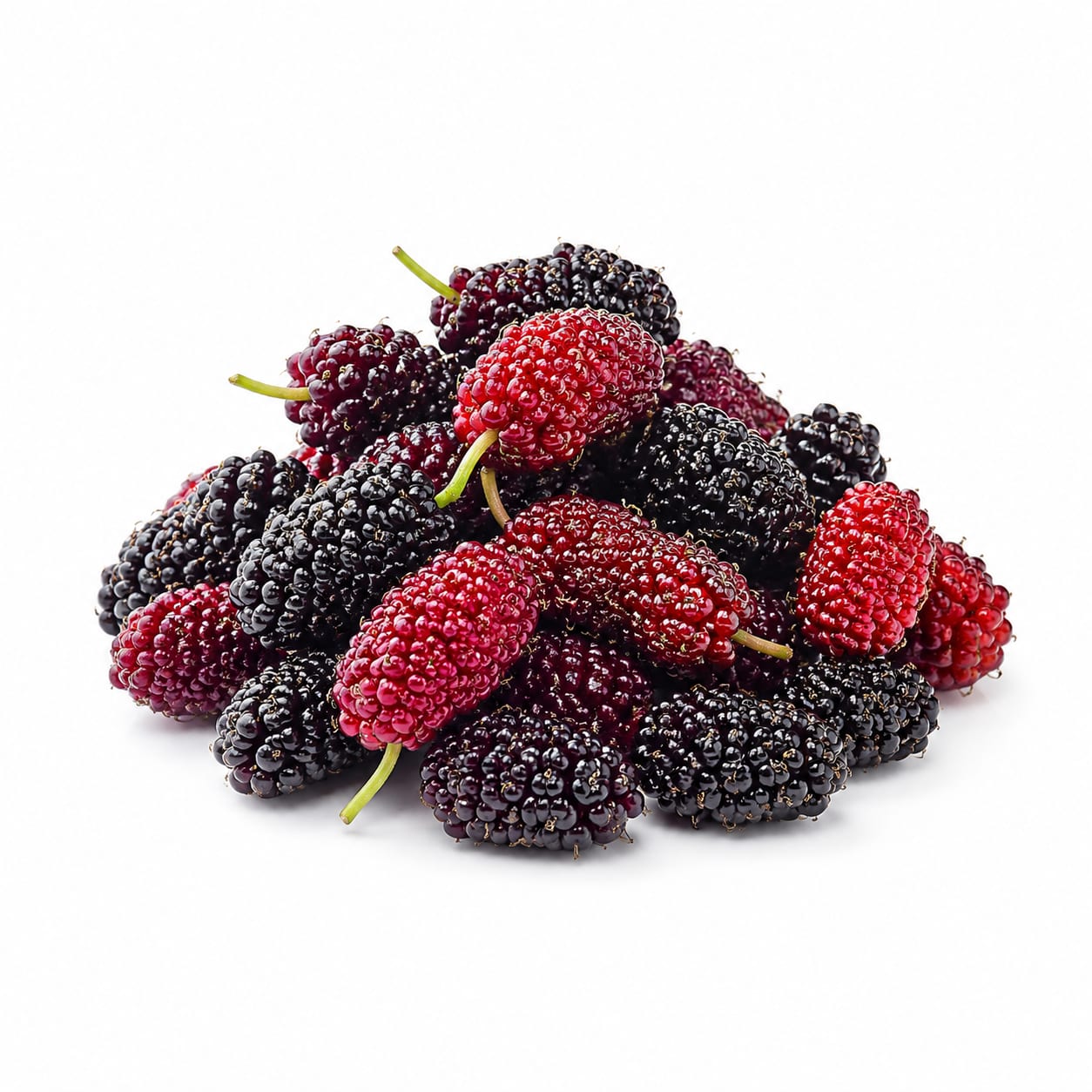
Mulberry
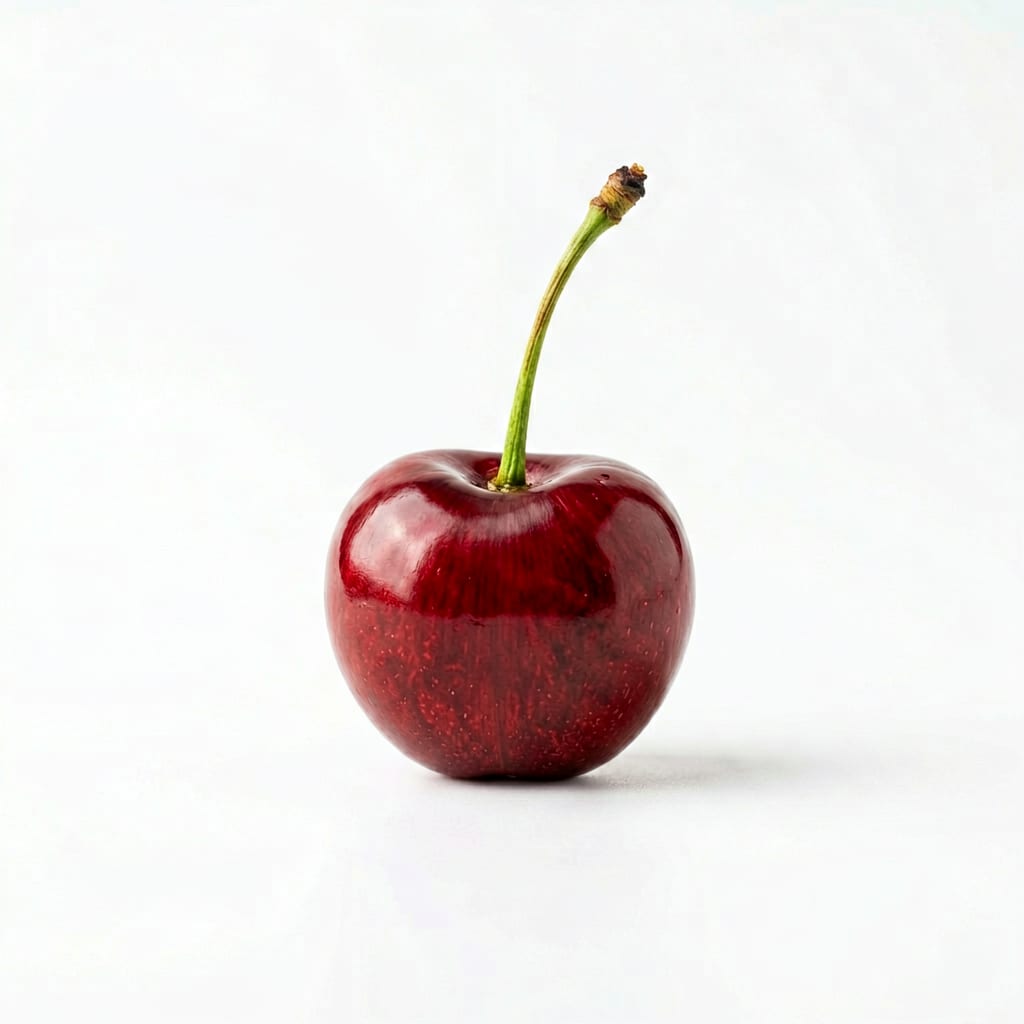
Cherry
Mulberries are the nutritional underdog with half the sugar and far more iron and vitamin C, but cherries are far easier to find and better for sleep.
Mulberries score higher due to their exceptional micronutrient density and low sugar, but cherries remain a strong choice because of their accessibility and unique recovery benefits.
You trade the superior micronutrient profile and low sugar of mulberries for the everyday convenience and sleep-boosting properties of cherries.
At a glance
Executive summary
Overall
Mulberry
Healthier
Mulberry
More practical
Cherry
Daily use
It depends
Key comparison lenses
Sugar and carb comparison
Mulberries have significantly less sugar than cherries, making them very different for blood sugar management.
Micronutrient density
Mulberries offer surprisingly high iron and vitamin C compared to cherries.
Availability and convenience
Fresh cherries are a grocery staple, while fresh mulberries are rare and often found dried with added sugar.
Recovery and sleep benefits
Cherries are renowned for natural melatonin and anthocyanins that aid sleep and muscle recovery.
Best choice for
Mulberry
- Managing blood sugar
- Boosting iron intake
- Low-carb snacking
Cherry
- Improving sleep quality
- Post-workout recovery
- Easy everyday snacking
Least suitable for
Mulberry
- Grab-and-go snacking at standard grocery stores
- People who dislike tart flavors
Cherry
- Strict low-carb or keto diets
- Those monitoring sugar intake closely
Deep comparison
Dimension by dimension
Each lens scores both foods and breaks down who each option suits.
- Dimension 1 · Priority 90Mulberry
Blood Sugar & Carb Load
Mulberry · 92Cherry · 65Mulberries contain roughly half the sugar and carbohydrates of cherries, making them much friendlier for stable energy.
Tradeoff
Cherries are sweeter and more satisfying as a dessert fruit, but that comes with a sharper blood sugar impact.
Why it matters
Lower sugar fruits prevent the afternoon energy crash and make portion control easier.
Real-world impact
Eating a bowl of cherries feels more like a sweet treat, while mulberries feel like a lighter, safer snack for diabetics.
Mulberry
- Steadier energy levels
- Diabetes management
- Keto-friendly diets
Better for
- May feel too tart for dessert cravings
Worse for
Cherry
- Satisfying a sweet tooth naturally
Better for
- Easier to overeat due to sweetness
- Larger blood sugar spike
Worse for
- Dimension 2 · Priority 85Mulberry
Micronutrient Density
Mulberry · 88Cherry · 62Mulberries are surprisingly rich in iron and vitamin C, while cherries provide modest amounts of these nutrients.
Tradeoff
You get a serious nutrient boost from mulberries, but cherries offer more potassium which helps with hydration and cramping.
Why it matters
Iron is rare in fruits, making mulberries uniquely valuable for vegetarians and those with low energy.
Real-world impact
Adding mulberries to your breakfast can meaningfully support your immune system and energy, whereas cherries are less impactful for daily nutrient gaps.
Mulberry
- Boosting iron levels
- Supporting immunity with vitamin C
- Preventing anemia-related fatigue
Better for
- Not as hydrating as water-rich cherries
Worse for
Cherry
- Supporting hydration with potassium
Better for
- Less helpful for filling common nutrient gaps
Worse for
- Dimension 3 · Priority 80Cherry
Antioxidant & Recovery Benefits
Mulberry · 78Cherry · 86Cherries, especially tart varieties, are packed with melatonin and anthocyanins that actively reduce inflammation and improve sleep.
Tradeoff
Mulberries contain resveratrol for heart health, but cherries are more proven for athletic recovery and insomnia.
Why it matters
Better sleep and faster muscle recovery translate directly to feeling more energized and less sore the next day.
Real-world impact
Drinking tart cherry juice or eating cherries after a workout can noticeably reduce next-day soreness, a benefit mulberries cannot match.
Mulberry
- Heart health via resveratrol
Better for
- Less effective for post-workout soreness
Worse for
Cherry
- Faster muscle recovery
- Better sleep onset
- Reducing joint inflammation
Better for
- Lacks the specific heart-healthy resveratrol found in mulberries
Worse for
- Dimension 4 · Priority 80Cherry
Availability & Practicality
Mulberry · 40Cherry · 90Cherries are a grocery store staple, while fresh mulberries are incredibly hard to find and often sold dried with added sugar.
Tradeoff
Cherries are easy to grab and go, but if you want mulberries, you usually have to settle for dried or frozen versions.
Why it matters
The healthiest food is the one you can actually find and eat consistently.
Real-world impact
You can buy fresh cherries almost anywhere in summer, but finding fresh mulberries usually requires a farmer's market or specialty store.
Mulberry
- Great if you have a mulberry tree or local farmer's market
Better for
- Dried versions often contain added sugar
- Very short fresh shelf life
Worse for
Cherry
- Available in almost every grocery store
- Easy to pack for lunch or travel
Better for
- Pits require a tool or careful eating
Worse for
Timeline
Health impact over time
Short-term
Hours to days
Mulberry
- Provides a light, low-sugar energy boost
- Vitamin C helps with immediate alertness and immunity
Cherry
- Higher sugar content offers a quicker energy lift
- Natural melatonin can promote drowsiness if eaten in the evening
Long-term
Months to years
Mulberry
- Consistent iron intake supports energy and prevents fatigue
- Resveratrol contributes to cardiovascular health over time
Cherry
- Regular consumption improves sleep architecture and duration
- Anthocyanins lower chronic inflammation and support joint health
Risk profile
Safety & processing
Both fruits are whole foods when fresh, but dried mulberries frequently contain added oils and sugars, whereas fresh cherries are almost always sold in their natural state.
Mulberry
Added sugar in dried forms
mediumMost commercially available mulberries are dried and sweetened, which negates their natural low-sugar advantage.
Stem and leaf toxicity
lowWhile the fruit is safe, consuming large amounts of white mulberry leaves or stems can cause mild gastrointestinal distress.
Cherry
Pesticide residue
mediumConventional cherries often retain high pesticide residues on their skins, making organic a better choice.
Pit hazard
lowCherry pits contain amygdalin, which converts to cyanide if crushed and eaten, though swallowing a whole pit is generally harmless but poses a choking risk for children.
Who wins for whom
Audience fit
Same foods, different winners depending on your goal.
children
CherryCherries are sweeter and more appealing to kids, though parents must watch out for the pits.
daily consumption
It dependsMulberries are nutritionally superior for daily use, but cherries are far more practical to actually eat every day due to availability.
diabetes
MulberryWith roughly half the sugar and carbohydrates, mulberries are much safer for blood sugar management.
elderly
CherryThe anti-inflammatory and sleep-promoting properties of cherries are highly beneficial for aging joints and sleep disturbances.
muscle gain
CherryCherries provide natural melatonin and anti-inflammatory compounds that improve sleep quality and muscle recovery, both critical for building muscle.
weight loss
MulberryMulberries have fewer calories and less sugar per serving, making it easier to stay within a calorie deficit without triggering cravings.
Your move
Decision guide
Choose Mulberry
- You are watching your sugar or carb intake
- You need a plant-based iron boost
- You can find them fresh or frozen without added sweeteners
Choose Cherry
- You want to improve your sleep naturally
- You need an easy-to-find, satisfying snack
- You are recovering from intense exercise
Either works if
- You just want a healthy, whole-food fruit snack
- You are looking for antioxidant-rich options instead of processed sweets
Avoid both if
- You have a severe allergy to salicylates, which are present in both fruits
Final recommendation
Choose mulberries when you can find them fresh or unsweetened frozen for a low-sugar, iron-rich boost. Opt for cherries when you need a convenient, sleep-friendly fruit that is easy to pick up at any grocery store.
Practical
Consumer tips
- 1
If buying dried mulberries, check the ingredient list to ensure no added sugar or oils.
- 2
Buy organic cherries when possible to avoid high pesticide residues on the skin.
- 3
Freeze fresh cherries during the summer to enjoy their sleep benefits year-round.
- 4
Add mulberries to oatmeal or yogurt to benefit from their iron content alongside vitamin C for better absorption.