
Nutrition comparison
Mulberry vs Blueberry: Which Berry is Healthier?
Compare mulberries vs blueberries for antioxidants, iron, sugar, and health benefits. Find out which berry fits your diet and lifestyle best.
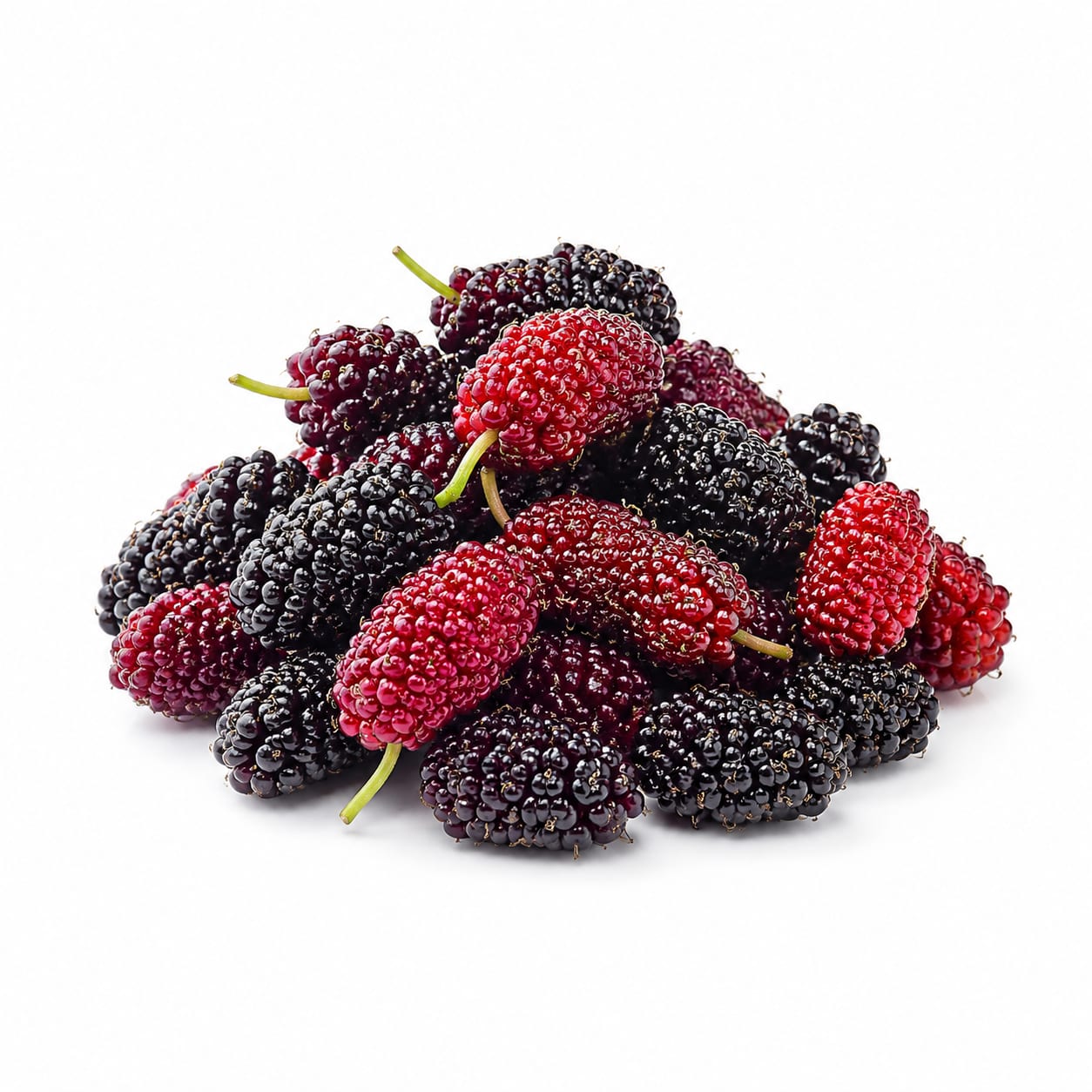
Mulberry
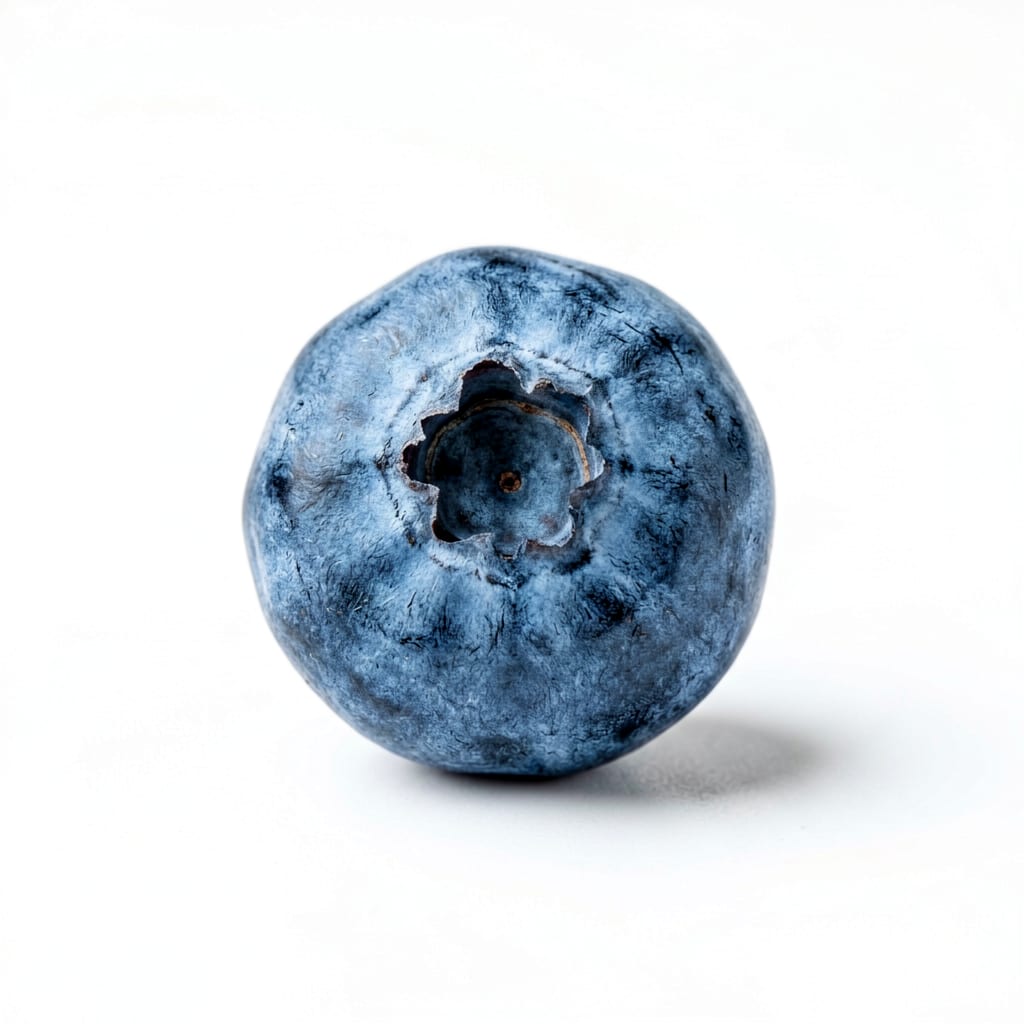
Blueberry
Blueberries win for everyday convenience and brain-protecting antioxidants, while mulberries are the unexpected champion for iron and vitamin C.
Blueberries score slightly higher due to unmatched convenience, steady blood sugar impact, and heavily researched antioxidants. Mulberries score closely behind because of their exceptional iron and vitamin C content, but lose points on availability and the hidden sugar risk in their dried form.
You trade the easy accessibility and steady energy of blueberries for the superior micronutrient boost of mulberries.
At a glance
Executive summary
Overall
It depends
Healthier
It depends
More practical
Blueberry
Daily use
Blueberry
Key comparison lenses
Antioxidant profile and cellular defense
Both berries are famous for antioxidants, but they feature different primary compounds like anthocyanins versus resveratrol.
Micronutrient density, specifically iron and vitamin C
Mulberries offer a surprising iron and vitamin C punch that blueberries lack, making this a key differentiator.
Blood sugar impact based on common consumption forms
Blueberries are typically eaten fresh, while mulberries are often dried, drastically changing their sugar density and glycemic impact.
Practicality and year-round availability
Blueberries are grocery staples, whereas fresh mulberries are highly seasonal and rare, affecting long-term diet sustainability.
Best choice for
Mulberry
- Boosting iron levels naturally
- Increasing vitamin C intake
- Adding unique resveratrol to your diet
Blueberry
- Consistent daily antioxidant intake
- Steady energy without sugar spikes
- Easy, year-round healthy snacking
Least suitable for
Mulberry
- People strictly monitoring sugar who might overeat dried mulberries
- Those who need a readily available fresh berry year-round
Blueberry
- Individuals needing a plant-based iron boost
- Those looking for high vitamin C from a berry
Deep comparison
Dimension by dimension
Each lens scores both foods and breaks down who each option suits.
- Dimension 1 · Priority 90Blueberry
Antioxidant Profile & Cellular Defense
Mulberry · 78Blueberry · 88Blueberries are renowned for their dense anthocyanin content, strongly linked to brain and heart health. Mulberries contain resveratrol, a unique antioxidant, but blueberries have a more extensively validated profile for daily cellular protection.
Tradeoff
You get more well-studied brain-protecting antioxidants with blueberries, but miss out on the unique anti-aging resveratrol found in mulberries.
Why it matters
Regular antioxidant intake protects your cells from daily wear and tear, reducing long-term inflammation.
Real-world impact
Eating blueberries regularly may better support long-term memory and focus compared to the less-studied mulberry.
Mulberry
- Resveratrol intake for anti-aging
- Unique antioxidant variety
Better for
- Lower concentration of well-researched anthocyanins
Worse for
Blueberry
- Brain health and memory support
- Heart health protection
- Proven anti-inflammatory benefits
Better for
- Lacks the specific benefits of resveratrol
Worse for
- Dimension 2 · Priority 85Mulberry
Micronutrient Density (Iron & Vitamin C)
Mulberry · 89Blueberry · 60Mulberries are surprisingly rich in iron and vitamin C, two nutrients that blueberries contain in only trace amounts.
Tradeoff
Mulberries give you a strong iron and vitamin C boost, while blueberries offer more vitamin K and manganese instead.
Why it matters
Iron is crucial for energy, and vitamin C helps you absorb it, making them a perfect pairing.
Real-world impact
Snacking on mulberries can help fight afternoon fatigue and prevent iron deficiency, especially for plant-based eaters.
Mulberry
- Combating fatigue with plant-based iron
- Boosting immunity with vitamin C
- Supporting vegetarians and vegans
Better for
- Lower in vitamin K compared to blueberries
Worse for
Blueberry
- Supporting bone health via vitamin K
Better for
- Very low in iron and vitamin C
Worse for
- Dimension 3 · Priority 80Blueberry
Blood Sugar & Energy Stability
Mulberry · 72Blueberry · 88Fresh blueberries have a low glycemic index and are easy to eat in moderation. Mulberries are often consumed dried, which concentrates their sugar and can lead to overconsumption.
Tradeoff
Fresh blueberries offer steadier, longer-lasting energy, while dried mulberries can act more like a sweet treat that spikes blood sugar.
Why it matters
Avoiding sugar spikes keeps your energy stable and prevents cravings an hour later.
Real-world impact
A bowl of fresh blueberries won't cause an afternoon crash, but mindlessly snacking on dried mulberries might leave you hungry again quickly.
Mulberry
- Quick energy for endurance activities
- Natural sweetness for recipes
Better for
- Dried versions can spike blood sugar if portion control is lost
Worse for
Blueberry
- Steady energy without crashes
- Diabetic-friendly snacking
- Better craving control
Better for
- Less intense sweetness for baking
Worse for
- Dimension 4 · Priority 75Blueberry
Availability & Practicality
Mulberry · 50Blueberry · 95Blueberries are available fresh year-round in almost every grocery store. Fresh mulberries are rare, highly seasonal, and often only found at farmers markets or in supplement/dried form.
Tradeoff
Blueberries are incredibly convenient for daily habits, while finding fresh mulberries requires effort, timing, or settling for dried fruit.
Why it matters
A healthy food only works if you can actually find and eat it consistently.
Real-world impact
You can easily toss a pint of blueberries into your cart every week, but fresh mulberries might be a rare summer treat.
Mulberry
- Novelty and variety in the diet
- Specialty nutrient sourcing
Better for
- Hard to find fresh
- Often only available dried with added sugars
Worse for
Blueberry
- Year-round access
- Easy grocery shopping
- Consistent daily habit building
Better for
- Can feel repetitive if eaten daily for years
Worse for
Timeline
Health impact over time
Short-term
Hours to days
Mulberry
- Quick energy lift from natural sugars (especially if dried)
- Noticeable iron boost for those feeling sluggish
Blueberry
- Steady, crash-free energy
- Light, hydrating snack that satisfies a sweet tooth
Long-term
Months to years
Mulberry
- Better prevention of iron-deficiency anemia
- Unique anti-aging benefits from resveratrol
Blueberry
- Stronger cognitive protection as you age
- Consistent cardiovascular support from anthocyanins
Risk profile
Safety & processing
Fresh versions of both berries are completely whole foods. However, mulberries are frequently sold dried, which often involves added sugars or oils, raising the additive concern compared to fresh blueberries.
Mulberry
Added sugars in dried forms
mediumCommercially dried mulberries often contain added sugar or preservatives to extend shelf life, turning a healthy berry into a candy-like snack.
Pesticide residue
lowMulberries are less commercially intensively farmed than blueberries, often resulting in lower pesticide exposure, though wild foraging carries its own contamination risks.
Blueberry
Pesticide residue
highConventional blueberries frequently appear on the EWG's Dirty Dozen list due to high pesticide residues. Choosing organic is highly recommended.
Mold spoilage
mediumBlueberries spoil quickly and can harbor unseen mold, which can cause stomach upset if consumed unknowingly.
Who wins for whom
Audience fit
Same foods, different winners depending on your goal.
children
BlueberryKids love the mild sweetness of fresh blueberries, and they pose less of a choking hazard or sugar overload risk compared to sticky dried mulberries.
daily consumption
BlueberryBlueberries are easy to find fresh year-round, affordable, and seamlessly fit into daily meals from smoothies to salads.
diabetes
BlueberryFresh blueberries have a lower glycemic load and are easier to portion control compared to the concentrated sugars found in dried mulberries.
elderly
BlueberryThe extensively studied anthocyanins in blueberries are strongly linked to preserving memory and cognitive function in aging adults.
muscle gain
MulberryMulberries provide a notable amount of iron, which is essential for oxygen transport to muscles during intense workouts.
weight loss
BlueberryFresh blueberries are lower in calories and sugar per volume, making them easier to eat in large, satisfying portions without overdoing energy intake.
Your move
Decision guide
Choose Mulberry
- You need a plant-based iron boost to fight fatigue
- You want to increase your vitamin C intake naturally
- You can find them fresh or want a natural sweet treat in moderation
Choose Blueberry
- You want a reliable, easy-to-find daily antioxidant source
- You need a blood-sugar-friendly fruit for steady energy
- You are focused on long-term brain and heart health
Either works if
- You just want a nutrient-dense berry to mix into your morning oatmeal
- You are looking for natural ways to satisfy a sweet tooth
Avoid both if
- You have a severe salicylate sensitivity, as both berries contain moderate levels
Final recommendation
Make blueberries your daily driver for convenience and steady antioxidants, but seek out fresh mulberries when you need an iron and vitamin C lift. If you buy dried mulberries, treat them like a natural candy rather than a grazing food to avoid hidden sugar spikes.
Practical
Consumer tips
- 1
Always buy organic blueberries to avoid high pesticide residues.
- 2
If buying dried mulberries, check the ingredient list for added sugars or oils—opt for unsweetened varieties.
- 3
Freeze fresh blueberries and mulberries when in season to preserve their nutrients for months.
- 4
Pair mulberries with a fat source like nuts to slow down sugar absorption if eating them dried.
- 5
Wash blueberries right before eating, not before storing, to prevent mold and mushiness.