
Nutrition comparison
Mulberry vs Acai Berry: Which Is Actually Better for You?
Mulberry and acai berry both deliver antioxidants, but mulberry offers unique blood sugar benefits while acai leads in antioxidant density. Compare nutrition, processing, and real-world value.
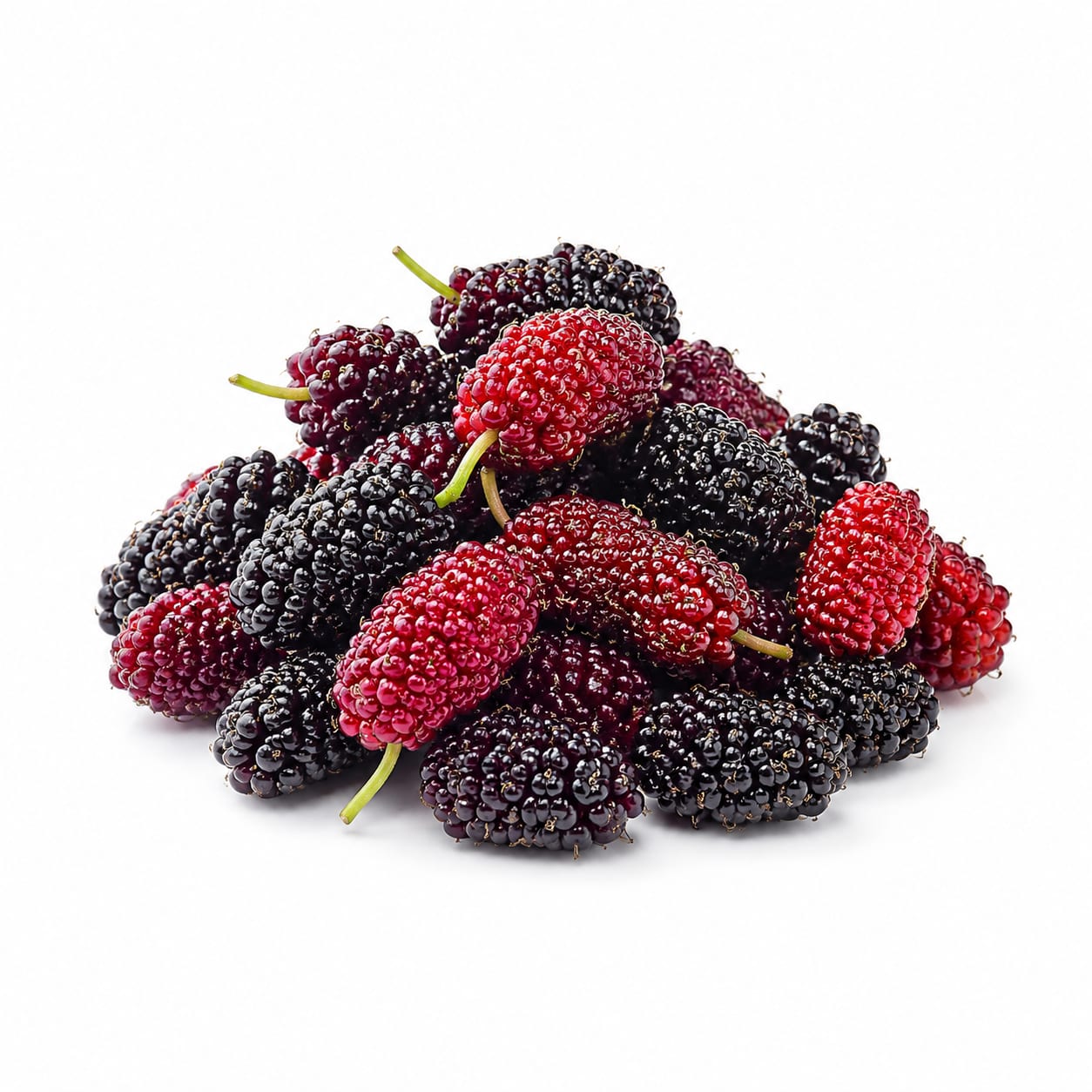
Mulberry
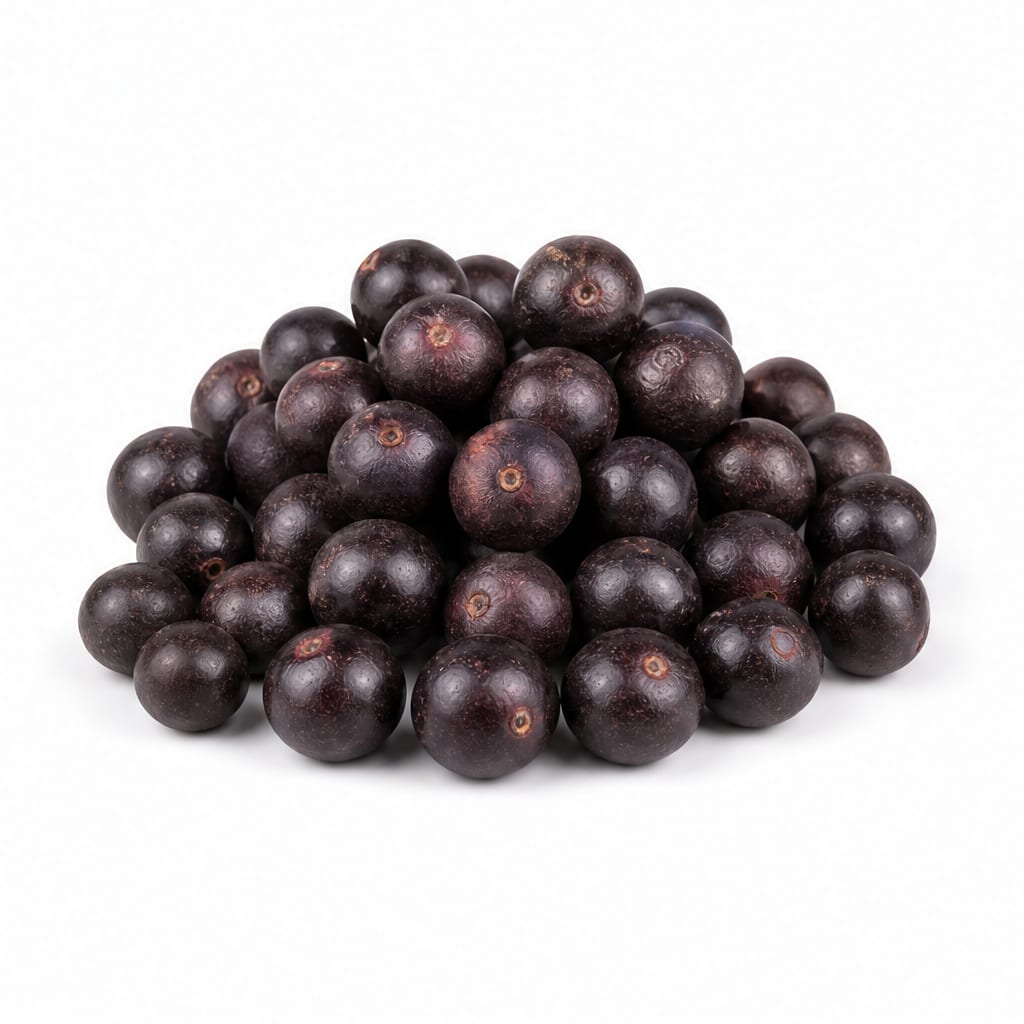
Acai Berry
Mulberry wins for daily practicality and blood sugar support; acai wins for antioxidant intensity and healthy fats — but only if you get the real thing without added sugar
Mulberry scores higher due to better accessibility, lower calorie density, unique blood sugar benefits, and less processing concern. Acai's antioxidant advantage is real but often undermined by how it's actually sold and consumed.
Mulberry is the realistic everyday berry with unique glucose-lowering properties, while acai delivers more antioxidants per gram but often comes processed, sweetened, and overhyped
At a glance
Executive summary
Overall
It depends
Healthier
Mulberry
More practical
Mulberry
Daily use
Mulberry
Key comparison lenses
antioxidant density comparison
Both berries are prized for antioxidant content, but their profiles differ significantly — acai leads in anthocyanins while mulberry offers resveratrol
blood sugar management
Mulberry contains DNJ, a compound that inhibits sugar absorption, making it uniquely relevant for glucose control
processing and authenticity concerns
Acai is almost never available fresh outside Brazil, raising questions about what form consumers actually eat and what gets added
weight management and calorie density
Acai's fat content makes it more calorie-dense, which matters for portion control and weight goals
everyday affordability and access
Mulberry is easier to find fresh or dried at reasonable prices, while real acai is expensive and often diluted
Best choice for
Mulberry
- People managing blood sugar or prediabetes
- Those wanting a low-calorie snack they can eat freely
- Anyone seeking an affordable, minimally processed berry
- People who prefer fresh or simple dried fruit without additives
Acai Berry
- Those prioritizing maximum antioxidant intake
- People wanting omega-rich fats from fruit
- Athletes seeking anti-inflammatory recovery support
- Anyone already eating clean who can avoid sugary acai bowls
Least suitable for
Mulberry
- People seeking high fat intake from whole foods
- Those wanting a thick, satisfying base for smoothie bowls
Acai Berry
- People strictly controlling calories who might overeat acai bowls
- Anyone sensitive to marketing-driven health products
- Budget-conscious consumers who cannot source authentic unsweetened acai
Deep comparison
Dimension by dimension
Each lens scores both foods and breaks down who each option suits.
- Dimension 1 · Priority 92Acai Berry
antioxidant_power
Mulberry · 72Acai Berry · 91Acai delivers one of the highest antioxidant scores of any fruit, primarily from dense anthocyanins. Mulberry is no slouch but cannot match acai's ORAC rating.
Tradeoff
Acai's antioxidant edge shrinks dramatically if you consume it as a sweetened bowl or diluted powder — the form most people actually eat
Why it matters
Antioxidants reduce oxidative stress, which is linked to aging, inflammation, and chronic disease over time
Real-world impact
Eating real unsweetened acai a few times weekly could meaningfully boost your antioxidant intake, but a sugary acai bowl may cancel the benefit
Mulberry
- Getting resveratrol, which acai lacks
- A simpler, more transparent antioxidant source
Better for
- Lower total antioxidant capacity per gram
Worse for
Acai Berry
- Maximum anthocyanin intake per serving
- Stronger anti-inflammatory potential when consumed pure
Better for
- Antioxidant benefit easily negated by added sugar in commercial products
Worse for
- Dimension 2 · Priority 88Mulberry
blood_sugar_impact
Mulberry · 89Acai Berry · 62Mulberry contains 1-deoxynojirimycin (DNJ), which actually slows carbohydrate absorption. Acai has low sugar naturally but is frequently paired with high-sugar ingredients.
Tradeoff
Mulberry actively helps your body handle sugar better, while acai is merely low-sugar in its natural state — but rarely eaten that way
Why it matters
Blood sugar spikes drive cravings, fatigue, and long-term metabolic damage
Real-world impact
A handful of mulberries with a meal could blunt the blood sugar rise from carbs — acai cannot do this, and acai bowls often cause spikes instead
Mulberry
- Active blood sugar regulation via DNJ
- Safe for prediabetics looking for a functional snack
- Naturally low glycemic load even when dried
Better for
- Dried mulberries are more concentrated in sugar than fresh
Worse for
Acai Berry
- Very low natural sugar content in pure form
Better for
- Commonly served with banana, granola, and honey — a sugar bomb
- No active glucose-lowering compounds
Worse for
- Dimension 3 · Priority 78Mulberry
calorie_density_and_weight_management
Mulberry · 82Acai Berry · 58Fresh mulberries are light and low-calorie. Acai is surprisingly calorie-dense due to its fat content, and acai bowls can easily exceed 500 calories.
Tradeoff
Mulberry lets you eat more volume for fewer calories; acai provides satisfying richness but demands portion awareness
Why it matters
Calorie density determines how easily you can manage weight without feeling deprived
Real-world impact
You can snack on a cup of fresh mulberries for roughly 60 calories — an acai bowl can hit 400-600 calories before you feel full
Mulberry
- Generous portions without calorie guilt
- Easy to include in calorie-controlled eating
Better for
- Less satiating fat content means you may feel hungry sooner
Worse for
Acai Berry
- Healthy fats provide longer satiety per bite
- More satisfying as a meal replacement when portions are controlled
Better for
- Very easy to overconsume, especially in bowl form
- Fat content adds up quickly at larger portions
Worse for
- Dimension 4 · Priority 74Acai Berry
fat_profile_and_satiety
Mulberry · 35Acai Berry · 86Acai is unusually high in healthy fats for a berry — primarily oleic acid and omega-6. Mulberry is virtually fat-free.
Tradeoff
Acai's fats make it more filling and hormonally satisfying, but they also drive up calories significantly
Why it matters
Healthy fats support hormone health, absorption of fat-soluble vitamins, and lasting fullness
Real-world impact
An acai smoothie keeps you full longer than a mulberry snack, but you pay for it in calories
Mulberry
- No fat means no concern about omega-6 excess
Better for
- No fat means less staying power
- Needs pairing with nuts or yogurt for balanced energy
Worse for
Acai Berry
- Oleic acid supports heart health and satiety
- Makes acai a more complete mini-meal rather than just a snack
Better for
- Omega-6 to omega-3 ratio is not ideal if consumed in large amounts
Worse for
- Dimension 5 · Priority 85Mulberry
processing_authenticity_and_additives
Mulberry · 84Acai Berry · 48Mulberry is widely available fresh or simply dried. Acai is almost never sold fresh outside Brazil — you get frozen pulp, powder, or bowls with mystery ingredients.
Tradeoff
With mulberry, what you see is what you get. With acai, you must work harder to find a clean product and avoid added sugars and fillers
Why it matters
Processing and additives can undermine the very health benefits you're seeking
Real-world impact
Grabbing fresh or dried mulberries is straightforward. Finding unsweetened, unadulterated acai requires label reading and often paying a premium
Mulberry
- Available fresh in many regions
- Dried versions typically have no additives
- What you buy is closer to the whole fruit
Better for
- Dried mulberries sometimes contain added sugar — check labels
Worse for
Acai Berry
- Frozen pulp can retain nutrients well if minimally processed
Better for
- Powders may be spray-dried with carriers
- Bowls are frequently loaded with sugar and toppings
- Authenticity is hard to verify — some products are diluted with other fruits
Worse for
- Dimension 6 · Priority 70Mulberry
vitamin_and_mineral_profile
Mulberry · 78Acai Berry · 65Mulberry offers more vitamin C, iron, and potassium per serving. Acai provides some vitamin A and calcium but is not a standout micronutrient source.
Tradeoff
Mulberry is the better multivitamin in berry form; acai's strength is phytochemicals, not classic vitamins
Why it matters
Micronutrient density determines how much nutritional value each bite delivers beyond just calories
Real-world impact
A serving of mulberries meaningfully contributes to your daily iron and vitamin C needs — acai contributes less on that front
Mulberry
- Notably higher iron content, helpful for vegetarians
- Good vitamin C for immune support
- Potassium supports blood pressure regulation
Better for
- Iron absorption is limited without vitamin C pairing — though mulberry contains both
Worse for
Acai Berry
- Contains some vitamin A that mulberry lacks
- Calcium content is modest but present
Better for
- Not a reliable source of most essential vitamins
Worse for
Timeline
Health impact over time
Short-term
Hours to days
Mulberry
- Gentle energy without blood sugar spikes
- Mild digestive support from fiber
- Quick, light snack that does not cause sluggishness
Acai Berry
- Sustained fullness from fat content when eaten pure
- Risk of sugar crash if consumed as a sweetened bowl
- Satiating enough to replace a small meal
Long-term
Months to years
Mulberry
- Consistent blood sugar support from DNJ may reduce diabetes risk
- Regular antioxidant intake supports vascular health
- Iron contribution helps prevent deficiency over time
Acai Berry
- High anthocyanin intake may reduce chronic inflammation
- Healthy fats support cardiovascular function when not offset by added sugar
- Antioxidant load may slow cellular aging — but only with consistent, clean intake
Risk profile
Safety & processing
Mulberry is typically sold fresh or dried with minimal intervention. Acai requires processing for export — freezing, pasteurization, or spray-drying — and commercial products often include added sugars, emulsifiers, or fillers that reduce its naturalness.
Mulberry
Pesticide residue on conventionally grown mulberries
mediumMulberries are small and delicate, making thorough washing difficult. Organic is preferable when available.
Mold on fresh mulberries due to short shelf life
lowInspect carefully and consume within a few days. Mold is visible and avoidable with proper storage.
Acai Berry
Added sugars and fillers in commercial acai products
highMany acai bowls and packets contain significant added sugar, soy lecithin, or cheaper fruit fillers. Always read ingredient lists.
Oxidation during transport reducing nutrient value
mediumAcai degrades quickly after harvest. If not flash-frozen promptly, antioxidant content drops substantially.
Heavy metal contamination in some acai powders
lowSome low-quality powders have shown trace heavy metals. Third-party tested brands are safer.
Who wins for whom
Audience fit
Same foods, different winners depending on your goal.
children
MulberryFresh mulberries are a simple, safe, low-sugar fruit kids can eat by the handful. Acai bowls are often sugar-loaded and overpriced for children's needs
daily consumption
MulberryAffordable, accessible, minimally processed, and easy to incorporate daily without calorie or sugar concerns
diabetes
MulberryMulberry's DNJ actively slows sugar absorption — a rare functional benefit no other common berry offers
elderly
MulberryBlood sugar regulation, iron intake, and easy digestibility make mulberry more relevant for aging bodies with common deficiencies
muscle gain
Acai BerryAcai's healthy fats and calorie density support the higher caloric intake needed for building muscle, and its anti-inflammatory properties aid recovery
weight loss
MulberryLower calorie density and blood sugar benefits make mulberry easier to fit into a calorie deficit without triggering cravings
Your move
Decision guide
Choose Mulberry
- You want a berry you can eat daily without overthinking calories or sugar
- You are managing blood sugar, insulin resistance, or prediabetes
- You prefer whole, recognizable food over processed superfood products
- You are on a budget and want real nutritional value per dollar
- You need a simple snack, not a meal production
Choose Acai Berry
- You can source clean, unsweetened frozen acai pulp reliably
- You want maximum antioxidant density and are willing to pay for it
- You need a satisfying, fat-containing base for smoothies or bowls
- You are an athlete prioritizing anti-inflammatory recovery
- You already eat well and want to add a targeted functional food
Either works if
- You simply want more berry variety in your diet
- You are healthy and have no specific metabolic concerns
- You rotate antioxidant sources rather than relying on one
Avoid both if
- You have a berry allergy or salicylate sensitivity
- You are looking for a high-protein food — neither berry delivers meaningful protein
Final recommendation
For most people, mulberry is the smarter daily choice — it is affordable, minimally processed, and uniquely supportive of blood sugar health. Save acai for occasional use when you can verify the product is clean and unsweetened. The best antioxidant is the one you actually eat consistently, not the one with the most impressive marketing.
Practical
Consumer tips
- 1
If buying dried mulberries, check that the only ingredient is mulberries — no added sugar or oil
- 2
For acai, buy frozen unsweetened pulp packets rather than powders or bowl shop versions — you control what goes in
- 3
Pair mulberries with a handful of nuts to add staying power from healthy fats
- 4
If making an acai bowl at home, skip the banana and honey — use acai, a small amount of fruit, and unsweetened toppings
- 5
Freeze fresh mulberries if you find them — they spoil quickly but freeze beautifully
- 6
Be skeptical of acai products marketed as weight loss miracles — the sugar in many commercial versions does the opposite
- 7
Both berries lose nutrient value with heat, so prefer cold or raw preparations when possible