
Nutrition comparison
Muesli vs Trail Mix: Which Is Healthier for Snacking and Breakfast?
Compare Muesli and Trail Mix to see which is better for weight loss, energy, and daily nutrition. Learn the real tradeoffs between these popular whole foods.
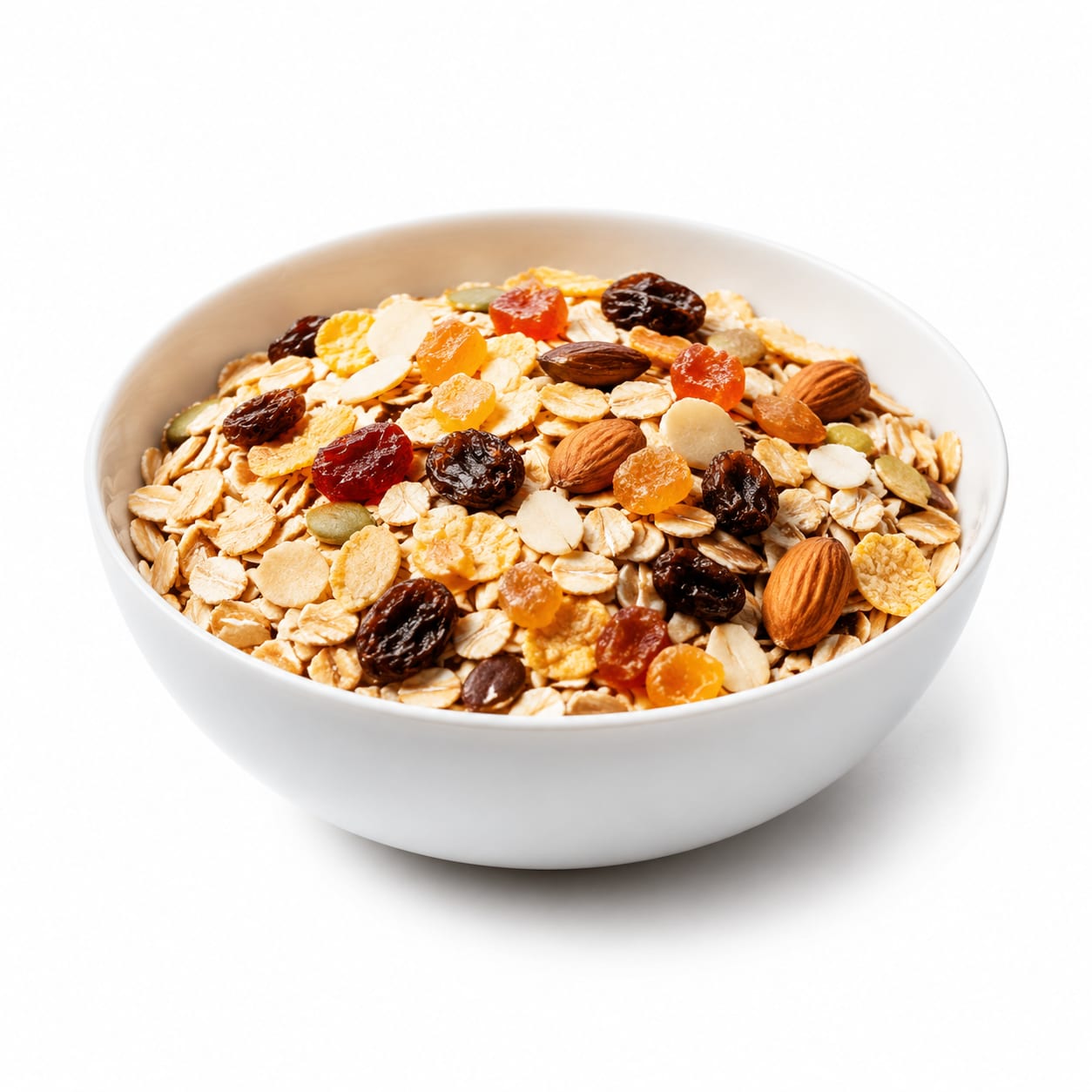
Muesli
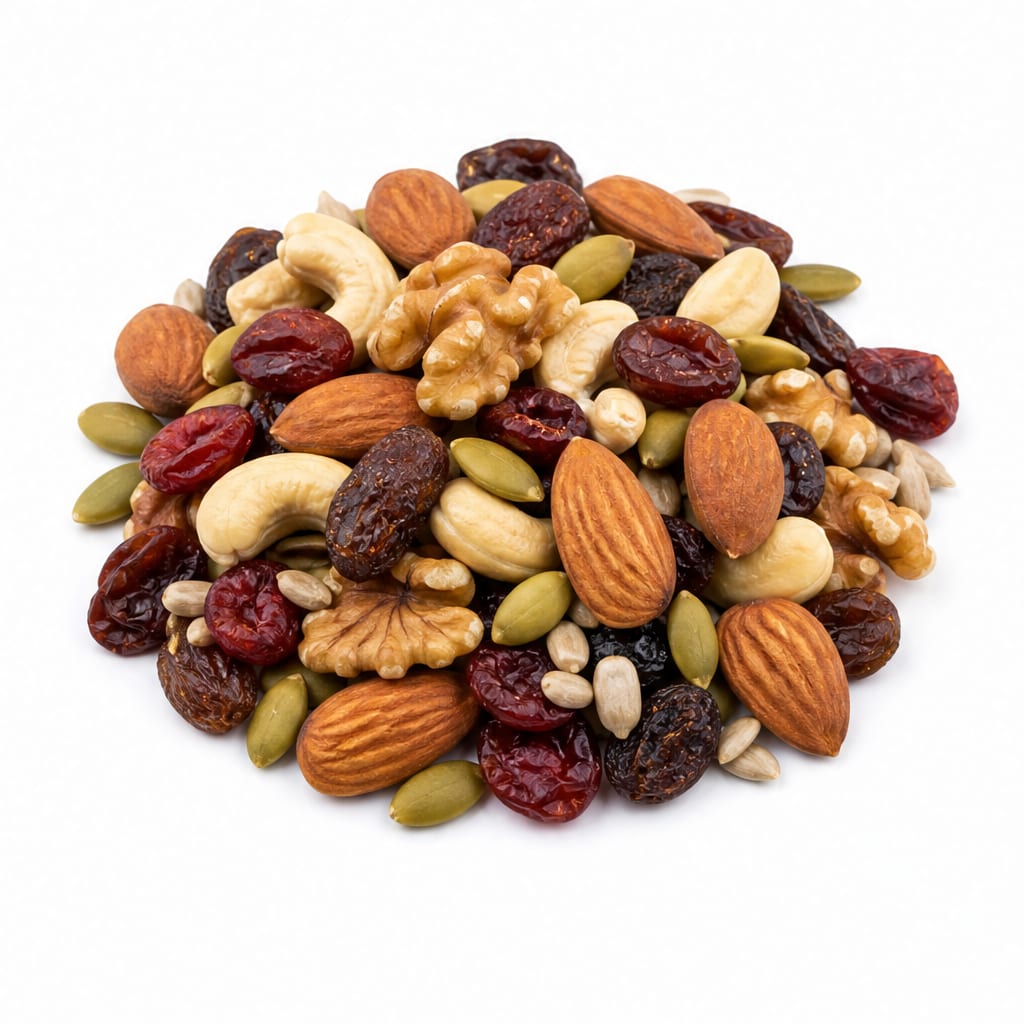
Trail Mix
Muesli wins for structured meals and steady energy, while Trail Mix dominates for on-the-go fuel and calorie density.
Muesli scores slightly higher due to better satiety-to-calorie ratio and blood sugar stability for everyday use, though Trail Mix excels in its niche as a dense, portable energy source.
Muesli offers more volume and blood sugar stability for daily meals, but Trail Mix delivers concentrated portable energy at the cost of easy overeating.
At a glance
Executive summary
Overall
It depends
Healthier
Muesli
More practical
Trail Mix
Daily use
Muesli
Key comparison lenses
Calorie Density and Overeating Risk
Trail Mix is extremely calorie-dense and easy to overconsume, whereas Muesli offers more volume for fewer calories.
Breakfast vs Snack Utility
Muesli is traditionally a morning meal requiring preparation, while Trail Mix is a portable, eat-anywhere snack.
Blood Sugar and Sustained Energy
Muesli's oats provide slow-digesting carbs for steady energy, while Trail Mix relies on fats and concentrated fruit sugars.
Best choice for
Muesli
- People managing weight through volume eating
- Those needing steady morning energy without crashes
- Breakfast lovers who enjoy a bowl meal
Trail Mix
- Hikers and endurance athletes needing portable calories
- Busy people who forget to eat and need quick fuel
- Those trying to gain healthy weight
Least suitable for
Muesli
- People needing a shelf-stable, no-prep snack on the trail
- Those with severe gluten intolerance unless using certified gluten-free oats
Trail Mix
- Anyone strictly monitoring calorie intake
- People prone to mindless snacking
- Those with severe nut allergies
Deep comparison
Dimension by dimension
Each lens scores both foods and breaks down who each option suits.
- Dimension 1 · Priority 95Muesli
Satiety & Fullness
Muesli · 88Trail Mix · 65Muesli absorbs liquid and expands in your stomach, keeping you full for hours. Trail Mix is dense but small, making it easy to eat a lot without feeling full.
Tradeoff
You get more physical fullness from Muesli, but Trail Mix provides more calories in a smaller package if you actually need the energy.
Why it matters
Feeling full prevents overeating later in the day, which is the biggest struggle for most people.
Real-world impact
A bowl of Muesli at 8 AM can easily keep you full until noon. A handful of Trail Mix might leave you hungry again an hour later unless you eat a large, calorie-heavy amount.
Muesli
- Controlling appetite between meals
- Volume eaters who like large portions
Better for
- Situations requiring lightweight, compact food
Worse for
Trail Mix
- Getting calories in when you have no appetite
- Backpacking where carrying weight matters
Better for
- Late-night snacking where overeating is a risk
Worse for
- Dimension 2 · Priority 90Muesli
Blood Sugar Stability
Muesli · 82Trail Mix · 60The beta-glucan fiber in Muesli's oats slows carb absorption, creating a gentle blood sugar rise. Trail Mix's dried fruit can spike blood sugar, though the nuts help buffer it.
Tradeoff
Muesli provides a steadier, more predictable energy curve, while Trail Mix's energy depends heavily on the ratio of dried fruit to nuts.
Why it matters
Stable blood sugar means fewer energy crashes and less cravings throughout the day.
Real-world impact
Muesli gives you a smooth ride through the morning. Trail Mix can give you a quick perk followed by a dip if it's heavy on sweetened fruit or chocolate.
Muesli
- Sustained focus during long work sessions
- Preventing the afternoon energy slump
Better for
- Immediate recovery from a hypoglycemic event
Worse for
Trail Mix
- Quick energy recovery during intense physical activity
Better for
- Sitting at a desk for 6 hours straight
Worse for
- Dimension 3 · Priority 92Muesli
Calorie Density & Overeating Risk
Muesli · 85Trail Mix · 40Trail Mix packs around 700-800 calories per cup, while Muesli is closer to 300. It is incredibly easy to accidentally eat two days worth of calories in Trail Mix.
Tradeoff
Trail Mix is an incredibly efficient calorie source for weight gain or endurance, but a liability for weight loss. Muesli is much more forgiving.
Why it matters
Calorie density is the strongest predictor of unintentional weight gain.
Real-world impact
Mindlessly grazing on Trail Mix while watching TV can easily add 1000+ calories. Muesli requires a bowl, milk, and intentional preparation, which naturally limits overconsumption.
Muesli
- Weight management and fat loss
- Mindful eating practices
Better for
- Situations where you need maximum calories in minimal space
Worse for
Trail Mix
- Hikers burning 4000 calories a day
- Underweight individuals needing easy calories
Better for
- Anyone eating while distracted
Worse for
- Dimension 4 · Priority 85Trail Mix
Convenience & Portability
Muesli · 40Trail Mix · 95Trail Mix is the ultimate grab-and-go food that survives heat, crushing, and months in a backpack. Muesli requires liquid, a bowl, and usually a spoon.
Tradeoff
Trail Mix sacrifices the meal experience for pure utility, while Muesli provides a comforting meal but needs a kitchen setup.
Why it matters
The best food for you is the one you can actually eat when you need it.
Real-world impact
You can eat Trail Mix one-handed on a mountain trail or in your car. Muesli is a sit-down affair that requires cleanup.
Muesli
- Leisurely mornings at home
- Creating a structured meal routine
Better for
- Commuting or traveling light
Worse for
Trail Mix
- Emergency snack stash in your car or bag
- Travel and outdoor adventures
Better for
- A comforting, sit-down breakfast experience
Worse for
- Dimension 5 · Priority 80It depends
Nutrient Diversity
Muesli · 80Trail Mix · 82Muesli brings oats, seeds, and diverse grains, while Trail Mix offers a wider variety of nuts and often more healthy fats. Both are nutrient powerhouses.
Tradeoff
Muesli excels in fiber and complex carbs, while Trail Mix delivers more magnesium, vitamin E, and healthy fats.
Why it matters
A diverse nutrient profile covers more of your daily needs without supplements.
Real-world impact
Muesli covers your fiber and B-vitamin bases beautifully. Trail Mix is stellar for heart-healthy fats and minerals that support nerve function.
Muesli
- Meeting daily fiber goals
- Supporting digestive regularity
Better for
- Those needing high fat, low carb nutrition
Worse for
Trail Mix
- Boosting healthy fat intake
- Getting more magnesium and zinc
Better for
- Those needing high fiber, low calorie volume
Worse for
Timeline
Health impact over time
Short-term
Hours to days
Muesli
- Provides lasting fullness that reduces mid-morning snacking
- Oat fiber gently supports digestion and regularity
- Can feel heavy if eaten dry or without enough liquid
Trail Mix
- Delivers a rapid energy boost from dried fruit and fats
- High fat content can cause mild stomach discomfort if eaten in large quantities quickly
- Fails to trigger fullness signals, leading to accidental overconsumption
Long-term
Months to years
Muesli
- Beta-glucan in oats actively lowers LDL cholesterol over time
- Consistent fiber intake supports a healthy gut microbiome
- Helps maintain stable weight due to built-in portion control
Trail Mix
- Nut and seed consumption supports heart health and reduces inflammation
- Risk of gradual weight gain if portions are not strictly measured
- Sulfites in some dried fruits may trigger sensitivities with frequent consumption
Risk profile
Safety & processing
Both foods start with whole, natural ingredients. However, commercial Trail Mix often includes roasted nuts with seed oils, candy pieces, and sulfited dried fruit, making it slightly more processed than traditional Muesli.
Muesli
Gluten cross-contamination
mediumUnless certified gluten-free, oats are frequently processed alongside wheat, posing a risk for celiacs.
Phytic acid interference
lowUnsoaked oats contain phytic acid which can slightly reduce mineral absorption, though this is rarely a concern in balanced diets.
Trail Mix
Sulfite sensitivity
mediumMany commercial dried fruits contain sulfites to preserve color, which can trigger asthma or headaches in sensitive individuals.
Nut allergy cross-contamination
highTrail Mix is inherently nut-heavy and often processed in facilities with peanuts and tree nuts, making it unsafe for those with allergies.
Rancidity of fats
mediumThe high fat content in nuts and seeds means Trail Mix can go rancid if stored in heat or kept too long, producing off-flavors and oxidative stress.
Who wins for whom
Audience fit
Same foods, different winners depending on your goal.
children
It dependsTrail Mix is fun and energy-dense for active kids, but poses a choking hazard for toddlers and often contains candy. Muesli is a safer, steadier breakfast for kids, provided it is soaked or cooked soft.
daily consumption
MuesliMuesli is easier to incorporate into a daily routine without risking calorie excess, and its fiber supports long-term heart and gut health.
diabetes
MuesliThe beta-glucan fiber in Muesli specifically slows glucose absorption, offering more predictable blood sugar control than the concentrated sugars in dried fruit.
elderly
MuesliSoaked or cooked Muesli is easier to chew and digest, and its fiber helps combat the constipation that commonly affects older adults.
muscle gain
Trail MixTrail Mix provides a dense source of calories and healthy fats that help hard-gainers meet their surplus needs without feeling overly stuffed.
weight loss
MuesliMuesli offers significantly more volume and fiber per calorie, making it much easier to stay within a calorie deficit without feeling deprived.
Your move
Decision guide
Choose Muesli
- You want a filling breakfast that keeps you focused until lunch
- You are watching your weight and need volume without excess calories
- You enjoy a structured morning meal with milk or yogurt
Choose Trail Mix
- You are going on a hike, long bike ride, or camping trip
- You struggle to eat enough and need easy, dense calories
- You need a shelf-stable emergency snack for your car or desk
Either works if
- You want a nutrient-dense whole-food snack and can control your portions
- You are mixing them together in yogurt for a balanced meal
Avoid both if
- You have severe nut and seed allergies, as both typically contain tree nuts
- You are on a strict very-low-carb or keto diet, as both contain carbs from grains or fruit
Final recommendation
Keep Muesli in your pantry for structured, satisfying breakfasts that support steady energy and weight management. Keep a small bag of Trail Mix for high-energy days, outdoor adventures, or when you genuinely need portable fuel. Treat Trail Mix as a tool for high expenditure, not a casual desk snack.
Practical
Consumer tips
- 1
Make your own Trail Mix using raw nuts and unsweetened dried fruit to avoid added seed oils and sulfites.
- 2
Soak Muesli overnight in milk or yogurt; it improves digestibility and makes the nutrients more bioavailable.
- 3
Portion Trail Mix into small 1/4 cup bags immediately after buying to prevent accidental calorie overload.
- 4
Check Muesli labels for added sugars; many commercial brands coat their clusters in syrup.
- 5
Store Trail Mix in a cool, dark place or the fridge to prevent the nuts from going rancid.