
Nutrition comparison
Muesli vs Rice Cereal: Which Breakfast is Better?
Compare Muesli and Rice Cereal for health, satiety, and blood sugar. Find out which breakfast cereal keeps you full longer and which one to avoid for daily use.
Overall winner · Muesli
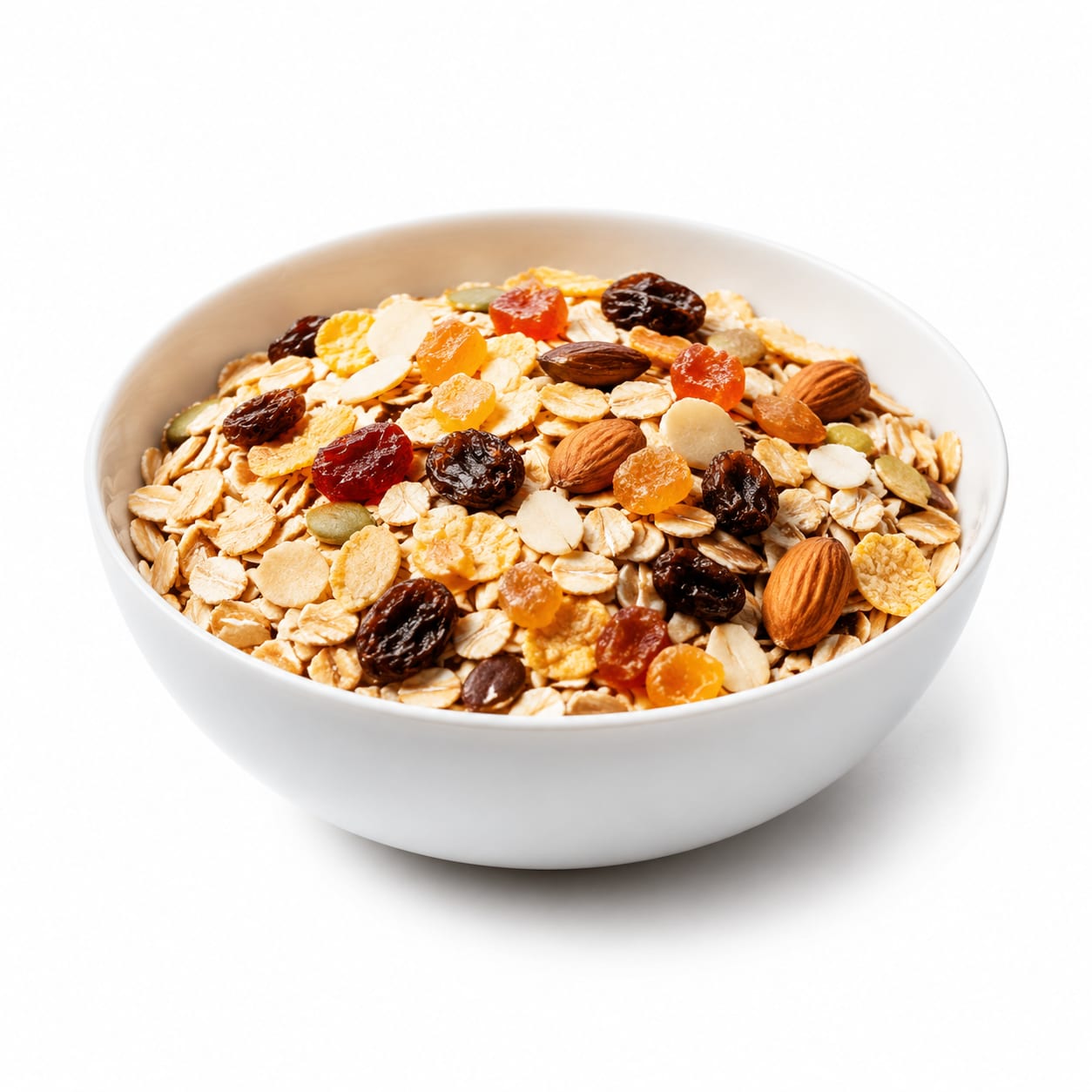
Muesli
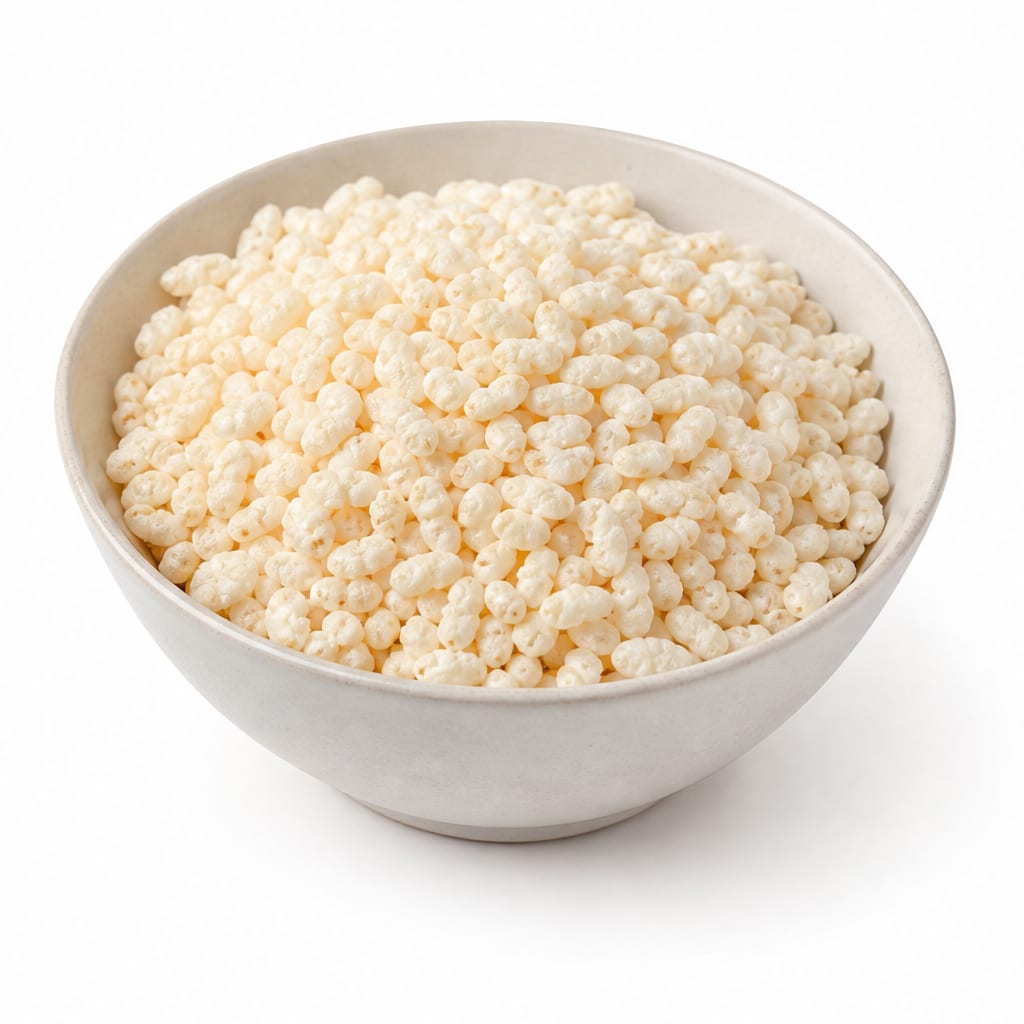
Rice Cereal
Muesli dominates for lasting energy and nutrition, while Rice Cereal is merely a quick, light bite that won't keep you full.
Muesli scores significantly higher due to its fiber, protein, and healthy fat content, which support long-term health and satiety. Rice Cereal falls behind because its refined carbs offer minimal nutritional value and poor staying power.
You trade the quick convenience and easy digestion of Rice Cereal for the long-lasting satiety and superior nutrition of Muesli.
At a glance
Executive summary
Overall
Muesli
Healthier
Muesli
More practical
Rice Cereal
Daily use
Muesli
Key comparison lenses
Blood sugar control and sustained energy
Muesli provides slow-digesting complex carbs while Rice Cereal digests rapidly, causing energy spikes and crashes.
Satiety and morning fullness
The fiber and fat in Muesli keep you full for hours, whereas Rice Cereal leaves you hungry again shortly after eating.
Convenience and digestibility
Rice Cereal is extremely light and easy on the stomach, making it a quick option for sensitive digestion or rushed mornings.
Heavy metal exposure
Rice-based products carry a higher risk of arsenic contamination, which is a notable safety concern for regular consumption.
Best choice for
Muesli
- People wanting steady energy until lunch
- Those managing weight through high-fiber diets
- Anyone needing more whole grains and healthy fats
Rice Cereal
- People with upset stomachs needing bland food
- Those who want a very low-calorie breakfast
- Anyone rushing out the door who needs a 2-minute bite
Least suitable for
Muesli
- People with severe nut or seed allergies
- Those who struggle with high-fiber foods and bloating
Rice Cereal
- People with diabetes or insulin resistance
- Those trying to stay full until their next meal
Deep comparison
Dimension by dimension
Each lens scores both foods and breaks down who each option suits.
- Dimension 1 · Priority 95Muesli
Satiety and Fullness
Muesli · 90Rice Cereal · 20Muesli keeps you full for hours thanks to its fiber, protein, and fats. Rice Cereal digests in minutes, leaving you hungry long before lunch.
Tradeoff
Muesli feels heavy and filling, which is great for appetite control but less appealing if you want a light stomach.
Why it matters
Staying full prevents mid-morning snacking and helps maintain a healthy weight effortlessly.
Real-world impact
Eating Muesli means skipping the 10:30 AM office snack run. Eating Rice Cereal means your stomach is rumbling before your first meeting.
Muesli
- Avoiding mid-morning cravings
- Reducing daily calorie intake naturally
Better for
- Days when you want a very light, minimal breakfast
Worse for
Rice Cereal
- Eating right before a workout without feeling weighed down
Better for
- Getting through a busy morning without distraction from hunger
Worse for
- Dimension 2 · Priority 90Muesli
Blood Sugar Stability
Muesli · 85Rice Cereal · 25Muesli provides a slow, steady release of energy. Rice Cereal causes a rapid blood sugar spike followed by a sharp crash.
Tradeoff
Rice Cereal gives you instant energy, but you pay for it with a crash. Muesli takes longer to kick in but sustains you.
Why it matters
Blood sugar crashes trigger fatigue, irritability, and sugar cravings that derail your whole day.
Real-world impact
Rice Cereal can leave you feeling exhausted and reaching for coffee by 11 AM. Muesli delivers calm, even focus all morning.
Muesli
- Managing diabetes or prediabetes
- Sustaining focus during long work sessions
Better for
- Moments when you need immediate, fast-acting energy
Worse for
Rice Cereal
- Quickly raising blood sugar during a hypoglycemic event
Better for
- Preventing the afternoon energy slump
- Avoiding mood swings and irritability
Worse for
- Dimension 3 · Priority 85Muesli
Nutrient Density
Muesli · 88Rice Cereal · 20Muesli is packed with vitamins, minerals, and healthy fats from whole grains, nuts, and seeds. Rice Cereal is mostly empty carbs with added fortification.
Tradeoff
Muesli is calorie-dense because of its nutrients, while Rice Cereal is low in calories but also low in real nourishment.
Why it matters
Eating nutrient-dense foods supports your immune system, brain function, and long-term health without needing supplements.
Real-world impact
A bowl of Muesli actually feeds your body. A bowl of Rice Cereal mostly just fills your stomach temporarily.
Muesli
- Getting essential minerals like iron and magnesium naturally
- Supporting heart health with omega-3s from seeds
Better for
- Diets requiring strict fat restriction
Worse for
Rice Cereal
- Strict calorie counting where volume matters more than nutrition
Better for
- Preventing nutrient deficiencies over time
Worse for
- Dimension 4 · Priority 70Rice Cereal
Convenience and Digestibility
Muesli · 55Rice Cereal · 90Rice Cereal is extremely easy to eat, requires zero chewing effort, and is gentle on an upset stomach. Muesli requires more chewing and can be heavy.
Tradeoff
Rice Cereal is the ultimate comfort food for sensitive digestion, while Muesli's roughage can be irritating if your gut is inflamed.
Why it matters
When you feel unwell or are in a rush, being able to eat something quickly and comfortably matters.
Real-world impact
Rice Cereal is a go-to for sick days or rushed mornings. Muesli takes more time to eat and digest properly.
Muesli
- Training your digestive system to handle healthy fiber
Better for
- Acute digestive flare-ups or IBS attacks
Worse for
Rice Cereal
- Recovering from a stomach bug
- Eating in the car on the way to work
Better for
- Building a robust, healthy gut microbiome
Worse for
Timeline
Health impact over time
Short-term
Hours to days
Muesli
- Sustained energy for 3-4 hours
- Possible bloating if you aren't used to high fiber
Rice Cereal
- Quick but short-lived energy burst
- Hunger returning within 1-2 hours
Long-term
Months to years
Muesli
- Improved gut health and regularity from consistent fiber intake
- Better weight management due to natural appetite control
Rice Cereal
- Increased risk of insulin resistance from frequent blood sugar spikes
- Potential overeating later in the day to compensate for poor morning satiety
Risk profile
Safety & processing
Muesli is essentially a mix of raw or lightly rolled whole foods. Rice Cereal is highly refined, puffed, and often contains added sugars, synthetic vitamins, and preservatives.
Muesli
Pesticide residue in oats and nuts
mediumConventional oats and nuts can carry pesticide residues; choosing organic Muesli mitigates this.
Mycotoxins in dried fruit
lowDried fruits sometimes harbor mold toxins, but reputable brands test for this.
Rice Cereal
Arsenic contamination
highRice naturally accumulates arsenic from soil and water. Regular consumption of Rice Cereal can increase heavy metal exposure, especially concerning for children.
Added sugars and syrups
mediumMany Rice Cereals are coated with sugar or malt flavoring, adding unnecessary refined carbs.
Who wins for whom
Audience fit
Same foods, different winners depending on your goal.
children
It dependsKids often prefer the mild taste and crunch of Rice Cereal, but the arsenic risk and sugar content make Muesli a much healthier choice if you can get them to eat it.
daily consumption
MuesliMuesli provides a balanced nutritional profile that supports daily health without the blood sugar rollercoaster of Rice Cereal.
diabetes
MuesliThe complex carbs and fiber in Muesli prevent dangerous glucose spikes, making it far safer for blood sugar management than Rice Cereal.
elderly
It dependsRice Cereal is easier to chew and digest for those with dental or gastrointestinal issues, but Muesli is better for preventing constipation and maintaining nutrition.
muscle gain
MuesliMuesli provides more protein and healthy fats to support muscle recovery, whereas Rice Cereal lacks the amino acids needed for repair.
weight loss
MuesliMuesli's high fiber and protein naturally suppress appetite, making it easier to eat less overall despite being more calorie-dense per bite.
Your move
Decision guide
Choose Muesli
- You want to stay full and focused until lunch
- You care about getting real vitamins and minerals from your breakfast
- You want to avoid blood sugar crashes and mid-morning cravings
Choose Rice Cereal
- You have an upset stomach and need the blandest, easiest food possible
- You are strictly counting calories and prefer a large volume of food for few calories
- You need immediate quick-digesting carbs right before a workout
Either works if
- You are mixing it into a yogurt parfait where the base matters less
- You just want a crunchy snack and are eating a balanced diet otherwise
Avoid both if
- You have celiac disease and the product isn't certified gluten-free
- You are looking for a high-protein breakfast to start your day
Final recommendation
Make Muesli your everyday breakfast for lasting energy and nutrition. Keep Rice Cereal in the pantry only for sick days or as an occasional light treat, not as a daily staple.
Practical
Consumer tips
- 1
Check the sugar content on your Muesli—some commercial brands add more sugar than you'd expect.
- 2
Soaking Muesli overnight in milk or yogurt makes it easier to digest and unlocks more nutrients.
- 3
If you love the crunch of Rice Cereal but want better nutrition, try mixing a handful of it into a bowl of Muesli.
- 4
Look for organic Muesli to avoid pesticide residues in oats and nuts.
- 5
Limit Rice Cereal consumption in young children due to the arsenic risk associated with rice products.