
Nutrition comparison
Muesli vs Quinoa Porridge: Which Breakfast Is Healthier?
Compare muesli and quinoa porridge on protein, blood sugar, gluten, and convenience. Find out which breakfast grain better fits your health goals and morning routine.
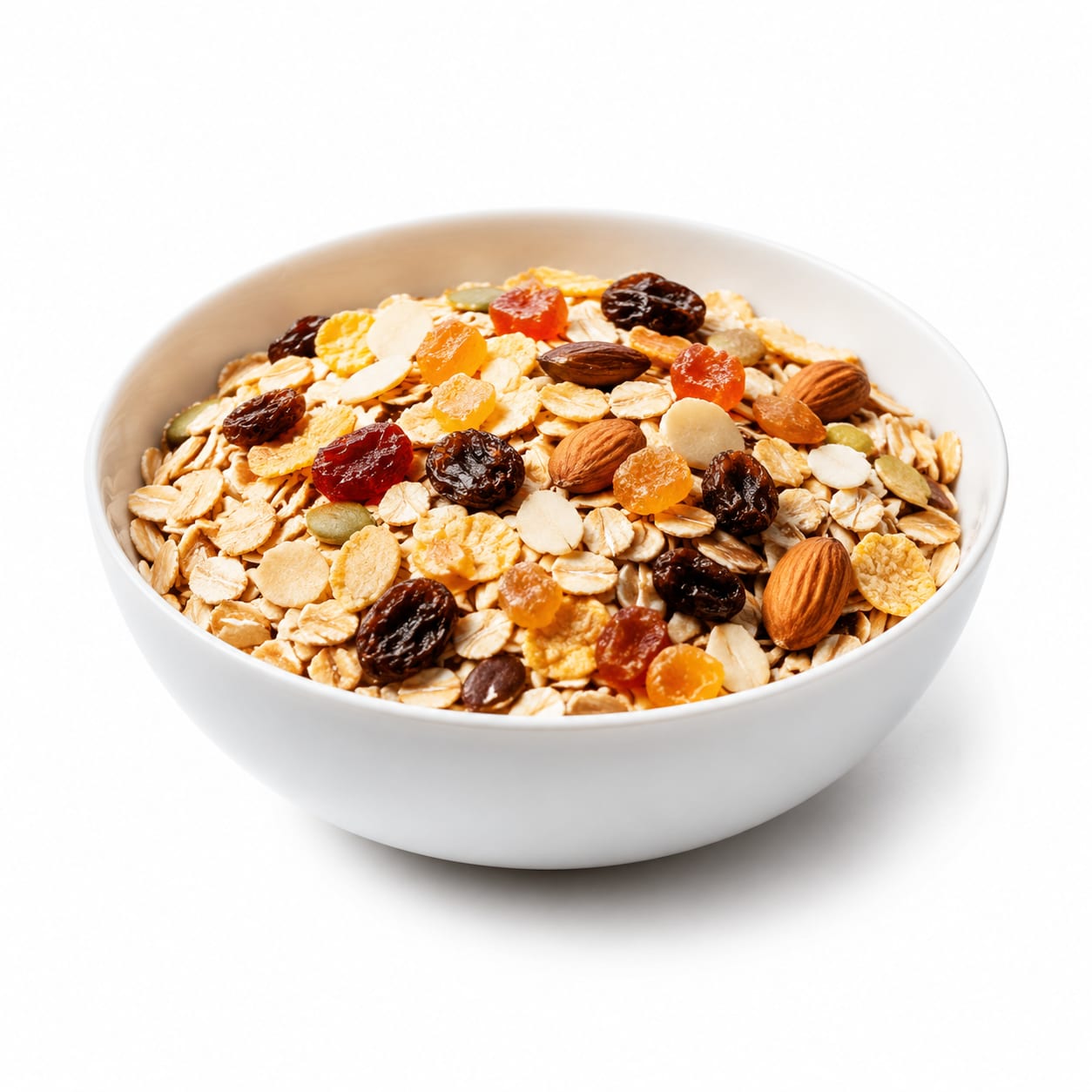
Muesli
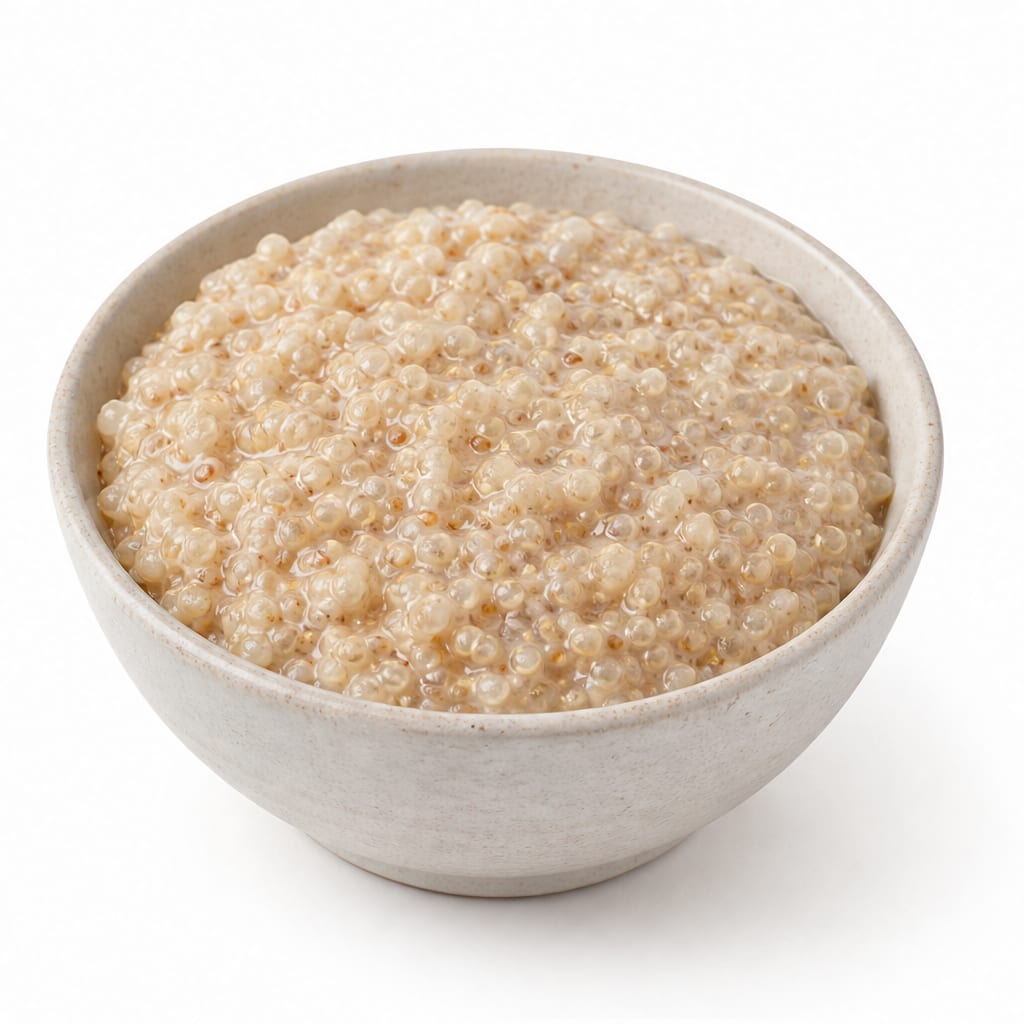
Quinoa Porridge
Quinoa Porridge wins for protein quality and blood sugar control, while Muesli offers more convenience and fiber variety. Your best pick depends on whether you prioritize complete protein or quick mornings.
Quinoa Porridge scores higher due to complete protein, better blood sugar profile, and gluten-free status. Muesli remains competitive through convenience and fiber diversity but loses ground on hidden sugar and gluten concerns.
Complete protein and steadier blood sugar from quinoa versus the convenience and fiber diversity of muesli, with hidden sugar being the main muesli risk.
At a glance
Executive summary
Overall
It depends
Healthier
Quinoa Porridge
More practical
Muesli
Daily use
It depends
Key comparison lenses
blood sugar stability and sustained energy
Both are breakfast grains with different glycemic profiles that shape morning energy levels
protein quality and satiety
Quinoa offers complete protein while muesli relies on complementary sources, affecting fullness
gluten sensitivity and digestive tolerance
Quinoa is naturally gluten-free while muesli contains gluten from oats and barley
hidden sugar from dried fruit
Muesli often contains dried fruit adding concentrated sugar that many consumers underestimate
morning convenience and preparation time
Muesli can be eaten cold or soaked overnight while quinoa porridge requires active cooking
Best choice for
Muesli
- Busy mornings when cooking feels impossible
- People wanting fiber variety from nuts, seeds, and dried fruit
- Those who prefer cold breakfasts or overnight prep
- Anyone needing shelf-stable pantry options
Quinoa Porridge
- Gluten-sensitive individuals or those with celiac disease
- Athletes needing complete protein for recovery
- People managing blood sugar or insulin resistance
- Anyone wanting a warm, comforting breakfast without gluten
Least suitable for
Muesli
- People with celiac disease or gluten intolerance
- Those sensitive to dried fruit sugar spikes
- Anyone watching calorie density from nuts and dried fruit
Quinoa Porridge
- People who need instant breakfast with zero cooking
- Those who dislike the slightly earthy or bitter taste of quinoa
- Anyone without access to a stove or microwave in the morning
Deep comparison
Dimension by dimension
Each lens scores both foods and breaks down who each option suits.
- Dimension 1 · Priority 90Quinoa Porridge
Protein Quality and Satiety
Muesli · 62Quinoa Porridge · 88Quinoa is one of the few plant foods with all nine essential amino acids, making its protein more usable for muscle repair and sustained fullness.
Tradeoff
Muesli provides protein from nuts and seeds but lacks the complete amino acid profile, meaning your body uses that protein less efficiently.
Why it matters
Incomplete proteins require combining different foods throughout the day. Quinoa handles this in a single bowl, keeping you fuller for longer.
Real-world impact
A quinoa porridge breakfast typically keeps hunger at bay until lunch. Muesli may leave you reaching for a snack by mid-morning, especially if the dried fruit causes a sugar crash.
Muesli
- People who already eat protein-rich foods throughout the day
Better for
- Those relying on breakfast as their main protein source
Worse for
Quinoa Porridge
- Vegans and vegetarians needing reliable complete protein
- Athletes recovering from morning workouts
- Anyone trying to reduce between-meal snacking
Better for
- People who find high-protein breakfasts too heavy
Worse for
- Dimension 2 · Priority 88Quinoa Porridge
Blood Sugar Stability
Muesli · 58Quinoa Porridge · 82Quinoa has a lower glycemic index and no added dried fruit sugar, giving you steadier energy without the mid-morning crash.
Tradeoff
Muesli's dried fruit delivers concentrated fructose that can spike blood sugar, partially offsetting the benefits of its fiber content.
Why it matters
Morning blood sugar sets the tone for your entire day. A spike-and-crash pattern triggers cravings, brain fog, and fatigue before noon.
Real-world impact
With quinoa porridge, you likely feel steady and focused until lunch. With muesli, the dried fruit sugar may give you a quick lift followed by an energy dip around 10:30 AM.
Muesli
- People who choose unsweetened muesli without dried fruit
Better for
- Diabetics who need tight glucose control
- People sensitive to sugar spikes from dried fruit
Worse for
Quinoa Porridge
- Anyone with insulin resistance or prediabetes
- People prone to afternoon energy crashes
- Those trying to reduce sugar cravings
Better for
- Those who find low-glycemic breakfasts unsatisfying without added fruit
Worse for
- Dimension 3 · Priority 85Quinoa Porridge
Gluten and Digestive Tolerance
Muesli · 45Quinoa Porridge · 95Quinoa is naturally gluten-free, while muesli contains gluten from oats and often barley, making it problematic for sensitive individuals.
Tradeoff
Even certified gluten-free oats can trigger reactions in some celiac patients due to avenin proteins, while quinoa is almost universally tolerated.
Why it matters
Undiagnosed gluten sensitivity affects roughly 6% of the population. Chronic bloating, fatigue, and brain fog from gluten can silently undermine health.
Real-world impact
If you experience unexplained bloating or sluggishness after muesli, switching to quinoa porridge could resolve symptoms within days.
Muesli
- People with confirmed gluten tolerance who digest oats well
Better for
- Celiac patients and anyone with gluten intolerance
- People with oat sensitivity
Worse for
Quinoa Porridge
- Anyone with celiac disease or gluten sensitivity
- People with IBS who benefit from gluten reduction
- Those experiencing unexplained morning bloating
Better for
- Those allergic to quinoa specifically (rare but possible)
Worse for
- Dimension 4 · Priority 75Muesli
Convenience and Preparation
Muesli · 90Quinoa Porridge · 55Muesli can be eaten cold, soaked overnight, or mixed with yogurt in seconds. Quinoa porridge requires 15-20 minutes of active cooking.
Tradeoff
The time investment for quinoa porridge pays off nutritionally, but on hectic mornings, that extra 15 minutes may mean skipping breakfast entirely.
Why it matters
The healthiest breakfast is the one you actually eat consistently. Convenience often trumps nutrition in real-world decision-making.
Real-world impact
On a rushed Tuesday, muesli gets eaten. Quinoa porridge gets skipped for a coffee shop pastry. Consistency matters more than perfection.
Muesli
- Anyone with less than 5 minutes for breakfast prep
- People who meal-prep by soaking oats overnight
- Travelers needing shelf-stable, no-cook options
Better for
- Those who find cold breakfasts unsatisfying in winter
Worse for
Quinoa Porridge
- People who enjoy a slow morning ritual
- Weekend breakfasters with time to cook
Better for
- Chronically rushed individuals
- People without reliable kitchen access
Worse for
- Dimension 5 · Priority 78Muesli
Fiber Diversity and Gut Health
Muesli · 85Quinoa Porridge · 70Muesli combines beta-glucan from oats with fiber from nuts, seeds, and dried fruit, feeding a wider range of beneficial gut bacteria.
Tradeoff
Quinoa provides solid fiber but less variety, which matters because gut microbiome diversity thrives on diverse fiber sources.
Why it matters
Different fiber types feed different beneficial bacteria. A wider fiber spectrum supports better digestion, immunity, and even mood regulation.
Real-world impact
Regular muesli eaters often notice more consistent digestion. Quinoa porridge is still good, but offers a narrower fiber profile.
Muesli
- People focused on microbiome diversity
- Those needing help with regularity
Better for
- Those who find high-fiber breakfasts cause bloating initially
Worse for
Quinoa Porridge
- People who get enough fiber variety from other meals
Better for
- People relying on breakfast as their primary fiber source
Worse for
- Dimension 6 · Priority 72Quinoa Porridge
Calorie Density and Portion Control
Muesli · 55Quinoa Porridge · 78Muesli is deceptively calorie-dense due to nuts, seeds, and dried fruit. A modest bowl can easily exceed 400 calories before adding milk.
Tradeoff
Quinoa porridge delivers more volume and protein per calorie, making it easier to feel full without accidentally overeating.
Why it matters
Calorie density drives unconscious overeating. Dense foods like muesli make it easy to consume 600+ calorie breakfasts without feeling stuffed.
Real-world impact
Pouring muesli from the box typically yields 1.5-2x the recommended serving. Quinoa porridge portions are easier to gauge visually.
Muesli
- Active individuals who need calorie-dense breakfasts
- People trying to gain weight healthily
Better for
- Those who underestimate calories from nuts and dried fruit
Worse for
Quinoa Porridge
- Anyone managing calorie intake for weight loss
- People who struggle with portion distortion
Better for
- Underweight individuals needing calorie surplus
Worse for
- Dimension 7 · Priority 70Quinoa Porridge
Mineral Density
Muesli · 68Quinoa Porridge · 82Quinoa is notably rich in iron, magnesium, zinc, and manganese, often surpassing the mineral content of oats and typical muesli additions.
Tradeoff
Muesli's nuts and seeds add minerals too, but quinoa's concentration per serving is typically higher and more bioavailable.
Why it matters
Mineral deficiencies, especially iron and magnesium, are widespread and contribute to fatigue, poor sleep, and muscle cramps.
Real-world impact
Regular quinoa consumption can meaningfully support iron levels, particularly for menstruating women and plant-based eaters.
Muesli
- People who already eat mineral-rich foods throughout the day
Better for
- Those relying on breakfast as a key mineral source
Worse for
Quinoa Porridge
- Women at risk of iron deficiency
- Plant-based eaters needing concentrated mineral sources
- Anyone prone to muscle cramps or poor sleep
Better for
- People with hemochromatosis who need to limit iron
Worse for
Timeline
Health impact over time
Short-term
Hours to days
Muesli
- Quick energy from dried fruit sugars within 30 minutes
- Comfortable fullness from fiber and fat content
- Possible bloating in gluten-sensitive individuals within hours
- Risk of mid-morning energy dip if dried fruit content is high
Quinoa Porridge
- Steady, sustained energy without sugar spikes
- Comforting warmth that feels satisfying on cold mornings
- Good satiety from protein and fiber combination
- Possible slight bitterness if quinoa is not rinsed properly
Long-term
Months to years
Muesli
- Improved gut microbiome diversity from varied fiber sources
- Risk of excess calorie intake if portions go unmonitored
- Potential chronic inflammation if gluten-sensitive
- Heart health support from oat beta-glucan and nut fats
Quinoa Porridge
- Better blood sugar regulation over months of consistent use
- Improved iron and magnesium status reducing fatigue
- Sustained satiety supporting healthier weight management
- Reduced inflammatory markers from quinoa's antioxidant content
Risk profile
Safety & processing
Both foods are minimally processed in their pure forms. However, commercial muesli often contains added oils, preservatives, and sulfured dried fruit, raising additive concerns. Plain quinoa is essentially a single-ingredient whole grain with virtually no additives.
Muesli
Gluten cross-contamination
highMost commercial muesli is processed in facilities handling wheat and barley. Even certified gluten-free oats may trigger sensitive individuals.
Sulfur dioxide in dried fruit
mediumMany dried fruits in muesli contain sulfites as preservatives, which can trigger asthma and allergic reactions in sensitive people.
Oat avenin sensitivity
lowA subset of celiac patients react to avenin proteins in oats even when gluten-free certified, causing similar inflammatory responses.
Quinoa Porridge
Saponin residue causing bitterness and digestive upset
mediumQuinoa naturally contains saponins that can cause stomach discomfort and reduce nutrient absorption if not rinsed thoroughly before cooking.
Heavy metal accumulation in some quinoa sources
lowSome quinoa grown in certain regions may contain elevated cadmium levels. Sourcing from reputable suppliers mitigates this risk.
Who wins for whom
Audience fit
Same foods, different winners depending on your goal.
children
MuesliKids generally prefer the sweeter taste and varied textures of muesli. The crunch and dried fruit make it more appealing to picky eaters.
daily consumption
It dependsMuesli works better daily for convenience-driven people who will actually eat it consistently. Quinoa Porridge is nutritionally superior but requires cooking commitment that may reduce adherence.
diabetes
Quinoa PorridgeLower glycemic index and no dried fruit sugar make Quinoa Porridge significantly better for blood glucose management.
elderly
Quinoa PorridgeQuinoa Porridge is easier to chew and digest, with higher mineral density supporting bone health and reducing anemia risk common in older adults.
muscle gain
Quinoa PorridgeQuinoa's complete protein profile supports muscle repair more effectively than muesli's incomplete protein from grains and nuts.
weight loss
Quinoa PorridgeQuinoa Porridge provides more protein and volume per calorie, keeping you fuller with fewer calories. Muesli's calorie density from nuts and dried fruit makes portion control harder.
Your move
Decision guide
Choose Muesli
- You have less than 5 minutes for breakfast on most mornings
- You digest gluten well and enjoy the crunch and variety of mixed ingredients
- You eat plenty of complete proteins at other meals throughout the day
- You want a shelf-stable option for travel or office breakfasts
- You prefer cold breakfasts, especially in warm weather
Choose Quinoa Porridge
- You are gluten-sensitive, have celiac disease, or experience bloating after oats
- You want steadier morning energy without sugar crashes
- You are plant-based and need reliable complete protein at breakfast
- You are managing blood sugar, insulin resistance, or diabetes
- You enjoy warm, comforting breakfasts and have time to cook
Either works if
- You have no gluten issues and tolerate both foods well
- You rotate breakfasts based on schedule and mood
- You complement either choice with protein like Greek yogurt or eggs
Avoid both if
- You have grain sensitivities that extend beyond gluten
- You are following a strict grain-free or paleo protocol
- You have severe nut allergies and cannot find safe muesli
Final recommendation
If you tolerate gluten, the best approach is rotating both. Use muesli on rushed weekdays and quinoa porridge on slower mornings or when you need steadier energy. If you must pick one for daily use, Quinoa Porridge edges ahead nutritionally, but only if you will actually cook it. A muesli breakfast you eat consistently beats a quinoa breakfast you skip.
Practical
Consumer tips
- 1
Choose unsweetened muesli with no dried fruit to eliminate the hidden sugar problem entirely
- 2
Rinse quinoa thoroughly under running water for 30 seconds to remove bitter saponins
- 3
Make quinoa porridge in bulk and reheat portions to solve the weekday time problem
- 4
Measure muesli portions with a cup rather than pouring freely to avoid calorie creep
- 5
Add fresh berries instead of dried fruit to muesli for sweetness without the sugar spike
- 6
Soak muesli overnight in milk or yogurt for easier digestion and creamier texture
- 7
Mix a spoonful of chia or flax seeds into quinoa porridge to boost fiber diversity closer to muesli levels
- 8
Look for muesli brands using sulfite-free dried fruit if you keep the dried fruit version
- 9
Add a dollop of nut butter to quinoa porridge for extra satiety and healthy fats