
Nutrition comparison
Muesli vs Cornflakes: Which Breakfast Is Actually Better for You?
Muesli crushes cornflakes in fiber, satiety, and blood sugar stability. But cornflakes win on convenience. See the full nutritional tradeoff breakdown.
Overall winner · Muesli
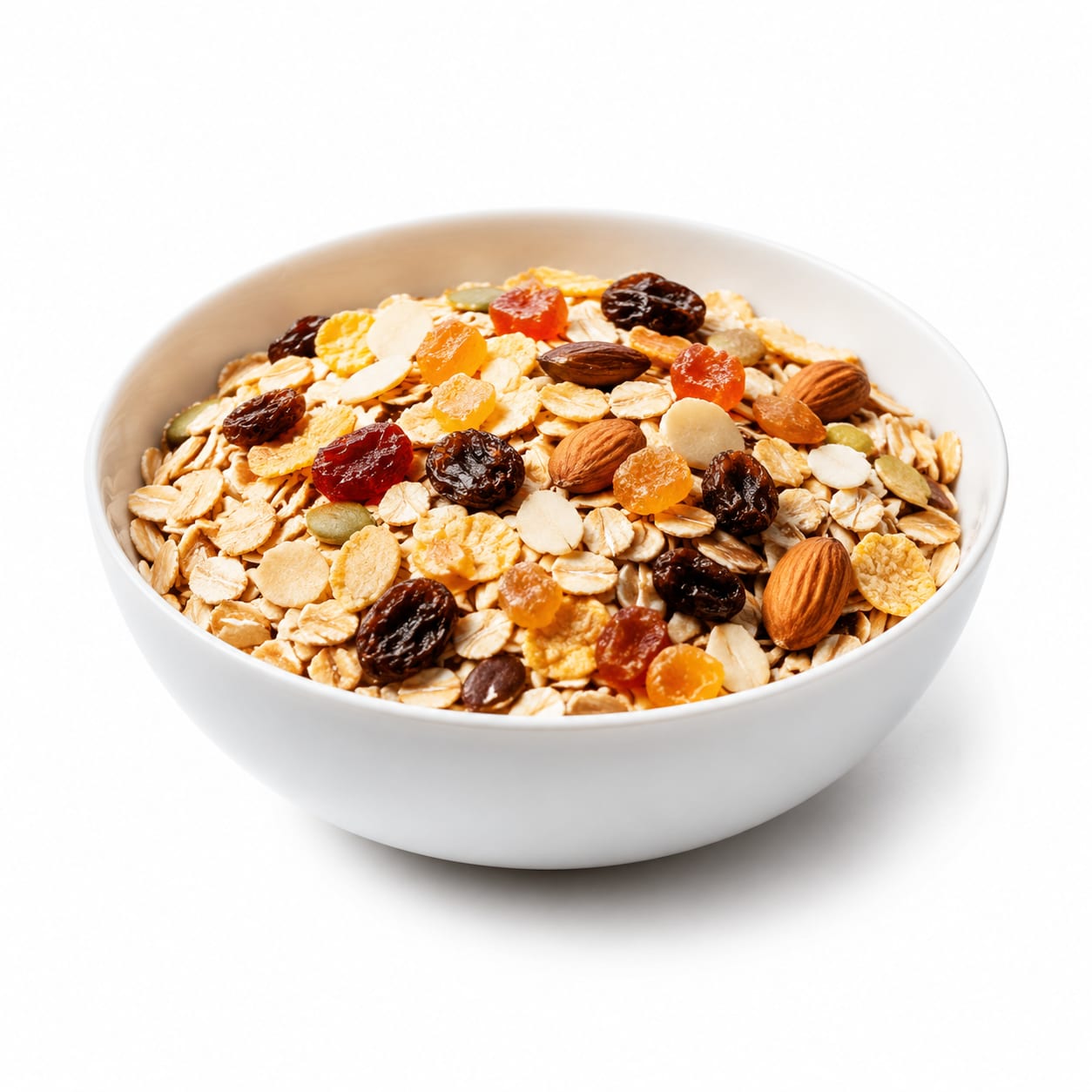
Muesli
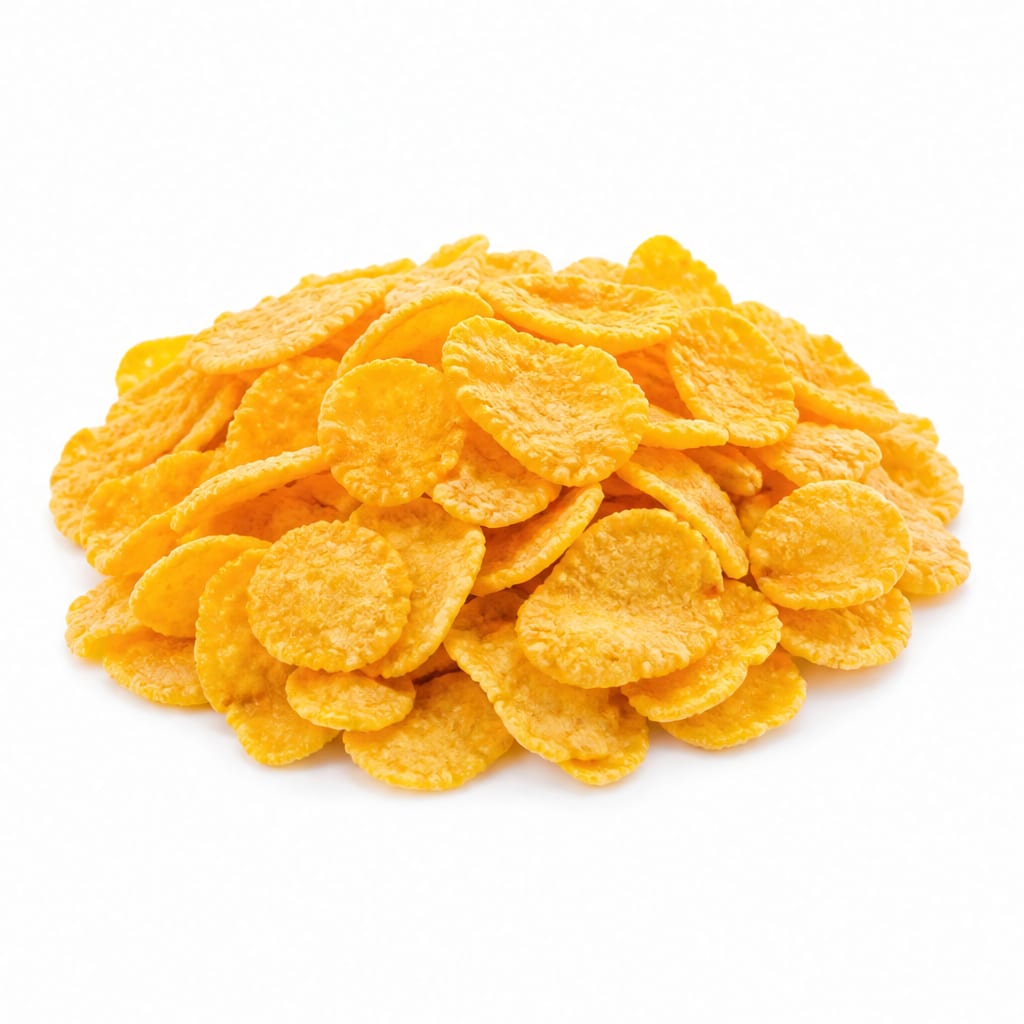
Cornflakes
Muesli dominates on nutrition, satiety, and blood sugar stability. Cornflakes win only on speed and lightness.
Muesli scores nearly double cornflakes because its fiber, protein, and healthy fat content deliver real staying power and metabolic benefits. Cornflakes are not dangerous but offer minimal nutritional value and cause rapid blood sugar spikes that most people feel within hours.
You trade convenience and a lighter feel for dramatically better fullness, steadier energy, and superior long-term health outcomes.
At a glance
Executive summary
Overall
Muesli
Healthier
Muesli
More practical
Cornflakes
Daily use
Muesli
Key comparison lenses
blood sugar control and sustained energy
The massive gap in fiber and complex carbs between these two makes glycemic impact the single most important difference for daily breakfast choice
weight management and satiety
How full you stay until lunch directly determines whether this breakfast helps or hurts your eating patterns
processing level and ingredient quality
Muesli is a whole-food blend while cornflakes are extruded and ultra-processed, which matters for long-term health
sugar and hidden additives
Many cornflakes brands add sugar and salt; muesli can have dried fruit sugar but generally less hidden sweetness
convenience and morning routine fit
Cornflakes are faster and lighter, which matters for busy mornings or light appetites
Best choice for
Muesli
- People who want steady energy until lunch
- Anyone managing blood sugar or insulin resistance
- Those seeking more fiber and whole-food nutrition
- Weight-conscious eaters who need lasting fullness
- Athletes needing sustained fuel for morning training
Cornflakes
- People with small morning appetites who feel heavy after dense breakfasts
- Anyone rushing out the door with zero prep time
- Those recovering from digestive issues who need low-fiber temporarily
- Kids who find muesli textures overwhelming
Least suitable for
Muesli
- People with severe oat or nut allergies
- Those who need immediate quick-digesting carbs post-workout
- Anyone who feels sluggish after high-fiber breakfasts
Cornflakes
- People with diabetes or insulin resistance
- Anyone prone to mid-morning energy crashes
- Those trying to reduce ultra-processed food intake
- People who struggle with hunger and overeating later in the day
Deep comparison
Dimension by dimension
Each lens scores both foods and breaks down who each option suits.
- Dimension 1 · Priority 95Muesli
blood sugar stability
Muesli · 88Cornflakes · 22Muesli provides slow-releasing energy from oats, nuts, and seeds. Cornflakes digest almost as fast as pure sugar for many people.
Tradeoff
Cornflakes give you quick morning energy but crash you by mid-morning. Muesli takes longer to kick in but keeps you level.
Why it matters
Blood sugar crashes trigger cravings, irritability, and overeating at your next meal. This single factor shapes your entire day.
Real-world impact
With cornflakes, you are likely hungry again by 10am and reaching for a snack. With muesli, you comfortably make it to lunch.
Muesli
- Steady focus through the morning
- Reduced cravings before lunch
- Better insulin sensitivity over time
Better for
- Not ideal right before intense exercise when you need fast fuel
Worse for
Cornflakes
- Quick energy right after eating if you are about to exercise
Better for
- Energy crash within 1-2 hours
- Triggers hunger spikes and poor food choices later
- Worsens insulin resistance with daily use
Worse for
- Dimension 2 · Priority 90Muesli
satiety and fullness
Muesli · 85Cornflakes · 20Muesli keeps you full for hours thanks to fiber, protein, and fat. Cornflakes leave you hungry almost immediately by comparison.
Tradeoff
If you prefer a light breakfast that does not sit heavy, cornflakes feel easier. But you pay for it with hunger soon after.
Why it matters
A breakfast that fails to fill you makes you eat more total calories across the day, not less.
Real-world impact
A bowl of cornflakes is about 90 calories of actual satiety value. A bowl of muesli with milk can keep you satisfied for 4+ hours.
Muesli
- Lasting fullness through the morning
- Less snacking between meals
- Better portion control at lunch
Better for
- Can feel too heavy if you eat a large portion
Worse for
Cornflakes
- Light feeling if you dislike heavy breakfasts
Better for
- Hunger returns within 1-2 hours
- Leads to overcompensating at snacks or lunch
- Creates a cycle of quick fixes rather than real fuel
Worse for
- Dimension 3 · Priority 85Muesli
nutrient density
Muesli · 80Cornflakes · 25Muesli delivers real vitamins, minerals, healthy fats, and protein from whole ingredients. Cornflakes rely on synthetic fortification to show any nutrition at all.
Tradeoff
Cornflakes have added vitamins on the label, but your body absorbs whole-food nutrients far better than sprayed-on fortification.
Why it matters
Nutrient density determines whether your breakfast actually nourishes you or just fills your stomach briefly.
Real-world impact
Muesli gives you magnesium, zinc, vitamin E, and omega-3s from nuts and seeds. Cornflakes give you iron and B-vitamins sprayed on during processing.
Muesli
- Natural vitamins and minerals from whole foods
- Healthy fats from nuts and seeds
- More protein per serving
Better for
- Calorie density is higher so portions matter more
Worse for
Cornflakes
- Fortified iron and folic acid which can help deficient populations
Better for
- Most nutrients are synthetic and less bioavailable
- Essentially empty calories beyond fortification
- No healthy fats or meaningful protein
Worse for
- Dimension 4 · Priority 88Muesli
fiber and digestive health
Muesli · 90Cornflakes · 8Muesli is a fiber powerhouse from oats, seeds, and dried fruit. Cornflakes are nearly fiber-free.
Tradeoff
If your digestive system is sensitive to fiber, cornflakes are gentler short-term. But long-term, your gut needs fiber to thrive.
Why it matters
Fiber feeds your gut microbiome, regulates digestion, and protects against colon cancer and heart disease.
Real-world impact
A serving of muesli can provide 5-8g of fiber. Cornflakes give you less than 1g. That gap compounds over years of daily breakfast.
Muesli
- Supports healthy gut bacteria
- Prevents constipation
- Lowers cholesterol over time
Better for
- Can cause bloating if you suddenly increase fiber intake
Worse for
Cornflakes
- Gentler during digestive flare-ups when fiber irritates
Better for
- Contributes nothing to daily fiber needs
- Long-term gut health suffers with daily use
- No cholesterol-lowering benefit
Worse for
- Dimension 5 · Priority 70Cornflakes
convenience and practicality
Muesli · 55Cornflakes · 88Cornflakes are instant and require zero thought. Muesli needs soaking time for best texture and costs more.
Tradeoff
You save 5-10 minutes of morning prep with cornflakes but sacrifice nearly every nutritional advantage.
Why it matters
The best breakfast is one you actually eat consistently. If muesli feels like too much work, you might skip it entirely.
Real-world impact
Cornflakes are pour-and-go. Muesli is better if soaked overnight or at least for 10 minutes, which requires planning.
Muesli
- Can be prepped the night before as overnight muesli
- Shelf-stable and requires no cooking
Better for
- Best texture requires soaking ahead
- More expensive per serving
- Nuts and seeds can be choking hazards for toddlers
Worse for
Cornflakes
- Zero prep time
- Cheaper per box
- Familiar and easy for kids
Better for
- So simple you may eat mindlessly and overconsume
Worse for
- Dimension 6 · Priority 80Muesli
sugar and hidden additives
Muesli · 65Cornflakes · 30Plain muesli has natural sugars from dried fruit only. Most commercial cornflakes add sugar, malt flavoring, and salt.
Tradeoff
Some muesli brands load up on dried fruit and added honey, narrowing the gap. Always check labels on both.
Why it matters
Hidden sugar at breakfast sets up cravings for the entire day and makes healthy eating harder.
Real-world impact
A typical bowl of cornflakes with milk delivers 2-3 teaspoons of sugar before you add anything. Unsweetened muesli has almost none.
Muesli
- Most sugar comes from whole dried fruit with fiber
- No malt flavoring or hidden sweeteners in plain varieties
- Less sodium per serving
Better for
- Sweetened muesli varieties can rival dessert-level sugar
- Dried fruit concentrates sugar more than fresh fruit
Worse for
Cornflakes
- Some brands now offer no-added-sugar versions
Better for
- Added sugar and malt syrup in most brands
- Higher sodium than expected for a sweet cereal
- BHT and other preservatives in some brands
Worse for
Timeline
Health impact over time
Short-term
Hours to days
Muesli
- Steady energy for 3-4 hours without crashes
- Comfortable fullness that reduces snacking
- Possible mild bloating if you are not used to high fiber
Cornflakes
- Quick energy spike within 30 minutes
- Hunger returning within 1-2 hours
- Possible irritability or fatigue as blood sugar drops
Long-term
Months to years
Muesli
- Better insulin sensitivity and blood sugar regulation
- Improved cholesterol from daily oat beta-glucan
- Healthier gut microbiome from consistent fiber intake
- Easier weight maintenance from natural appetite regulation
Cornflakes
- Increased risk of insulin resistance with daily consumption
- Higher likelihood of weight gain from blood sugar volatility
- No meaningful contribution to fiber or gut health
- Potential contribution to metabolic syndrome in sedentary people
Risk profile
Safety & processing
Muesli is essentially a mix of whole or barely-processed ingredients: rolled oats, nuts, seeds, and dried fruit. Cornflakes are made by extruding corn mush through high-pressure machines, toasting it, and spraying on vitamins and sugar. The processing gap is enormous and directly affects how your body responds.
Muesli
Aflatoxin contamination in nuts
lowNuts in muesli can carry aflatoxins from mold, but reputable brands test for this. Risk is low with quality products.
Sulfite sensitivity from dried fruit
lowSome dried fruits contain sulfites as preservatives which can trigger reactions in sensitive individuals. Choose unsulfured varieties if concerned.
Cornflakes
Acrylamide from high-heat processing
mediumToasting corn at high temperatures creates acrylamide, a probable carcinogen. Levels are generally low but present in every bowl.
BHT and preservative exposure
mediumSome cornflake brands use BHT as a preservative in packaging, which has controversial safety data. Look for brands without it.
Fortification overload in children
lowSynthetic iron and folic acid added to cornflakes can exceed safe levels if kids eat multiple fortified foods daily.
Who wins for whom
Audience fit
Same foods, different winners depending on your goal.
children
It dependsCornflakes are easier for kids to eat and accept, but muesli is far better for their growth and energy stability. Introduce muesli gradually with milk or yogurt.
daily consumption
MuesliMuesli improves with daily use as your gut adapts to fiber. Cornflakes degrade your metabolic health with daily use over years.
diabetes
MuesliThe fiber and fat in muesli slow glucose absorption significantly. Cornflakes cause rapid blood sugar spikes that are dangerous for diabetic management.
elderly
MuesliOlder adults need fiber for digestion and heart health most. Muesli delivers both. Cornflakes offer nothing protective for aging bodies.
muscle gain
MuesliMuesli provides more protein from nuts and seeds plus complex carbs for sustained training fuel. Neither is a protein powerhouse, but muesli supports muscle better.
weight loss
MuesliMuesli keeps you full far longer, reducing total daily calorie intake naturally. Cornflakes spike blood sugar and trigger hunger that leads to overeating.
Your move
Decision guide
Choose Muesli
- You want breakfast that actually fuels your morning without crashing
- You care about fiber, gut health, and long-term metabolic wellness
- You are managing weight, blood sugar, or cholesterol
- You enjoy the texture of nuts, seeds, and oats
- You are willing to soak it overnight or wait 10 minutes before eating
Choose Cornflakes
- You have zero morning time and need something instant
- You feel uncomfortably full after heavy breakfasts
- You are recovering from illness and need easy-to-digest food temporarily
- You are feeding a picky child who refuses textured foods
- You eat breakfast rarely and just want something light occasionally
Either works if
- You rotate breakfasts and neither is your daily staple
- You add protein and healthy fats to cornflakes to compensate for their weaknesses
Avoid both if
- You have celiac disease and the brand is not certified gluten-free
- You are fasting until noon and skip breakfast entirely
- You have severe oat or corn allergies
Final recommendation
Make muesli your default breakfast. It is not even close nutritionally. Keep cornflakes as an occasional convenience food for rushed mornings or sick days, not as your daily foundation. If you find muesli intimidating, start with a smaller portion soaked overnight with yogurt and fruit. Your energy, digestion, and long-term health will thank you.
Practical
Consumer tips
- 1
Choose unsweetened muesli and add your own fresh fruit for sweetness control
- 2
Soak muesli overnight in milk or yogurt for the best texture and easier digestion
- 3
Check cornflake labels for added sugar — some brands have 3-4g per serving before you add anything
- 4
If you eat cornflakes, pair them with a protein source like Greek yogurt or eggs to slow the sugar spike
- 5
Watch portion sizes with muesli — it is calorie-dense, so measure rather than pour freely
- 6
Look for muesli with more seeds and nuts than dried fruit for lower sugar content
- 7
Avoid cornflake brands with BHT in the ingredient list
- 8
Transition gradually from cornflakes to muesli by mixing both and adjusting the ratio over a week