
Nutrition comparison
Muesli vs Barley Flakes: Which Breakfast Grain Is Better for You?
Compare muesli and barley flakes for blood sugar control, weight loss, and daily nutrition. Learn which grain fits your health goals and when to choose each.
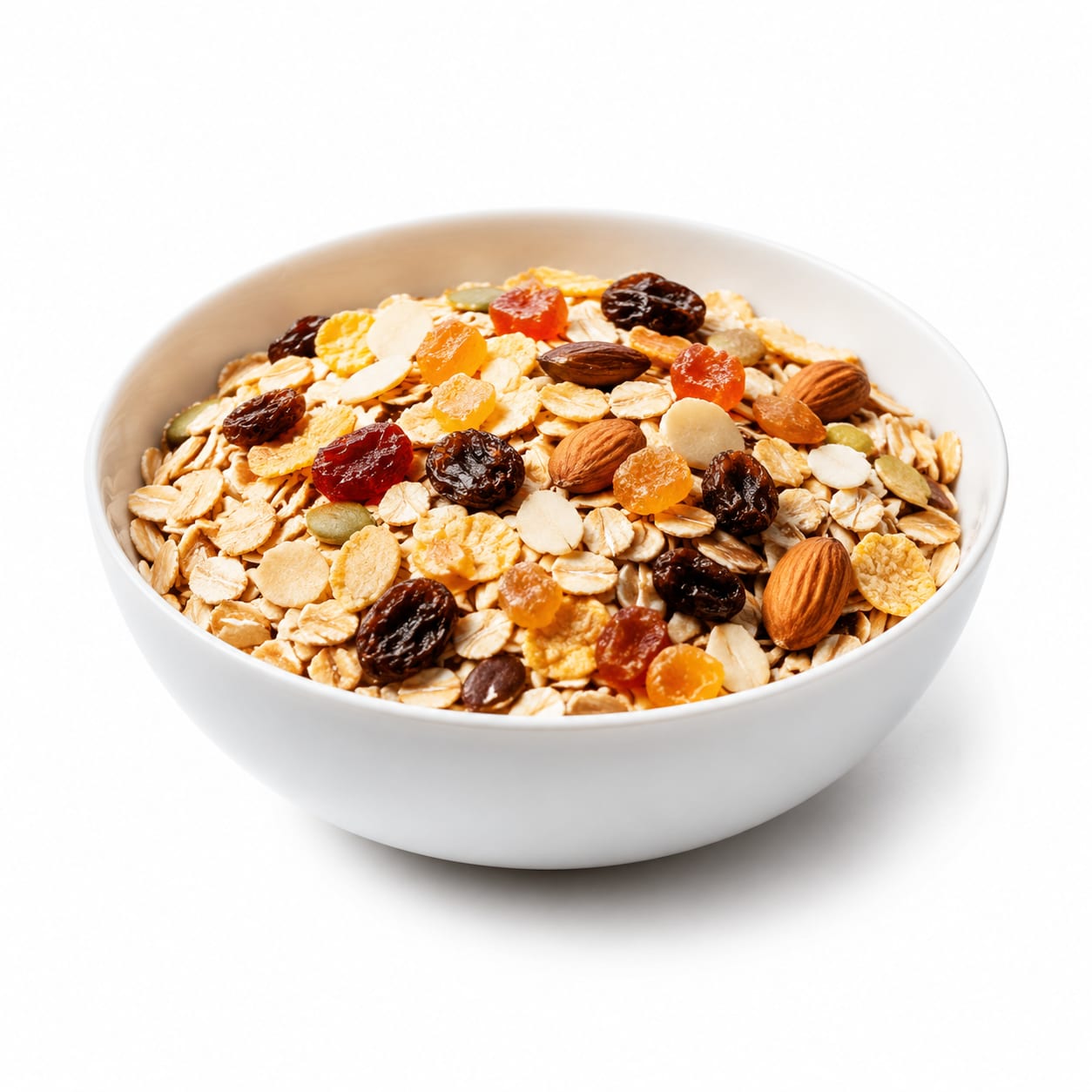
Muesli
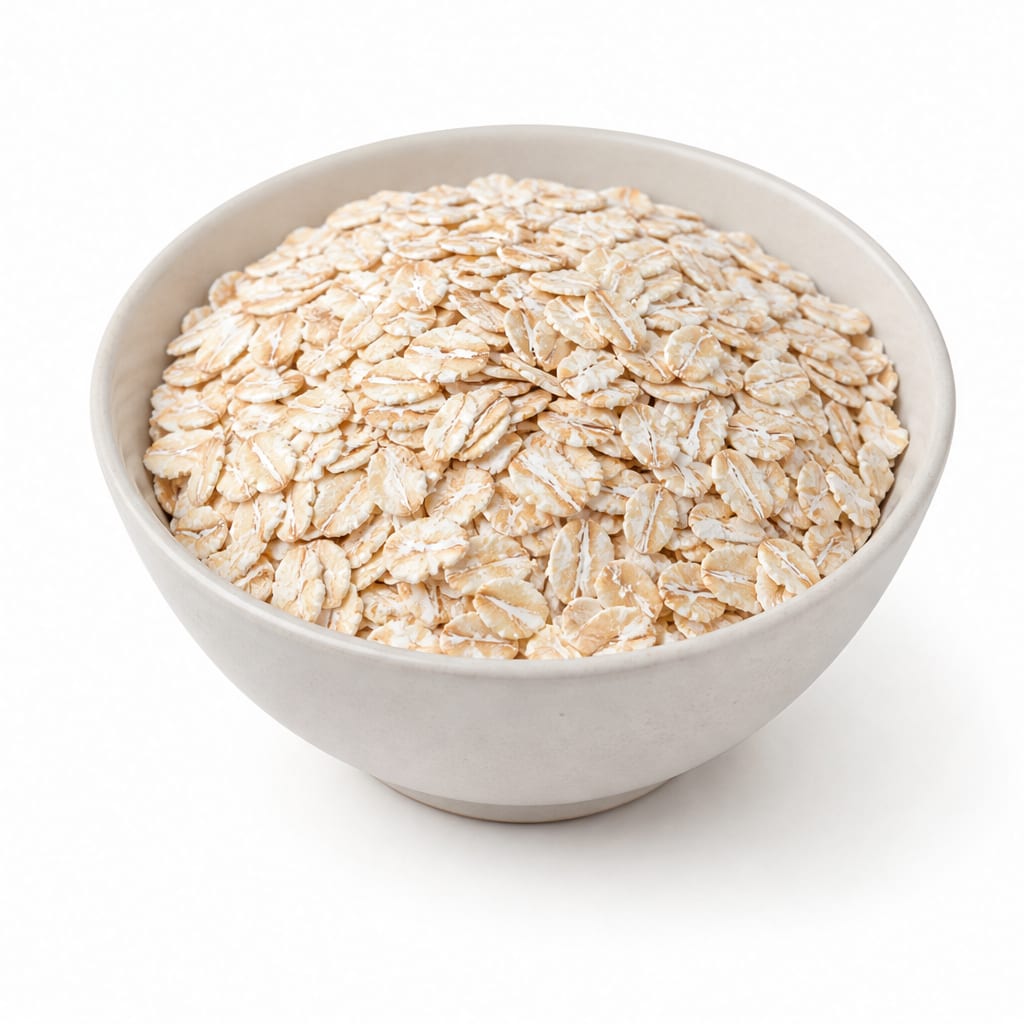
Barley Flakes
Barley flakes win for blood sugar control and simplicity, while muesli wins for nutritional variety and ready-to-eat convenience.
Muesli scores slightly higher for nutritional completeness and everyday enjoyment, but barley flakes are competitive due to superior blood sugar benefits. The close scores reflect that neither is universally better—your health goals determine the winner.
Muesli gives you a more interesting, nutrient-diverse bowl with healthy fats and natural sweetness, but barley flakes deliver superior blood sugar stability and lower calorie density per serving.
At a glance
Executive summary
Overall
It depends
Healthier
It depends
More practical
Muesli
Daily use
It depends
Key comparison lenses
blood sugar control and diabetes-friendliness
Barley flakes are exceptionally high in beta-glucan fiber, making this the most clinically meaningful difference between these two foods
breakfast sustainability and satisfaction
Both are common breakfast choices, so long-term enjoyment and satiety matter greatly for daily use
nutritional completeness versus simplicity
Muesli offers built-in variety with nuts, seeds, and dried fruit, while barley flakes are a single-ingredient food requiring additions
weight management and calorie density
Calorie and fat content differ meaningfully due to muesli's nuts and seeds
heart health and cholesterol management
Both foods support cardiovascular health but through different mechanisms
Best choice for
Muesli
- People who want a no-prep breakfast with built-in flavor and crunch
- Those seeking healthy fats from nuts and seeds without supplementing
- Anyone bored by plain grains who needs variety to stick with healthy habits
- Active individuals needing sustained energy from mixed macronutrients
Barley Flakes
- People managing diabetes or insulin resistance who need steady glucose
- Anyone counting calories who wants maximum fullness per calorie
- Those who prefer customizing their bowl with fresh toppings each day
- People focused on lowering cholesterol through soluble fiber
Least suitable for
Muesli
- People strictly monitoring calorie intake, as nuts and dried fruit add up quickly
- Those sensitive to sugar from dried fruits in some commercial muesli blends
- Anyone with nut allergies, unless using a nut-free variety
Barley Flakes
- People who find plain hot cereals boring and unlikely to eat consistently
- Those wanting a grab-and-go cold breakfast without cooking
- Anyone needing higher protein intake from their breakfast grain alone
Deep comparison
Dimension by dimension
Each lens scores both foods and breaks down who each option suits.
- Dimension 1 · Priority 95Barley Flakes
Blood Sugar Stability
Muesli · 62Barley Flakes · 91Barley flakes contain significantly more beta-glucan soluble fiber than the oats in muesli, creating a thicker gel in your gut that slows glucose absorption dramatically.
Tradeoff
Muesli's dried fruit can spike blood sugar faster, while barley flakes keep glucose remarkably steady but lack natural sweetness.
Why it matters
Steady blood sugar means no mid-morning energy crash and better hunger control until lunch.
Real-world impact
A barley flakes breakfast can keep you satisfied for 4-5 hours, while muesli with dried fruit might trigger hunger again within 3 hours for sensitive individuals.
Muesli
- Active mornings where some quick energy from dried fruit is actually helpful
Better for
- Sitting at a desk all morning with minimal calorie burn
Worse for
Barley Flakes
- Prediabetes or diabetes management
- PCOS-related insulin resistance
- Anyone prone to afternoon energy crashes
Better for
- Pre-workout breakfasts where faster-available energy supports performance
Worse for
- Dimension 2 · Priority 88Muesli
Nutritional Variety and Completeness
Muesli · 86Barley Flakes · 48Muesli combines multiple food groups in one bowl—whole grains, nuts, seeds, and dried fruit—while barley flakes are a single grain requiring you to add everything yourself.
Tradeoff
Muesli's variety comes with less control over proportions and higher calories, while barley flakes let you customize but demand more effort and planning.
Why it matters
Eating a wider variety of plant foods supports gut microbiome diversity and makes it easier to hit multiple nutrient targets at once.
Real-world impact
A bowl of muesli with milk can deliver protein, healthy fats, fiber, iron, magnesium, and vitamin E without any additions. Barley flakes alone are mostly carbohydrates and fiber.
Muesli
- Busy people who want a nutritionally complete meal without thinking
- Anyone struggling to eat enough nuts and seeds throughout the day
Better for
- Anyone easily overeating calorie-dense mix-ins
Worse for
Barley Flakes
- Control freaks who want to decide exactly what goes in their bowl
- People already getting plenty of healthy fats from other meals
Better for
- People unlikely to add nutritious toppings, ending up with a bare bowl
Worse for
- Dimension 3 · Priority 85Barley Flakes
Satiety and Fullness Per Calorie
Muesli · 68Barley Flakes · 84Barley flakes deliver more satiety per calorie thanks to their exceptional soluble fiber content, which expands in your stomach and slows digestion.
Tradeoff
Muesli is more filling in absolute terms due to fat and protein from nuts, but costs significantly more calories to achieve that fullness.
Why it matters
If you are watching portions, getting the most satisfaction from fewer calories helps prevent overeating later.
Real-world impact
A 250-calorie serving of barley flakes with milk feels as filling as a 350-calorie serving of muesli for most people.
Muesli
- Underweight individuals needing calorie-dense options
- Athletes in training who benefit from the extra energy
Better for
- Late-night snacking when calorie budget is tight
Worse for
Barley Flakes
- Weight loss diets where calorie efficiency matters
- Anyone who feels hungry again soon after breakfast
Better for
- Heavy training days when you actually need more calories
Worse for
- Dimension 4 · Priority 78It depends
Heart Health and Cholesterol
Muesli · 76Barley Flakes · 80Both foods support heart health but through different pathways. Barley flakes provide more cholesterol-lowering beta-glucan, while muesli delivers heart-healthy unsaturated fats from nuts and seeds.
Tradeoff
Barley flakes target LDL cholesterol more directly, but muesli's healthy fats improve the overall lipid profile including triglycerides.
Why it matters
Cardiovascular risk reduction benefits from both lower LDL and better triglyceride levels.
Real-world impact
Eating barley flakes daily for 4 weeks can lower LDL cholesterol by 5-10%. Muesli's nuts improve triglycerides and HDL over a similar period.
Muesli
- People with high triglycerides who benefit from omega-3s and unsaturated fats
- Those whose LDL is already managed but need better overall lipid balance
Better for
- Those on strict low-fat diets for gallbladder or digestive issues
Worse for
Barley Flakes
- Anyone with elevated LDL cholesterol as their primary concern
- People already getting healthy fats from other sources like olive oil and fish
Better for
- People who dislike the texture of very high-fiber foods and skip breakfast instead
Worse for
- Dimension 5 · Priority 80Muesli
Convenience and Enjoyment
Muesli · 82Barley Flakes · 55Muesli can be eaten cold with milk or yogurt straight from the box, while barley flakes typically require cooking and taste plain without additions.
Tradeoff
Muesli's convenience comes with less portion control and potential overconsumption, while barley flakes' simplicity requires more prep but gives you full control.
Why it matters
The healthiest breakfast is the one you actually eat consistently. Boredom or inconvenience kills adherence.
Real-world impact
On a rushed Tuesday morning, muesli takes 30 seconds. Barley flakes need 5-10 minutes of cooking plus time to add toppings for flavor.
Muesli
- Busy weekdays when cooking feels impossible
- People who enjoy crunchy textures and varied flavors
Better for
- Very hot mornings when a cold bowl sounds unappealing
Worse for
Barley Flakes
- Slow weekend mornings when warm cereal feels comforting
- Anyone who finds joy in customizing their breakfast ritual
Better for
- Commuters eating breakfast at their desk with no kitchen access
Worse for
- Dimension 6 · Priority 72It depends
Digestive Tolerance
Muesli · 65Barley Flakes · 70Barley flakes are gentler on most digestive systems due to their simpler ingredient profile, but their very high fiber can cause bloating if introduced too quickly.
Tradeoff
Muesli's nuts and seeds can irritate sensitive stomachs, while barley's intense soluble fiber can cause gas during adjustment periods.
Why it matters
A healthy breakfast that causes discomfort defeats its own purpose and reduces quality of life.
Real-world impact
Switching to barley flakes suddenly can cause a week of bloating before your gut adapts. Muesli is usually better tolerated from day one if you are used to fiber.
Muesli
- People already eating high-fiber diets who tolerate mixed foods well
- Those with constipation who benefit from the insoluble fiber in bran flakes often found in muesli
Better for
- Those with nut or seed sensitivities
- People with diverticulitis flares who should avoid seeds
Worse for
Barley Flakes
- People with IBS who do better with fewer ingredients
- Anyone healing from digestive issues who needs simple, predictable foods
Better for
- Anyone with gluten sensitivity or celiac disease, as barley contains gluten
Worse for
Timeline
Health impact over time
Short-term
Hours to days
Muesli
- Quick energy from dried fruit and oats within 30-60 minutes
- Comforting fullness from nuts and seeds that slows mid-morning snacking
- Possible blood sugar rise if the blend is fruit-heavy or contains added sweeteners
Barley Flakes
- Very stable energy with no crash, thanks to slow-digesting beta-glucan
- Gradual fullness that builds over the first hour after eating
- Possible bloating or gas if your body is not used to high soluble fiber intake
Long-term
Months to years
Muesli
- Better diet quality overall from consistent intake of nuts, seeds, and whole grains
- Potential weight gain if portions are not managed, as calorie density adds up
- Improved micronutrient status from the variety of plant foods
Barley Flakes
- Meaningful LDL cholesterol reduction with daily consumption over months
- Improved insulin sensitivity, especially valuable for metabolic syndrome
- Risk of monotony leading to breakfast skipping if not made interesting with toppings
Risk profile
Safety & processing
Both foods are minimally processed whole grain options. Traditional muesli contains simply rolled grains, nuts, seeds, and dried fruit with nothing artificial. Barley flakes are just flattened whole barley kernels. The main concern is commercial muesli brands that add sugar, oil, or preservatives—always check the ingredient list.
Muesli
Added sugars in commercial blends
mediumMany store-bought muesli brands add sugar, honey, or syrup. Check labels carefully, as sugar can reach 15-20g per serving in sweeter varieties.
Rancidity of nuts and seeds
lowThe healthy fats in muesli can go rancid if stored too long or in warm conditions. Buy smaller quantities and keep sealed in a cool place.
Sulfite sensitivity from dried fruit
lowSome dried fruits in muesli contain sulfites as preservatives, which can trigger reactions in sensitive individuals. Look for unsulfured varieties.
Barley Flakes
Gluten content
highBarley contains gluten and is unsafe for anyone with celiac disease or gluten sensitivity. This is the most important safety distinction between these two foods.
Fiber shock if introduced too quickly
lowSuddenly eating large amounts of barley's beta-glucan can cause significant bloating and gas. Increase portions gradually over 1-2 weeks.
Who wins for whom
Audience fit
Same foods, different winners depending on your goal.
children
MuesliKids prefer the sweeter taste and varied textures of muesli over plain barley flakes. The dried fruit and crunch make it feel like a treat rather than a health food.
daily consumption
It dependsMuesli is more enjoyable daily for most people due to variety, but barley flakes are better daily if you have blood sugar concerns. Choose based on your primary health goal.
diabetes
Barley FlakesBarley's exceptional beta-glucan content creates the most favorable blood sugar response of any common breakfast grain, making it a clinical standout for glucose management.
elderly
Barley FlakesBarley flakes cook into a soft, easy-to-chew cereal that is gentle on aging digestive systems. The cholesterol-lowering benefits are especially valuable for older adults.
muscle gain
MuesliMuesli provides more protein from nuts and seeds alongside the carbohydrates needed for training fuel. Adding milk or yogurt further boosts protein content.
weight loss
Barley FlakesBarley flakes deliver more satiety per calorie and have no calorie-dense mix-ins that are easy to overeat. You control exactly what goes in the bowl.
Your move
Decision guide
Choose Muesli
- You want a breakfast that feels like a treat, not a chore
- Blood sugar is not a concern for you, or you are very active
- You struggle to eat enough healthy fats, nuts, and seeds throughout the day
- Convenience matters more than perfect metabolic optimization
- You find plain cereals boring and are likely to skip breakfast without flavor variety
Choose Barley Flakes
- You have prediabetes, diabetes, or insulin resistance
- You are counting calories and want maximum fullness per calorie
- You enjoy customizing your bowl with fresh fruit, nuts, or spices each morning
- Your doctor recommended more soluble fiber for cholesterol management
- You have no gluten sensitivity and want the simplest, cleanest grain option
Either works if
- You simply want a whole grain breakfast and have no specific health conditions
- You rotate breakfasts anyway and could enjoy both on different days
- Your main goal is avoiding processed breakfast foods like sugary cereals or pastries
Avoid both if
- You have celiac disease or gluten sensitivity, as both typically contain gluten from oats or barley
- You are on a strict very-low-carb or ketogenic diet
- You have severe digestive conditions that require a low-fiber diet temporarily
Final recommendation
If blood sugar control is your priority, barley flakes are the clear winner and one of the best breakfast grains available. If you want a breakfast you will actually look forward to eating every day, muesli's variety and convenience make it the more sustainable choice. The smartest approach for many people: keep barley flakes for weekdays when metabolic stability matters most, and enjoy muesli on weekends when you want something more indulgent and interesting.
Practical
Consumer tips
- 1
Check muesli labels for added sugar—some brands pack 15g or more per serving. Look for varieties with under 6g of total sugar.
- 2
Store muesli in a cool, dark place and use within 2 months of opening to prevent nuts from going rancid.
- 3
If switching to barley flakes, start with half portions for the first week to let your digestive system adapt to the fiber increase.
- 4
Make barley flakes more exciting by adding cinnamon, fresh berries, a drizzle of honey, or a tablespoon of chopped nuts.
- 5
Both foods work well with milk, yogurt, or plant-based alternatives. Greek yogurt adds protein that neither grain provides alone.
- 6
Look for barley flakes labeled 'hulled' or 'hulless' rather than 'pearled'—hulled barley retains more fiber and nutrients.
- 7
If you have gluten sensitivity, neither food is safe in most cases. Look for certified gluten-free oat-based muesli instead.
- 8
Overnight muesli soaked in yogurt or milk develops a creamier texture and may be easier to digest than eating it dry.