
Nutrition comparison
Medlar vs Quince: Nutrition, Health Benefits, and Which Heritage Fruit to Choose
Compare Medlar and Quince side by side. Learn which traditional fruit offers better nutrition, easier preparation, and stronger health benefits for your needs.
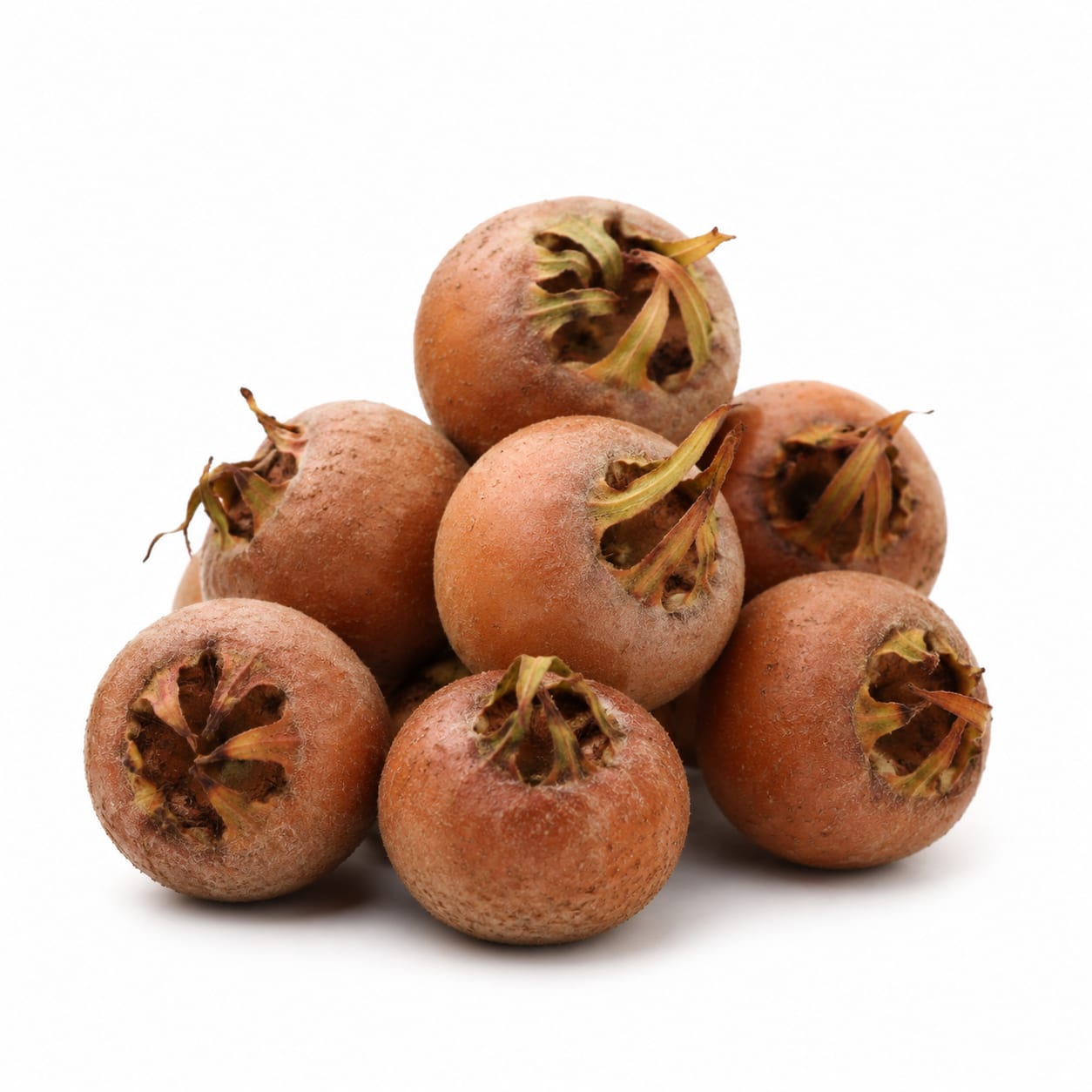
Medlar
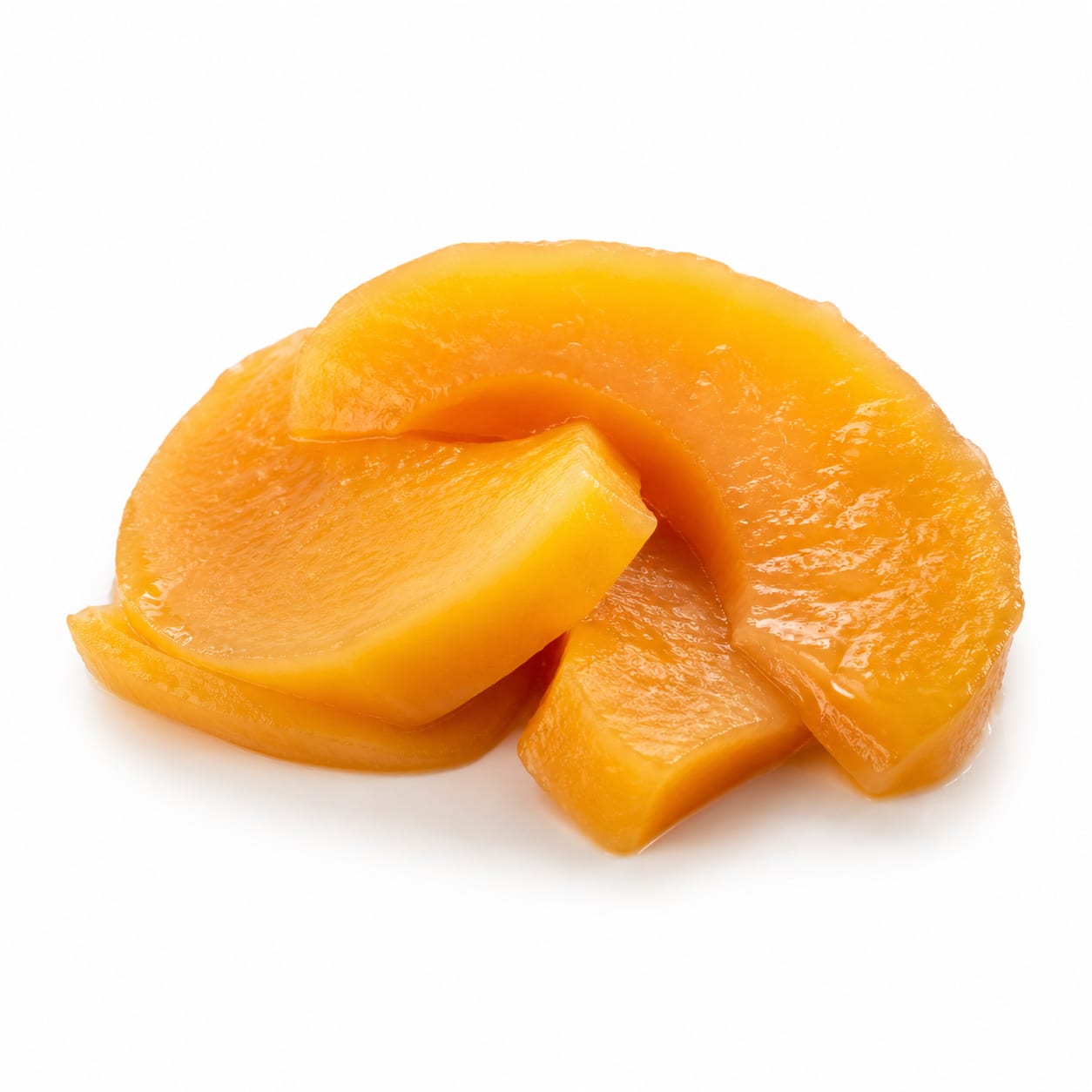
Quince
Quince offers more versatility and stronger medicinal reputation, while Medlar provides a unique ready-to-eat experience when bletted that Quince cannot match raw.
Quince edges ahead due to greater culinary versatility, stronger evidence for anti-inflammatory benefits, and longer storage life. Medlar scores well for unique eating experience and lower preparation effort once bletted, but its narrow use cases limit overall utility.
Quince requires cooking but rewards you with aromatic preserves and stronger anti-inflammatory properties; Medlar demands patience for bletting but delivers a custard-like treat needing no cooking.
At a glance
Executive summary
Overall
It depends
Healthier
Quince
More practical
It depends
Daily use
Quince
Key comparison lenses
Traditional fruit comparison for health-conscious consumers
Both are heritage fruits rarely found in supermarkets, often compared by foragers and gardeners
Digestive and gut health benefits
Both fruits have long histories of use for digestive complaints and contain significant pectin
Practical eatability and preparation effort
Neither fruit is commonly eaten raw without special preparation, making convenience a key decision factor
Antioxidant and anti-inflammatory potential
Both contain notable phenolic compounds but differ in profile and concentration
Blood sugar management suitability
Both are low-sugar fruits relevant for glycemic control decisions
Best choice for
Medlar
- People seeking a soft, spoonable fruit without cooking
- Foragers wanting low-effort preparation after bletting
- Anyone with sore throats or mild digestive upset needing soothing texture
- Gardeners in temperate climates wanting a low-maintenance fruit tree
Quince
- Home cooks who enjoy making jams, pastes, and preserves
- People prioritizing anti-inflammatory and antioxidant intake
- Those wanting a versatile ingredient for both sweet and savory dishes
- Households looking for long-lasting fruit that stores for months
Least suitable for
Medlar
- Impatient eaters unwilling to wait for bletting
- Anyone wanting a versatile cooking ingredient
- People who dislike soft, browned fruit textures
Quince
- People wanting grab-and-go raw fruit snacks
- Those without cooking facilities or time to prepare
- Anyone sensitive to astringent flavors even after cooking
Deep comparison
Dimension by dimension
Each lens scores both foods and breaks down who each option suits.
- Dimension 1 · Priority 85Quince
Nutritional Density
Medlar · 55Quince · 68Quince provides more vitamin C, potassium, and antioxidant phenolics per serving than Medlar.
Tradeoff
Medlar offers slightly more digestible simple sugars when bletted, making its calories more immediately accessible, but Quince delivers more micronutrients overall.
Why it matters
If you are eating a heritage fruit partly for its health benefits, Quince gives you more vitamins and minerals per bite.
Real-world impact
A serving of cooked Quince covers more of your daily vitamin C needs and contributes meaningfully to potassium intake, while Medlar feels more like a light treat than a nutrient source.
Medlar
- Quick energy from easily absorbed sugars after bletting
Better for
- Lower overall vitamin and mineral content
- Nutrient profile less studied and documented
Worse for
Quince
- Vitamin C retention even after cooking
- Higher mineral content especially potassium
- More diverse phenolic compounds
Better for
- Vitamin C partially degraded by cooking required for consumption
Worse for
- Dimension 2 · Priority 88Quince
Digestive Health Support
Medlar · 65Quince · 78Both fruits are rich in pectin and traditionally used for digestive complaints, but Quince has a stronger documented history for treating gastrointestinal issues.
Tradeoff
Medlar's soft bletted texture is gentler on an already irritated stomach, while Quince's astringent properties help tone and tighten inflamed gut tissue when prepared correctly.
Why it matters
For anyone choosing between these for gut health, the mechanism matters: soothing versus toning.
Real-world impact
Quince syrup and tea are still used in Mediterranean cultures for upset stomach and diarrhea. Medlar works more like a gentle, easy-to-digest comfort food when your stomach is sensitive.
Medlar
- Soothing soft texture for inflamed or sensitive stomachs
- Less astringent when bletted, reducing irritation risk
Better for
- Less pectin than Quince for prebiotic and stool-bulking effects
Worse for
Quince
- Higher pectin content for stool formation and gut regularity
- Traditional use for diarrhea and dysentery backed by cultural practice
- Astringent tannins help reduce gut inflammation
Better for
- Astringency can be harsh on very sensitive stomachs if undercooked
Worse for
- Dimension 3 · Priority 75Medlar
Preparation Convenience
Medlar · 60Quince · 40Medlar requires only patience for bletting, then eats like a soft fruit. Quince demands peeling, coring, and extended cooking every time.
Tradeoff
Medlar's bletting process takes 1-2 weeks but is passive. Quince's cooking takes 30-60 minutes per use but is active work.
Why it matters
Your willingness to cook determines how often you will actually eat these fruits.
Real-world impact
Once bletted, you can scoop Medlar straight from the skin with a spoon. Quince always requires a cutting board, peeler, and stove before it becomes edible.
Medlar
- No cooking required after bletting
- Can be eaten directly once soft
- Passive preparation that needs no active kitchen time
Better for
- Bletting takes 1-2 weeks and cannot be rushed
- Fruit looks unappealingly brown when ready to eat
Worse for
Quince
- Can be prepared in bulk and stored as preserves
- Long shelf life means fewer preparation sessions needed overall
Better for
- Every use requires peeling, coring, and cooking
- Hard raw fruit is genuinely inedible and unpleasantly astringent
Worse for
- Dimension 4 · Priority 80Quince
Culinary Versatility
Medlar · 35Quince · 82Quince transforms into jams, jellies, pastes, stews, desserts, and even savory meat dishes. Medlar is essentially eaten as-is or occasionally made into jelly.
Tradeoff
Quince demands more skill but rewards with dramatically more recipe options. Medlar is a one-trick fruit that does its trick well.
Why it matters
If you want a fruit that justifies its tree space with year-round recipe potential, Quince wins decisively.
Real-world impact
Quince paste pairs with cheese boards, quince jelly fills pastries, poached quince becomes dessert, and quince added to tagines creates savory depth. Medlar is eaten with a spoon or occasionally turned into jelly.
Medlar
- Simple eating experience needs no recipe knowledge
Better for
- Very limited recipe repertoire
- Does not hold shape when cooked
- Rarely appears in published recipes
Worse for
Quince
- Works in sweet and savory dishes
- Makes exceptional preserves due to high pectin
- Pairs well with meats, cheeses, and spices
- Can be roasted, poached, baked, or stewed
Better for
- Requires cooking knowledge to use well
- Cannot be used as a quick raw snack
Worse for
- Dimension 5 · Priority 78Quince
Antioxidant and Anti-inflammatory Potential
Medlar · 52Quince · 74Quince contains higher levels of phenolic compounds and flavonoids with documented anti-inflammatory activity. Medlar has antioxidants but less research backing.
Tradeoff
Quince's stronger antioxidant profile comes with more astringency from those same tannins. Medlar is milder but less protective.
Why it matters
For chronic inflammation concerns, Quince offers more biologically active compounds per serving.
Real-world impact
Regular consumption of Quince products has been associated with reduced inflammatory markers in small studies. Medlar likely helps too, but the evidence base is thinner.
Medlar
- Still contains meaningful antioxidants
- Lower tannin load means less digestive astringency
Better for
- Less scientific research on specific health outcomes
- Lower concentration of protective compounds
Worse for
Quince
- Higher total phenolic content
- Documented anti-inflammatory effects in research
- Quince seed mucilage used traditionally for throat and gut inflammation
- Flavonoid profile more diverse and studied
Better for
- Astringent tannins that provide benefit can also cause mouth dryness
Worse for
- Dimension 6 · Priority 72It depends
Blood Sugar Impact
Medlar · 70Quince · 72Both are low-sugar fruits with high fiber content that support steady blood sugar. Quince's higher pectin gives a slight edge for glycemic control.
Tradeoff
Medlar's bletted sugars are more immediately available, which could raise blood sugar faster. Quince's cooking requirement and higher pectin slow sugar absorption more effectively.
Why it matters
For diabetes management, the slower-release carbohydrates in Quince are preferable, but the difference is modest.
Real-world impact
Neither fruit will cause a blood sugar spike. Quince preserves without added sugar are particularly diabetes-friendly. Bletted Medlar eaten alone is still gentler on blood sugar than most common fruits.
Medlar
- Low total sugar content even when fully bletted
- Natural sweetness satisfies cravings without much glucose load
Better for
- Bletting converts some starches to free sugars that absorb faster
Worse for
Quince
- Higher pectin slows carbohydrate absorption
- Often consumed in cooked forms that further reduce glycemic impact
- Less free sugar available per serving
Better for
- Common preparations add sugar, negating the natural advantage
Worse for
- Dimension 7 · Priority 65Quince
Storage and Availability
Medlar · 50Quince · 75Quince stores for months in cool conditions and is more commonly available at farmers markets. Medlar has a narrow harvest window and brief bletted shelf life.
Tradeoff
Quince's hardness is a storage advantage but an eating disadvantage. Medlar's softness makes it perishable once ready.
Why it matters
If you grow one tree, Quince provides fruit further into winter with less waste.
Real-world impact
A box of Quince can sit in a cool pantry for 2-3 months. Bletted Medlar lasts only days before spoiling and must be eaten promptly.
Medlar
- No special storage needed before bletting
- Fruit can hang on tree late into season
Better for
- Very short window once bletted before spoilage
- Rarely available commercially
- Cannot be stored long-term once ready to eat
Worse for
Quince
- Raw fruit stores for months in cool conditions
- More commonly found at specialty markets
- Preserves extend shelf life to years
- Strong aroma perfumes storage areas pleasantly
Better for
- Requires cool storage space for best keeping
- Aroma can overpower other stored foods
Worse for
Timeline
Health impact over time
Short-term
Hours to days
Medlar
- Soothing effect on throat and stomach from soft bletted texture
- Mild laxative effect from fiber content if eaten in quantity
- Quick but gentle energy from accessible natural sugars
Quince
- Noticeable astringency that dries and tones mouth and gut tissues
- Relief from mild diarrhea due to tannin and pectin content
- Satisfying fullness from high fiber content even in small portions
Long-term
Months to years
Medlar
- Modest antioxidant intake supporting cellular protection
- Regular gentle fiber supporting digestive regularity
- Low calorie intake supporting weight maintenance when used as snack
Quince
- Stronger anti-inflammatory effects from regular phenolic compound intake
- Pectin supporting healthy gut microbiome diversity over time
- Potential cardiovascular benefits from potassium and fiber combined
- Traditional use suggests respiratory and urinary tract support
Risk profile
Safety & processing
Both fruits are consumed essentially in their natural state. Medlar requires only time for bletting. Quince requires cooking but no additives. The main concern is added sugar in Quince preserves, which is optional and under your control.
Medlar
Mold during bletting
mediumBletting creates moist conditions ideal for mold. Inspect fruit carefully and discard any with visible mold beyond the skin surface.
Tannin irritation from unripe fruit
lowEating Medlar before full bletting causes unpleasant astringency and mild stomach upset due to concentrated tannins.
Seed toxicity
lowLike many stone fruits, Medlar seeds contain small amounts of cyanogenic compounds. Avoid chewing seeds; swallowing whole is low risk.
Quince
Seed toxicity
mediumQuince seeds contain amygdalin which releases cyanide when crushed. Avoid consuming large quantities of crushed seeds. Whole seeds in tea are traditional and lower risk.
Choking hazard from raw fruit
lowRaw Quince is extremely hard and astringent. Attempting to bite into it could damage teeth or pose a choking risk, though most people find it too unpleasant to eat raw anyway.
Added sugar in commercial preserves
lowStore-bought quince paste and jelly often contain high added sugar. Homemade versions allow sugar control.
Who wins for whom
Audience fit
Same foods, different winners depending on your goal.
children
MedlarBletted Medlar has a soft, sweet, applesauce-like texture that children find more approachable than Quince's firm cooked flesh or astringent notes.
daily consumption
QuinceQuince's versatility across meals and longer storage life makes it more practical to keep and use regularly, even though daily consumption of either is uncommon.
diabetes
QuinceQuince's higher pectin slows glucose absorption more effectively, and sugar-free Quince preparations offer satisfying sweetness with lower glycemic impact.
elderly
MedlarMedlar's soft custard texture requires no chewing effort and is gentle on sensitive digestive systems. Quince must be cooked soft to match this accessibility.
muscle gain
It dependsNeither fruit is relevant for muscle gain. Both provide minimal protein and are better used as flavor additions to protein-rich meals.
weight loss
QuinceQuince's higher fiber and pectin content creates more fullness per calorie, and its requirement for cooking naturally slows consumption speed.
Your move
Decision guide
Choose Medlar
- You want a unique fruit experience that requires no cooking
- You have a sensitive stomach and need gentle, soothing foods
- You enjoy foraging or growing heritage fruits with minimal kitchen effort
- You are looking for a soft-textured fruit for elderly or young eaters
Choose Quince
- You enjoy cooking and want a versatile ingredient for preserves, desserts, and savory dishes
- Anti-inflammatory and antioxidant intake is a priority
- You want fruit that stores well through winter months
- You appreciate aromatic fruits that fill the kitchen with fragrance
Either works if
- You want a low-sugar fruit that supports digestive health
- You are interested in heritage and traditional foods
- You have space for a fruit tree and want something unusual
Avoid both if
- You need readily available fruit from any grocery store
- You want high-protein or calorie-dense food for fueling
- You dislike fruits that require special preparation or patience
Final recommendation
Grow Quince if you cook regularly and value versatility, storage, and stronger health benefits. Grow Medlar if you prefer a simpler eating experience and want a conversation-starting fruit that asks nothing but patience. Both deserve more attention than they receive, and neither will disappoint the right person.
Practical
Consumer tips
- 1
Let Medlar blett at room temperature in a single layer, checking daily. Fruit is ready when flesh yields like ripe avocado.
- 2
Do not refrigerate Medlar before bletting, as cold stalls the softening process.
- 3
Poach Quince in honey and water with cinnamon and star anise for a simple, aromatic dessert that fills your home with incredible fragrance.
- 4
Quince pairs beautifully with hard cheeses. A slice of membrillo (quince paste) on Manchego is a classic Spanish combination worth trying.
- 5
Both fruits make excellent low-sugar jellies due to their high natural pectin content. No commercial pectin needed.
- 6
If growing either tree, Quince is generally more productive and disease-resistant in most temperate climates.
- 7
Quince seeds soaked in water produce a soothing mucilage gel traditionally used for coughs and sore throats. Use sparingly and do not crush seeds.