
Nutrition comparison
Medlar vs Plum: Nutrition, Taste, and Health Benefits Compared
Comparing medlar and plum fruit: which is healthier, easier to find, and better for digestion? Full nutritional breakdown, taste comparison, and practical recommendations.
Overall winner · Plum
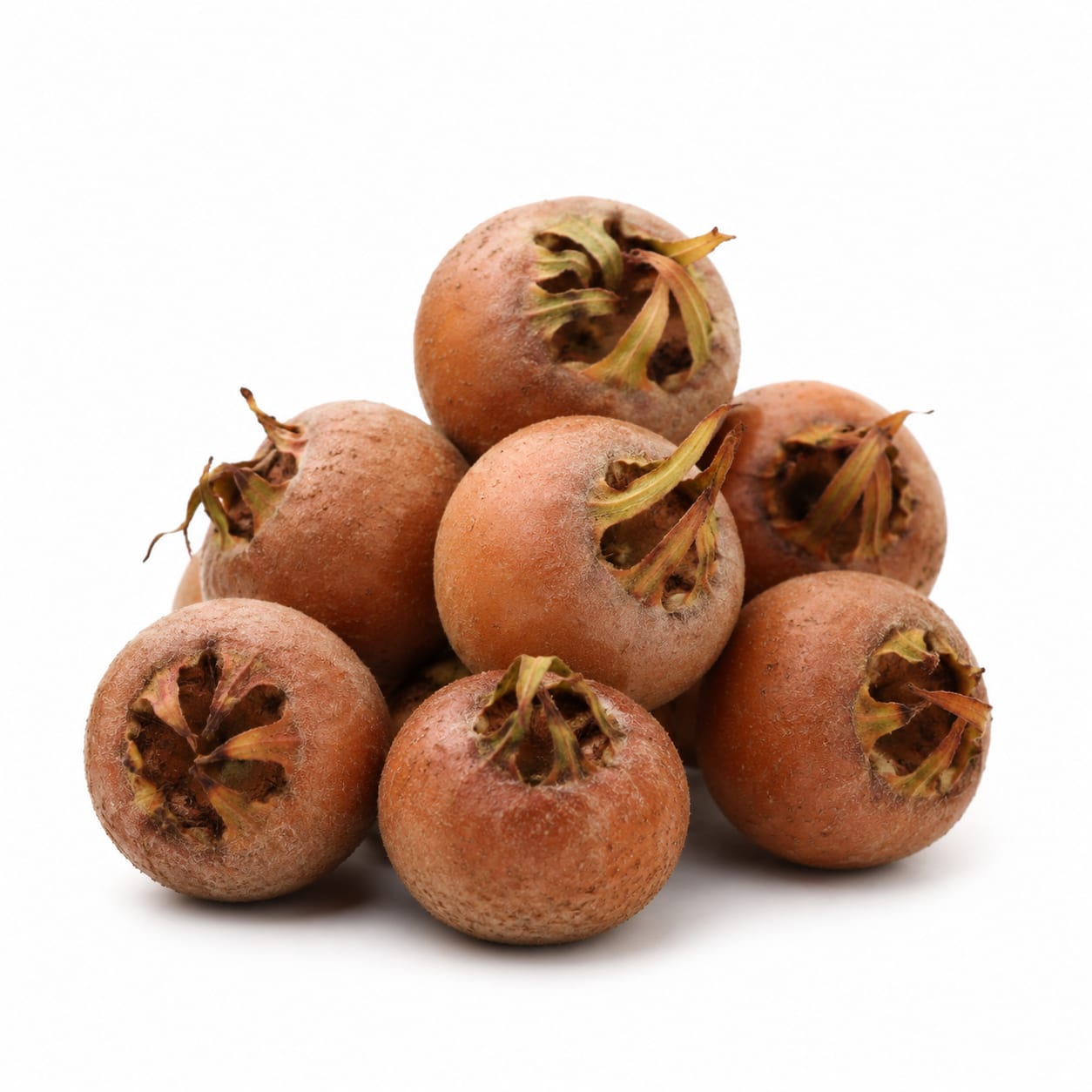
Medlar
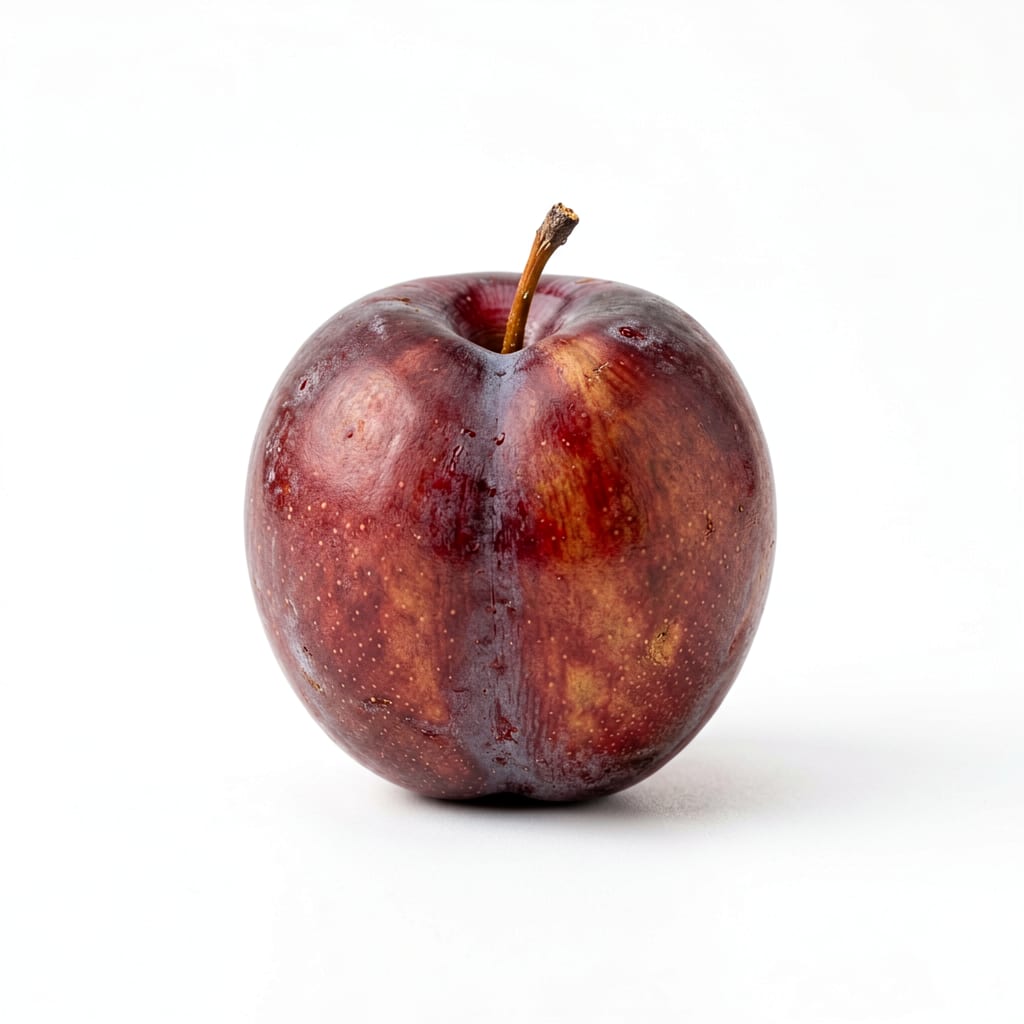
Plum
Plums win on practicality, availability, and overall nutritional breadth, while medlars offer a unique eating experience and slightly more vitamin C per serving.
Plums score significantly higher due to broader availability, stronger evidence base for health benefits, and everyday practicality. Medlars are nutritionally respectable but hampered by scarcity, unfamiliarity, and the extra preparation step of bletting.
Medlars are a fascinating seasonal novelty with strong vitamin C content, but plums are far more accessible, versatile, and consistently beneficial for daily health.
At a glance
Executive summary
Overall
Plum
Healthier
Plum
More practical
Plum
Daily use
Plum
Key comparison lenses
practical availability and ease of use
Medlar is obscure and requires bletting; plums are ubiquitous and ready-to-eat, so convenience heavily skews real-world choices
nutritional density comparison
Users comparing two fruits want to know which delivers more vitamins, minerals, and antioxidants per bite
digestive health benefits
Both fruits have notable fiber and traditional digestive uses, making gut health a key decision factor
antioxidant and anti inflammatory value
Plums are rich in anthocyanins while medlars offer different polyphenols, making this a meaningful differentiator
blood sugar and weight management
Both are relatively low-calorie fruits, but sugar content and glycemic impact differ enough to matter for dieters
Best choice for
Medlar
- Culinary adventurers seeking rare heritage fruits
- Home gardeners growing their own fruit trees
- People wanting peak vitamin C from a seasonal treat
- Those who enjoy slow, mindful eating rituals
Plum
- Everyday snackers wanting reliable nutrition
- People managing digestion issues who need gentle fiber
- Budget-conscious shoppers seeking affordable fruit
- Anyone meal-prepping or cooking with fruit regularly
Least suitable for
Medlar
- People who need convenient grab-and-go fruit
- Anyone unfamiliar with bletting or patient ripening processes
- Shoppers relying on standard supermarkets
- Those wanting consistent year-round availability
Plum
- People with sorbitol sensitivity or IBS triggers
- Anyone avoiding even moderate sugar intake
- Individuals allergic to stone fruits
Deep comparison
Dimension by dimension
Each lens scores both foods and breaks down who each option suits.
- Dimension 1 · Priority 88Plum
vitamin_and_mineral_density
Medlar · 62Plum · 74Medlars edge ahead on vitamin C, but plums deliver a wider spectrum including vitamin K, potassium, and vitamin A that medlars lack.
Tradeoff
You get more of one vitamin with medlars but a more complete micronutrient profile with plums.
Why it matters
A broader vitamin spread supports more body systems simultaneously — bones, immunity, blood pressure — rather than optimizing just one.
Real-world impact
Eating plums regularly contributes to multiple nutritional needs at once, while medlars are more of a vitamin C specialist.
Medlar
- Boosting vitamin C intake during cold season
- Adding variety to a monotonous fruit rotation
Better for
- Relying on it as a sole fruit for broad micronutrient coverage
Worse for
Plum
- Covering multiple vitamin and mineral gaps with one fruit
- Supporting bone health through vitamin K
- Maintaining healthy blood pressure with potassium
Better for
- Maximizing vitamin C specifically compared to medlars
Worse for
- Dimension 2 · Priority 82Plum
digestive_health_and_fiber
Medlar · 58Plum · 79Plums are famous for digestive regularity thanks to sorbitol and soluble fiber, while medlars offer moderate fiber without the laxative reputation.
Tradeoff
Plums actively help move things along; medlars are gentler and less likely to cause urgency.
Why it matters
For anyone with sluggish digestion, plums are a proven natural remedy. Medlars support digestion mildly without the bathroom urgency some people experience with plums.
Real-world impact
A plum a day can meaningfully improve regularity. Medlars contribute fiber but won't dramatically change your bathroom habits.
Medlar
- People with sensitive digestion who find plums too aggressive
- Those wanting fiber without sorbitol-related bloating
Better for
- Actively resolving constipation issues
Worse for
Plum
- Anyone dealing with occasional constipation
- Older adults needing gentle, reliable digestive support
- Post-surgery recovery when bowel regularity matters
Better for
- People with IBS who react to sorbitol
- Those prone to diarrhea or loose stools
Worse for
- Dimension 3 · Priority 75Plum
antioxidant_and_anti_inflammatory_value
Medlar · 60Plum · 77Dark-skinned plums are rich in anthocyanins and chlorogenic acid, both well-studied for inflammation reduction. Medlars contain polyphenols but with less research backing.
Tradeoff
Plums have proven antioxidant firepower; medlars have interesting compounds that simply haven't been studied as thoroughly.
Why it matters
When fighting chronic inflammation, evidence-based choices matter. Plums deliver compounds with documented anti-inflammatory effects.
Real-world impact
Regular plum consumption is linked to reduced inflammatory markers in studies. Medlars likely help too, but the evidence is thinner.
Medlar
- Dietary diversity — different polyphenols complement other fruits
Better for
- Relying on it as a primary anti-inflammatory food
Worse for
Plum
- Targeting inflammation with well-researched anthocyanins
- Supporting cardiovascular health through chlorogenic acid
- Adding proven antioxidants to a longevity-focused diet
Better for
- Those seeking novel or less common antioxidant sources
Worse for
- Dimension 4 · Priority 90Plum
availability_and_ease_of_use
Medlar · 25Plum · 92Plums are available in nearly every grocery store for much of the year. Medlars are specialty items requiring bletting — a slow softening process — before they're edible.
Tradeoff
Plums are grab-and-go; medlars demand patience, planning, and often a specialty supplier.
Why it matters
The healthiest fruit is the one you actually eat. Availability and ease of preparation directly impact consistency.
Real-world impact
You can buy and eat a plum today. Finding medlars might require farmers markets, specialty orchards, or growing your own tree — and then waiting days for bletting.
Medlar
- Home gardeners with medlar trees who enjoy the process
- Culinary enthusiasts who value rare ingredients and ritual
Better for
- Spontaneous snacking
- Consistent daily fruit intake
- Anyone without specialty market access
Worse for
Plum
- Busy people who need fruit ready now
- Anyone shopping at regular stores
- Meal-preppers and lunch-packers
- Parents needing quick snacks for kids
Better for
- Those bored with common fruits seeking novelty
Worse for
- Dimension 5 · Priority 72It depends
blood_sugar_and_weight_management
Medlar · 68Plum · 70Both fruits are relatively low in calories and have moderate sugar content. Plums have a low glycemic index around 40; medlars are comparable but with less precise data available.
Tradeoff
Neither fruit is a blood sugar concern for most people, but plums have more reliable glycemic data while medlars may have slightly less sugar per serving.
Why it matters
For diabetics and weight-conscious eaters, predictable blood sugar impact matters more than small differences.
Real-world impact
Both are safe choices for most people watching blood sugar. Plums offer more certainty because they've been studied more thoroughly.
Medlar
- Those wanting slightly lower sugar fruit options
- People who eat smaller quantities due to medlar's intense flavor
Better for
- Needing precise carb counts for insulin dosing
Worse for
Plum
- Diabetics who want well-documented glycemic index values
- Anyone tracking carbohydrates precisely
Better for
- Overeating because plums are easy to consume in quantity
Worse for
- Dimension 6 · Priority 70Plum
culinary_versatility
Medlar · 45Plum · 82Plums work fresh, baked, grilled, jammed, dried, or sauced. Medlars are primarily enjoyed bletted raw or made into preserves and cheese-like pastes.
Tradeoff
Plums adapt to nearly any dish; medlars have a narrower but more distinctive culinary range.
Why it matters
Versatility means you're more likely to use the fruit in multiple meals, reducing waste and increasing intake.
Real-world impact
Plums can go in your morning oatmeal, afternoon salad, and evening dessert. Medlars are more of a standalone experience or specialty preserve.
Medlar
- Making unique medlar cheese or jelly as a gourmet project
- Impressing guests with an unusual heritage ingredient
Better for
- Quick everyday cooking and meal integration
Worse for
Plum
- Baking into tarts, crisps, and cakes
- Adding fresh slices to salads and yogurt
- Making homemade jam or chutney
- Grilling as a savory-sweet side dish
Better for
- Creating truly unique or conversation-starting dishes
Worse for
Timeline
Health impact over time
Short-term
Hours to days
Medlar
- Moderate blood sugar rise with a gentle curve
- Mild digestive support from fiber without urgency
- Satisfying sweet-spiced flavor that discourages overeating
Plum
- Noticeable digestive stimulation within hours for sensitive individuals
- Quick natural energy from easily absorbed natural sugars
- Hydration boost from high water content
Long-term
Months to years
Medlar
- Consistent vitamin C intake supporting immune resilience
- Polyphenol contribution to overall dietary diversity
- Minimal risk of overconsumption due to limited availability
Plum
- Improved bowel regularity and gut health over weeks and months
- Reduced inflammatory markers from regular anthocyanin intake
- Better bone density support from vitamin K with consistent consumption
- Potential cardiovascular benefits from potassium and antioxidants
Risk profile
Safety & processing
Both fruits are whole, unprocessed foods when eaten fresh. Medlars require no processing beyond natural bletting. Plums are equally natural, though dried plums (prunes) sometimes contain preservatives — check labels if buying dried.
Medlar
Improper bletting leading to unpalatable astringency
lowEating medlars before full bletting won't harm you but causes an extremely unpleasant mouth-puckering experience from tannins.
Mold during bletting process
mediumThe slow softening process can invite mold if stored in overly humid conditions. Inspect carefully before eating and discard any with visible mold.
Pesticide residue on conventionally grown fruit
lowLimited data specific to medlars, but as a tree fruit, assume similar residue profiles to other orchard fruits if conventionally grown.
Plum
Pesticide residue on conventionally grown plums
mediumPlums frequently appear on expanded pesticide watch lists. Washing thoroughly or choosing organic reduces exposure significantly.
Sorbitol-induced digestive distress
lowFor most people this is a benefit, but those with IBS or sorbitol malabsorption can experience significant bloating, gas, or diarrhea from even a few plums.
Stone fruit allergy
lowBirch pollen allergy sufferers may experience oral allergy syndrome with fresh plums — itching or swelling in the mouth and throat.
Who wins for whom
Audience fit
Same foods, different winners depending on your goal.
children
PlumPlums are sweet, familiar, easy to eat, and kid-friendly. Medlars require an acquired taste and unusual preparation that most children won't appreciate.
daily consumption
PlumPlums are available, affordable, and easy to integrate into daily routines. Medlars are seasonal, scarce, and require planning — fine for occasional enjoyment but not daily reliance.
diabetes
PlumPlums have a well-documented low glycemic index around 40, making them a safer choice for blood sugar management. Medlar data is less precise.
elderly
PlumPlums support the two things older adults need most: digestive regularity and bone density. Their soft texture when ripe is also easy on aging teeth.
muscle gain
It dependsNeither fruit is a muscle-building food. Both provide marginal post-workout carbs, but you'd need protein from other sources regardless.
weight loss
PlumPlums are lower in calories per easy-to-eat serving and their fiber helps with fullness. Medlars are also low-calorie but the difficulty of obtaining them makes consistent weight-loss use impractical.
Your move
Decision guide
Choose Medlar
- You grow medlars or have access to a specialty source
- You value rare heritage foods and culinary exploration
- You want a vitamin C boost from something unusual
- You enjoy slow food rituals and patient preparation
Choose Plum
- You want reliable, affordable, everyday fruit nutrition
- Digestive regularity is a priority for you
- You need versatile fruit for cooking, baking, and snacking
- You're feeding a family and need kid-friendly options
- You want well-studied health benefits with clear evidence
Either works if
- You simply want a low-calorie sweet treat
- You're looking for whole-food antioxidants
- You enjoy seasonal eating and variety
Avoid both if
- You have severe fructose intolerance
- You're on a strict very-low-carb ketogenic diet
- You have known stone fruit or birch pollen allergies (for plums)
Final recommendation
Make plums your everyday fruit — they're practical, proven, and versatile. Seek out medlars as an occasional adventure when you find them; they're a delightful experience but not a reliable nutritional staple. The best approach is enjoying plums consistently and medlars when the season and opportunity align.
Practical
Consumer tips
- 1
Choose organic plums when possible to reduce pesticide exposure, especially if eating the skin
- 2
When bletting medlars, store them stem-end down in a cool, dry place and check daily — they're ready when soft like a ripe pear
- 3
Don't judge plums solely by appearance — some varieties look dull but taste incredible
- 4
Freeze sliced plums for smoothies — they add natural sweetness and a creamy texture
- 5
If you find medlars at a farmers market, ask the vendor for bletting tips specific to their variety
- 6
Dried plums (prunes) offer concentrated benefits but much higher sugar density — stick to fresh for snacking