
Nutrition comparison
Medlar vs Persimmon: Nutrition, Sugar, and Which Rare Fruit Wins
Compare medlar and persimmon nutrition, sugar content, health benefits, and practicality. Discover which autumn fruit is better for your health goals and where to find them.
Overall winner · Persimmon
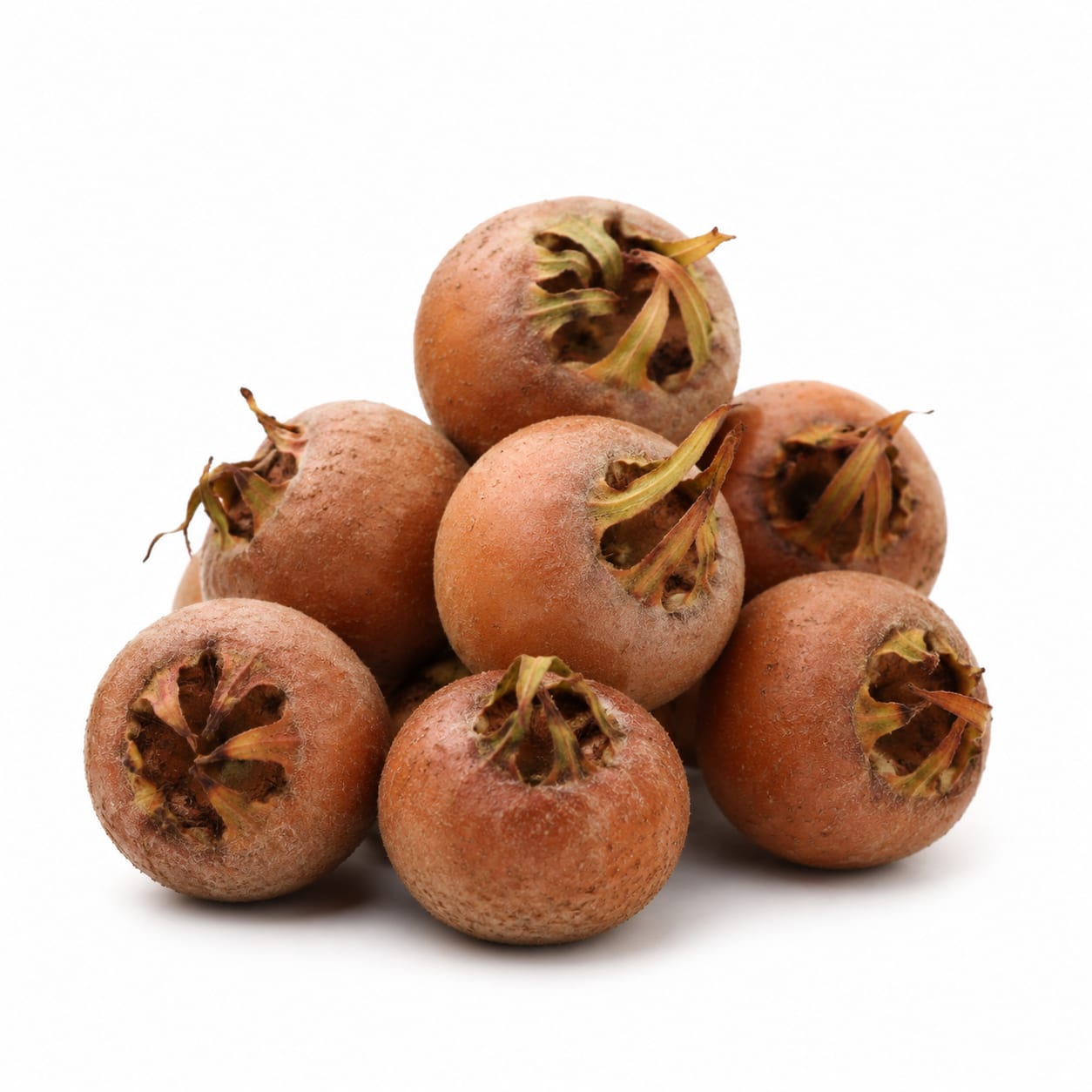
Medlar
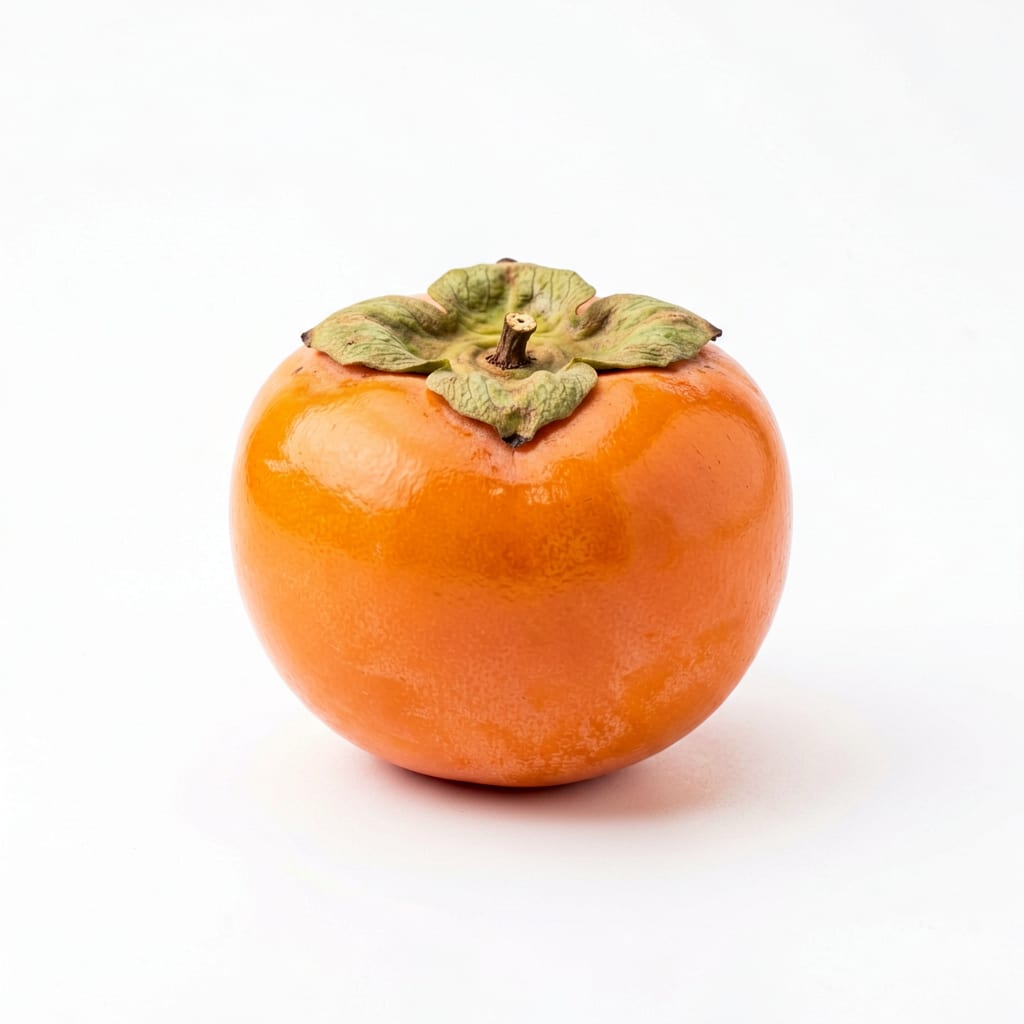
Persimmon
Persimmon offers far more nutritional value and is dramatically easier to find and enjoy, though Medlar wins for lower sugar and a more nuanced eating experience.
Persimmon scores notably higher due to superior vitamin content, wider availability, and easier preparation. Medlar remains interesting for low sugar and heritage appeal but loses significantly on practicality and nutritional breadth.
You trade broad availability and vitamin richness in persimmon for lower sugar content and a rare, heritage eating experience in medlar.
At a glance
Executive summary
Overall
Persimmon
Healthier
Persimmon
More practical
Persimmon
Daily use
Persimmon
Key comparison lenses
nutritional density comparison
Both are traditional fruits with distinct vitamin and mineral profiles that significantly affect their health value
blood sugar and carb load
Persimmon is notably sweeter and higher in sugar, making glycemic impact a key differentiator
availability and practical eating
Medlar is extremely rare and requires bletting, while persimmon is widely available and easier to eat
antioxidant and phytochemical value
Both fruits contain unique tannins and antioxidants worth comparing for long-term health benefits
digestive tolerance
Both can cause digestive issues if eaten unripe due to tannins, but the severity and mechanism differ
Best choice for
Medlar
- People monitoring sugar intake closely
- Culinary enthusiasts seeking heritage fruit experiences
- Those wanting a low-calorie snack with complex flavor
- Gardeners growing their own unusual fruit
Persimmon
- Anyone seeking vitamin A and C in a delicious package
- People wanting an accessible, antioxidant-rich fruit
- Those looking for a satisfying sweet treat with real nutrition
- Families wanting kid-friendly fruit options
Least suitable for
Medlar
- People who want convenient, ready-to-eat fruit
- Anyone unable to source medlar locally
- Those needing high vitamin A intake from food
- Impatient eaters unwilling to wait for bletting
Persimmon
- People on strict low-sugar or low-carb diets
- Those prone to blood sugar spikes from sweet fruit
- Individuals with latex-fruit allergy syndrome
- Anyone sensitive to tannins even in ripe fruit
Deep comparison
Dimension by dimension
Each lens scores both foods and breaks down who each option suits.
- Dimension 1 · Priority 92Persimmon
Vitamin and Mineral Density
Medlar · 40Persimmon · 85Persimmon delivers substantially more vitamins, especially vitamin A and C, while medlar offers modest amounts of B vitamins and iron.
Tradeoff
Medlar provides a little iron and B vitamins persimmon lacks, but persimmon's vitamin A content alone is a game-changer for eye and immune health.
Why it matters
Vitamin A deficiency is common worldwide, and persimmon is one of the best fruit sources. This matters for vision, skin, and immune resilience.
Real-world impact
Eating one persimmon covers over half your daily vitamin A needs. You would need many medlars to approach similar micronutrient impact.
Medlar
- Supplementing small amounts of dietary iron
- Adding B-complex vitamins from fruit sources
Better for
- Reliance on fruit for vitamin A is unrealistic with medlar
- Low overall micronutrient contribution per serving
Worse for
Persimmon
- Boosting vitamin A for eye and skin health
- Getting a concentrated dose of vitamin C in cold season
- Supporting immune function through diverse micronutrients
Better for
- Not a significant iron source
- Vitamin K content may interact with blood thinners
Worse for
- Dimension 2 · Priority 88Medlar
Sugar and Blood Sugar Impact
Medlar · 78Persimmon · 45Medlar is significantly lower in sugar, making it gentler on blood glucose. Persimmon is quite sweet and can spike blood sugar more rapidly.
Tradeoff
The sweetness that makes persimmon delicious and satisfying also makes it riskier for blood sugar management. Medlar's milder sweetness is an advantage for metabolic health.
Why it matters
For anyone watching glucose levels, the difference between a low-sugar and high-sugar fruit matters more than most other nutritional factors.
Real-world impact
A persimmon can contain 20+ grams of sugar. Medlar typically lands under 10 grams. That difference shows up on a glucose monitor and in afternoon energy levels.
Medlar
- Steadier energy without sugar crashes
- Fitting into low-carb or diabetic meal plans more easily
- Avoiding sugar-driven cravings later in the day
Better for
- May not feel satisfying enough as a standalone snack for sweet lovers
Worse for
Persimmon
- Quick natural energy before or after exercise
- Satisfying a sweet tooth with whole food instead of candy
Better for
- Can trigger blood sugar spikes in sensitive individuals
- Easy to overeat due to sweetness, adding unintended sugar load
Worse for
- Dimension 3 · Priority 78Persimmon
Antioxidant and Phytochemical Profile
Medlar · 55Persimmon · 80Persimmon contains diverse antioxidants including beta-carotene, lycopene, and unique tannins. Medlar has some tannins and flavonoids but a less studied profile.
Tradeoff
Persimmon's antioxidant richness is well-documented and significant. Medlar likely has beneficial compounds but lacks the research depth to confirm comparable value.
Why it matters
Antioxidants from whole fruit correlate with reduced chronic disease risk. More studied fruits give more confidence in real health outcomes.
Real-world impact
Regular persimmon consumption has been linked to improved lipid profiles and reduced oxidative stress. Medlar may offer similar benefits but the evidence is thin.
Medlar
- Tannin content may support gut health when fully ripe
- Traditional use suggests anti-inflammatory potential
Better for
- Limited modern research on specific health benefits
- Hard to make confident health claims without data
Worse for
Persimmon
- Beta-carotene and lycopene provide proven cellular protection
- Tannins in persimmon linked to lower LDL cholesterol
- Broader spectrum of studied, beneficial phytochemicals
Better for
- Tannins in unripe persimmon can cause digestive distress
Worse for
- Dimension 4 · Priority 85Persimmon
Practicality and Accessibility
Medlar · 20Persimmon · 82Persimmon is available in most grocery stores seasonally and ready to eat. Medlar is extremely rare, requires bletting, and is almost unknown commercially.
Tradeoff
You can actually buy and eat persimmon this week. Medlar is more of a treasure hunt that rewards patience but defeats convenience.
Why it matters
The healthiest fruit is the one you can actually obtain and eat regularly. Availability trumps theoretical nutrition.
Real-world impact
Most people have never seen a medlar for sale. Persimmon appears in mainstream supermarkets every autumn. This alone changes real-world dietary impact.
Medlar
- Growing your own creates a unique, low-maintenance backyard fruit tree
- Novelty value for culinary exploration and conversation
Better for
- Virtually impossible to find in stores
- Requires days of bletting before eating
- Most people unfamiliar with how to prepare or enjoy it
Worse for
Persimmon
- Available in regular grocery stores during season
- Easy to identify ripeness and eat immediately
- Multiple varieties suit different eating preferences
Better for
- Seasonal availability limits year-round access
- Astringent varieties can be confusing for first-time buyers
Worse for
- Dimension 5 · Priority 72It depends
Digestive Tolerance
Medlar · 60Persimmon · 58Both fruits can cause issues if eaten unripe due to tannins, but the mechanisms differ. Ripe persimmon is generally well-tolerated; bletted medlar is gentle but unfamiliar to most digestive systems.
Tradeoff
Unripe persimmon is notorious for causing stomach discomfort and even bezoars. Unripe medlar is astringent and unpalatable but less likely to cause severe issues.
Why it matters
Eating the wrong persimmon at the wrong stage can genuinely ruin your day. Understanding ripeness is critical for both fruits.
Real-world impact
Biting into an unripe astringent persimmon creates an intensely unpleasant mouth-puckering experience and potential stomach pain. Medlar simply refuses to be eaten unripe because it is too hard and astringent.
Medlar
- Bletting process naturally prevents consumption at problematic stages
- Soft, bletted texture is gentle on digestion
Better for
- Unfamiliar texture of bletted fruit may cause hesitation or mild aversion
- Limited dietary familiarity means less personal tolerance data
Worse for
Persimmon
- Non-astringent varieties like Fuyu are safe to eat at any firmness
- Fiber content supports healthy digestion when ripe
Better for
- Astringent varieties eaten unripe can cause gastric bezoars in rare cases
- High tannin content in unripe fruit is harsh on sensitive stomachs
Worse for
- Dimension 6 · Priority 70Persimmon
Fiber Content and Satiety
Medlar · 55Persimmon · 72Persimmon provides more fiber per serving, contributing to better satiety. Medlar has moderate fiber but smaller typical serving sizes reduce the practical benefit.
Tradeoff
Persimmon fills you up more effectively, but its higher sugar means that fullness comes with a caloric cost. Medlar offers lighter satiety with fewer calories.
Why it matters
Fiber from whole fruit helps with cholesterol, gut health, and feeling satisfied between meals. More fiber per serving is generally advantageous.
Real-world impact
A persimmon after lunch keeps you fuller longer than a medlar, but the sugar load means it works better as a deliberate snack than a mindless graze.
Medlar
- Lower calorie density allows more volume for fewer calories
- Moderate fiber without high sugar accompaniment
Better for
- Smaller fruit size means less fiber per eating occasion
- May not feel like enough food to satisfy hunger alone
Worse for
Persimmon
- Higher total fiber per typical serving
- More satisfying as a standalone snack between meals
Better for
- Higher sugar alongside fiber can still trigger overconsumption
Worse for
Timeline
Health impact over time
Short-term
Hours to days
Medlar
- Low sugar load prevents energy crashes
- Mild astringency may temporarily dry mouth if not fully bletted
- Gentle on blood glucose even on an empty stomach
Persimmon
- Noticeable energy boost from natural sugars
- Vitamin C supports immediate immune response
- Unripe fruit can cause mouth puckering and stomach discomfort
Long-term
Months to years
Medlar
- Consistent low-sugar fruit choice supports metabolic health
- Modest but regular fiber intake benefits gut regularity
- Heritage fruit diversity may support microbiome variation
Persimmon
- Sustained beta-carotene intake supports eye and skin health over decades
- Regular antioxidant consumption may reduce chronic disease risk markers
- High sugar content requires mindful portioning to avoid metabolic downsides
Risk profile
Safety & processing
Both medlar and persimmon are whole, unprocessed fruits typically eaten in their natural state. Neither carries meaningful additive concerns. The main processing consideration is that dried persimmon products sometimes contain sulfites, which sensitive individuals should watch for.
Medlar
Tannin exposure from unripe fruit
mediumUnripe medlar is highly astringent and unpalatable. While unlikely to cause serious harm, it can cause mouth and throat discomfort. Proper bletting eliminates this risk.
Mold during bletting
lowThe bletting process involves letting fruit soften to near-fermentation. Poorly managed bletting can introduce mold. Inspect carefully before eating.
Persimmon
Gastric bezoar formation
mediumEating large quantities of unripe astringent persimmon on an empty stomach can contribute to diospyrobezoar formation, a rare but serious gastric condition requiring medical intervention.
Latex-fruit allergy cross-reaction
lowIndividuals with latex allergy may react to persimmon due to cross-reactive proteins. Symptoms range from oral itching to anaphylaxis in severe cases.
Sulfites in dried persimmon
lowSome commercially dried persimmons contain sulfites as preservatives. Sulfite-sensitive individuals, particularly asthmatics, should check labels or choose fresh fruit.
Who wins for whom
Audience fit
Same foods, different winners depending on your goal.
children
PersimmonPersimmon's sweet flavor and soft texture appeal to kids, and its vitamin A content supports growing bodies. Medlar's unusual texture and rarity make it a hard sell for most children.
daily consumption
PersimmonPersimmon's availability, nutritional density, and enjoyable eating experience make it sustainable as a regular fruit choice. Medlar's rarity and seasonality make daily consumption unrealistic for most people.
diabetes
MedlarSignificantly lower sugar content and gentler blood glucose impact make medlar the safer choice for blood sugar management, though portion control still matters.
elderly
PersimmonPersimmon's soft texture when ripe is easy to chew, and its high vitamin A supports aging eyes. The fiber helps with common constipation concerns in older adults.
muscle gain
PersimmonPersimmon provides more carbohydrates for training energy and more vitamin C for collagen synthesis and recovery support.
weight loss
MedlarMedlar's lower sugar and calorie density make it easier to fit into a calorie-controlled eating plan without triggering sugar-driven hunger cycles.
Your move
Decision guide
Choose Medlar
- You are growing medlar and have access to fresh fruit
- You want a low-sugar fruit that will not spike blood glucose
- You enjoy rare and heritage foods with historical significance
- You are looking for culinary novelty and conversation-starting ingredients
Choose Persimmon
- You want maximum vitamin A and C from a delicious fruit
- You need an accessible, affordable fruit available at regular stores
- You are seeking a satisfying sweet snack with real nutritional payoff
- You want an antioxidant-rich fruit with proven health benefits
Either works if
- You enjoy seasonal autumn fruits and want variety
- You are looking for whole-food dessert alternatives
- You want tannin-rich fruits that support cardiovascular health
Avoid both if
- You have severe tannin sensitivity
- You are on a very strict low-carb diet that excludes most fruit
- You have latex-fruit allergy syndrome (persimmon specifically)
Final recommendation
Persimmon is the clear everyday choice for most people: it is findable, nutritious, and genuinely enjoyable. Medlar is worth seeking out if you value low sugar, heritage foods, or grow your own, but it cannot compete on practicality or nutritional breadth. If blood sugar management is your top priority, medlar deserves attention despite its rarity.
Practical
Consumer tips
- 1
If buying persimmon for the first time, choose Fuyu variety for crisp, sweet eating without astringency worries
- 2
Hachiya persimmons must be jelly-soft before eating; eating them firm will punish your mouth with astringency
- 3
Medlar must be bletted by storing until soft and brown — this is not spoilage, it is the correct preparation
- 4
Freeze ripe persimmon flesh for a naturally sweet, ice-cream-like treat
- 5
If growing medlar, harvest after frost for faster and more reliable bletting
- 6
Pair persimmon with a protein source like yogurt or nuts to blunt the blood sugar response
- 7
Dried persimmon slices are concentrated sugar — treat them more like candy than fresh fruit