
Nutrition comparison
Medlar vs Pear: Which Fruit Is Healthier for You?
Compare Medlar and Pear on sugar, fiber, antioxidants, and practicality. Learn which fruit is better for blood sugar, weight loss, and daily eating.
Overall winner · Pear
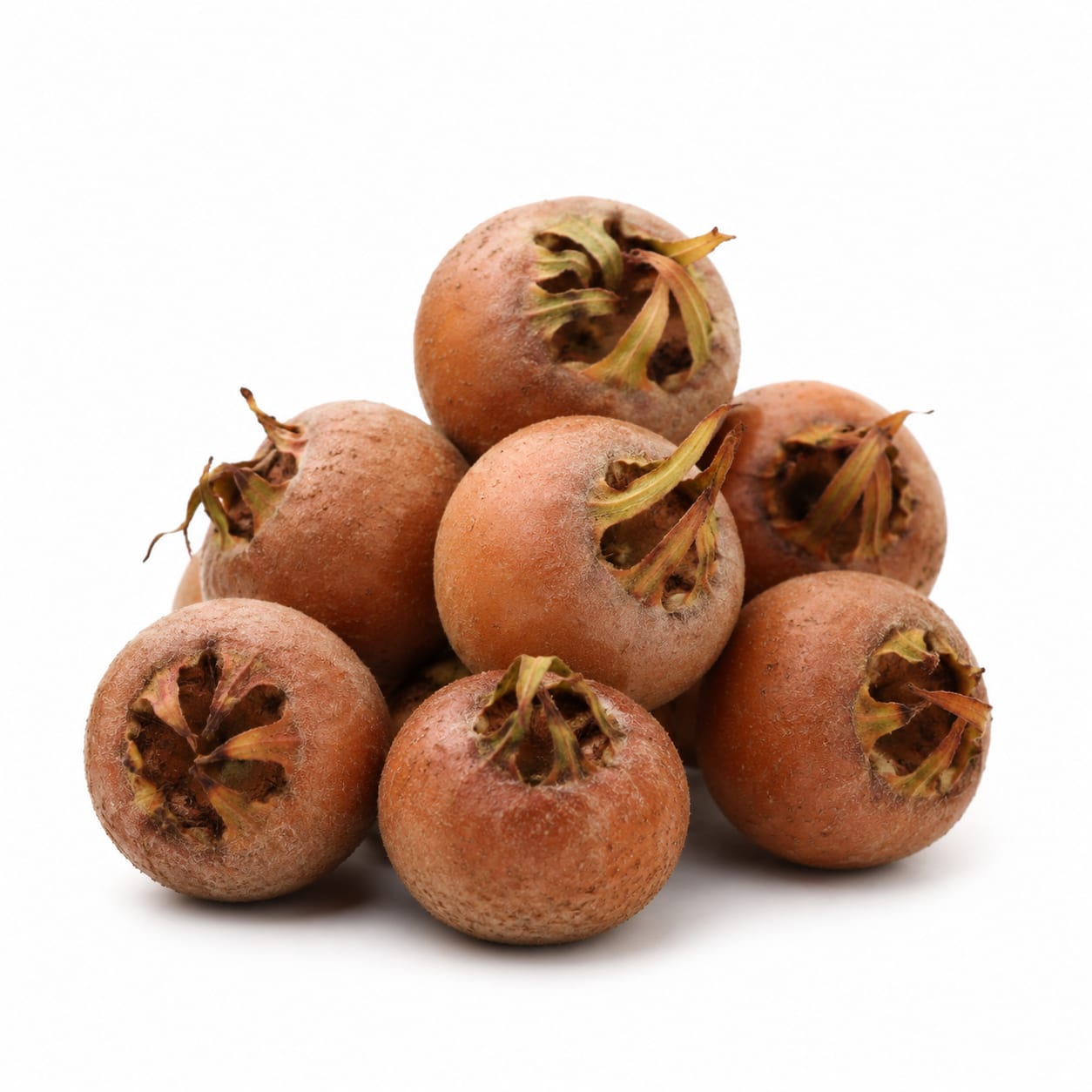
Medlar
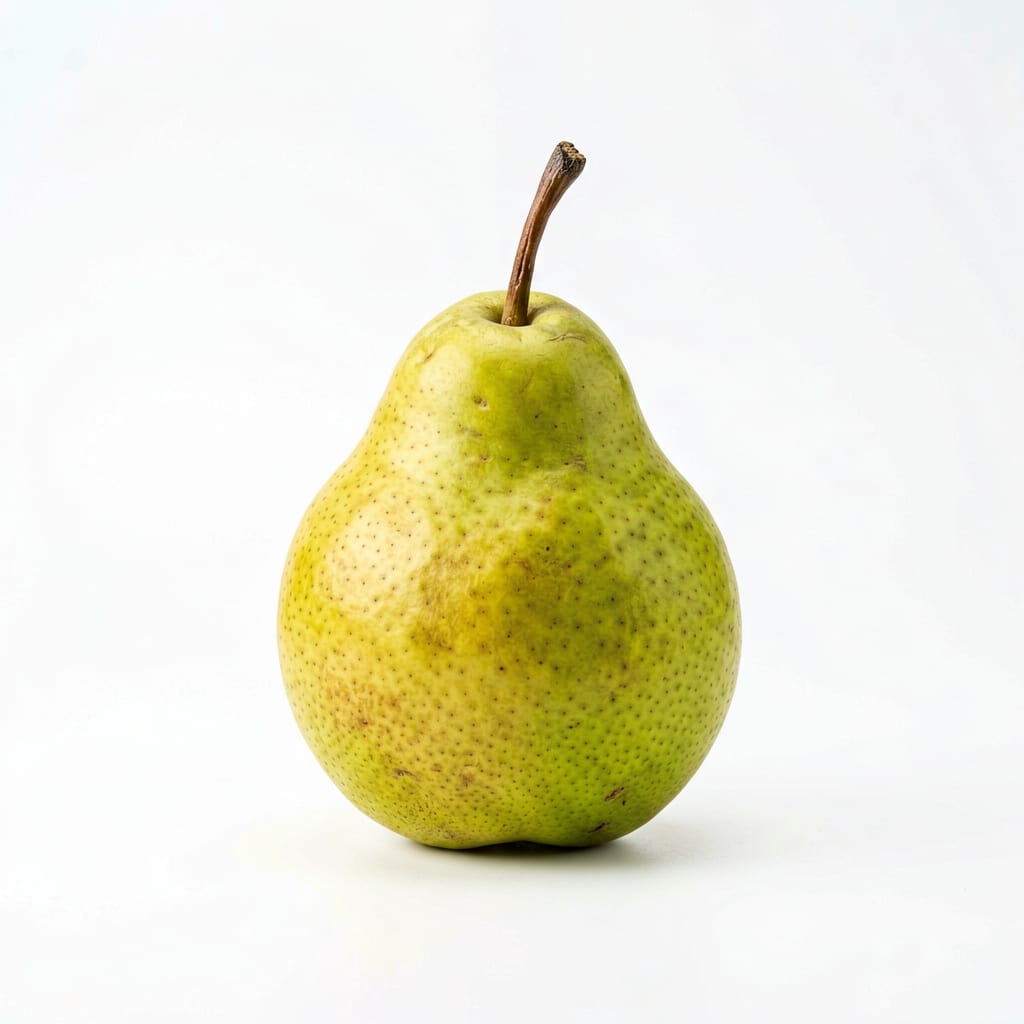
Pear
Pear wins on practicality and availability, while Medlar offers a unique tannin-rich profile and lower sugar that rewards effort-seekers.
Medlar edges ahead on lower sugar and unique tannin content, but Pear dominates on accessibility, fiber reliability, and everyday usability. The moderate confidence reflects limited clinical data on Medlar's specific health effects.
Medlar provides a rare, lower-sugar fruit experience with distinctive tannins, but Pears deliver similar fiber and antioxidants with vastly easier access and familiar flavor.
At a glance
Executive summary
Overall
Pear
Healthier
Medlar
More practical
Pear
Daily use
Pear
Key comparison lenses
nutritional value comparison
Users comparing two fruits primarily want to know which delivers more vitamins, minerals, and fiber per bite
digestive health benefits
Both fruits are known for digestive properties, making gut health a key decision factor
blood sugar impact
Fruit sugar content matters deeply for diabetics and anyone managing energy crashes
practical availability
Medlar is extremely rare in stores while pears are everywhere, making convenience a major differentiator
culinary versatility
How each fruit can be used in daily eating matters for long-term adoption
Best choice for
Medlar
- People managing blood sugar who want a low-sugar fruit option
- Culinary adventurers seeking unique flavors and traditional foods
- Those interested in tannin-rich foods for gut and antioxidant benefits
- Home gardeners who can grow their own supply
Pear
- Everyday snackers wanting reliable, affordable fruit
- Families needing kid-friendly, widely available produce
- Anyone prioritizing convenience and consistent quality
- People with digestive sensitivity who need gentle, proven fiber
Least suitable for
Medlar
- People who need convenient, grab-and-go fruit
- Anyone unfamiliar with bletting or patient ripening processes
- Those expecting sweet, immediately enjoyable fruit flavor
- Shoppers relying on standard grocery stores
Pear
- People strictly limiting fructose who want the lowest-sugar option
- Those seeking novel or heritage fruit experiences
- Anyone avoiding common commercial produce with pesticide concerns
Deep comparison
Dimension by dimension
Each lens scores both foods and breaks down who each option suits.
- Dimension 1 · Priority 90Medlar
sugar_content_and_blood_sugar_impact
Medlar · 82Pear · 65Medlar contains meaningfully less sugar than Pear, making it gentler on blood sugar.
Tradeoff
Medlar's lower sugar comes with a tannic, astringent flavor that most people find less enjoyable raw.
Why it matters
For anyone tracking glucose or managing insulin resistance, every gram of fruit sugar counts toward daily load.
Real-world impact
A Medlar snack is less likely to trigger an afternoon energy crash than a sweet Pear, but you may eat less of it because the flavor is more demanding.
Medlar
- Diabetics seeking low-sugar fruit
- Keto-adjacent eaters wanting occasional fruit
- People prone to sugar-driven energy crashes
Better for
- People wanting sweet, satisfying dessert fruit
- Those who find astringent flavors unpleasant
Worse for
Pear
- Athletes needing quick natural energy
- Children who reject tart or astringent flavors
- Anyone using fruit as a pre-workout fuel source
Better for
- Strict low-carb dieters
- People with fructose malabsorption issues
Worse for
- Dimension 2 · Priority 85Pear
fiber_and_digestive_health
Medlar · 70Pear · 84Pear provides more reliable, well-documented fiber content, especially soluble fiber that feeds gut bacteria gently.
Tradeoff
Medlar has respectable fiber but less consistent data, and its tannins can be constipating for some people when consumed in large amounts.
Why it matters
Fiber is the single most undervalued nutrient for long-term health, affecting everything from satiety to cholesterol to microbiome diversity.
Real-world impact
Eating a Pear a day gives you a dependable fiber boost that's easy to sustain. Medlar works too, but you'd need to eat more of a less palatable fruit to match it.
Medlar
- People whose digestion benefits from mild astringency
- Those who enjoy traditional remedies for loose stools
Better for
- People with constipation tendencies aggravated by tannins
- Those needing predictable fiber intake tracking
Worse for
Pear
- Anyone needing consistent, gentle daily fiber
- People with IBS-C who benefit from soluble fiber
- Those wanting proven cholesterol-lowering fruit fiber
Better for
- People with fructose-related bloating from high-fiber fruit
Worse for
- Dimension 3 · Priority 78Medlar
antioxidant_and_phytonutrient_profile
Medlar · 79Pear · 72Medlar's tannins and unique phenolic compounds offer a distinctive antioxidant profile that Pear cannot match.
Tradeoff
Pear still delivers solid flavonoid antioxidants, especially in the skin, but lacks the tannin complexity of Medlar.
Why it matters
Diverse antioxidant intake matters more than total antioxidant load, because different compounds target different oxidative pathways.
Real-world impact
Adding Medlar to your diet introduces antioxidant variety you simply cannot get from common fruits. But you'd need to eat it regularly for meaningful benefit, which is hard given its scarcity.
Medlar
- Antioxidant diversity seekers
- People interested in heritage phytonutrient profiles
- Those who already eat common fruits and want novel compounds
Better for
- Anyone who cannot source Medlar consistently enough for regular intake
Worse for
Pear
- People wanting reliable, well-studied flavonoid intake
- Those who eat the skin and get concentrated antioxidants
Better for
- People peeling Pears and losing most antioxidant value
Worse for
- Dimension 4 · Priority 92Pear
availability_and_practicality
Medlar · 18Pear · 93Pear is available in virtually every grocery store year-round. Medlar is extremely rare and requires specialty sourcing or home growing.
Tradeoff
The effort to find and prepare Medlar is enormous compared to grabbing a Pear, which dramatically reduces real-world consumption likelihood.
Why it matters
The healthiest food is the one you actually eat consistently. Rarity makes consistency nearly impossible for most people.
Real-world impact
You can buy Pears anywhere, anytime, with zero learning curve. Medlar requires finding a specialty source, understanding bletting, and accepting variable quality — barriers most people will not overcome twice.
Medlar
- Dedicated food enthusiasts who enjoy the hunt
- Home gardeners in temperate climates
- People near specialty orchards or farmers markets with heritage fruit
Better for
- Anyone without specialty food access
- People unwilling to learn ripening techniques
- Impulse snackers
Worse for
Pear
- Busy professionals needing convenient produce
- Parents shopping at regular stores
- Anyone who values consistency over novelty
- People in regions without specialty fruit access
Better for
- People specifically seeking rare or novel food experiences
Worse for
- Dimension 5 · Priority 75Pear
satiety_and_craving_control
Medlar · 68Pear · 77Pear's higher fiber and water content make it more filling per calorie, while Medlar's astringency may naturally limit intake.
Tradeoff
Medlar's tannins can suppress appetite through flavor fatigue, but Pear provides more physically satisfying bulk that genuinely fills the stomach.
Why it matters
Fruit that keeps you full longer helps prevent overeating and reduces the temptation for less healthy snacks.
Real-world impact
A medium Pear after lunch will keep you satisfied until dinner. Medlar might kill your appetite faster through astringency, but you may feel less physically comfortable.
Medlar
- People who want flavor-based appetite suppression
- Those who eat small portions and prefer intense flavors
Better for
- People who find astringent fruit unsatisfying
- Those needing physical fullness to feel done eating
Worse for
Pear
- People using fruit as a between-meal hunger bridge
- Those who find volume-based satiety more effective
- Emotional eaters needing a comforting, filling snack
Better for
- People who find sweet fruit triggers more sugar cravings
Worse for
- Dimension 6 · Priority 72Pear
vitamin_and_mineral_density
Medlar · 60Pear · 73Pear offers more documented vitamin C, vitamin K, and potassium per serving. Medlar's micronutrient profile is less well-characterized.
Tradeoff
Medlar likely has meaningful nutrients, but the lack of reliable nutritional databases makes it hard to quantify, creating uncertainty for anyone tracking intake.
Why it matters
If you are choosing fruit partly for vitamin contribution, you want data you can trust, not estimates.
Real-world impact
Eating a Pear gives you a known quantity of vitamin C and K. Medlar is more of a nutritional mystery — probably decent, but unverified at scale.
Medlar
- People who trust traditional food wisdom over lab data
- Those eating diverse diets where single-source vitamins matter less
Better for
- Data-driven eaters who need verified nutritional numbers
- People treating fruit as a primary vitamin source
Worse for
Pear
- Anyone tracking micronutrient intake precisely
- People relying on fruit for meaningful vitamin C contribution
- Those wanting potassium for blood pressure support
Better for
- Those already meeting vitamin needs through other foods
Worse for
Timeline
Health impact over time
Short-term
Hours to days
Medlar
- May cause mild digestive discomfort if eaten before full bletting due to tannins
- Astringency can create a dry mouth sensation that limits overconsumption
- Unlikely to cause blood sugar spikes given lower sugar content
Pear
- Provides quick, gentle energy from natural sugars with enough fiber to moderate absorption
- Can cause bloating in fructose-sensitive individuals, especially when not fully ripe
- Hydrating and refreshing, making it a good post-exercise or hot-weather choice
Long-term
Months to years
Medlar
- Tannin intake may support cardiovascular health through anti-inflammatory pathways, though evidence is indirect
- Consistent low-sugar fruit consumption supports better glycemic control over years
- Limited dietary diversity benefit if you cannot access it regularly enough to matter
Pear
- Regular Pear consumption is associated with reduced stroke risk and improved cardiovascular markers
- Consistent soluble fiber intake supports healthy cholesterol levels and gut microbiome diversity
- Well-established role in reducing type 2 diabetes risk when replacing higher-glycemic snacks
Risk profile
Safety & processing
Both fruits are whole, unprocessed foods when eaten fresh. Medlar has essentially zero processing risk since it is never commercially processed. Pears are sometimes canned in syrup, which dramatically changes their health profile — always choose fresh or check labels carefully.
Medlar
Improper bletting leading to excessive tannin intake
lowEating unbletted Medlar is unlikely to cause harm but can cause significant mouth astringency and mild stomach upset.
Mold during bletting process
mediumThe softening process can invite mold if fruit is damaged or stored in overly humid conditions. Inspect carefully before eating.
Pear
Pesticide residue on conventionally grown Pears
mediumPears frequently appear on EWG's Dirty Dozen list. Washing helps, but peeling removes significant fiber and antioxidants.
Allergic reactions in birch pollen-sensitive individuals
lowOral allergy syndrome can cause mouth itching in people with birch pollen allergies. Cooking the Pear usually resolves this.
Who wins for whom
Audience fit
Same foods, different winners depending on your goal.
children
PearChildren overwhelmingly prefer sweet, mild flavors. Pear is kid-friendly and familiar; Medlar's astringency will be rejected by most children.
daily consumption
PearConsistency is everything. Pear's availability, affordability, and pleasant taste make daily consumption realistic. Medlar is a seasonal novelty at best for most people.
diabetes
MedlarLower sugar content and tannin-driven blood sugar moderation give Medlar the edge, though Pear is still a reasonable low-GI choice.
elderly
PearSoft, ripe Pear is gentle on aging digestive systems and easy to chew. Medlar's tannins can worsen constipation, a common elderly concern.
muscle gain
PearPear provides more readily available carbohydrates for post-workout glycogen replenishment and is practical enough to eat consistently.
weight loss
MedlarMedlar's lower sugar and appetite-suppressing tannins make it easier to control calories, assuming you can actually find and enjoy it.
Your move
Decision guide
Choose Medlar
- You have access to fresh Medlar and enjoy unique, challenging flavors
- You are managing blood sugar and want the lowest-sugar fruit option available
- You grow your own fruit and want a low-maintenance heritage tree
- You are building dietary diversity and want tannin compounds not found in common fruits
Choose Pear
- You want reliable, affordable, delicious fruit available any day of the year
- You need gentle fiber for digestive regularity
- You are feeding a family and need crowd-pleasing produce
- You care about proven, well-documented health benefits over novelty
Either works if
- You simply want a whole-food snack instead of processed alternatives
- You are meeting daily fruit intake goals and either works as part of a varied diet
- You have no specific blood sugar or digestive concerns
Avoid both if
- You have severe fructose intolerance or malabsorption
- You are on a strict very-low-carb diet that excludes most fruit
- You have oral allergy syndrome triggered by both fruits
Final recommendation
Eat Pears as your everyday fruit — they are practical, proven, and genuinely good for you. If you encounter Medlar at a farmers market or heritage orchard, absolutely try it for the unique experience and tannin benefits, but do not build a dietary strategy around a fruit you cannot reliably source.
Practical
Consumer tips
- 1
Choose organic Pears when possible — they consistently rank high for pesticide residue on conventional produce
- 2
If you find Medlar, let it blett fully at room temperature until the flesh is soft like a ripe date before eating
- 3
Pair Pear with a handful of nuts or cheese for a balanced snack that stabilizes blood sugar further
- 4
Do not peel Pears — the skin contains half the fiber and most of the antioxidants
- 5
Medlar makes excellent preserves and jellies if you find the raw texture or flavor challenging
- 6
If growing Medlar, the tree is remarkably hardy and pest-resistant, making it a great low-spray backyard option