
Nutrition comparison
Medlar vs Peach: Nutrition, Taste, and Health Benefits Compared
Discover the nutritional differences between Medlar and Peach. Compare fiber, vitamins, taste, and health benefits to see which fruit is better for your diet.
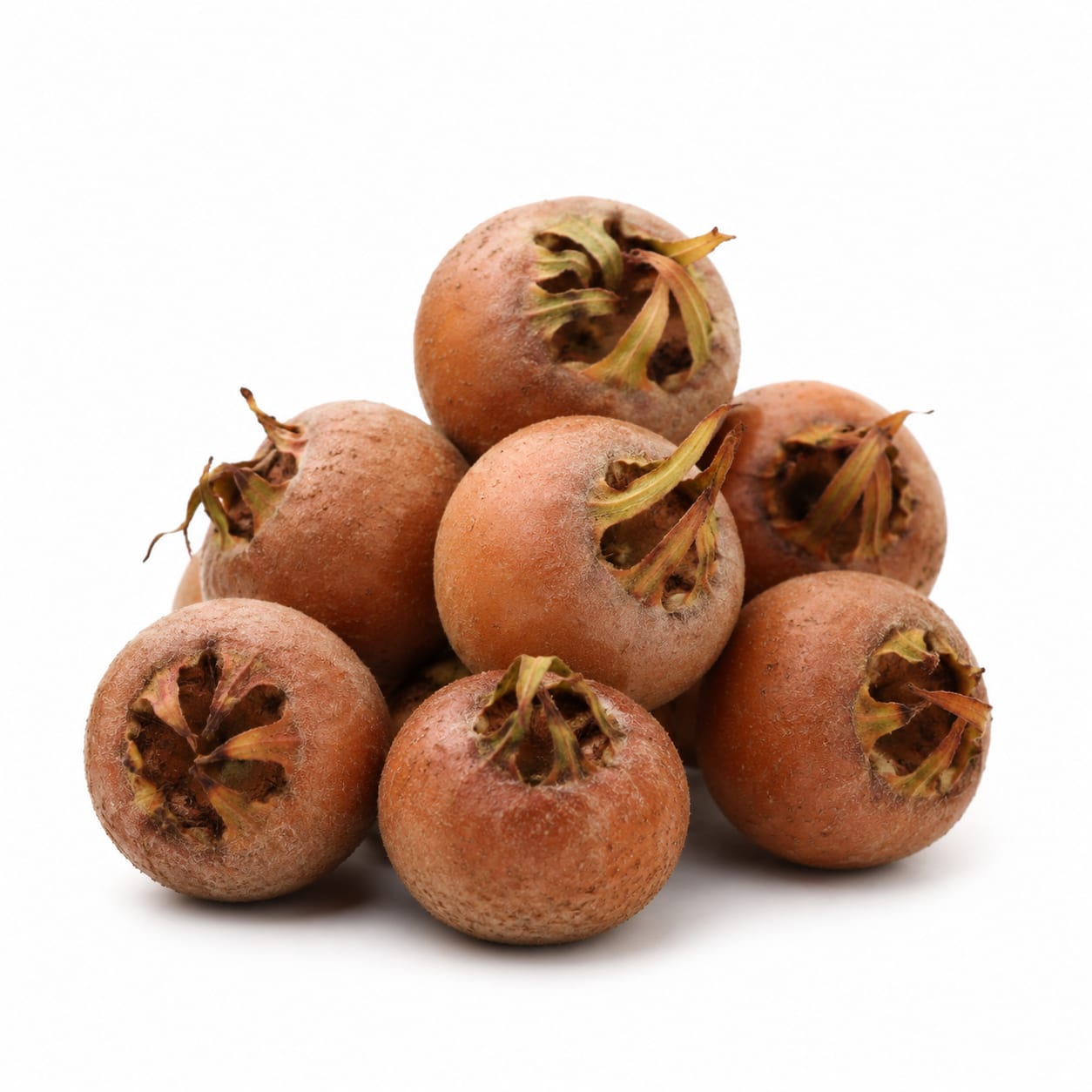
Medlar
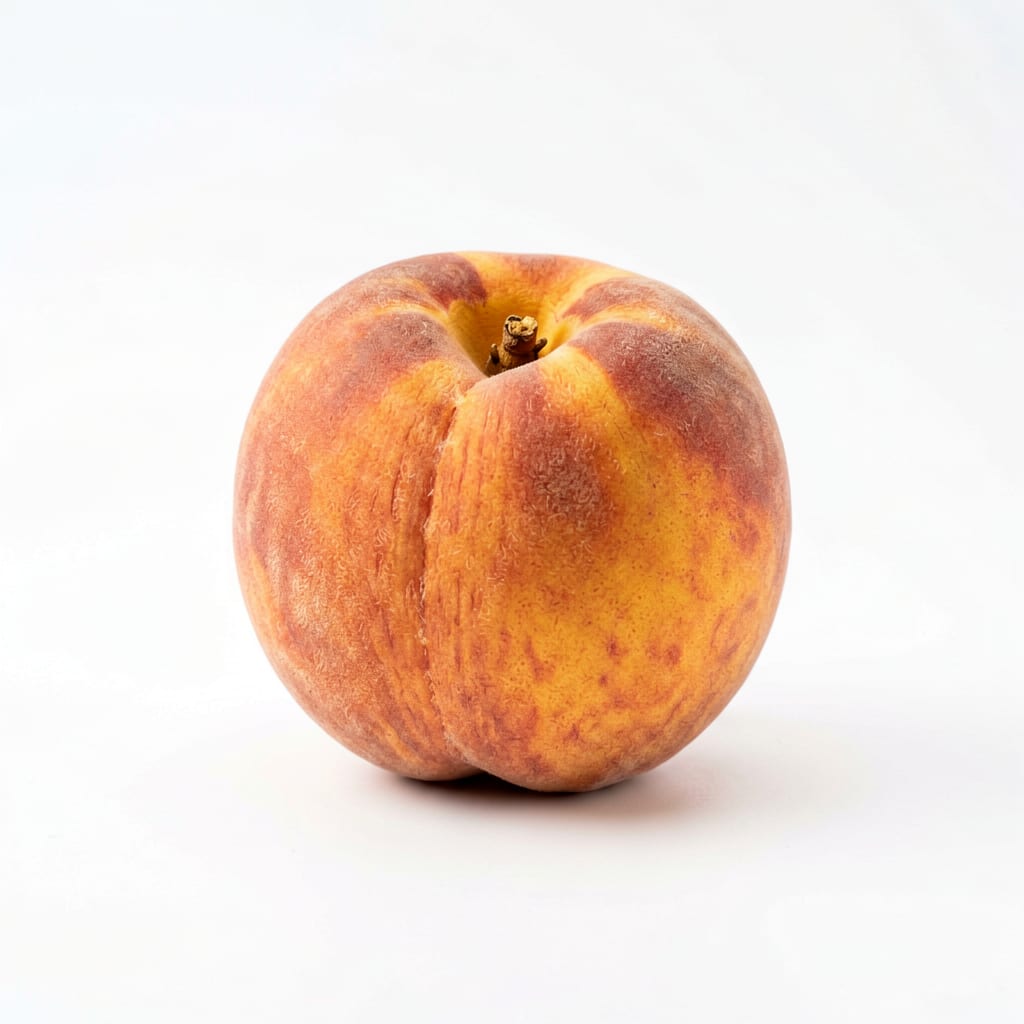
Peach
Peaches win on convenience and everyday enjoyment, but Medlars offer a richer, fiber-dense experience for patient eaters.
Peach scores higher due to widespread availability, ease of use, and broader culinary appeal. Medlar loses points primarily for its rarity and the off-putting bletting process, though it holds its own nutritionally.
Instant juicy gratification and easy access with Peaches versus a unique, gut-friendly, spiced-apple flavor with Medlars that requires time to prepare.
At a glance
Executive summary
Overall
It depends
Healthier
It depends
More practical
Peach
Daily use
Peach
Key comparison lenses
Everyday convenience and accessibility
Peaches are a grocery store staple, while Medlars are rare and require a unique preparation process called bletting.
Digestive health and satiety
Medlar is notably high in pectin and fiber, making it superior for fullness and gut health compared to the juicier, lighter Peach.
Culinary versatility and eating experience
Peaches can be eaten fresh, baked, or grilled, whereas Medlars are primarily enjoyed as a soft, spiced spread or preserve.
Pesticide exposure and safety
Peaches consistently rank on the Dirty Dozen list for pesticide residues, while Medlars are typically grown without heavy chemical intervention.
Best choice for
Medlar
- Experimenting with heritage fruits and unique flavors
- Boosting dietary fiber and improving gut transit
- Making natural, low-sugar fruit preserves and cheese pairings
Peach
- Quick, hydrating summer snacks
- Adding natural sweetness to smoothies, oatmeal, or yogurt
- Getting a reliable vitamin A and potassium boost
Least suitable for
Medlar
- People who want grab-and-go convenience
- Anyone put off by soft, brown, overripe-looking fruit textures
- Those who cannot source locally or grow them
Peach
- Consumers strictly avoiding conventional pesticide exposure without buying organic
- People looking for very high fiber to keep them full for hours
Deep comparison
Dimension by dimension
Each lens scores both foods and breaks down who each option suits.
- Dimension 1 · Priority 92Peach
Convenience and Accessibility
Medlar · 15Peach · 95Peaches are available everywhere during summer and require zero prep. Medlars are notoriously hard to find and need weeks of resting before they are edible.
Tradeoff
You trade instant availability for a completely unique tasting experience that requires patience.
Why it matters
If a food is hard to find and prepare, you simply will not eat it often, regardless of its health benefits.
Real-world impact
You can grab a Peach on your way out the door for a refreshing snack. Finding Medlar might require a specialty farmers market visit and a two-week wait for it to blet.
Medlar
- Slow, mindful eating experiences
- Culinary hobbyists who enjoy heritage recipes
Better for
- Spontaneous snacking
- Road trip or travel food
Worse for
Peach
- Busy mornings
- Quick afternoon energy boosts
Better for
- Breaking the monotony of everyday fruit routines
Worse for
- Dimension 2 · Priority 85Medlar
Digestive Health and Satiety
Medlar · 88Peach · 65Medlar is packed with pectin and insoluble fiber, making it far more filling and better for digestion than the water-rich Peach.
Tradeoff
Medlar keeps you fuller for longer, but Peaches are lighter and easier on the stomach if you prefer not feeling weighed down.
Why it matters
High-fiber fruit helps stabilize blood sugar and prevents the afternoon crash that comes from easily digested carbs.
Real-world impact
Eating a Medlar spread on toast will keep you satisfied until lunch. A Peach might only tide you over for an hour before you feel hungry again.
Medlar
- Managing appetite between meals
- Supporting healthy gut bacteria
Better for
- Eating right before intense exercise
Worse for
Peach
- Light pre-workout fuel
- Staying hydrated in hot weather
Better for
- Controlling late-night cravings
Worse for
- Dimension 3 · Priority 78Peach
Micronutrient Density
Medlar · 68Peach · 82Peaches deliver a stronger profile of vitamin A, potassium, and vitamin C, while Medlars offer decent vitamin C but fewer standout nutrients.
Tradeoff
Peaches provide better eye and skin support with their vitamin A content, whereas Medlars rely more on their fiber and antioxidant profile than vitamins.
Why it matters
Vitamin A and potassium are commonly under-consumed nutrients that play huge roles in heart health and vision.
Real-world impact
Eating a Peach gives you about 10% of your daily vitamin A needs, which helps with night vision and skin repair. Medlar offers trace benefits but is not a vitamin powerhouse.
Medlar
- Increasing antioxidant variety
Better for
- Meeting daily vitamin A requirements
Worse for
Peach
- Supporting skin health and immunity
- Replenishing electrolytes after sweating
Better for
- Getting enough fiber in a single serving
Worse for
- Dimension 4 · Priority 80Peach
Culinary Versatility
Medlar · 40Peach · 90Peaches shine in both sweet and savory dishes, raw or cooked. Medlars are mostly limited to preserves, jams, or eating as a soft paste.
Tradeoff
Peaches adapt to almost any meal, while Medlars lock you into a specific flavor profile reminiscent of spiced apple butter.
Why it matters
A versatile fruit prevents diet boredom and makes it easier to incorporate healthy options into different meals.
Real-world impact
You can grill a Peach for a salad, blend it into a smoothie, or bake it into a pie. Medlar is best enjoyed scooped out of its skin with cheese or toast.
Medlar
- Creating distinctive charcuterie board pairings
- Making traditional rustic jams
Better for
- Fresh fruit salads
- Blended drinks
Worse for
Peach
- Breakfast smoothies
- Savory dinner accompaniments
Better for
- Offering a completely novel flavor experience
Worse for
Timeline
Health impact over time
Short-term
Hours to days
Medlar
- Provides a strong feeling of fullness due to high pectin content
- Offers a comforting, spiced flavor that satisfies sweet cravings without a sugar spike
Peach
- Delivers quick hydration and easily accessible energy
- Light on the stomach, making it ideal before physical activity
Long-term
Months to years
Medlar
- Supports excellent digestive regularity and gut microbiome health
- May help lower cholesterol over time thanks to soluble fiber
Peach
- Contributes to better skin health and vision through consistent vitamin A intake
- Supports heart health and blood pressure regulation with regular potassium consumption
Risk profile
Safety & processing
Both fruits are whole, unprocessed foods in their natural state. However, Medlars are often turned into preserves to extend their short shelf life, which can add sugar. Peaches are most nutritious and natural eaten raw with the skin on.
Medlar
Cyanogenic compounds in seeds
lowLike apples and cherries, Medlar seeds contain compounds that release cyanide when chewed, but you would need to consume a massive amount of crushed seeds for it to be dangerous.
Peach
High pesticide residue
highConventional Peaches are consistently ranked on the EWG's Dirty Dozen list due to high pesticide residues on their delicate, porous skins.
Cyanogenic compounds in pits
lowThe pit contains amygdalin, which releases cyanide, but it is rarely eaten accidentally in harmful quantities.
Who wins for whom
Audience fit
Same foods, different winners depending on your goal.
children
PeachPeaches are sweet, familiar, and easy to bite into. The brown, mushy texture of a bletted Medlar is a hard sell for most kids.
daily consumption
PeachPeaches are far easier to find, prepare, and incorporate into daily meals without getting bored or running into availability issues.
diabetes
MedlarThe dense pectin in Medlar slows sugar absorption significantly, leading to steadier blood sugar levels than the juicier Peach.
elderly
PeachPeaches are soft, easy to chew, and provide essential hydration and potassium, though Medlar's fiber is also beneficial for older digestive tracts.
muscle gain
PeachPeaches offer quicker-digesting carbs and more potassium, which is helpful for post-workout recovery and glycogen replenishment.
weight loss
MedlarMedlar's high fiber content provides much stronger satiety, helping you eat less overall compared to the lighter, less filling Peach.
Your move
Decision guide
Choose Medlar
- You love exploring rare, heritage fruits with complex, spiced flavors
- You struggle with constipation or need more filling fiber in your diet
- You enjoy making homemade preserves or cheese board spreads
Choose Peach
- You want a reliable, hydrating, and refreshing everyday fruit
- You need a versatile ingredient for smoothies, baking, or grilling
- You prefer grab-and-go snacks that require zero preparation
Either works if
- You are looking for a whole-food sweet treat instead of processed desserts
- You want to increase your daily fruit intake with natural, unprocessed options
Avoid both if
- You have a severe fructose intolerance or FODMAP sensitivity, as both contain significant natural sugars
Final recommendation
Let Peaches be your everyday summer staple for their ease, hydration, and vitamin A. But if you stumble upon Medlars at a farmers market, take the time to blet them—you will be rewarded with a uniquely comforting, fiber-rich experience that Peaches simply cannot replicate.
Practical
Consumer tips
- 1
If you buy conventional Peaches, wash them thoroughly or peel them to reduce pesticide exposure, though peeling removes beneficial fiber.
- 2
Opt for organic Peaches whenever possible, as they are one of the most heavily sprayed fruits.
- 3
To blet Medlars, leave them stalk-end down in a cool, dry place for about two weeks until they turn brown and soft to the touch, like a ripe avocado.
- 4
Do not refrigerate Medlars before bletting, as cold temperatures halt the ripening process.
- 5
Both fruits freeze well; slice and freeze Peaches for smoothies, or freeze bletted Medlar pulp for later use in baking.