
Nutrition comparison
Medlar vs Loquat: Nutrition, Safety, and Which Fruit to Choose
Compare medlar and loquat nutrition, taste, safety, and practicality. Learn which fruit is better for daily eating, digestion, and family safety based on real-world tradeoffs.
Overall winner · Loquat
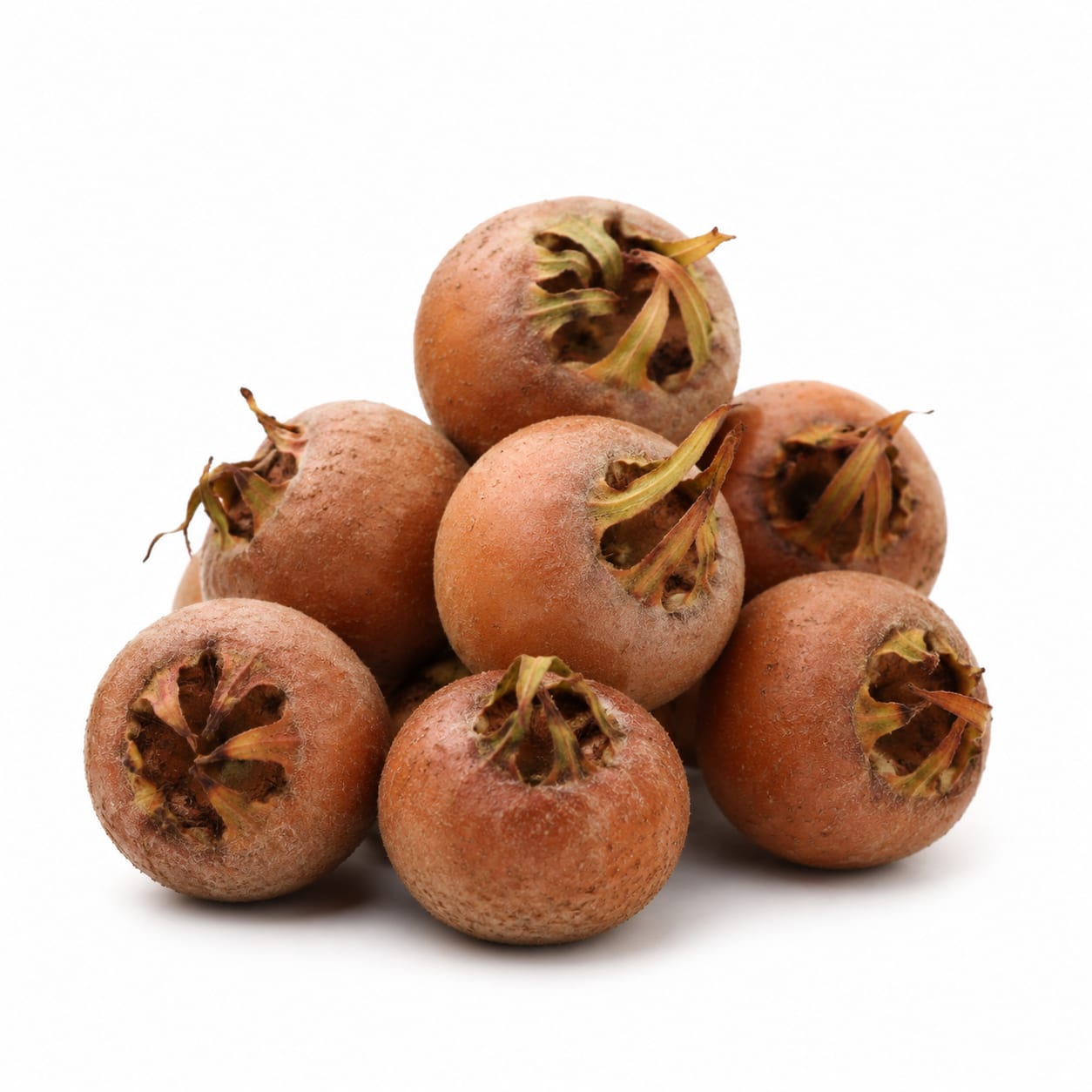
Medlar
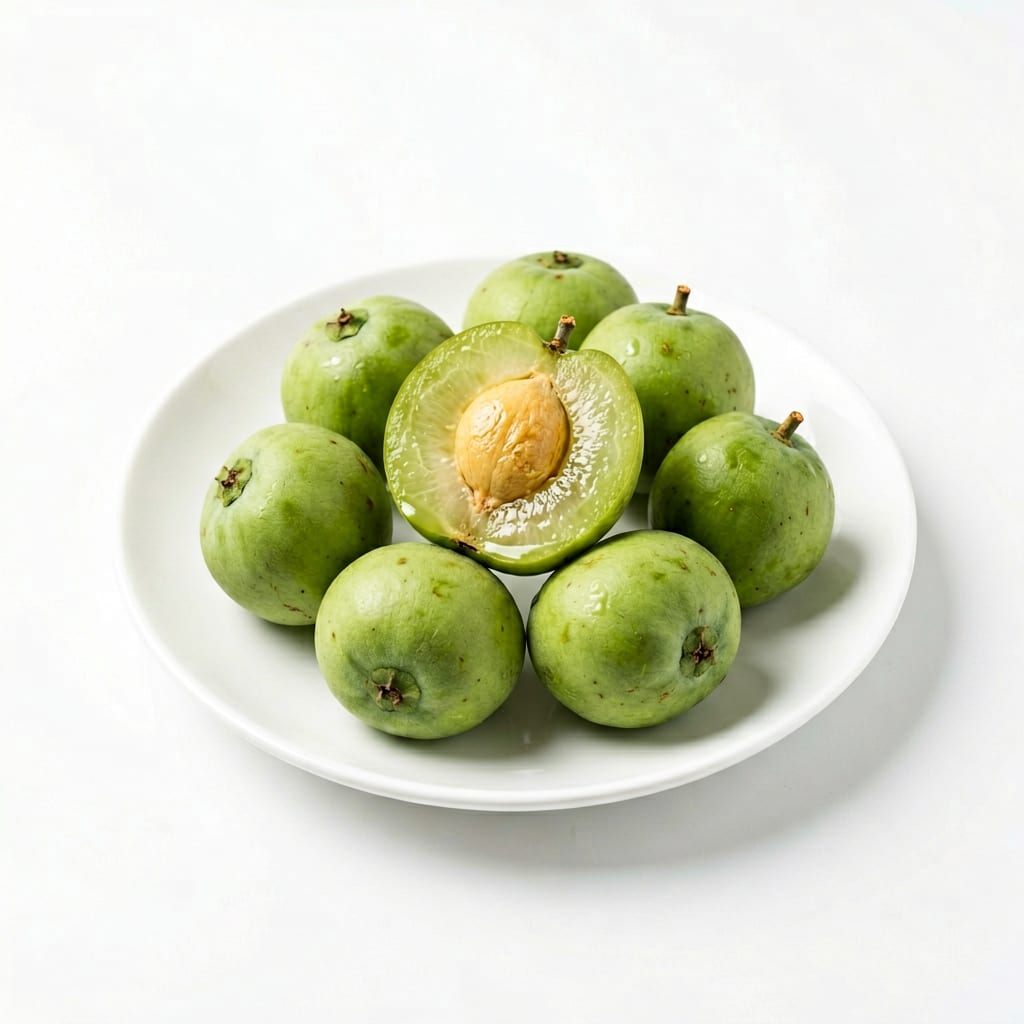
Loquat
Loquat is more practical and nutrient-dense for regular eating, while medlar offers a unique seasonal experience with decent fiber but requires patience and preparation.
Loquat scores higher mainly due to superior availability, richer vitamin A content, and immediate edibility. Medlar is not nutritionally inferior by a large margin, but its preparation barrier and scarcity lower its everyday utility score.
Loquat gives you ready-to-eat convenience with stronger vitamin A and potassium, whereas medlar rewards patience with a richer spiced-apple flavor and gentler tannin-based digestion support.
At a glance
Executive summary
Overall
Loquat
Healthier
Loquat
More practical
Loquat
Daily use
Loquat
Key comparison lenses
Practical availability and ease of eating
Medlar requires bletting before consumption while loquat can be eaten fresh, creating a major convenience gap
Nutritional density and vitamin content
Both are traditional fruits with distinct micronutrient profiles that influence daily health value
Safety and seed toxicity
Loquat seeds contain cyanogenic compounds, a genuine safety concern especially for children
Antioxidant and anti-inflammatory value
Both fruits offer unique phytonutrients worth comparing for long-term health impact
Digestive friendliness
Medlar's tannin content and bletting process affect gut tolerance differently than loquat's mild acidity
Best choice for
Medlar
- Culinary adventurers seeking rare heritage fruit experiences
- People who enjoy slow food traditions and seasonal eating
- Home gardeners in temperate climates wanting a low-maintenance tree
- Those wanting a fiber-rich fruit with mild astringency for digestive regularity
Loquat
- Everyday snackers wanting a convenient fresh fruit
- People prioritizing vitamin A and eye health
- Families needing a kid-friendly fruit option
- Anyone seeking better potassium intake for blood pressure support
Least suitable for
Medlar
- Impatient eaters who want grab-and-go fruit
- People unfamiliar with bletting who might eat unripe fruit and find it unpleasantly astringent
- Those living in regions where medlar is simply unavailable
Loquat
- Households with small children who might accidentally chew the toxic seeds
- People with latex-fruit syndrome who may react to loquat
- Anyone on a strict low-potassium diet for kidney conditions
Deep comparison
Dimension by dimension
Each lens scores both foods and breaks down who each option suits.
- Dimension 1 · Priority 90Loquat
Vitamin and Mineral Density
Medlar · 55Loquat · 78Loquat delivers significantly more vitamin A and potassium per serving, making it more impactful for daily micronutrient needs.
Tradeoff
Medlar provides modest vitamin C and some B vitamins but cannot match loquat's carotenoid content or electrolyte contribution.
Why it matters
Vitamin A supports vision and immune function, while potassium helps regulate blood pressure — both are common shortfalls in modern diets.
Real-world impact
Eating loquats regularly contributes more meaningfully to your daily nutrient targets than medlar, which feels more like a pleasant supplement than a staple.
Medlar
- Those already meeting vitamin A needs through other foods
Better for
- Relying on medlar as a primary fruit for micronutrients
Worse for
Loquat
- Anyone wanting to boost eye health naturally
- People managing blood pressure through diet
Better for
- People on potassium-restricted renal diets
Worse for
- Dimension 2 · Priority 92Loquat
Convenience and Accessibility
Medlar · 30Loquat · 82Loquat is ready to eat fresh and available in many Asian markets and grocery stores. Medlar must be bletted for days before eating and is extremely hard to find commercially.
Tradeoff
Medlar's unusual preparation is part of its charm for food enthusiasts, but it makes spontaneous snacking impossible.
Why it matters
Fruit you can actually buy and eat easily will always outperform a theoretically nutritious option you never consume.
Real-world impact
You will realistically eat loquat many more times per year than medlar, which means more total nutritional benefit over time.
Medlar
- Slow food enthusiasts who enjoy the ritual of preparation
Better for
- Anyone who needs fruit to be convenient
- People without access to specialty nurseries or heritage fruit suppliers
Worse for
Loquat
- Busy people who need grab-and-go snacks
- Shoppers who want fruit available at regular stores
Better for
- Those in regions where loquat is not grown or imported
Worse for
- Dimension 3 · Priority 80Medlar
Fiber and Digestive Support
Medlar · 74Loquat · 65Medlar offers slightly more fiber per serving and its tannin content can help firm stools, while loquat provides moderate fiber with a gentler, more hydrating effect.
Tradeoff
Medlar's astringency is helpful for loose stools but can be uncomfortable for sensitive stomachs. Loquat is easier on the gut but less targeted for digestive regularity.
Why it matters
Fiber intake directly affects satiety, blood sugar control, and bowel health — small differences add up over weeks and months.
Real-world impact
If you struggle with irregular digestion, medlar's tannins may offer noticeable improvement. Loquat is the safer choice if your digestion is already sensitive.
Medlar
- People with occasional loose stools who benefit from mild astringency
- Those wanting to increase fiber without supplements
Better for
- Those prone to constipation, as tannins can worsen it
Worse for
Loquat
- People with sensitive stomachs who find astringent fruits irritating
- Anyone needing gentle hydration alongside fiber
Better for
- People needing maximum fiber per serving
Worse for
- Dimension 4 · Priority 75Loquat
Antioxidant and Anti-inflammatory Value
Medlar · 62Loquat · 74Loquat's carotenoids and flavonoids provide broader antioxidant coverage, while medlar's phenolic compounds are more niche but still valuable.
Tradeoff
Loquat protects more pathways through diverse carotenoids. Medlar offers concentrated phenolics that may have specific anti-inflammatory roles but with less research backing.
Why it matters
Chronic inflammation drives aging and disease. Fruits with wider antioxidant profiles offer more comprehensive protection.
Real-world impact
Regular loquat consumption likely contributes more to long-term cellular protection, though both fruits are far better than processed snacks.
Medlar
- Those interested in traditional European herbal approaches to inflammation
Better for
- Those wanting robust clinical evidence for antioxidant claims
Worse for
Loquat
- People wanting well-studied carotenoid antioxidants
- Anyone focused on skin and eye protection from oxidative stress
Better for
- People already eating many carotenoid-rich foods who want variety
Worse for
- Dimension 5 · Priority 78Medlar
Safety and Seed Toxicity
Medlar · 82Loquat · 58Loquat seeds contain amygdalin, which releases cyanide when chewed. Medlar seeds are not considered toxic, though neither fruit's seeds should be eaten deliberately.
Tradeoff
Loquat's toxicity risk is manageable with proper seed avoidance but poses a real danger for young children. Medlar is safer in this regard.
Why it matters
Accidental seed chewing is common with small fruits, especially among children. Cyanogenic glycosides are not a theoretical risk.
Real-world impact
If you have toddlers who might bite into seeds, loquat requires more supervision. Medlar is the more relaxed choice for family fruit bowls.
Medlar
- Households with young children
- Anyone concerned about accidental seed ingestion
Better for
- No significant safety downside
Worse for
Loquat
- Careful adults who consistently discard seeds
Better for
- Families with children who might chew seeds
- Pet owners, as loquat seeds are toxic to dogs and cats
Worse for
Timeline
Health impact over time
Short-term
Hours to days
Medlar
- Provides satisfying fiber that promotes fullness between meals
- Tannins may cause mild mouth dryness if fruit is not fully bletted
- Unripe medlar is strongly astringent and unpleasant to eat
Loquat
- Quick hydration from high water content makes it a refreshing warm-weather snack
- Natural sugars provide a gentle energy lift without a sharp crash
- Acidity may bother those with acid sensitivity if eaten on an empty stomach
Long-term
Months to years
Medlar
- Consistent fiber intake supports bowel regularity and gut microbiome diversity
- Phenolic compounds may contribute to reduced inflammation over years of consumption
- Realistically, scarcity limits how often you can achieve these benefits
Loquat
- Regular carotenoid intake supports eye health and may reduce age-related macular degeneration risk
- Potassium contribution helps maintain healthy blood pressure over decades
- Antioxidant diversity from frequent consumption supports cellular aging defenses
Risk profile
Safety & processing
Both medlar and loquat are whole, unprocessed fruits typically eaten fresh. Neither carries meaningful additive concerns. The main processing consideration is that medlar's bletting process is a natural enzymatic softening, not an industrial procedure.
Medlar
Astringency from unripe fruit
lowEating medlar before full bletting causes an unpleasant puckering sensation but is not dangerous.
Mold during bletting
mediumIf bletting conditions are too humid, medlar can develop surface mold. Inspect fruit carefully before eating and discard any with visible mold growth.
Loquat
Cyanogenic seed toxicity
highLoquat seeds contain amygdalin, which releases cyanide when crushed or chewed. Swallowing a seed whole is low risk, but chewing multiple seeds can cause serious poisoning. Keep away from children and pets.
Latex-fruit syndrome cross-reactivity
mediumSome individuals with latex allergy may experience oral allergy symptoms when eating loquat due to cross-reactive proteins.
Pesticide residue on non-organic fruit
lowLoquat grown conventionally may carry surface pesticide residue. Washing thoroughly reduces this concern.
Who wins for whom
Audience fit
Same foods, different winners depending on your goal.
children
MedlarMedlar has no toxic seed risk and its soft bletted texture is easy for small children to manage. Loquat's cyanogenic seeds pose a real danger if a child bites into them.
daily consumption
LoquatLoquat's availability, convenience, and broader micronutrient profile make it realistic for daily eating. Medlar's seasonality and preparation requirements make daily consumption impractical for most people.
diabetes
MedlarMedlar's slightly higher fiber and lower sugar content per serving provides steadier blood sugar impact. Loquat is still acceptable in moderation but has more readily available sugars.
elderly
LoquatLoquat's vitamin A supports aging eyes, potassium helps with blood pressure management, and the soft texture is easy to chew. The seed risk is manageable for adults who understand to discard them.
muscle gain
It dependsNeither fruit is meaningfully useful for muscle gain. Both lack sufficient protein and should be paired with protein sources rather than compared on this dimension.
weight loss
LoquatLoquat's high water content and low calorie density make it more filling per calorie, and its easy availability means you are more likely to actually choose it over higher-calorie snacks.
Your move
Decision guide
Choose Medlar
- You value heritage and slow food experiences over convenience
- You want a fiber-rich fruit with mild astringency for digestive support
- You have access to a medlar tree or specialty supplier
- You are looking for a conversation-starting fruit that most people have never tried
Choose Loquat
- You want a practical, nutrient-dense fruit for regular snacking
- Eye health and blood pressure support are priorities
- You need a refreshing warm-weather fruit that requires no preparation
- You can reliably avoid the seeds and supervise any children around the fruit
Either works if
- You simply want a whole fruit alternative to processed snacks
- You are looking for gentle, natural sweetness without refined sugar
- You enjoy exploring less common fruits beyond the standard apple-banana-orange rotation
Avoid both if
- You need a high-protein or high-calorie food for recovery or muscle building
- You have severe oral allergy syndrome triggered by stone fruits or Rosaceae family fruits
- You are on a strict low-fiber diet for acute digestive conditions
Final recommendation
For most people, loquat is the more useful daily fruit — it is easier to find, ready to eat, and packs stronger micronutrient value. Choose medlar when you want a seasonal treat with digestive benefits and a unique spiced-apple flavor, but do not rely on it as a nutritional staple due to availability constraints.
Practical
Consumer tips
- 1
When buying loquat, choose fruits with deep yellow-orange color and no green patches for the sweetest flavor.
- 2
Never eat or chew loquat seeds — discard them carefully and keep them away from children and pets.
- 3
To blet medlar, store fruits at cool room temperature for one to two weeks until they soften and turn deep brown. The texture should feel like a ripe persimmon.
- 4
Check bletting medlar every few days and remove any fruits showing mold growth immediately to prevent spread.
- 5
If you have a latex allergy, test a small amount of loquat first and watch for mouth tingling or swelling.
- 6
Both fruits pair well with mild cheeses — try loquat with fresh ricotta or bletted medlar with brie for a simple dessert.
- 7
Freeze loquat halves for a refreshing summer snack, but remove all seeds first.