
Nutrition comparison
Medlar vs Guava: Nutrition, Taste, and Health Benefits Compared
Discover the key differences between Medlar and Guava. Compare vitamin C, fiber, blood sugar impact, and practicality to find out which fruit is better for your health goals.
Overall winner · Guava
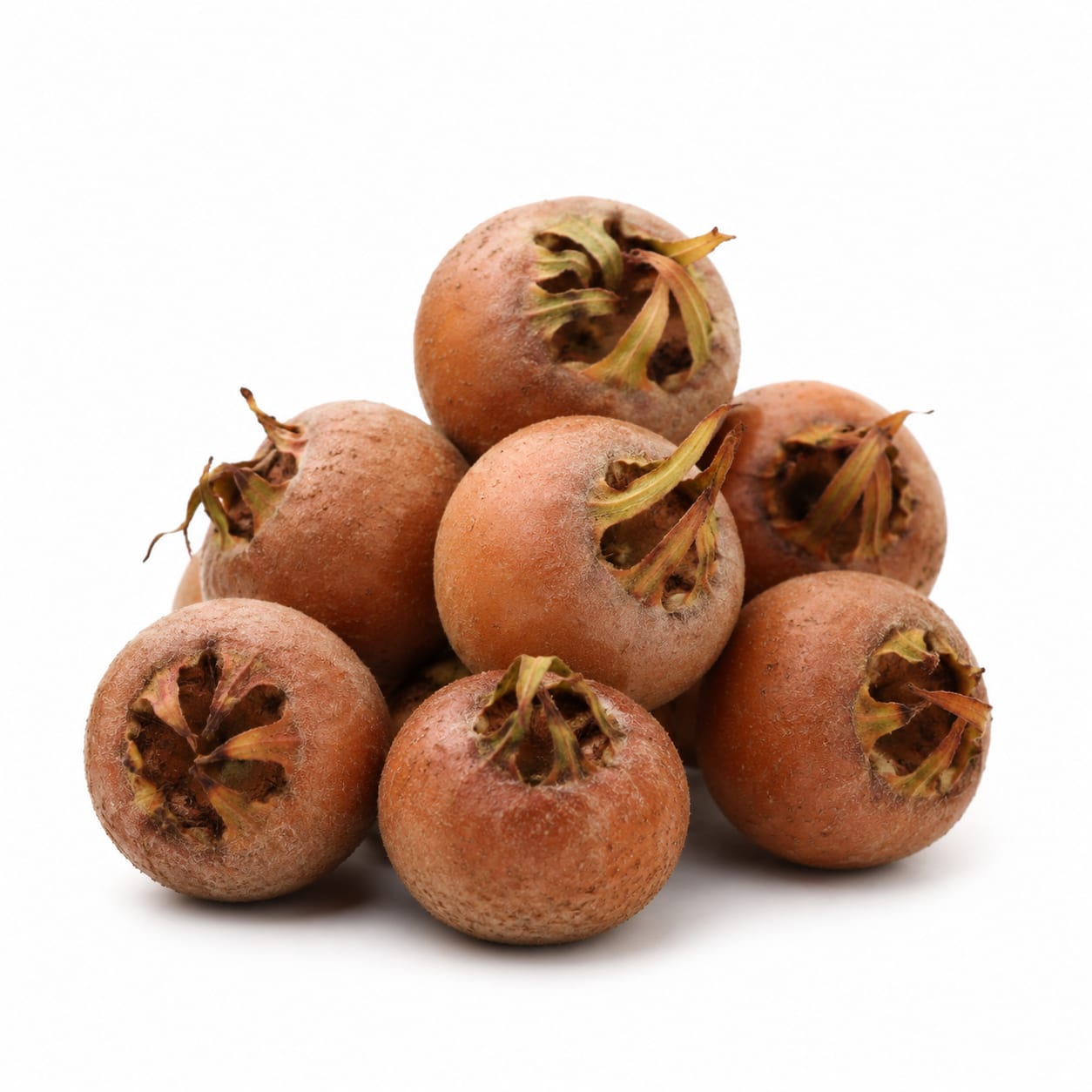
Medlar
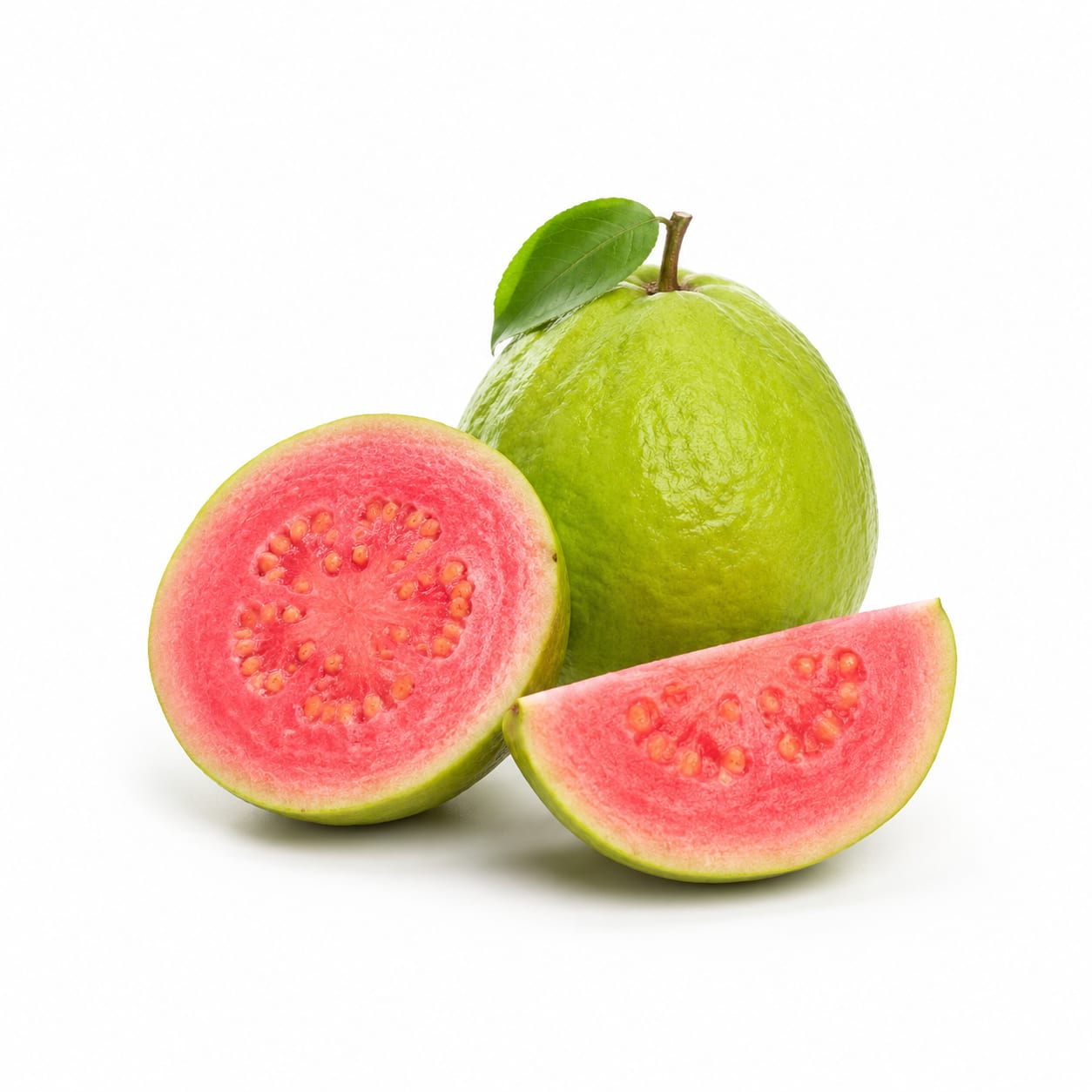
Guava
Guava is a nutritional powerhouse that easily fits into daily life, while Medlar is a niche, heritage fruit best enjoyed as a seasonal curiosity.
Guava scores significantly higher due to its exceptional micronutrient profile, superior fiber, and everyday accessibility. Medlar is a perfectly healthy fruit but cannot compete on nutritional density or practicality.
You are trading the extraordinary vitamin C and daily practicality of Guava for the unique, historical charm and soft custard-like texture of Medlar.
At a glance
Executive summary
Overall
Guava
Healthier
Guava
More practical
Guava
Daily use
Guava
Key comparison lenses
Vitamin C and micronutrient density
Guava is famously one of the most vitamin C-dense fruits on the planet, while Medlar offers only modest amounts.
Everyday practicality and availability
Guava is widely available in grocery stores, whereas Medlar is a rare, seasonal heritage fruit that requires specific ripening.
Blood sugar management
Guava has a remarkably low glycemic index and high fiber, making it a standout for glucose control compared to most fruits.
Digestive regularity
Both fruits offer good fiber, but Guava's edible seeds and overall higher fiber content give it an edge for digestion.
Best choice for
Medlar
- Fans of heritage and rare fruits
- Culinary adventurers seeking unique flavors
- Home gardeners in temperate climates
Guava
- Boosting immune health quickly
- Managing blood sugar levels
- Increasing daily fiber intake effortlessly
Least suitable for
Medlar
- People seeking high vitamin C sources
- Anyone needing convenient, ready-to-eat fruit
- Those who dislike mushy or custardy textures
Guava
- People with severe seed sensitivity or diverticulitis
- Those who dislike tropical floral flavors
Deep comparison
Dimension by dimension
Each lens scores both foods and breaks down who each option suits.
- Dimension 1 · Priority 95Guava
Micronutrient Density
Medlar · 30Guava · 98Guava absolutely dominates this category, providing hundreds of times more vitamin C than Medlar.
Tradeoff
Choosing Medlar means missing out on a massive immune-boosting vitamin C hit that Guava delivers effortlessly.
Why it matters
Vitamin C is crucial for immune function, skin health, and iron absorption. A single Guava often exceeds your daily needs.
Real-world impact
Eating Guava can help you fight off a cold and keep your skin glowing, whereas Medlar acts more like a mild, comforting snack.
Medlar
- Preventing vitamin C deficiency
- Fighting off seasonal illnesses
Worse for
Guava
- Immune support
- Collagen production
- Iron absorption
Better for
- Dimension 2 · Priority 85Guava
Digestive Health & Fiber
Medlar · 65Guava · 90Both fruits support digestion, but Guava provides significantly more fiber per serving, especially if you eat the seeds.
Tradeoff
Medlar offers gentle, pectin-based fiber that is easy on the stomach, while Guava offers robust insoluble fiber from its seeds for stricter regularity.
Why it matters
Higher fiber intake keeps you full longer and maintains steady digestion throughout the day.
Real-world impact
Guava's seeds act like a broom for your digestive tract, keeping you regular. Medlar is gentler, making it a better choice for sensitive stomachs.
Medlar
- Sensitive digestion
- Softer stool formation
Better for
- Managing chronic constipation
Worse for
Guava
- Daily regularity
- Prolonged fullness
Better for
- Those with strict seed-restricted diets
Worse for
- Dimension 3 · Priority 80Guava
Blood Sugar Stability
Medlar · 60Guava · 88Guava is widely recommended for diabetics because its high fiber and low sugar content prevent glucose spikes.
Tradeoff
Medlar's bletting process increases its natural sugars, making it slightly less stable for blood sugar compared to the fiber-rich Guava.
Why it matters
Avoiding blood sugar spikes prevents the afternoon energy crash and reduces cravings.
Real-world impact
Guava is a safe, energizing afternoon snack that will not cause a sugar crash, while Medlar might offer a quicker, shorter energy burst.
Medlar
- Insulin resistance management
Worse for
Guava
- Diabetics
- Steady afternoon energy
- Reducing sugar cravings
Better for
- Dimension 4 · Priority 90Guava
Accessibility & Preparation
Medlar · 20Guava · 85Guava is ready to eat straight from the store, while Medlar is rare and requires a weeks-long ripening process called bletting.
Tradeoff
Medlar demands patience and culinary effort, whereas Guava is an instant, grab-and-go health food.
Why it matters
If a healthy food is hard to find and prepare, you are much less likely to eat it regularly.
Real-world impact
You can easily add Guava to your daily routine, but Medlar is more of a special project for curious foodies.
Medlar
- Slow, mindful eating experiences
- Connecting with historical food traditions
Better for
- Convenience
- Grocery availability
Worse for
Guava
- Busy mornings
- Quick snack prep
- Consistent daily habits
Better for
Timeline
Health impact over time
Short-term
Hours to days
Medlar
- Provides gentle, comforting energy from natural sugars
- Offers mild digestive support from pectin
Guava
- Immediate immune system support from massive vitamin C dose
- Quick satiety from dense fiber and water content
Long-term
Months to years
Medlar
- Contributes to a diverse, seasonal diet
- Supports healthy cholesterol via pectin
Guava
- Significantly boosts antioxidant defenses against chronic disease
- Promotes long-term blood sugar health and digestive regularity
Risk profile
Safety & processing
Both Medlar and Guava are whole, natural fruits typically eaten in their raw, unprocessed state, making them exceptionally clean choices.
Medlar
Improper ripening
lowEating Medlar before it is fully bletted can cause unpleasant tannin astringency and mild stomach upset.
Mold during bletting
mediumThe bletting process requires careful monitoring; if the fruit becomes too mushy, it can easily grow mold and become unsafe.
Guava
Pesticide residue
mediumConventional Guava can carry pesticide residue on its skin, so washing thoroughly or choosing organic is advisable.
Seed-related discomfort
lowThe hard seeds can be tough on dental work or aggravate diverticulitis in susceptible individuals.
Who wins for whom
Audience fit
Same foods, different winners depending on your goal.
children
GuavaGuava's sweet, accessible flavor is usually kid-friendly, while Medlar's brown mushy texture and rare availability make it a hard sell for most kids.
daily consumption
GuavaGuava is easy to find, easy to eat, and provides a consistent daily boost of vitamin C and fiber without any special preparation.
diabetes
GuavaGuava has a very low glycemic index and its fiber actively slows sugar absorption, making it highly recommended for blood sugar management.
elderly
GuavaGuava supports immune health and regularity, which are critical for older adults, though the seeds might need to be avoided for those with severe dental or digestive issues.
muscle gain
It dependsNeither fruit is a significant protein source, though both offer decent carbohydrates for workout energy.
weight loss
GuavaGuava's high fiber and low calorie density keep you full for hours, making it far easier to stick to a calorie deficit.
Your move
Decision guide
Choose Medlar
- You are a foodie who loves exploring rare, historical ingredients
- You enjoy the slow, mindful process of ripening and bletting fruit
- You want a soft, apple-like comfort food for autumn and winter
Choose Guava
- You want maximum nutritional value in every bite
- You need a convenient, filling daily snack
- You are actively managing your blood sugar or immune health
Either works if
- You simply want a natural, whole-food sweet treat instead of processed junk
- You are looking to increase your daily fruit variety
Avoid both if
- You are on a strict very-low-carb or ketogenic diet
- You have severe fructose intolerance
Final recommendation
Make Guava your everyday fruit for its unbeatable nutrition and convenience, but seek out Medlar as a fun, seasonal adventure if you love culinary history and unique textures.
Practical
Consumer tips
- 1
If buying Medlar, pick firm fruits and let them blet in a cool, dark place until they feel like soft apples before eating.
- 2
Choose Guava that yields slightly to pressure for the best flavor and sweetness.
- 3
Wash Guava thoroughly under running water to remove potential pesticide residue from the skin.
- 4
If Guava seeds are too hard for your teeth, simply scoop out the center and eat the fleshy outer layer.
- 5
Do not refrigerate Medlar until the bletting process is complete, as cold temperatures halt ripening.