
Nutrition comparison
Medlar vs Fig: Nutrition, Sugar, Fiber, and Which Ancient Fruit Wins
Compare medlar and fig on sugar content, fiber, minerals, and practicality. Find out which heritage fruit is better for blood sugar, digestion, and daily eating.
Overall winner · Fig
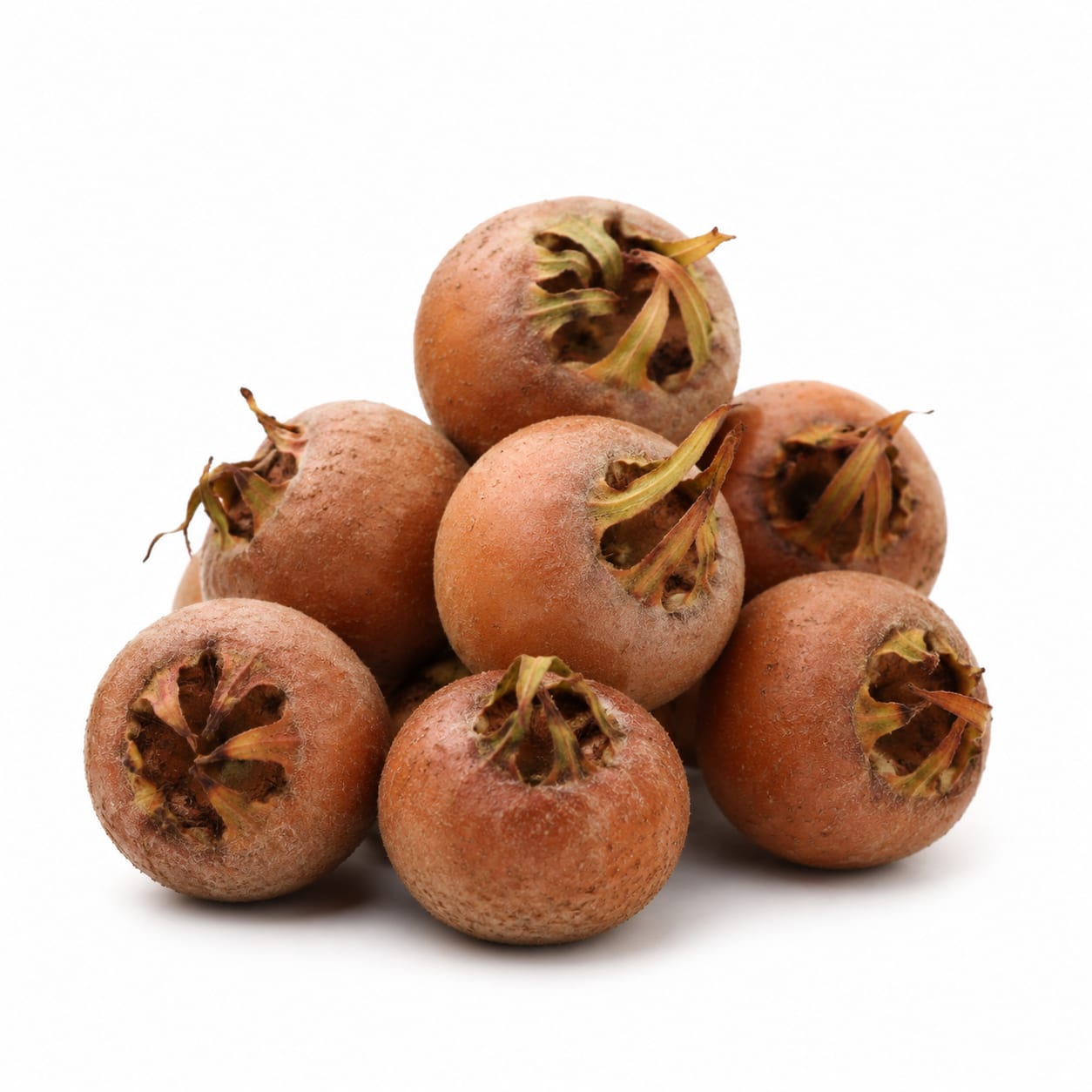
Medlar
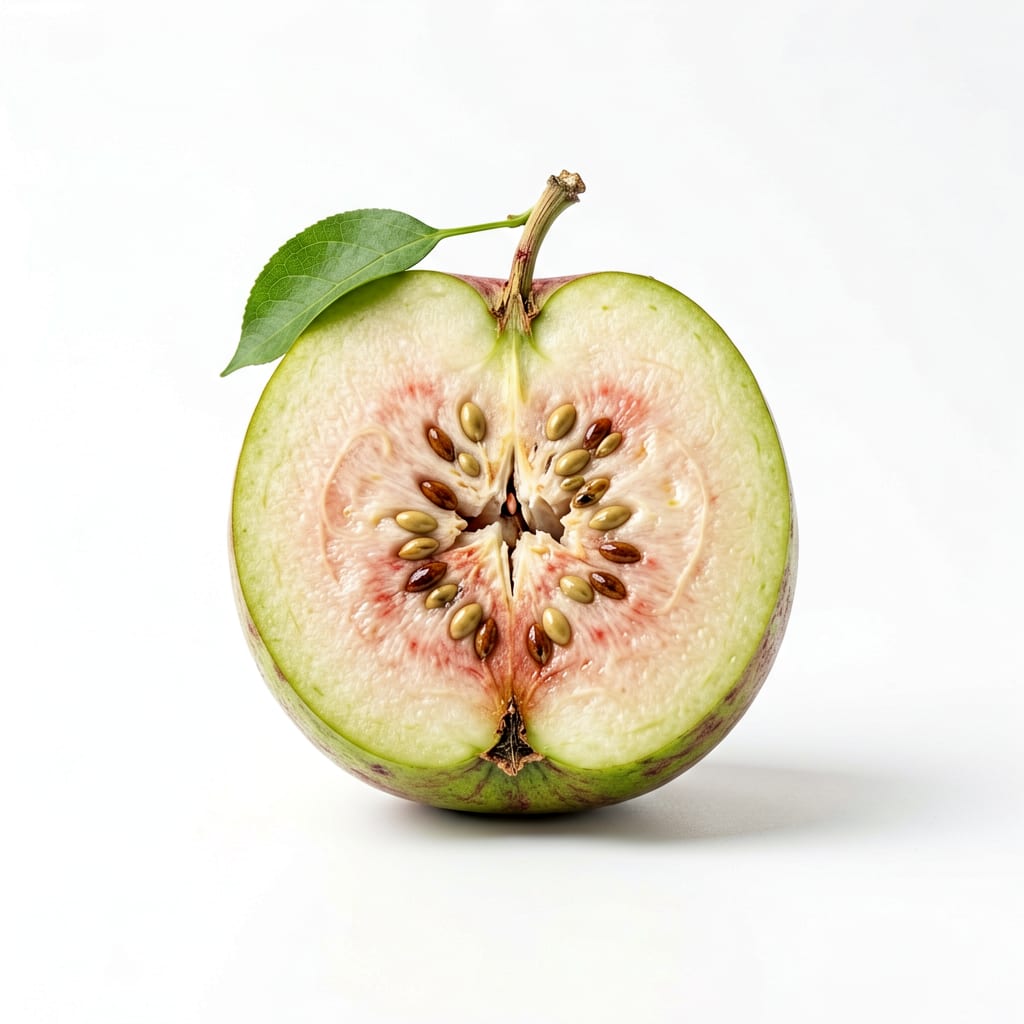
Fig
Figs offer superior nutrition, easier access, and more day-to-day usability, but medlars win for lower sugar and a uniquely tangy experience if you can find them.
Figs score notably higher due to superior availability, richer mineral content, and stronger evidence base for daily use. Medlars lose ground primarily on accessibility and the practical barrier of bletting, not on inherent quality. The confidence score is moderate because medlar nutritional data is less extensively studied.
Figs deliver more fiber, minerals, and convenience at the cost of higher sugar. Medlars offer a low-sugar, tannin-rich alternative but require patience and sourcing effort.
At a glance
Executive summary
Overall
Fig
Healthier
It depends
More practical
Fig
Daily use
Fig
Key comparison lenses
nutritional density and fiber
Both are traditional fruits with distinct fiber profiles and mineral content that drive their health value
blood sugar and sugar content
Figs are notably sweeter and higher in natural sugars, while medlars are tart and lower in sugar
availability and practicality
Medlars are extremely rare in stores and require bletting, whereas figs are widely available fresh and dried
digestive health
Both fruits have strong digestive traditions but through different mechanisms
antioxidant and anti inflammatory value
Both contain unique phenolic compounds worth comparing
Best choice for
Medlar
- People managing blood sugar who want a fruit with minimal sweetness
- Culinary adventurers seeking rare heritage flavors
- Those who enjoy slow, seasonal eating rituals
Fig
- Anyone needing a reliable, mineral-rich fruit staple
- Athletes or active people wanting natural energy with fiber
- People prioritizing digestive regularity and bone-supporting minerals
Least suitable for
Medlar
- Impatient snackers who want grab-and-go fruit
- Anyone who cannot source medlars locally or seasonally
- People who dislike tart or astringent flavors
Fig
- People on strict low-sugar or ketogenic diets
- Those prone to overeating dried fruit
- Individuals sensitive to high fiber loads introduced too quickly
Deep comparison
Dimension by dimension
Each lens scores both foods and breaks down who each option suits.
- Dimension 1 · Priority 92Fig
fiber_and_digestive_health
Medlar · 55Fig · 85Figs are a fiber powerhouse, especially dried, delivering both soluble and insoluble types. Medlars provide respectable fiber but less per serving.
Tradeoff
Figs give you more digestive bulk and regularity support, but their sweetness can trigger overeating. Medlars offer gentler fiber with tannins that may soothe the gut but less total impact.
Why it matters
Fiber is the single most underconsumed nutrient in modern diets. A fruit that makes a serious dent in your daily fiber goal is practically valuable.
Real-world impact
Eating two dried figs can provide roughly 3-4 grams of fiber. You would need nearly double the medlar volume for equivalent fiber, and medlars are harder to eat in quantity due to tartness.
Medlar
- People who want mild digestive stimulation without excess fiber
- Those who find high-fiber fruits cause bloating
Better for
- Those relying on fruit as a primary fiber source
Worse for
Fig
- Anyone struggling to hit daily fiber targets
- People seeking natural relief from occasional constipation
Better for
- People with irritable bowel who are sensitive to fermentable fibers
Worse for
- Dimension 2 · Priority 88Medlar
sugar_content_and_blood_sugar_impact
Medlar · 82Fig · 52Medlars are naturally low in sugar and have a tart, astringent profile. Figs, especially dried, are sugar-dense and can spike blood glucose if eaten in quantity.
Tradeoff
Medlars protect your blood sugar but deliver less immediate energy and satisfaction. Figs provide quick natural fuel but require portion discipline.
Why it matters
For anyone monitoring glucose, the difference between a low-sugar and high-sugar fruit is not trivial. Dried figs can contain over 40 grams of sugar per 100 grams.
Real-world impact
A handful of dried figs can hit your sugar budget fast. Medlars let you enjoy fruit without the glycemic rollercoaster, assuming you can acquire and enjoy them.
Medlar
- People with prediabetes or insulin resistance
- Low-carb dieters who still want fruit occasionally
Better for
- Athletes needing quick post-workout glycogen replenishment
Worse for
Fig
- Endurance athletes needing fast natural carbs
- Underweight individuals seeking calorie-dense whole food
Better for
- Diabetics who struggle with portion control on sweet foods
Worse for
- Dimension 3 · Priority 82Fig
mineral_density
Medlar · 45Fig · 88Figs are notably rich in potassium, calcium, magnesium, and iron. Medlars contain some minerals but at lower concentrations and with less documentation.
Tradeoff
Figs function almost like a mineral supplement in fruit form, while medlars contribute modestly. This gap widens significantly with dried figs.
Why it matters
Potassium and magnesium are widely deficient in modern diets. A food that delivers both meaningfully has real clinical relevance for blood pressure and muscle function.
Real-world impact
Five dried figs provide roughly 15% of your daily calcium and significant potassium. Medlars would require unrealistic quantities to match this.
Medlar
- Those who get minerals primarily from other sources and want fruit for variety
Better for
- Those relying on fruit as a meaningful mineral contributor
Worse for
Fig
- People who do not consume dairy and need plant calcium sources
- Anyone on diuretic medications losing potassium
Better for
- People on potassium-restricted diets due to kidney disease
Worse for
- Dimension 4 · Priority 85Fig
availability_and_convenience
Medlar · 18Fig · 82Figs are available fresh seasonally and dried year-round in nearly any grocery store. Medlars are obscure, seasonal, and require a bletting process before eating.
Tradeoff
Figs are ready when you are. Medlars demand planning, patience, and often a specialty source or home tree.
Why it matters
The healthiest food is the one you actually eat regularly. If a fruit is nearly impossible to find, its theoretical benefits matter less.
Real-world impact
You can buy figs today in most cities. Finding medlars may require farmers markets, specialty orchards, or growing your own, plus waiting days for bletting.
Medlar
- Home gardeners with medlar trees
- People who enjoy rare seasonal eating as a hobby
Better for
- Anyone without access to heritage fruit suppliers
Worse for
Fig
- Busy people who need reliable fruit access
- Anyone living outside specialty produce regions
Better for
- Those in regions where fresh figs are poor quality and only dried options exist
Worse for
- Dimension 5 · Priority 75Fig
antioxidant_and_anti_inflammatory_value
Medlar · 62Fig · 78Both fruits contain phenolic compounds and antioxidants. Figs have been more extensively studied and show strong anti-inflammatory and anticancer potential. Medlars contain notable tannins and flavonoids but with less research backing.
Tradeoff
Figs offer better-documented antioxidant benefits, especially in their darker varieties. Medlars have promising tannin content but the evidence base is thinner.
Why it matters
Chronic inflammation drives most age-related disease. Consistent intake of antioxidant-rich fruit is a practical long-term strategy.
Real-world impact
Dark-skinned figs provide visible anthocyanins and documented cellular protection. Medlars may offer similar benefits but you are betting on less-studied territory.
Medlar
- Those interested in tannin-rich traditional remedies
- People who value understudied heritage plant compounds
Better for
- Those who want proven, measurable antioxidant outcomes
Worse for
Fig
- Anyone prioritizing evidence-backed antioxidant intake
- People seeking variety in polyphenol sources alongside berries and tea
Better for
- People already eating diverse polyphenol-rich diets who need less redundancy
Worse for
- Dimension 6 · Priority 70Fig
culinary_versatility_and_enjoyment
Medlar · 48Fig · 80Figs pair beautifully with both sweet and savory dishes, from salads to desserts to cheese boards. Medlars have a niche appeal with a spiced applesauce-like flavor but limited recipe flexibility.
Tradeoff
Figs integrate easily into meals and snacks across contexts. Medlars offer a unique tasting experience but one that does not easily adapt to most recipes.
Why it matters
Food that is enjoyable and versatile gets eaten more often. Culinary flexibility directly impacts nutritional consistency.
Real-world impact
You can put figs on oatmeal, in salads, alongside prosciutto, or bake them. Medlars are mostly eaten alone or made into preserves, limiting their role in daily eating.
Medlar
- Adventurous cooks exploring medieval or heritage recipes
- People who enjoy fruit as a standalone experience rather than an ingredient
Better for
- Meal preppers who want fruit that works in multiple weekly recipes
Worse for
Fig
- Home cooks wanting a versatile fruit for multiple dishes
- Entertainers building cheese boards or appetizer spreads
Better for
- Those who find fresh figs too delicate and dried figs too sweet for savory use
Worse for
Timeline
Health impact over time
Short-term
Hours to days
Medlar
- Moderate blood sugar with no glycemic spike
- Mild astringency may create a drying mouthfeel that limits overeating
- Tannins can cause slight digestive slowdown in sensitive individuals
Fig
- Quick energy from natural sugars, especially dried figs
- Noticeable digestive motility improvement within hours due to fiber
- Potential for sugar crash if eaten in large quantities on an empty stomach
Long-term
Months to years
Medlar
- Consistent low-sugar fruit intake supports insulin sensitivity
- Tannin consumption may offer protective effects against certain infections
- Limited dietary impact if eaten rarely due to availability constraints
Fig
- Regular fig consumption supports bone density through calcium and magnesium
- Sustained fiber intake improves cardiovascular markers and gut microbiome diversity
- Risk of excess calorie intake if dried figs become a habitual high-sugar snack
Risk profile
Safety & processing
Both fruits are whole foods in their natural state. Fresh figs and fresh medlars are equally unprocessed. However, dried figs often contain sulfites as preservatives, so check labels if you are sensitive. Medlars are almost always consumed fresh because drying is uncommon for this fruit.
Medlar
Astringency from under-bletted fruit
lowEating medlars before they are fully bletted causes an unpleasant puckering sensation and can irritate the digestive tract mildly. Always wait until the flesh is soft and brown.
Seed choking hazard
lowMedlars contain several hard seeds that should not be bitten into or swallowed whole by young children.
Fig
Sulfite sensitivity from dried figs
mediumMany commercially dried figs contain sulfur dioxide to preserve color. People with asthma or sulfite sensitivity should seek unsulfured varieties.
Mold on dried figs
lowDried figs can develop mold if stored in humid conditions. Inspect before eating and store in a cool, dry place.
Ficusin and latex allergy cross-reaction
lowFresh figs contain ficin enzyme and natural latex compounds that can cause reactions in people with latex-fruit syndrome. Cooking denatures the enzyme.
Who wins for whom
Audience fit
Same foods, different winners depending on your goal.
children
FigFigs are sweeter, softer, and more appealing to kids. Medlars are tart, require bletting, and have hard seeds that pose a minor choking risk for young children.
daily consumption
FigFigs are accessible, versatile, and have a strong nutritional profile that rewards daily eating. Medlars are too seasonal and scarce for most people to consume regularly.
diabetes
MedlarMedlars have significantly less sugar and a lower glycemic impact. Figs, especially dried, can raise blood glucose noticeably.
elderly
FigFigs support bone density with calcium and magnesium, and their fiber helps with common age-related constipation. The sweetness also makes them enjoyable for diminished appetites.
muscle gain
FigFigs provide more carbohydrates for glycogen replenishment and more potassium for muscle recovery. The calorie density supports bulking goals.
weight loss
MedlarMedlars are lower in sugar and calories, and their tartness naturally limits overconsumption. Dried figs are calorie-dense and easy to overeat.
Your move
Decision guide
Choose Medlar
- You are managing blood sugar and want a fruit that will not spike glucose
- You have access to a medlar tree or a specialty source and enjoy seasonal eating
- You appreciate tart, complex flavors and find most fruit too sweet
- You want a low-sugar fruit that naturally prevents overeating through astringency
Choose Fig
- You want a reliable, mineral-rich fruit you can buy any week of the year
- Digestive regularity and fiber intake are priorities for you
- You need natural pre- or post-workout energy from whole food
- You enjoy versatile fruit that works in sweet and savory dishes
Either works if
- You are simply looking to diversify your fruit intake beyond apples and bananas
- You want whole-food antioxidants without resorting to supplements
- You value traditional and heritage foods with deep cultural histories
Avoid both if
- You have a severe fructose intolerance, as both contain fermentable sugars
- You are on a strict very-low-carb diet and cannot accommodate any fruit sugar
- You have known allergies to related plants in the Rosaceae family for medlars or Moraceae for figs
Final recommendation
Make figs your everyday fruit for their fiber, minerals, and convenience. If you encounter medlars during their brief season, treat them as a special low-sugar addition. The ideal approach is figs as the staple and medlars as the rare guest that keeps your fruit life interesting.
Practical
Consumer tips
- 1
Choose darker-skinned fig varieties like Black Mission for the highest antioxidant content
- 2
If buying dried figs, look for unsulfured versions to avoid sulfite exposure
- 3
Never eat a medlar straight from the tree; wait until the flesh is soft and browned from bletting
- 4
Pair figs with a protein or fat source like nuts or cheese to blunt the sugar impact
- 5
Store dried figs in the refrigerator to prevent mold in humid climates
- 6
Freeze overripe fresh figs for smoothies rather than letting them spoil
- 7
If growing medlars, harvest after the first frost for faster bletting