
Nutrition comparison
Medlar vs Apricot: Nutrition, Taste, and Which Fruit to Choose
Compare Medlar and Apricot side by side. Learn which fruit offers more vitamin A, potassium, and everyday value, and when the rare heritage Medlar is worth seeking out.
Overall winner · Apricot
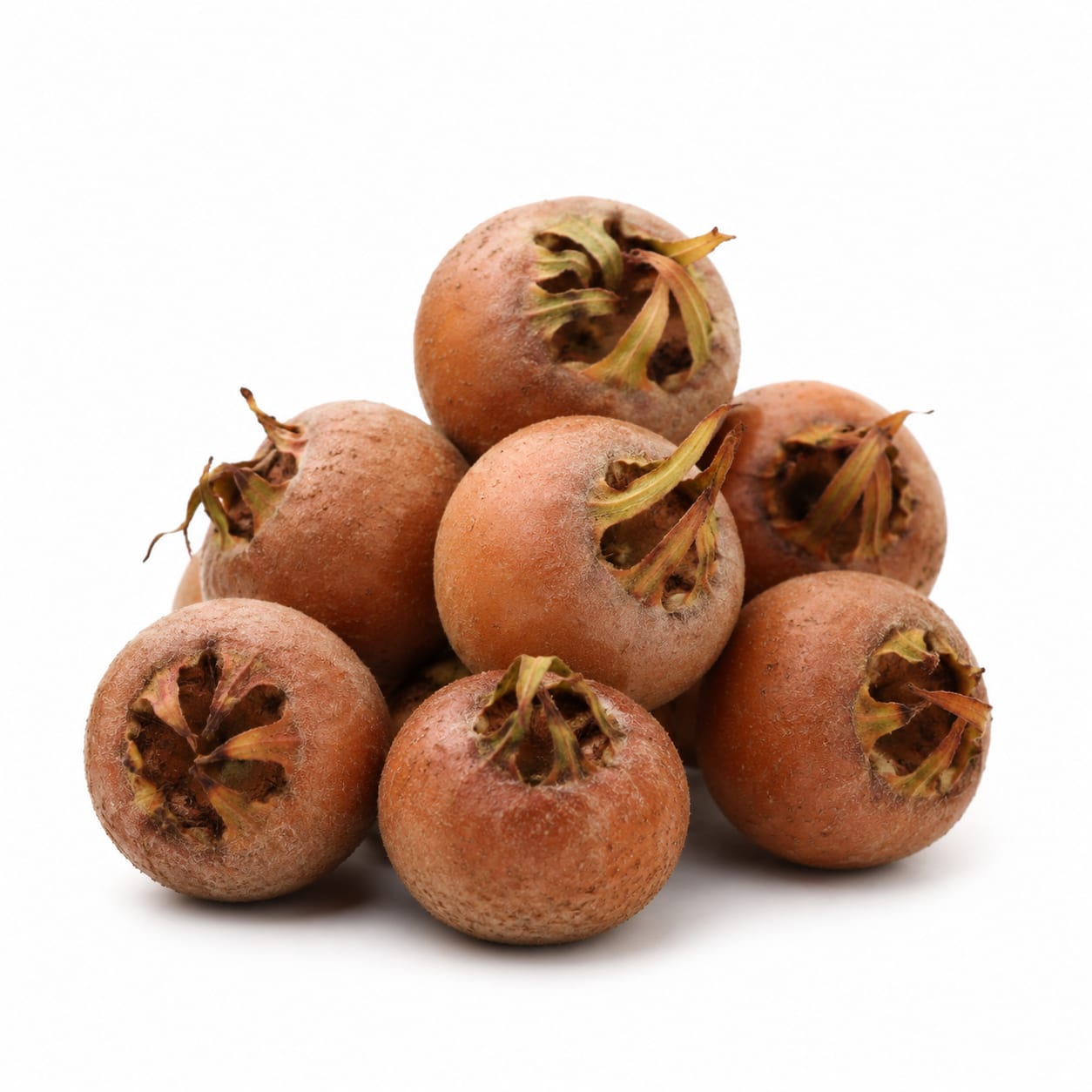
Medlar
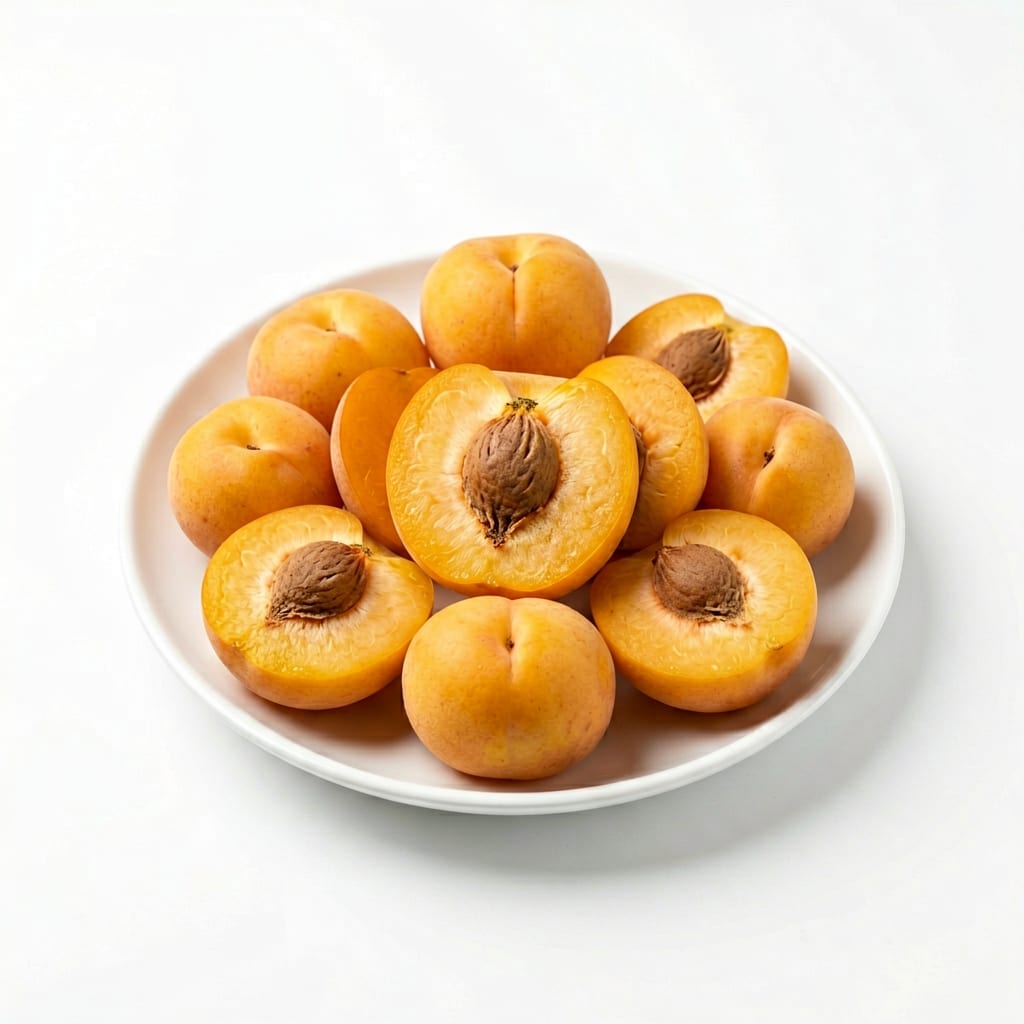
Apricot
Apricot wins on nutrition, availability, and everyday usability. Medlar is a charming heritage fruit but hard to find and nutritionally thinner.
Apricot scores significantly higher due to stronger nutrient density, wider availability, and better everyday practicality. Medlar is interesting but limited by rarity, seasonal constraints, and a thinner nutritional profile.
You trade Medlar's novelty and tannin richness for Apricot's superior vitamin A, potassium, and year-round convenience.
At a glance
Executive summary
Overall
Apricot
Healthier
Apricot
More practical
Apricot
Daily use
Apricot
Key comparison lenses
nutrient density comparison
Apricot delivers dramatically more vitamin A and potassium, while Medlar offers unique tannins and a different antioxidant profile
everyday practicality
Medlar is a rare heritage fruit that requires bletting to eat, whereas Apricot is widely available and ready to eat fresh
blood sugar and energy
Both are moderate-sugar fruits but differ in glycemic behavior and how they feel as a snack
safety and allergen concerns
Apricot seeds contain amygdalin and dried apricots often contain sulfites, while Medlar has tannin-related digestive considerations
culinary versatility
Apricot works in sweet and savory dishes year-round; Medlar is a niche ingredient with limited seasonal use
Best choice for
Medlar
- Culinary explorers seeking rare heritage flavors
- People interested in tannin-rich, astringent foods for gut stimulation
- Gardeners growing their own unusual fruit trees
- Anyone wanting a low-acid, spiced-flavor fruit experience
Apricot
- People who need more vitamin A for eye and skin health
- Those looking for a portable, everyday snack fruit
- Anyone monitoring potassium intake for heart or muscle function
- Families wanting a kid-friendly, widely available fruit
Least suitable for
Medlar
- People who need reliable, year-round fruit access
- Anyone sensitive to astringent or textured fruits
- Those seeking high vitamin A or potassium from fruit
- Busy households wanting grab-and-go convenience
Apricot
- People with sulfite sensitivity who buy dried apricots
- Those who accidentally consume apricot kernels thinking they are edible seeds
- Anyone on a strict low-sugar diet who finds fresh apricots too sweet
Deep comparison
Dimension by dimension
Each lens scores both foods and breaks down who each option suits.
- Dimension 1 · Priority 92Apricot
Vitamin and Mineral Density
Medlar · 35Apricot · 82Apricot is a strong source of vitamin A and potassium, while Medlar offers modest amounts of vitamin C and little else in standout quantities.
Tradeoff
Medlar provides some unique tannins and trace antioxidants not found in Apricot, but the core vitamin and mineral gap is substantial.
Why it matters
Vitamin A supports vision, immunity, and skin. Potassium helps blood pressure and muscle function. These are nutrients many people under-consume.
Real-world impact
Eating Apricots regularly can meaningfully contribute to your daily vitamin A needs. Medlar would barely move the needle on any key nutrient.
Medlar
- Those specifically seeking tannin-rich foods for gut stimulation
Better for
- Relying on Medlar for vitamin A or potassium would be ineffective
Worse for
Apricot
- Anyone needing more vitamin A for eye health
- People looking to boost potassium naturally
- Those wanting a fruit that contributes meaningfully to daily nutrient targets
Better for
- Dried apricots with sulfur dioxide may not suit sensitive individuals
Worse for
- Dimension 2 · Priority 85Apricot
Everyday Availability and Convenience
Medlar · 15Apricot · 88Apricot is available fresh in season, dried year-round, and in many prepared forms. Medlar is a niche heritage fruit rarely found outside specialty markets or home gardens.
Tradeoff
Medlar offers a unique eating experience and connection to culinary history, but you will struggle to find it at most grocery stores.
Why it matters
A fruit you can actually buy and eat regularly matters more than one that is theoretically superior but unavailable.
Real-world impact
You can grab an apricot at nearly any supermarket. Finding Medlar may require growing it yourself or visiting specialty orchards in autumn.
Medlar
- Home gardeners with Medlar trees who enjoy the bletting process
Better for
- Almost impossible to find commercially in most regions
- Requires bletting before eating, adding preparation time
Worse for
Apricot
- Anyone who shops at regular grocery stores
- People who want a reliable fruit option in any season
- Those who value grab-and-go snacking
Better for
- Out-of-season fresh apricots can be bland and mealy
Worse for
- Dimension 3 · Priority 72It depends
Blood Sugar and Energy Stability
Medlar · 58Apricot · 55Both fruits have moderate sugar content. Medlar's tannins may slightly slow sugar absorption, while Apricot's fiber and lower glycemic load make it steady enough for most people.
Tradeoff
Medlar might offer marginally steadier blood sugar due to tannins, but the difference is small and hard to notice in practice.
Why it matters
For people managing diabetes or energy crashes, how a fruit affects blood sugar matters more than its vitamin content.
Real-world impact
Both are reasonable snack choices that will not cause dramatic spikes for most people. Pairing either with a protein or fat source levels things out further.
Medlar
- Those who find tannin-rich foods gentler on blood sugar
- People who prefer very small, slow-eating fruit portions
Better for
- The bletting process concentrates sugars, which could raise glycemic impact
Worse for
Apricot
- Anyone wanting a quick pre-workout energy source
- Those who find moderate-sugar fruits perfectly fine for steady energy
Better for
- Dried apricots are much more sugar-dense per serving than fresh
Worse for
- Dimension 4 · Priority 75Apricot
Antioxidant and Anti-inflammatory Profile
Medlar · 50Apricot · 72Apricot delivers beta-carotene and other carotenoids with strong anti-inflammatory evidence. Medlar contains tannins and phenolic compounds but has far less research backing.
Tradeoff
Medlar's tannins are genuinely interesting but understudied. Apricot's carotenoids are well-proven and present in meaningful amounts.
Why it matters
Chronic inflammation drives many diseases. Choosing fruits with proven anti-inflammatory compounds is a practical long-term strategy.
Real-world impact
Regular apricot consumption contributes to your body's antioxidant defenses in a measurable way. Medlar might help, but the evidence is thin.
Medlar
- Those interested in traditional or under-researched plant compounds
Better for
- Lack of clinical research means benefits are theoretical
Worse for
Apricot
- Anyone prioritizing well-studied antioxidants with proven benefits
- People focused on skin and eye protection from oxidative stress
Better for
- Dried apricots lose some carotenoid content during processing
Worse for
- Dimension 5 · Priority 68It depends
Digestive Tolerance and Gut Health
Medlar · 55Apricot · 60Both fruits offer modest fiber. Medlar's tannins can be astringent and irritating for some but stimulating for others. Apricot is gentler and more predictable.
Tradeoff
Medlar might stimulate digestion through tannins but can also cause discomfort. Apricot is safer for sensitive stomachs.
Why it matters
A fruit that causes bloating or irritation is not a healthy choice regardless of its nutrient profile.
Real-world impact
If you have a sensitive gut, Apricot is the safer bet. If you tolerate tannins well, Medlar could add interesting digestive variety.
Medlar
- People who tolerate tannins and find them digestively stimulating
Better for
- Tannins can cause nausea or irritation in sensitive people
- Astringency when under-bletted is unpleasant and mouth-drying
Worse for
Apricot
- Those with sensitive digestion who need gentle, predictable fruit
- Children and elderly individuals with more delicate stomachs
Better for
- Dried apricots can cause digestive upset if eaten in large quantities due to concentrated fiber and sugar
Worse for
Timeline
Health impact over time
Short-term
Hours to days
Medlar
- Mild astringency can feel drying in the mouth if not fully bletted
- Modest energy from natural sugars without dramatic spikes
- Tannins may stimulate digestive activity in some people
Apricot
- Quick but steady energy from moderate natural sugars
- Gentle on the stomach when eaten fresh
- Hydrating due to high water content in fresh form
Long-term
Months to years
Medlar
- Tannin intake may support gut microbiome diversity, though evidence is limited
- Unlikely to contribute meaningfully to vitamin A or potassium targets
- Novelty factor may encourage broader fruit variety in diet
Apricot
- Consistent beta-carotene intake supports eye health and immune function over time
- Regular potassium intake helps maintain healthy blood pressure
- Carotenoid consumption associated with lower oxidative stress and skin protection
Risk profile
Safety & processing
Both fruits are whole, unprocessed foods in their fresh form. However, dried apricots are commonly treated with sulfur dioxide to preserve color, which is a concern for sulfite-sensitive individuals. Medlar is almost always consumed fresh or preserved traditionally without additives.
Medlar
Tannin-related digestive irritation
lowHigh tannin content in under-bletted Medlar can cause nausea or stomach discomfort in sensitive individuals. Proper bletting reduces this significantly.
Mold during bletting process
mediumThe bletting process involves letting fruit soften to near-fermentation, which can invite mold if not monitored. Only bletted fruit that smells sweet and spiced should be eaten.
Apricot
Apricot kernel toxicity
highApricot kernels contain amygdalin, which releases cyanide when digested. Eating even a small number of crushed kernels can be dangerous. Never eat the pits.
Sulfite exposure from dried apricots
mediumMost commercially dried apricots contain sulfur dioxide to preserve color. This can trigger asthma or allergic reactions in sulfite-sensitive people. Unsulfured options exist but are brown and less common.
Pesticide residue on conventional apricots
lowConventional apricots may carry pesticide residues. Washing thoroughly or choosing organic reduces this concern.
Who wins for whom
Audience fit
Same foods, different winners depending on your goal.
children
ApricotApricot is sweet, familiar, easy to eat, and safe for kids. Medlar's unusual texture and astringency make it a hard sell for most children.
daily consumption
ApricotApricot is available, affordable, and nutritionally meaningful enough to eat daily. Medlar is a seasonal specialty best enjoyed occasionally.
diabetes
It dependsBoth are moderate-sugar fruits that can fit a diabetes-friendly diet in proper portions. Fresh apricots have a lower glycemic index. Medlar's tannins may slightly blunt sugar absorption. Either works if paired with protein or fat.
elderly
ApricotApricot's soft texture, vitamin A for vision support, and potassium for heart health make it more appropriate for older adults. Medlar's astringency and rarity add unnecessary complexity.
muscle gain
ApricotNeither fruit is a muscle-building food, but Apricot provides more potassium which supports muscle function and recovery.
weight loss
ApricotApricot is lower in calories per serving when fresh, more satisfying due to water content, and easier to portion control. Dried apricots are calorie-dense and should be limited.
Your move
Decision guide
Choose Medlar
- You grow Medlars or have access to a specialty source and want to explore heritage fruit
- You enjoy the bletting process and find the spiced, custard-like texture appealing
- You are curious about tannin-rich foods and their potential gut health effects
- You want a conversation-starting fruit that most people have never tried
Choose Apricot
- You want a reliable, nutrient-dense fruit you can find at any grocery store
- Eye health, skin health, or blood pressure management are priorities for you
- You need a kid-friendly snack or lunchbox fruit
- You want something you can eat daily without special preparation
Either works if
- You simply want a serving of whole fruit and both are available
- You are rotating through different fruits for dietary variety
- You are pairing fruit with a protein source for a balanced snack
Avoid both if
- You are on a strict very-low-sugar diet and need to minimize all fruit sugar
- You have a specific fruit allergy to stone fruits or related species
- You are seeking a high-protein or high-fat food source, which neither provides
Final recommendation
Apricot is the clear everyday choice. It delivers real nutritional value, is easy to find, and fits seamlessly into daily life. Medlar is worth trying if you encounter it, for the experience and the connection to culinary history, but it cannot compete as a staple fruit. If you find fresh Medlars, enjoy them as a seasonal treat, then return to Apricots for your regular fruit routine.
Practical
Consumer tips
- 1
If you buy dried apricots and are sensitive to sulfites, look for unsulfured brown dried apricots at health food stores.
- 2
Never eat apricot kernels or crush apricot pits. They contain amygdalin and can cause cyanide poisoning.
- 3
If bletting Medlars at home, check daily for mold and discard any fruit that smells fermented rather than sweet.
- 4
Fresh apricots ripen quickly at room temperature. Refrigerate once ripe to buy yourself a few extra days.
- 5
Pair either fruit with a handful of nuts or a dollop of yogurt for a more balanced, satisfying snack that stabilizes blood sugar.
- 6
Organic apricots reduce pesticide exposure and are worth considering if you eat them frequently.