
Nutrition comparison
Medlar vs Apple: Nutrition, Taste, and Which Fruit to Choose
Compare medlar and apple on nutrition, sugar content, fiber, convenience, and health benefits. Find out which fruit fits your lifestyle and when to choose each.
Overall winner · Apple
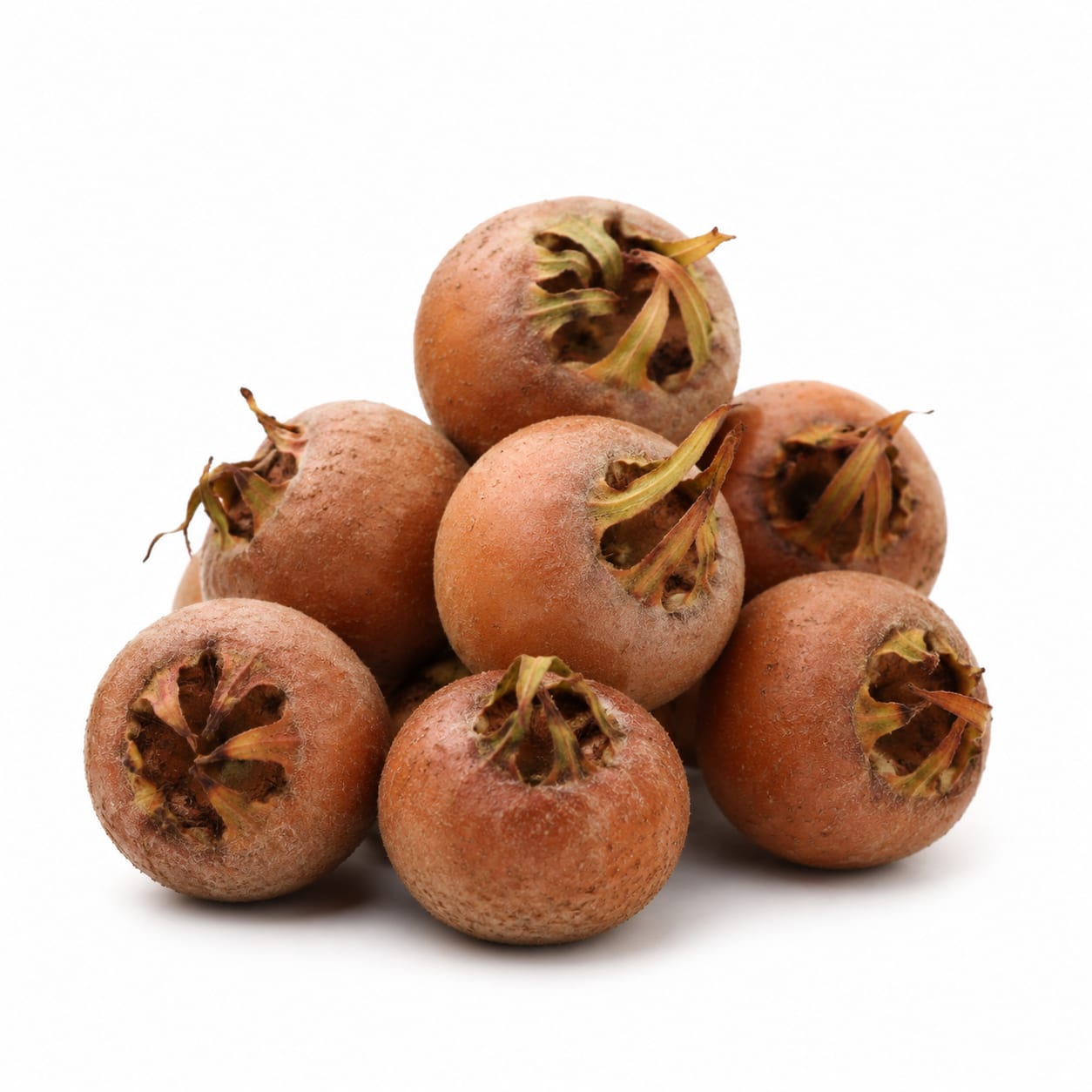
Medlar
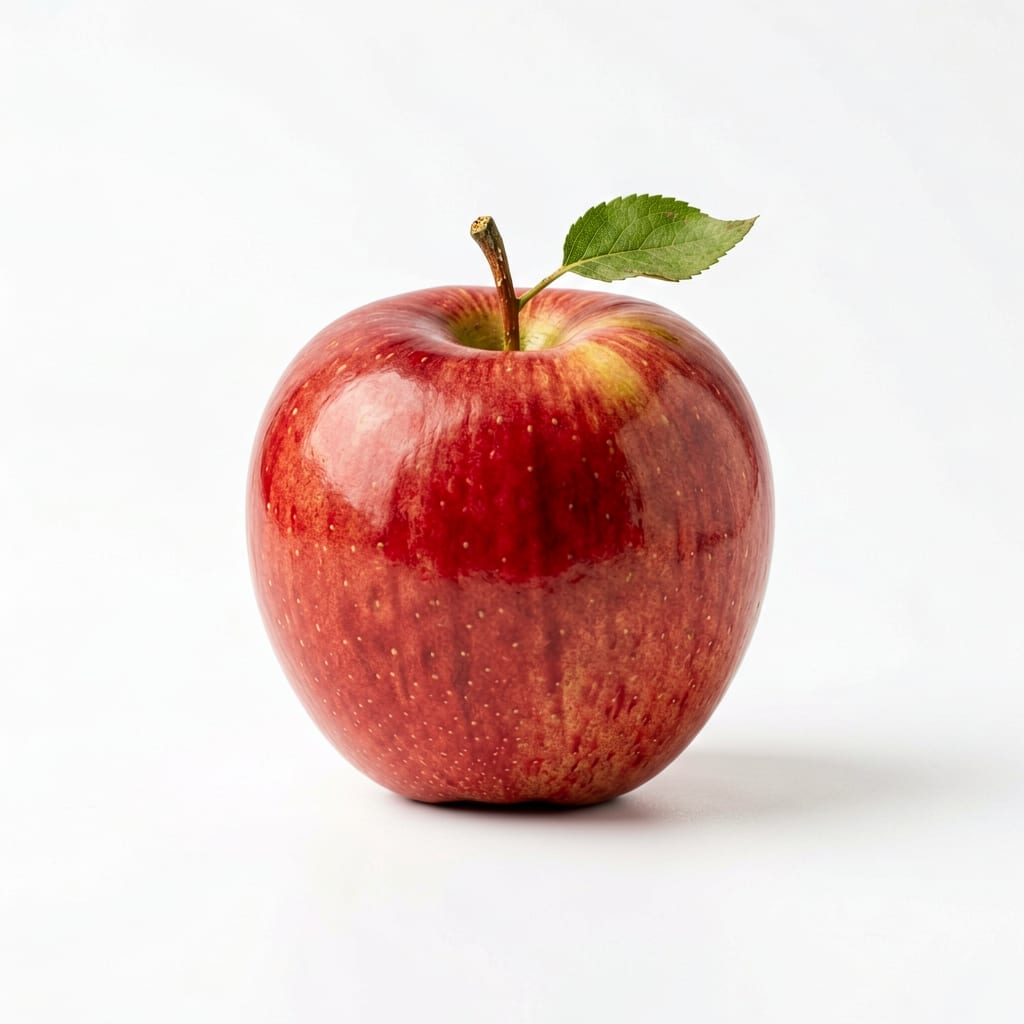
Apple
Apples win on practicality, consistency, and breadth of health evidence. Medlar offers a charming, lower-sugar alternative but is harder to find and requires patience to eat.
Apples score notably higher due to superior accessibility, stronger evidence base, and everyday practicality. Medlar is nutritionally respectable but hampered by limited availability, a short season, and the need for bletting before consumption.
You trade the apple's reliable convenience and well-documented benefits for medlar's unique spiced flavor and slightly gentler blood sugar profile.
At a glance
Executive summary
Overall
Apple
Healthier
Apple
More practical
Apple
Daily use
Apple
Key comparison lenses
everyday fruit choice for health and convenience
Most users are deciding between a common staple fruit and a niche heritage fruit for regular consumption
accessibility and practical eating
Medlar requires bletting and is seasonal; apples are available year-round, making convenience a major factor
nutritional value and antioxidant comparison
Both are tree fruits with distinct phytonutrient profiles worth understanding
blood sugar and digestive health
Both are fiber-rich fruits that affect glycemic response and gut health differently
culinary versatility and enjoyment
Medlar has a unique spiced flavor but limited uses; apples are incredibly versatile
Best choice for
Medlar
- Curious eaters seeking a heritage fruit experience
- Those wanting a lower-sugar, dessert-like fruit without added sweeteners
- Gardeners growing their own unusual fruit
- People looking for gentle digestive support from a softer fruit
Apple
- Anyone needing a reliable daily fruit habit
- Families wanting an affordable, kid-friendly snack
- People prioritizing heart health and cholesterol management
- Athletes needing portable pre-workout energy
Least suitable for
Medlar
- People who want grab-and-go convenience
- Anyone outside medlar's narrow growing season and region
- Those who dislike soft, textured fruit
- Consumers on a tight grocery budget seeking maximum nutrition per dollar
Apple
- People with severe oral allergy syndrome to birch pollen
- Those strictly limiting fructose intake
- Anyone bored with common fruit and seeking novelty
Deep comparison
Dimension by dimension
Each lens scores both foods and breaks down who each option suits.
- Dimension 1 · Priority 90Apple
Fiber and Digestive Health
Medlar · 68Apple · 82Apples provide more total fiber per serving, especially pectin, which feeds beneficial gut bacteria and helps lower cholesterol. Medlar offers decent fiber but in a smaller, softer package.
Tradeoff
Medlar's softer texture may be easier on sensitive stomachs, but apples deliver more proven prebiotic benefit overall.
Why it matters
Fiber is the unsung hero of long-term health, affecting everything from satiety to immune function. More fiber with variety is almost always better.
Real-world impact
An apple a day genuinely helps keep you regular and fuller between meals. Medlar supports digestion gently but you would need to eat more to match the fiber intake.
Medlar
- People with sensitive digestion who prefer soft, easily broken-down fruit
Better for
- Those counting on a single fruit to meet significant daily fiber needs
Worse for
Apple
- Anyone building a high-fiber eating pattern
- People managing cholesterol through diet
Better for
- People with irritable bowel syndrome who react to raw fibrous fruit
Worse for
- Dimension 2 · Priority 85Medlar
Blood Sugar Stability
Medlar · 79Apple · 72Medlar has slightly less sugar per serving and a softer glycemic impact when bletted. Apples are moderate on the glycemic index but contain more total carbohydrates.
Tradeoff
Medlar's lower sugar comes with a smaller portion size and less satiety, so you may end up eating more of something else to feel full.
Why it matters
Steadier blood sugar means fewer energy crashes and better cravings control throughout the day.
Real-world impact
A medlar feels like a light, sweet treat without the sugar spike. An apple gives you more sustained energy but with a slightly higher glucose load.
Medlar
- People carefully monitoring sugar intake
- Those with prediabetes seeking lower-sugar fruit options
Better for
- Anyone expecting a single medlar to hold them over between meals
Worse for
Apple
- Active people who need steady carbohydrate fuel
- Those wanting a filling snack that prevents overeating later
Better for
- Very insulin-resistant individuals who are sensitive to even moderate carbohydrate loads
Worse for
- Dimension 3 · Priority 80Apple
Antioxidant and Phytonutrient Profile
Medlar · 65Apple · 78Apples are rich in quercetin, catechin, and chlorogenic acid, all well-studied for anti-inflammatory and cardiovascular benefits. Medlar contains antioxidants but has far less research confirming specific health outcomes.
Tradeoff
Medlar's antioxidant profile is likely unique and potentially valuable, but the evidence gap is real. Apples deliver proven, measurable benefits.
Why it matters
Antioxidants protect cells from daily wear and tear. Proven compounds with human data matter more than theoretical benefits.
Real-world impact
Regular apple consumption is linked to lower risk of heart disease and certain cancers. Medlar may offer similar protection, but nobody can confidently say so yet.
Medlar
- Those interested in diverse, less-studied polyphenols that may complement other fruits
Better for
- Evidence-driven consumers who want proven outcomes, not possibilities
Worse for
Apple
- Anyone prioritizing evidence-based antioxidant intake
- People focused on long-term cardiovascular protection
Better for
- People already eating apples daily who may benefit from diversifying their polyphenol sources
Worse for
- Dimension 4 · Priority 92Apple
Convenience and Accessibility
Medlar · 25Apple · 95Apples are available everywhere, year-round, at every price point. Medlar is seasonal, regional, and requires bletting before eating, which takes days to weeks.
Tradeoff
Medlar's rarity makes it special but impractical. You cannot build a daily fruit habit around something you cannot reliably buy.
Why it matters
The healthiest food is the one you actually eat consistently. Convenience drives consistency more than nutrition knowledge.
Real-world impact
You can grab an apple at any grocery store, gas station, or farmers market. Finding medlar requires specialty growers, foraging, or growing your own tree.
Medlar
- Home gardeners with medlar trees who enjoy the slow-food tradition
Better for
- Everyone who cannot access a specialty fruit supplier or grow their own
Worse for
Apple
- Busy people who need reliable nutrition without planning
- Parents packing school lunches
- Anyone who shops at regular grocery stores
Better for
- People who find apples boring and need novelty to stay engaged with fruit eating
Worse for
- Dimension 5 · Priority 82Apple
Satiety and Portion Satisfaction
Medlar · 55Apple · 80A medium apple is crunchy, filling, and takes time to chew, all of which signal fullness to your brain. A medlar is small and soft, eaten quickly, and less likely to satisfy on its own.
Tradeoff
Medlar feels like a light indulgence rather than a substantial snack. Apples work as a bridge between meals.
Why it matters
Foods that keep you full prevent compensatory snacking, which undermines any nutritional advantage.
Real-world impact
An apple at 3pm can carry you to dinner. A medlar is more like a small dessert that leaves you reaching for something else.
Medlar
- Those wanting a light after-dinner treat rather than a filling snack
Better for
- Those relying on fruit alone to manage hunger between meals
Worse for
Apple
- People using fruit as a between-meal hunger bridge
- Anyone trying to reduce overall calorie intake by choosing more filling foods
Better for
- Late-night snackers who find that eating an apple too close to bed causes discomfort
Worse for
- Dimension 6 · Priority 70Apple
Culinary Versatility
Medlar · 45Apple · 88Apples work raw, baked, sauced, juiced, dried, and in savory or sweet dishes across dozens of cuisines. Medlar is traditionally used in preserves, cheeses, and a few desserts, with limited modern culinary adoption.
Tradeoff
Medlar has a distinctive spiced, wine-like flavor that is hard to replicate, but you will struggle to find recipes. Apples are endlessly adaptable but familiar to the point of monotony.
Why it matters
Versatility keeps healthy eating interesting. The more ways you can prepare a food, the less likely you are to abandon it.
Real-world impact
You can put apples in salads, oatmeal, smoothies, pies, and savory dishes for months without repeating yourself. Medlar gives you a few special recipes and then you are searching for ideas.
Medlar
- Adventurous home cooks who enjoy researching and experimenting with heritage ingredients
Better for
- Those who want quick, simple meal integration without research
Worse for
Apple
- Meal preppers who want one fruit that works in sweet and savory contexts
- Families needing kid-friendly recipes
Better for
- Experienced cooks tired of apple-based everything who crave new flavors
Worse for
Timeline
Health impact over time
Short-term
Hours to days
Medlar
- Gentle blood sugar response with minimal spike
- Soft texture is kind to sensitive stomachs and sore mouths
- Moderate satiety that may require pairing with protein or fat to feel full
Apple
- Noticeable but steady energy lift that lasts 1-2 hours
- Crunchy chewing promotes satiety signaling
- Raw apple may cause bloating in fructose-sensitive individuals
Long-term
Months to years
Medlar
- Likely cardiovascular and anti-inflammatory benefits from polyphenols, though evidence is limited
- Consistent low-sugar fruit intake supports metabolic health
- Heritage fruit diversity may benefit gut microbiome variety
Apple
- Well-documented reduction in cardiovascular disease risk with regular consumption
- Pectin fiber supports cholesterol management and gut health over time
- Consistent apple intake is associated with lower risk of type 2 diabetes and certain cancers
Risk profile
Safety & processing
Both fruits are whole, unprocessed foods in their natural state. Medlar may occasionally be sold as preserves or cheese with added sugar, so check labels. Apples are sometimes coated with edible wax in supermarkets, which is harmless but worth knowing about.
Medlar
Improper bletting leading to unpalatable or fermented fruit
lowIf medlar is eaten before full bletting, it will be astringent and unpleasant. Fermentation can occur if bletting goes too long, causing mild stomach upset.
Pesticide exposure from non-organic sources
lowLimited commercial production means most medlars are grown on a small scale with fewer chemical inputs, but this varies by source.
Apple
Pesticide residue on conventionally grown apples
mediumApples consistently rank high on the Environmental Working Group's Dirty Dozen list. Washing helps, but some residues persist. Peeling removes most but also removes fiber and nutrients.
Oral allergy syndrome in birch pollen-sensitive individuals
mediumPeople with birch pollen allergy may experience itching and swelling in the mouth when eating raw apples. Cooking denatures the allergen protein.
Wax coatings on supermarket apples
lowCommercial apples are often coated with shellac or carnauba wax to improve appearance and shelf life. These are food-safe but may trap pesticide residue underneath.
Who wins for whom
Audience fit
Same foods, different winners depending on your goal.
children
AppleApples are familiar, crunchy, fun to eat, and widely accepted by kids. Medlar's soft, brown texture and unfamiliar flavor are a hard sell for most children.
daily consumption
AppleApples are available 365 days a year, store well, travel well, and require no preparation. Daily habits require reliable access.
diabetes
MedlarMedlar's lower sugar content and gentler glycemic impact make it slightly more appropriate for careful blood sugar management, though both are reasonable in moderation.
elderly
MedlarMedlar's soft, spoonable texture is easier to eat for those with dental issues or swallowing difficulties. Apples require significant chewing effort.
muscle gain
AppleNeither fruit is a protein source, but apples offer more carbohydrate energy for training fuel and are easy to eat before or after workouts.
weight loss
AppleApples provide more volume and fiber per calorie, keeping you fuller longer and reducing the urge to snack on higher-calorie foods.
Your move
Decision guide
Choose Medlar
- You grow medlars or have access to a specialty supplier and want to enjoy a heritage fruit
- You prefer softer, lower-sugar fruit for gentle blood sugar management
- You have dental or swallowing difficulties that make crunchy fruit challenging
- You are curious about historical and traditional foods and enjoy the slow-food experience
Choose Apple
- You want a dependable daily fruit that is always available and affordable
- Your priority is proven long-term health benefits backed by extensive research
- You need a filling snack that bridges meals without extra planning
- You cook regularly and want a versatile fruit for both sweet and savory dishes
Either works if
- You simply want a whole-food fruit snack and both are available
- You are focused on reducing ultra-processed food intake and either option fits that goal
- You enjoy rotating different fruits for gut microbiome diversity
Avoid both if
- You have severe fructose intolerance or hereditary fructose malabsorption
- You are on a strictly very-low-carb ketogenic protocol that limits all fruit
Final recommendation
Make apples your daily staple fruit. They are practical, well-studied, and genuinely support long-term health. If you encounter medlars during their brief season, enjoy them as a special treat that adds diversity and a unique spiced flavor to your fruit rotation. Think of medlar as a conversation piece, not a replacement.
Practical
Consumer tips
- 1
Choose organic apples when possible, especially if you eat the skin, to reduce pesticide exposure
- 2
If you find medlars, let them blet fully at room temperature until soft and browned before eating for the best flavor and texture
- 3
Pair either fruit with a handful of nuts or a spoonful of nut butter to make a more balanced, satiating snack
- 4
Store apples in the refrigerator to extend freshness for weeks; medlars should be bletted at room temperature then refrigerated and used within a few days
- 5
Wash apples thoroughly under running water and rub the skin to remove wax and residue, even if you plan to peel them
- 6
Try medlar cheese or preserves if fresh medlar is unavailable in your area, but watch for added sugar content