
Nutrition comparison
Mango vs Avocado: Which Is Healthier for Daily Eating?
Compare Mango and Avocado on sugar, satiety, heart health, and weight management. Find out which fruit fits your goals better and how to use both wisely.
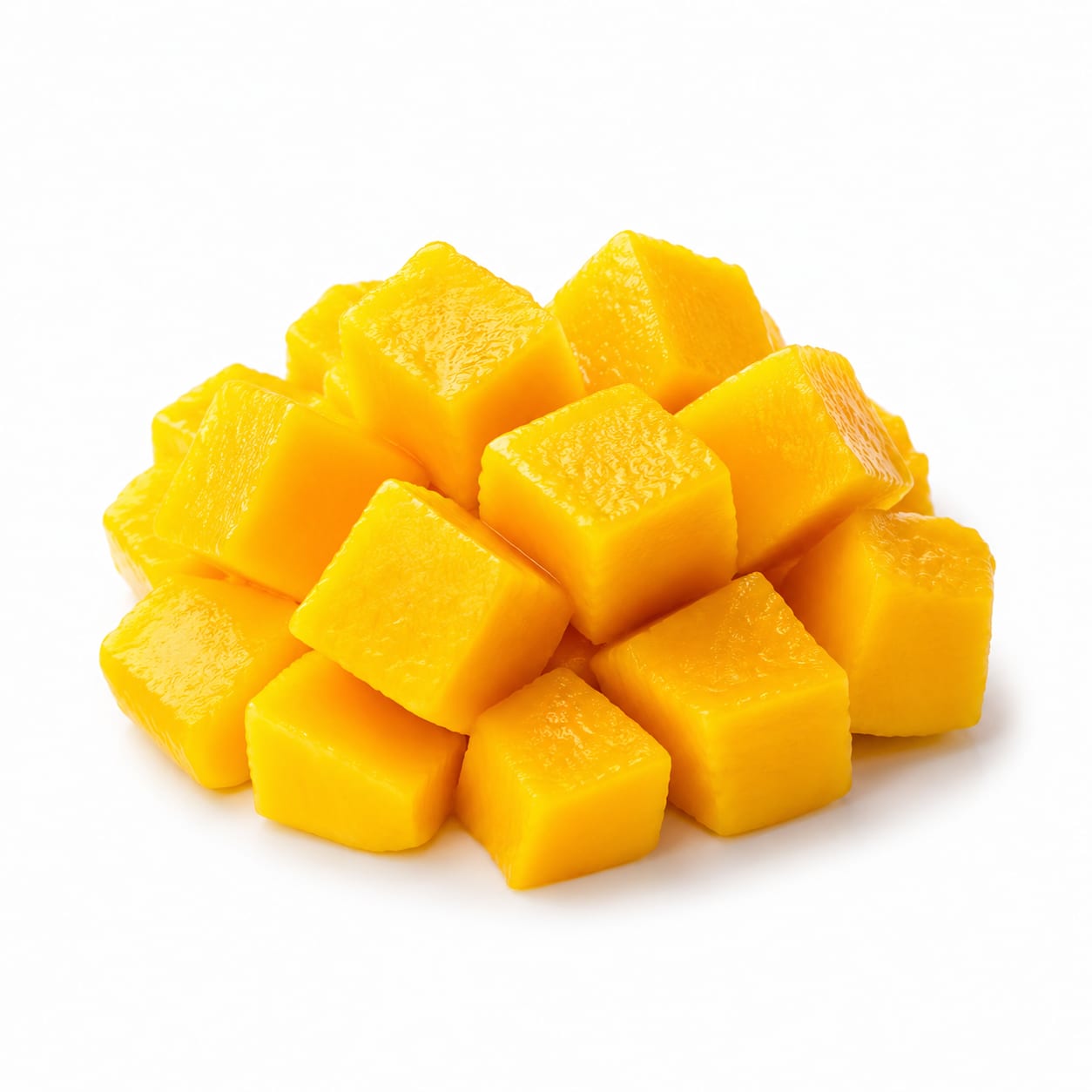
Mango
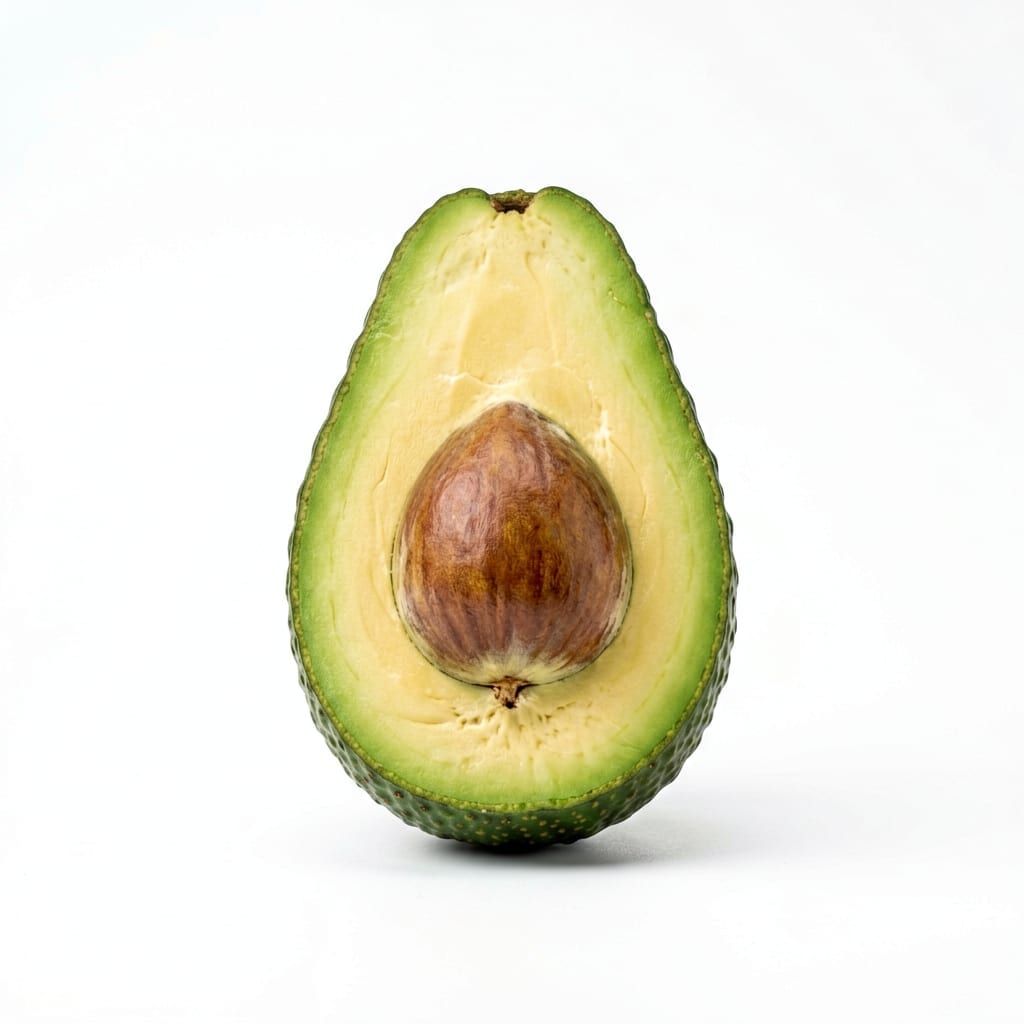
Avocado
Avocado wins for metabolic health and satiety, while Mango delivers a sweeter, lighter nutrient boost best enjoyed in moderation.
Avocado scores higher due to superior satiety, blood sugar stability, and heart-healthy fats. Mango remains valuable for micronutrients and enjoyment but its sugar content limits daily liberal use.
Satisfying healthy fats and steady energy from Avocado versus the vitamin-rich sweetness and sugar spike from Mango.
At a glance
Executive summary
Overall
It depends
Healthier
Avocado
More practical
Mango
Daily use
Avocado
Key comparison lenses
blood sugar and diabetes risk
Mango is sugar-dense while Avocado has almost zero sugar, making glycemic impact the starkest difference
weight management strategy
Avocado's healthy fats promote satiety but carry more calories; Mango is lighter but can trigger overeating due to sweetness
heart health and lipid profile
Avocado's monounsaturated fats actively support cardiovascular health, while Mango offers no direct lipid benefit
daily sustainable snacking
Users often wonder which is better as a regular snack without metabolic consequences
nutrient density per calorie
Both are nutrient-rich but deliver very different micronutrient profiles per calorie consumed
Best choice for
Mango
- Active individuals needing quick natural energy
- Anyone craving sweet fruit without turning to candy
- Vitamin C and A supplementation through whole food
- Tropical flavor in smoothies and desserts
Avocado
- Steady energy without blood sugar crashes
- Heart health and cholesterol management
- Keto or low-carb lifestyles
- Satiating meals that prevent overeating later
Least suitable for
Mango
- Strict low-carb or keto dieters
- People managing insulin resistance or type 2 diabetes
- Those tracking sugar intake carefully
Avocado
- Low-calorie diet plans without portion control
- People with avocado allergy or latex-fruit syndrome
- Budget-conscious daily eating in some regions
Deep comparison
Dimension by dimension
Each lens scores both foods and breaks down who each option suits.
- Dimension 1 · Priority 95Avocado
Blood Sugar Stability
Mango · 40Avocado · 95Mango raises blood sugar noticeably; Avocado barely moves it.
Tradeoff
Mango gives quick energy but risks a crash, while Avocado provides steady fuel with no spike.
Why it matters
Blood sugar swings drive cravings, fatigue, and long-term metabolic risk. Stable glucose means better mood and fewer afternoon energy dips.
Real-world impact
Eating Mango solo as a snack may leave you hungry again within an hour. Avocado keeps you full for hours.
Mango
- Pre-workout quick fuel
- Recovering from hypoglycemia
Better for
- Insulin-resistant individuals
- Late-night snacking
Worse for
Avocado
- Diabetes and prediabetes management
- Avoiding mid-afternoon energy crashes
- Reducing sugar cravings long-term
Better for
- Immediate energy needs during endurance activity
Worse for
- Dimension 2 · Priority 90Avocado
Satiety and Fullness
Mango · 35Avocado · 90Avocado is far more filling per serving due to its fat and fiber content.
Tradeoff
Mango is refreshing and light but rarely satisfies hunger alone. Avocado turns a snack into a mini-meal.
Why it matters
Foods that keep you full reduce total daily calorie intake without willpower struggles.
Real-world impact
Half an Avocado on toast can carry you from breakfast to lunch. A Mango disappears quickly and leaves you reaching for more food.
Mango
- Light refreshing snack in hot weather
- When you want flavor without feeling heavy
Better for
- Binge-prone eaters who struggle with sweet foods
- Using as a standalone meal replacement
Worse for
Avocado
- Weight management through natural portion control
- Replacing less healthy fat sources
- Building meals that actually satisfy
Better for
- Eating before intense exercise when you need light digestion
Worse for
- Dimension 3 · Priority 88Avocado
Heart Health
Mango · 50Avocado · 92Avocado actively improves cholesterol markers; Mango is heart-neutral at best.
Tradeoff
Mango's antioxidants help but do not directly shift lipid profiles. Avocado's monounsaturated fats meaningfully lower LDL cholesterol.
Why it matters
Heart disease remains the leading cause of death. Daily food choices that improve lipid profiles compound over decades.
Real-world impact
Regular Avocado consumption is linked to measurable improvements in cholesterol within weeks.
Mango
- Indirect antioxidant support for vascular health
Better for
- High sugar intake can promote triglyceride elevation in susceptible people
Worse for
Avocado
- Lowering LDL cholesterol
- Raising HDL cholesterol
- Reducing systemic inflammation
- Replacing saturated fat sources
Better for
- Overconsumption adds excess calories that may indirectly affect heart health
Worse for
- Dimension 4 · Priority 78It depends
Micronutrient Profile
Mango · 82Avocado · 78Mango excels in vitamin C and A; Avocado delivers vitamin K, E, potassium, and B6.
Tradeoff
Mango is an immune-boosting powerhouse while Avocado supports bone health, blood clotting, and electrolyte balance.
Why it matters
Different vitamins serve different functions, so neither profile is universally better.
Real-world impact
Mango helps during cold season or immune stress. Avocado supports recovery, bone density, and electrolyte replenishment after sweating.
Mango
- Immune system support
- Skin health via vitamin A and C
- Antioxidant defense
Better for
- Low in fat-soluble vitamins that require dietary fat for absorption
Worse for
Avocado
- Bone health via vitamin K
- Potassium for blood pressure regulation
- Vitamin E for skin and cell protection
Better for
- Lower in water-soluble antioxidants like vitamin C
Worse for
- Dimension 5 · Priority 72Mango
Calorie Efficiency
Mango · 75Avocado · 55Mango delivers more volume and sweetness per calorie; Avocado is calorie-dense for its portion size.
Tradeoff
Mango lets you eat more volume for fewer calories but offers less satiety. Avocado packs more nutrition into a small serving but calories add up fast.
Why it matters
For calorie-restricted diets, volume eating can psychologically feel more satisfying even if physiological satiety differs.
Real-world impact
A whole Mango is roughly 200 calories and feels like a lot of food. Half an Avocado is 160 calories and looks small on a plate.
Mango
- Volume eating strategies
- Lower-calorie snacking
Better for
- Low satiety per calorie may lead to eating more total food
Worse for
Avocado
- Nutrient density per bite
- Ketogenic diet macros
Better for
- Easy to overconsume calories if not measuring portions
Worse for
- Dimension 6 · Priority 70It depends
Culinary Versatility
Mango · 70Avocado · 80Avocado works in savory, sweet, and neutral dishes; Mango shines in sweet and tropical applications.
Tradeoff
Avocado blends into everything from salads to smoothies to desserts without dominating flavor. Mango announces itself with strong sweetness.
Why it matters
A food you can use daily in multiple meals is easier to build into a sustainable diet.
Real-world impact
Avocado goes on toast, in salads, as a garnish, or blended into sauces. Mango is best in smoothies, salsas, and desserts.
Mango
- Tropical and dessert recipes
- Fruit salsas and chutneys
- Smoothie sweetness without added sugar
Better for
- Limited savory applications
- Does not work as a fat substitute in cooking
Worse for
Avocado
- Savory dishes across all meals
- Replacing butter or mayo in recipes
- Neutral base for dips and spreads
Better for
- Cannot replicate bright fruity sweetness in recipes
Worse for
Timeline
Health impact over time
Short-term
Hours to days
Mango
- Quick blood sugar rise followed by potential crash
- Burst of natural energy within 30 minutes
- Refreshing hydration from high water content
- Possible overeating due to sweet taste driving more consumption
Avocado
- Stable blood sugar with no spike
- Gradual sustained energy for 2-4 hours
- Immediate feeling of fullness and satisfaction
- Potential digestive heaviness if eaten in large amounts
Long-term
Months to years
Mango
- Excess intake may contribute to elevated triglycerides in susceptible individuals
- Consistent vitamin C and A intake supports immune resilience
- Antioxidant compounds may reduce oxidative stress over time
- High sugar exposure could worsen insulin sensitivity if overconsumed
Avocado
- Improved LDL cholesterol and cardiovascular markers with regular consumption
- Better insulin sensitivity from monounsaturated fat intake
- Enhanced satiety patterns that support healthier eating habits overall
- Potassium intake supports long-term blood pressure management
Risk profile
Safety & processing
Both Mango and Avocado are whole foods typically eaten in their natural state. Neither raises processing concerns when purchased fresh.
Mango
Pesticide residue
mediumMango is on the moderate pesticide list. Peeling reduces exposure significantly. Organic options are worthwhile if eating daily.
Allergic cross-reactivity
lowSome individuals with latex allergy may react to Mango due to latex-fruit syndrome, though this is less common than with Avocado.
Avocado
Bacterial contamination
mediumAvocado skin can harbor Listeria and Salmonella. Always wash the skin before cutting, even if you discard it.
Latex-fruit syndrome
lowPeople with latex allergies may experience reactions to Avocado. This is more commonly reported than with Mango.
Who wins for whom
Audience fit
Same foods, different winners depending on your goal.
children
MangoKids naturally gravitate toward Mango's sweet taste, making it an easy way to deliver vitamins without battles. Avocado works too but is often rejected by picky eaters.
daily consumption
AvocadoAvocado can be eaten daily without metabolic concern and integrates into every meal. Daily Mango adds significant sugar exposure that may not suit everyone.
diabetes
AvocadoAvocado has negligible sugar and stabilizes blood glucose. Mango's 46 grams of sugar per fruit can significantly challenge glycemic control.
elderly
AvocadoAvocado's soft texture, heart-healthy fats, and potassium support cardiovascular and bone health priorities in aging. Its low sugar profile also suits slower metabolisms.
muscle gain
AvocadoAvocado provides calorie-dense healthy fats that support hormone production and recovery. Mango offers less caloric support for building mass.
weight loss
AvocadoAvocado's fat and fiber create lasting fullness that naturally reduces overall calorie intake. Mango's sweetness can trigger cravings for more food.
Your move
Decision guide
Choose Mango
- You want a refreshing, sweet treat instead of candy or dessert
- You need quick natural carbs before or after exercise
- You are fighting a cold and want an immune boost
- You eat low-calorie and want volume and flavor
Choose Avocado
- You want lasting energy without a sugar crash
- You are managing blood sugar, insulin resistance, or diabetes
- Heart health and cholesterol are priorities
- You need a satisfying food that prevents overeating later
- You follow a low-carb or ketogenic diet
Either works if
- You want whole-food nutrition without ultra-processing
- You are building a diverse fruit and vegetable intake
- You need healthy micronutrients from natural sources
Avoid both if
- You have a latex allergy and have not tested your tolerance
- You are on a strict very-low-calorie medical diet without room for either
Final recommendation
Keep both in your diet but assign them different roles. Use Avocado as a daily staple for steady energy, satiety, and heart health. Enjoy Mango as a treat or pre-workout fuel a few times per week. This combination gives you the best of both without overloading sugar or fat.
Practical
Consumer tips
- 1
Pair Mango with a protein or fat source like Greek yogurt or nuts to blunt the blood sugar spike
- 2
Wash Avocado skin thoroughly before slicing even though you discard the peel
- 3
Freeze diced Mango for smoothies to avoid waste when the fruit ripens too fast
- 4
Store unripe Avocados on the counter and move to the fridge once soft to extend usability by 2-3 days
- 5
Choose organic Mango if you eat it daily to reduce pesticide exposure
- 6
Half an Avocado per day is a sweet spot for health benefits without excessive calories
- 7
Mango portions matter: stick to half a Mango if watching sugar, or a full one if you are active