
Nutrition comparison
Mandarin vs Tangerine: Which Is Healthier and What's the Real Difference?
Mandarins and tangerines are nearly identical nutritionally, but small differences in vitamin C, beta-carotene, sweetness, and ease of peeling may sway your choice. Here's what actually matters.
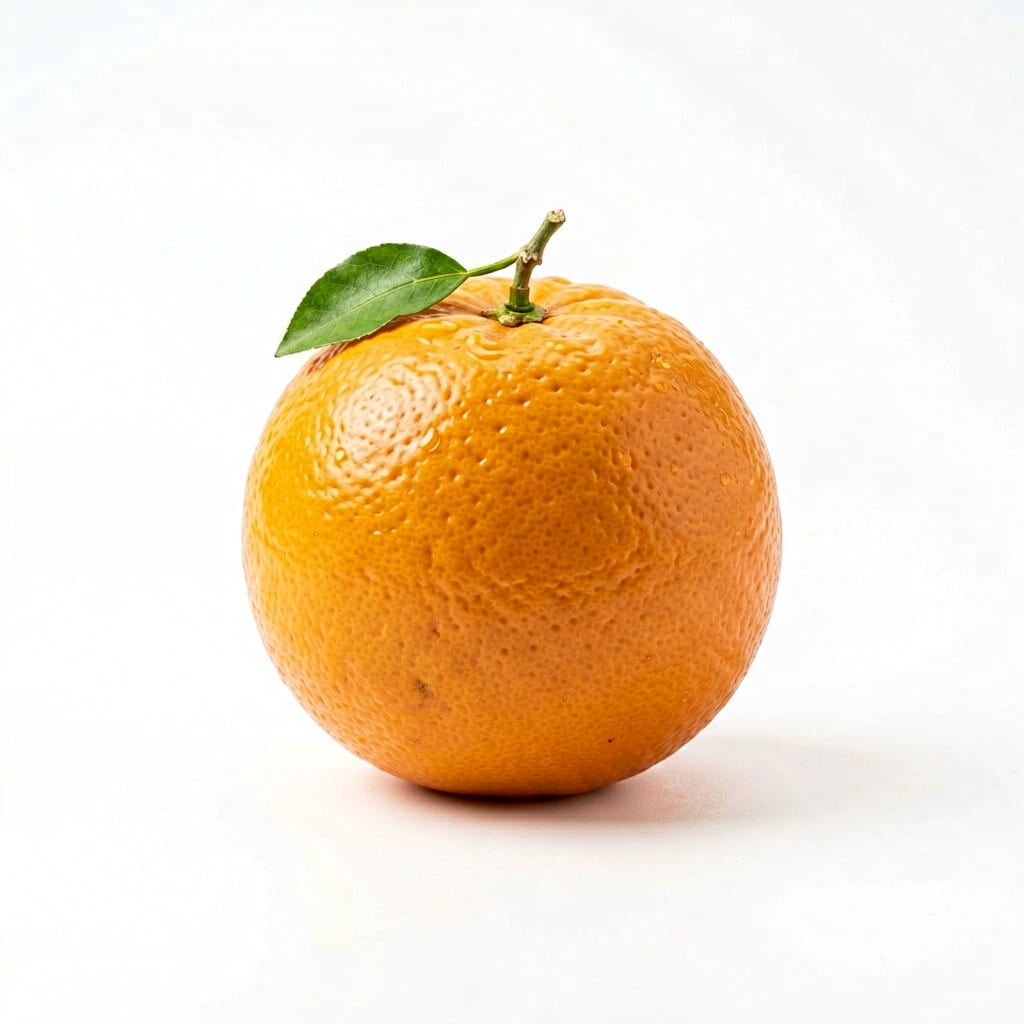
Mandarin
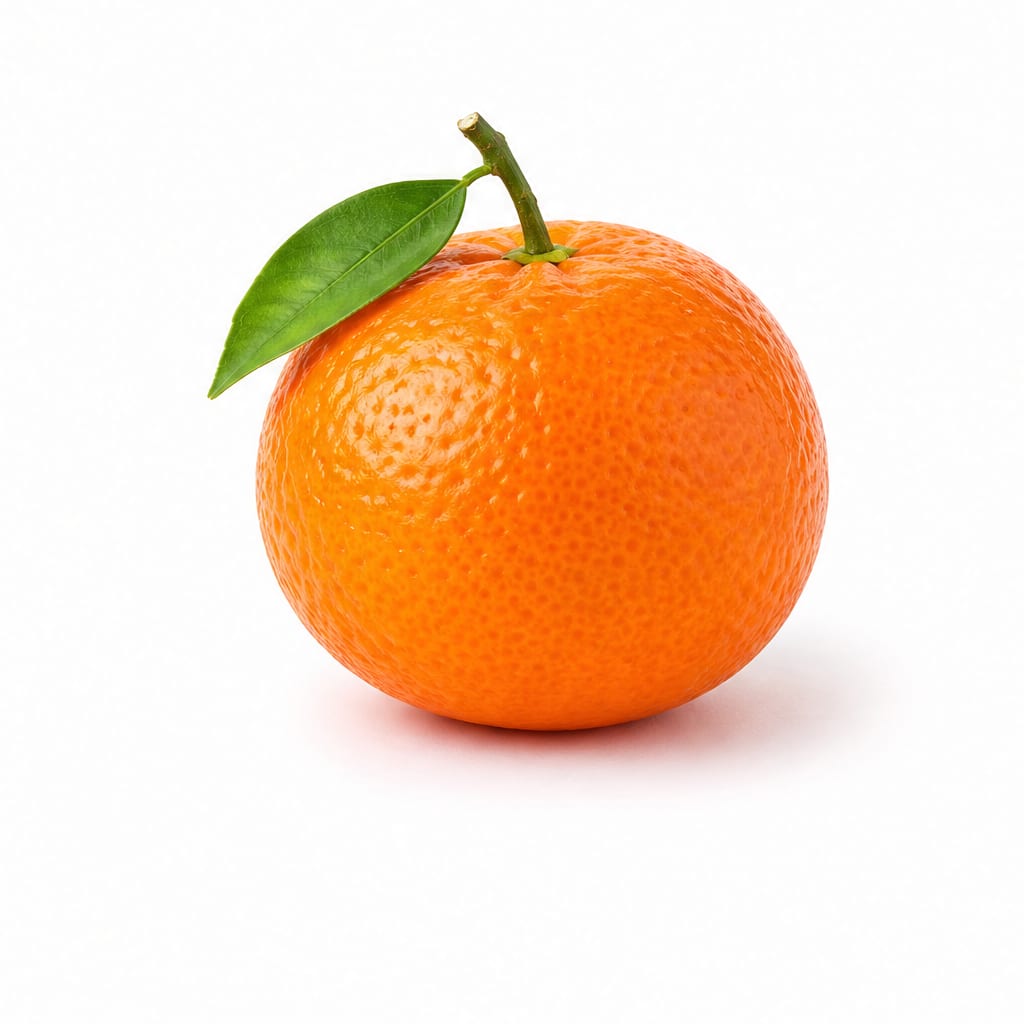
Tangerine
These two are nutritionally nearly identical since tangerines are actually a type of mandarin. Any differences are marginal and unlikely to impact health outcomes.
Scores are very close because these fruits are nutritionally almost interchangeable. Tangerines score slightly higher due to marginally more vitamin C and vitamin A, but the gap is too small to matter for most people in practice.
Tangerines edge ahead slightly on vitamin C and beta-carotene, while mandarins tend to be a touch sweeter and slightly easier to peel, making the real choice about taste preference and convenience rather than nutrition.
At a glance
Executive summary
Overall
It depends
Healthier
Tangerine
More practical
Mandarin
Daily use
It depends
Key comparison lenses
nutritional superiority between near-identical citrus fruits
Users comparing these two are usually unsure if one is meaningfully healthier or if they're essentially the same
taste and eating experience differences
Since nutrition is so similar, flavor and convenience become the real decision drivers
blood sugar and diabetes suitability
Citrus fruit sugar content matters for glucose-sensitive users choosing between options
snack convenience and portability
Both are popular lunchbox and on-the-go fruits, so ease of peeling and mess matter
antioxidant and immune support
Vitamin C and carotenoid differences, even small, may influence daily immune-support choices
Best choice for
Mandarin
- Kids who prefer sweeter, milder fruit
- People who want the easiest peeling experience
- Anyone seeking a gentle, low-acid citrus option
Tangerine
- Those prioritizing maximum vitamin C per serving
- People wanting more beta-carotene for eye health
- Anyone who enjoys a slightly tangier, more complex citrus flavor
Least suitable for
Mandarin
- People specifically seeking the highest vitamin C content from citrus
- Those who find overly sweet fruit unappealing
Tangerine
- People with acid sensitivity who find tart fruit irritating
- Anyone who struggles with tighter-peeling citrus
Deep comparison
Dimension by dimension
Each lens scores both foods and breaks down who each option suits.
- Dimension 1 · Priority 82Tangerine
Vitamin C Content
Mandarin · 68Tangerine · 78Tangerines typically provide around 26mg of vitamin C per 100g compared to roughly 23mg in mandarins, giving them a modest edge for immune support.
Tradeoff
The difference of about 3mg per serving is real but unlikely to meaningfully change your health outcomes unless citrus is your only vitamin C source.
Why it matters
Vitamin C supports immune function, skin health, and iron absorption. Every bit helps, but both fruits deliver a solid amount.
Real-world impact
Eating either fruit daily covers roughly 30-40% of your vitamin C needs. The gap between them equals roughly one extra bite of strawberry.
Mandarin
- Slightly less efficient vitamin C delivery per calorie
Worse for
Tangerine
- Maximizing daily vitamin C from a single fruit serving
Better for
- Dimension 2 · Priority 75Tangerine
Vitamin A and Beta-Carotene
Mandarin · 60Tangerine · 72Tangerines' deeper orange-red flesh signals more beta-carotene, which your body converts to vitamin A for eye and skin health.
Tradeoff
Neither fruit is a vitamin A powerhouse compared to carrots or sweet potatoes, but tangerines offer meaningfully more carotenoids per serving.
Why it matters
Beta-carotene also acts as an antioxidant. Over months and years, small consistent differences in antioxidant intake add up.
Real-world impact
If you eat citrus daily and care about eye health, tangerines give you a small but real bonus. For occasional snacking, it barely matters.
Mandarin
- Less carotenoid content per serving compared to darker-fleshed varieties
Worse for
Tangerine
- Supporting eye health through daily fruit intake
- Getting more antioxidant variety from citrus
Better for
- Dimension 3 · Priority 80Mandarin
Taste and Eating Experience
Mandarin · 82Tangerine · 74Mandarins are generally sweeter, milder, and less tart, with looser skins that peel effortlessly. Tangerines bring a tangier punch but can be slightly more work to open.
Tradeoff
If you want pure sweetness and easy snacking, mandarins win. If you enjoy a more complex sweet-tart balance, tangerines deliver more flavor interest.
Why it matters
Taste drives whether you actually reach for the fruit or let it sit on the counter. The healthiest fruit is the one you'll eat consistently.
Real-world impact
For kids' lunchboxes or quick desk snacks, mandarins' easy peel and mild sweetness make them more likely to get eaten. Adults who enjoy bolder flavor may prefer tangerines.
Mandarin
- Picky eaters and children
- Quick, mess-free snacking
- Gentle flavor when your stomach is sensitive
Better for
- May taste flat or overly sweet to people who enjoy tart citrus
Worse for
Tangerine
- Flavor enthusiasts wanting more complexity
- Pairing with savory dishes or salads where tartness shines
Better for
- Slightly more effort to peel
- Tartness can be unpleasant on an empty stomach
Worse for
- Dimension 4 · Priority 72Mandarin
Blood Sugar Impact
Mandarin · 74Tangerine · 70Mandarins have marginally less sugar per serving and slightly lower glycemic impact due to their milder sweetness and comparable fiber content.
Tradeoff
The glycemic difference is minimal. Both fruits are low-glycemic choices that most people with diabetes can enjoy without concern.
Why it matters
For glucose-sensitive individuals, even small sugar differences between similar foods can influence portion decisions and pairing strategies.
Real-world impact
If you're tracking blood sugar closely, mandarins may produce a slightly gentler glucose curve. But pairing either fruit with a protein or fat matters far more than choosing between them.
Mandarin
- Tighter blood sugar management
- People counting sugar grams carefully
Better for
Tangerine
- Slightly more sugar per serving, though still a low-glycemic food
Worse for
- Dimension 5 · Priority 68Tangerine
Antioxidant Diversity
Mandarin · 65Tangerine · 74Tangerines contain more flavonoids like hesperidin and naringenin, plus more beta-cryptoxanthin, an anti-inflammatory carotenoid linked to joint health.
Tradeoff
Both fruits provide useful antioxidants, but tangerines' richer pigment profile translates to a broader protective spectrum with regular consumption.
Why it matters
Chronic low-grade inflammation drives many age-related diseases. Small daily antioxidant advantages compound meaningfully over decades.
Real-world impact
If you eat citrus most days, choosing tangerines gives your body a slightly more diverse antioxidant toolkit. For occasional enjoyment, the difference is negligible.
Mandarin
- Narrower carotenoid and flavonoid profile
Worse for
Tangerine
- Long-term anti-inflammatory dietary patterns
- Joint health maintenance through daily fruit intake
Better for
- Dimension 6 · Priority 55It depends
Satiety and Fullness
Mandarin · 70Tangerine · 70Both fruits are nearly identical in calories, fiber, and water content, providing similar light satiety that lasts about 30-60 minutes before hunger returns.
Tradeoff
Neither fruit is a standalone hunger solution. Both work best as part of a snack that includes protein or fat for lasting fullness.
Why it matters
Eating fruit alone often leads to rebound hunger. Understanding this helps you plan smarter snacks instead of expecting any citrus to hold you over.
Real-world impact
Pair either fruit with a handful of almonds or a cheese stick, and you get a satisfying 200-calorie snack that actually holds you until your next meal.
Mandarin
- Not filling enough to serve as a standalone snack for most adults
Worse for
Tangerine
- Same limitation — light fruit that disappears quickly from the stomach
Worse for
Timeline
Health impact over time
Short-term
Hours to days
Mandarin
- Quick natural energy from easily digested natural sugars
- Mild hydration boost from high water content
- Gentle on the stomach due to lower acidity than most citrus
Tangerine
- Similar quick energy with a slightly more sustained feel from marginally more fiber
- Slightly stronger immune support from higher vitamin C per serving
- Tartness may stimulate digestion and appetite
Long-term
Months to years
Mandarin
- Consistent vitamin C intake supports skin collagen and immune resilience
- Low acidity makes daily consumption comfortable for most people
- Habitual easy snacking may improve overall fruit intake consistency
Tangerine
- Higher carotenoid intake supports long-term eye and skin health
- Broader flavonoid profile may offer incremental anti-inflammatory protection
- Daily vitamin C from tangerines contributes to better iron absorption over time
Risk profile
Safety & processing
Both mandarins and tangerines are whole, unprocessed fruits with no additives when purchased fresh. The only processing concern applies to canned or cupped versions packed in syrup, which add refined sugar and reduce the natural health advantage. Always choose fresh or packed in water.
Mandarin
Pesticide residue on peels
mediumMandarins frequently appear on EWG's lower-risk list for citrus, but conventional peels can carry fungicide residues from post-harvest treatment. Washing helps; organic eliminates this concern.
Tangerine
Pesticide residue on peels
mediumTangerines face similar post-harvest fungicide treatment as mandarins. If you zest the peel or use it in cooking, choosing organic becomes more important.
Who wins for whom
Audience fit
Same foods, different winners depending on your goal.
children
MandarinKids overwhelmingly prefer mandarins' sweeter taste and easier peeling. A fruit children actually want to eat beats a slightly more nutritious fruit they refuse.
daily consumption
It dependsBoth are gentle enough for daily eating. Choose mandarins for comfort and ease, tangerines for a slight nutritional edge. The best daily fruit is the one you'll keep reaching for.
diabetes
MandarinMandarins have slightly less sugar per serving and marginally gentler blood sugar impact, though both are solid low-glycemic choices that most people with diabetes can enjoy in moderation.
elderly
TangerineOlder adults benefit more from tangerines' higher vitamin C for immune support and additional beta-carotene for eye health, and the tartness can help stimulate fading appetite.
muscle gain
It dependsNeither fruit is relevant for muscle building. Both provide minimal protein and only light carbohydrate energy. They're fine as vitamin C sources but not muscle fuel.
weight loss
It dependsBoth are roughly 50 calories per fruit with similar fiber. The marginal sugar difference won't affect weight loss outcomes. Pick whichever you enjoy more, since consistency matters more than tiny calorie gaps.
Your move
Decision guide
Choose Mandarin
- You want the sweetest, mildest citrus snack available
- You're packing lunchboxes for kids who reject tart fruit
- You have acid sensitivity and find most citrus harsh
- Easy peeling is a top priority for on-the-go snacking
Choose Tangerine
- You want the most vitamin C and carotenoids per serving
- You enjoy a tangy, complex citrus flavor over pure sweetness
- Long-term eye and joint health are priorities
- You use citrus zest in cooking and want richer peel oils
Either works if
- You just want a refreshing, low-calorie fruit snack
- You're adding citrus segments to a salad or yogurt bowl
- You're eating citrus a few times a week rather than daily
- Organic availability or price drives your choice more than nutrition
Avoid both if
- You have citrus allergies or oral allergy syndrome triggered by mandarin-family fruits
- You're on a strict very-low-carb or ketogenic diet and can't spare the carbs
- You have severe GERD and any citrus triggers reflux regardless of acidity level
Final recommendation
Stop overthinking this one. Mandarins and tangerines are so nutritionally close that your preference for sweetness versus tanginess should decide it. If you want a tiny edge in vitamin C and antioxidants, grab tangerines. If you want the easiest, sweetest snack experience, mandarins win. Either way, you're making a great choice — just eat the one you'll actually enjoy daily.
Practical
Consumer tips
- 1
Choose fruits that feel heavy for their size — more weight means more juice and better flavor
- 2
Avoid any with soft spots, mold near the stem, or overly loose skin that feels hollow underneath
- 3
Store both in the refrigerator crisper drawer for up to two weeks; room temperature fruit spoils faster
- 4
If you buy organic, save the peels for zest — they're packed with flavorful oils and flavonoids
- 5
Canned mandarins and tangerines in syrup can contain 2-3 times the sugar of fresh fruit; always choose fresh or water-packed
- 6
Wash peels thoroughly before zesting, even if organic, to remove surface contaminants
- 7
For the best flavor, let refrigerated fruit sit at room temperature for 30 minutes before eating