
Nutrition comparison
Mandarin vs Pineapple: Which Fruit Is Better for You?
Compare mandarin and pineapple on blood sugar impact, vitamin C, convenience, and digestive benefits. Find out which fruit fits your health goals better.
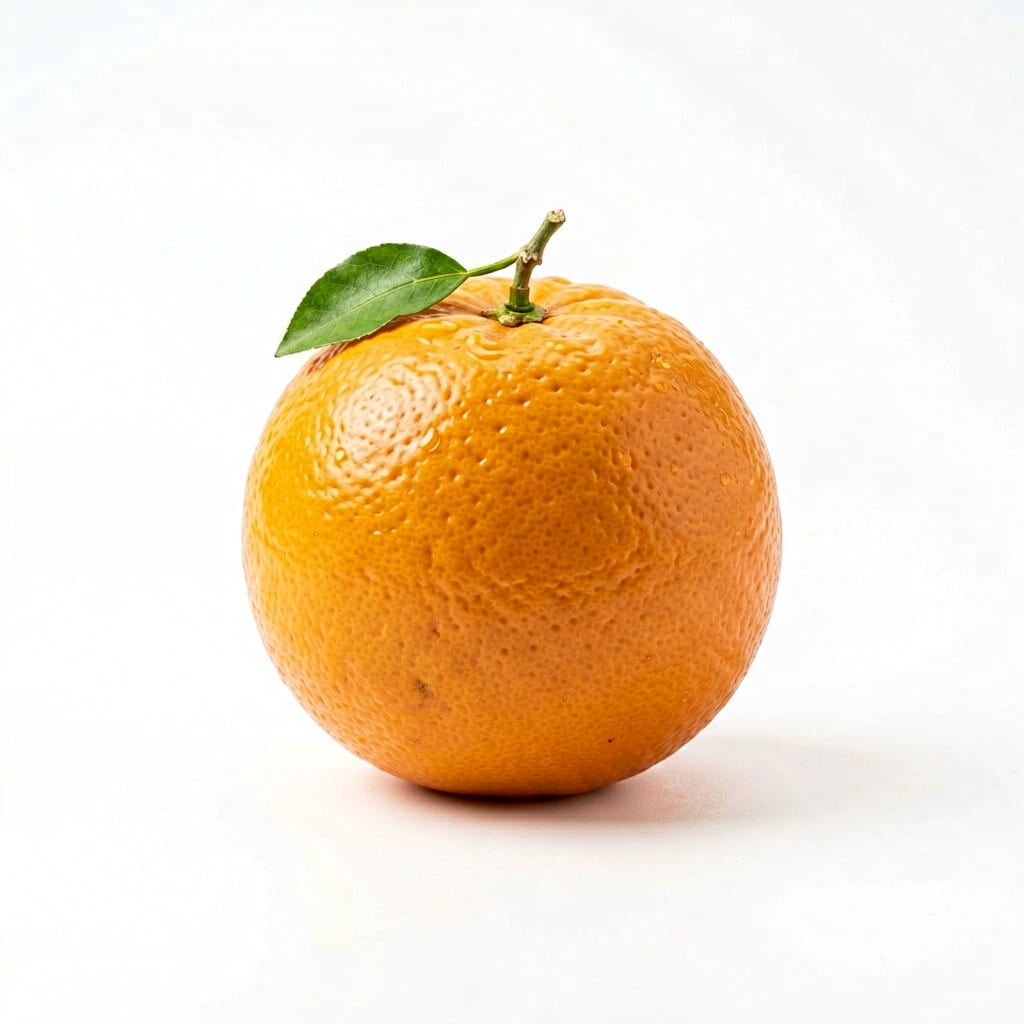
Mandarin

Pineapple
Mandarins win on convenience and blood sugar stability; pineapple wins on vitamin C, digestion, and anti-inflammatory power. Your pick depends on what your body needs most.
Mandarins edge ahead slightly due to lower glycemic impact, built-in portion control, and everyday practicality. Pineapple is nutritionally richer in some areas but its higher sugar load and prep requirement make it less sustainable as a daily staple for most people.
Mandarins give you steadier energy and grab-and-go simplicity, while pineapple offers a bigger nutritional punch but with more sugar impact and prep effort.
At a glance
Executive summary
Overall
It depends
Healthier
It depends
More practical
Mandarin
Daily use
Mandarin
Key comparison lenses
blood sugar and glycemic impact
Pineapple has a notably higher glycemic index than mandarins, making this critical for anyone monitoring blood sugar
convenience and portability as a snack
Mandarins are grab-and-go with natural portion control; pineapple requires cutting and is easy to overeat
vitamin C and immune support
Both are strong vitamin C sources but pineapple delivers nearly double per serving
digestive health and anti-inflammatory benefits
Pineapple contains bromelain, a unique enzyme with anti-inflammatory and digestive benefits mandarins cannot match
sugar content and cravings management
Both are sweet fruits but differ in how they affect satiety and the urge to keep eating
Best choice for
Mandarin
- People managing blood sugar or prediabetes
- Busy professionals needing a portable snack
- Parents packing school lunches
- Anyone who struggles with portion control
Pineapple
- People seeking anti-inflammatory benefits
- Those needing digestive enzyme support
- Athletes wanting post-workout vitamin C
- Anyone fighting a cold who wants maximum vitamin C
Least suitable for
Mandarin
- People needing high manganese intake
- Those specifically seeking bromelain for joint health
Pineapple
- People with sensitive blood sugar
- Anyone with oral allergy syndrome or mouth irritation from acidity
- Those who need a quick no-prep snack
Deep comparison
Dimension by dimension
Each lens scores both foods and breaks down who each option suits.
- Dimension 1 · Priority 90Mandarin
blood sugar stability
Mandarin · 82Pineapple · 58Mandarins have a low glycemic index around 47, while pineapple sits in the medium range at 59-66, causing faster blood sugar rises.
Tradeoff
Pineapple's higher GI means quicker energy but also a steeper crash, while mandarins provide a gentler, more sustained release.
Why it matters
If you are prediabetic, insulin resistant, or just trying to avoid afternoon energy dips, this difference is meaningful in daily life.
Real-world impact
Eating pineapple on an empty stomach can leave you hungry again within an hour. A mandarin is less likely to trigger that rebound craving.
Mandarin
- Steady energy without crashes
- Safer for prediabetics
- Less likely to trigger sugar cravings
Better for
- Not ideal when you need fast carbohydrate fuel
Worse for
Pineapple
- Quick energy before a workout
Better for
- Bigger blood sugar spike and drop
- Risk of overeating due to cravings
Worse for
- Dimension 2 · Priority 80Pineapple
vitamin C and immune support
Mandarin · 65Pineapple · 88Pineapple delivers roughly 80% of your daily vitamin C per cup compared to about 44% from a similar serving of mandarin.
Tradeoff
You get nearly double the vitamin C from pineapple, but you also consume more sugar to get it.
Why it matters
During cold season or periods of high stress, that extra vitamin C can make a real difference in immune resilience.
Real-world impact
One cup of pineapple covers most of your vitamin C needs for the day. You would need two to three mandarins to match that.
Mandarin
- Still a solid vitamin C source in a smaller package
- Easier to eat multiple servings throughout the day
Better for
- Lower vitamin C density per calorie
Worse for
Pineapple
- Much higher vitamin C per serving
- Also contains bromelain which supports immune function
Better for
- More sugar per unit of vitamin C obtained
Worse for
- Dimension 3 · Priority 85Mandarin
convenience and portion control
Mandarin · 95Pineapple · 45Mandarins are nature's perfect pre-packaged snack. Pineapple requires peeling, coring, and cutting, and once cut it is very easy to overeat.
Tradeoff
Mandarins naturally limit you to one or two fruits. A bowl of cut pineapple disappears fast because there is no built-in stopping cue.
Why it matters
Overeating fruit is still overeating sugar. Portion control matters even with healthy foods, especially for weight management.
Real-world impact
You can toss a mandarin in your bag in two seconds. Preparing pineapple takes minutes and creates a large batch that tempts you to eat more than planned.
Mandarin
- Zero prep required
- Natural portion boundaries
- No utensils needed
- Travel-friendly and mess-free
Better for
- Peel creates minor trash
Worse for
Pineapple
- Pre-cut versions available in stores
Better for
- Time-consuming to prepare fresh
- Easy to overeat once cut
- Messy and sticky to handle
- Leftover storage required
Worse for
- Dimension 4 · Priority 75Pineapple
digestive and anti-inflammatory benefits
Mandarin · 55Pineapple · 90Pineapple contains bromelain, a powerful enzyme that reduces inflammation, aids protein digestion, and may help with joint pain and sinus issues.
Tradeoff
Bromelain is genuinely therapeutic but it can also cause mouth irritation and is not ideal for people with certain stomach sensitivities.
Why it matters
If you have joint stiffness, sinus congestion, or digestive sluggishness, bromelain is one of the few food-based enzymes with real clinical evidence.
Real-world impact
Eating pineapple after a heavy protein meal can noticeably reduce bloating. Mandarins offer fiber but no comparable enzyme benefit.
Mandarin
- Gentle on the stomach lining
- Less likely to cause mouth irritation
Better for
- No unique digestive enzyme content
Worse for
Pineapple
- Bromelain aids protein digestion
- Anti-inflammatory for joints and sinuses
- May reduce post-surgical swelling
- Helps break down tough food
Better for
- Can cause burning mouth sensation
- May irritate sensitive stomachs in large amounts
Worse for
- Dimension 5 · Priority 65Pineapple
micronutrient diversity
Mandarin · 68Pineapple · 78Pineapple is remarkably rich in manganese, providing about 76% of daily needs per cup, while mandarins offer more vitamin A and folate.
Tradeoff
Pineapple covers a mineral most people do not think about but need. Mandarins cover vitamins more relevant to skin, vision, and cell repair.
Why it matters
Manganese supports bone health and metabolism. Vitamin A supports immunity and skin. Both matter, but manganese deficiency is less commonly addressed.
Real-world impact
If your diet lacks whole grains and nuts, pineapple is a surprisingly good manganese source. If you need more skin and immune support, mandarins have the edge in vitamin A.
Mandarin
- Good source of vitamin A for skin and vision
- Higher folate for cell repair
- Decent potassium for blood pressure
Better for
- Very low in manganese
Worse for
Pineapple
- Exceptional manganese content for bone health
- Strong thiamine for energy metabolism
- Good copper and B6 intake
Better for
- Negligible vitamin A content
Worse for
- Dimension 6 · Priority 70Mandarin
satiety and overeating risk
Mandarin · 78Pineapple · 55Mandarins come in their own wrapper and naturally stop you at one or two. Cut pineapple is easy to eat in large quantities before feeling full.
Tradeoff
The physical act of peeling a mandarin slows you down and creates a natural pause. Pineapple's soft texture and sweet taste encourage fast, mindless eating.
Why it matters
Even healthy fruit can contribute to weight gain if you eat too much. The form a food comes in shapes how much you consume.
Real-world impact
A bowl of pineapple chunks can disappear in minutes during a movie. Each mandarin requires a deliberate choice to start peeling the next one.
Mandarin
- Built-in portion control from peel
- Slower eating pace
- Easier to stop at one serving
Better for
- Small size may not feel satisfying alone
Worse for
Pineapple
- Higher water volume can fill stomach if eaten slowly
Better for
- Very easy to overeat
- Sweet taste drives wanting more
- No natural stopping point once cut
Worse for
Timeline
Health impact over time
Short-term
Hours to days
Mandarin
- Quick, light energy boost without a sugar crash
- Mild hydration from high water content
- Unlikely to cause digestive discomfort
Pineapple
- Noticeable energy spike from natural sugars
- Possible tingling or burning in the mouth from bromelain
- Can soothe bloating after a heavy meal
Long-term
Months to years
Mandarin
- Consistent low-GI fruit intake supports stable blood sugar over time
- Vitamin A contributes to skin health and immune resilience
- Easy daily habit to maintain due to convenience
Pineapple
- Regular bromelain intake may reduce chronic inflammation and joint stiffness
- High manganese supports bone density long-term
- Excessive daily consumption could contribute to elevated sugar intake
Risk profile
Safety & processing
Both fruits are whole, unprocessed foods in their natural state. The main concern is canned pineapple in syrup, which adds refined sugar and reduces the health profile significantly. Always choose fresh or canned in water. Mandarins are almost always sold fresh and whole.
Mandarin
Pesticide residue on peel
mediumMandarins are on the moderate pesticide residue list. If you touch the peel and then eat the fruit with your hands, residue can transfer. Washing helps but peeling is the real solution.
Citrus allergy
lowRare but possible. Symptoms include mouth itching or hives. More common in people with birch pollen allergy.
Pineapple
Oral irritation from bromelain
mediumBromelain digests protein on contact, which is why fresh pineapple makes your tongue and lips tingle or burn. This is harmless for most people but uncomfortable. Canning deactivates the enzyme.
High acidity and enamel erosion
mediumPineapple is highly acidic. Frequent consumption, especially sipping pineapple juice, can erode tooth enamel over time. Rinse with water after eating.
Allergic cross-reactivity
lowSome people with latex allergy experience cross-reactivity with pineapple. Symptoms range from mild mouth itching to anaphylaxis in rare cases.
Who wins for whom
Audience fit
Same foods, different winners depending on your goal.
children
MandarinKids love the sweet taste and easy-to-peel format. No mouth burning risk, no cutting required, and the small size fits little hands perfectly.
daily consumption
MandarinThe convenience, lower sugar impact, and portion control make mandarins a more sustainable everyday fruit habit for most people.
diabetes
MandarinMandarins have a significantly lower glycemic index, making them a safer fruit choice for blood sugar management.
elderly
It dependsMandarins are easier to handle and gentler on the stomach. But pineapple's bromelain can help with arthritis and digestion issues common in older adults. Choose based on the specific health priority.
muscle gain
PineapplePineapple's bromelain aids protein digestion and its higher vitamin C supports collagen synthesis for joint and tissue repair after training.
weight loss
MandarinLower glycemic impact and built-in portion control make mandarins easier to manage within a calorie budget without triggering rebound hunger.
Your move
Decision guide
Choose Mandarin
- You want a reliable daily fruit that is easy to eat anywhere
- You are watching your blood sugar or trying to lose weight
- You need a kid-friendly snack for lunches
- You tend to overeat sweet foods and need natural boundaries
- You have a sensitive stomach or mouth
Choose Pineapple
- You want anti-inflammatory and digestive enzyme benefits
- You are recovering from a workout and need quick carbs plus vitamin C
- You have joint pain or sinus congestion that bromelain may help
- You are preparing fruit for a group and want something impressive
- You rarely eat fruit and want maximum nutrient density when you do
Either works if
- You just want a refreshing, healthy snack and have no specific health concerns
- You are mixing fruit into a salad or smoothie where both work well
- You rotate fruits throughout the week for variety
Avoid both if
- You are on a strict very-low-carb or ketogenic diet
- You have fructose intolerance or malabsorption
- You are trying to minimize all sugar intake for a defined period
Final recommendation
Keep mandarins as your everyday fruit for their convenience and blood sugar friendliness. Add pineapple a few times a week when you want its anti-inflammatory and digestive benefits. Both are excellent choices that serve different purposes, and the best approach is to enjoy both rather than choosing just one.
Practical
Consumer tips
- 1
Wash mandarins before peeling even though you do not eat the rind, because pesticide residue transfers to your fingers and then to the fruit
- 2
If pineapple makes your mouth burn, try soaking chunks in lightly salted water for a minute before eating, which reduces bromelain activity
- 3
Choose fresh pineapple over canned whenever possible, as canning destroys bromelain and adds unnecessary sugar if packed in syrup
- 4
Mandarins store well at room temperature for about a week and even longer in the fridge, making them ideal for weekly grocery runs
- 5
Freeze pineapple chunks for a naturally sweet, slushy treat that also slows down your eating pace
- 6
If you buy pre-cut pineapple, check the label for added sugars or preservatives, and consume within two days of opening