
Nutrition comparison
Mandarin vs Peach: Which Fruit Is Healthier for You?
Compare mandarins and peaches on sugar, fiber, vitamin C, and convenience. Find out which fruit fits your health goals, snacking habits, and lifestyle best.
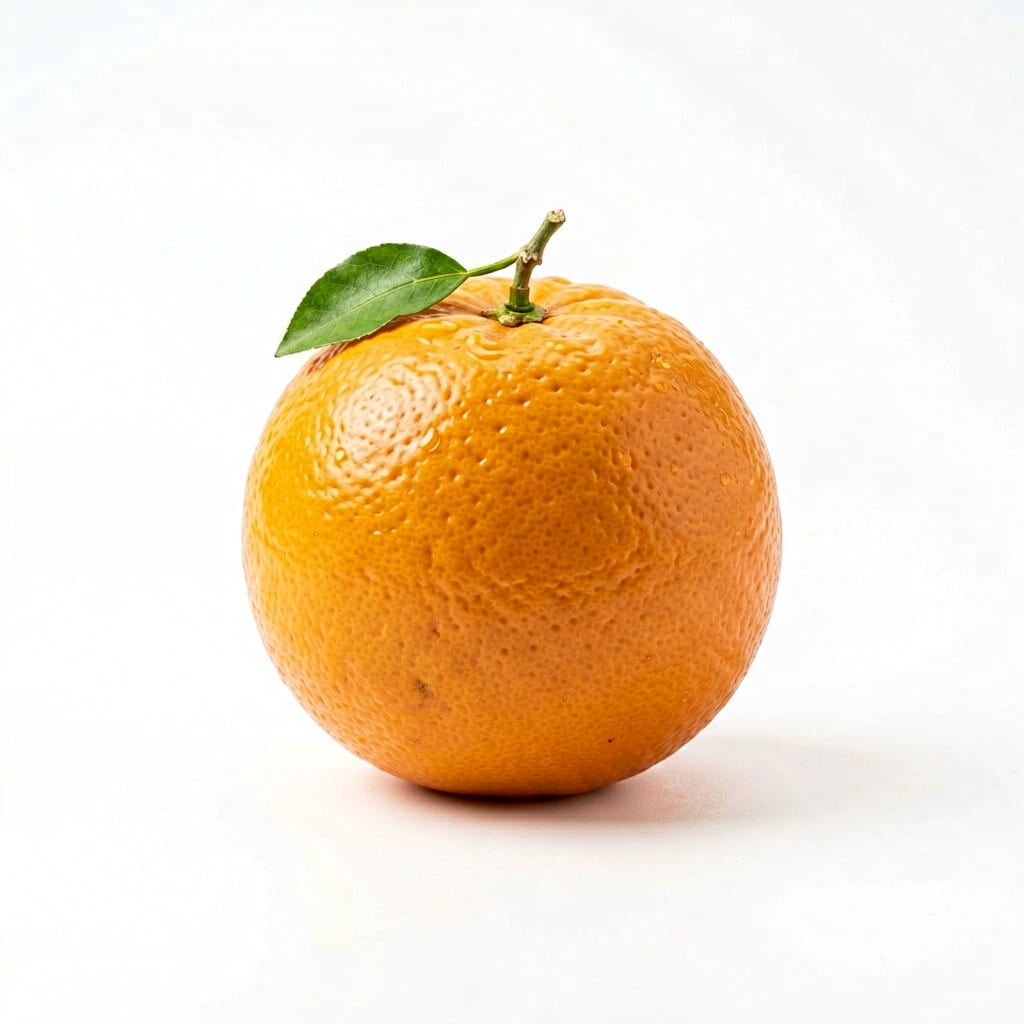
Mandarin
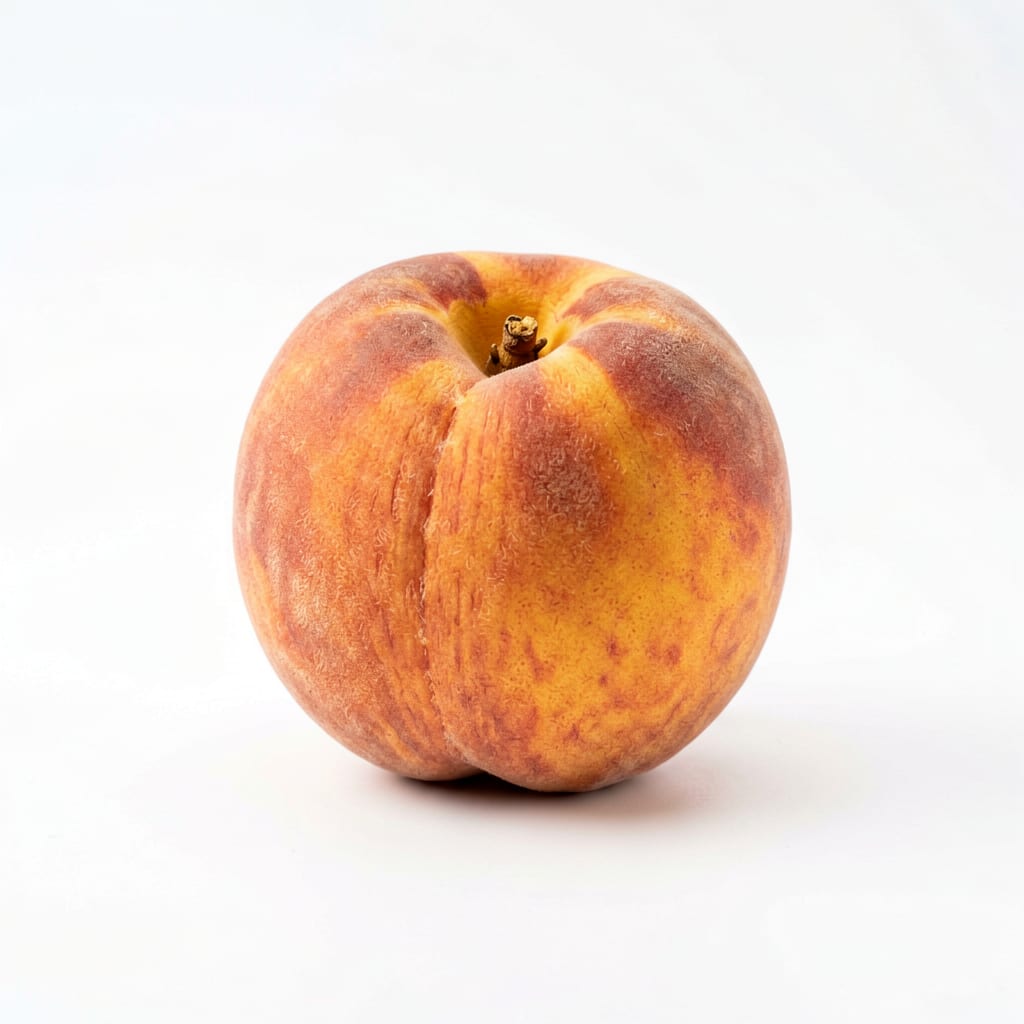
Peach
Mandarins win on vitamin C and convenience; peaches win on fiber and lower sugar. Your pick depends on what matters more for your day.
Peaches edge ahead thanks to lower sugar and higher fiber, but mandarins remain an excellent choice for convenience and vitamin C. The gap is small because both are whole, nutritious fruits.
Quick citrus energy and immune support versus steadier blood sugar and better fullness from a peach.
At a glance
Executive summary
Overall
It depends
Healthier
Peach
More practical
Mandarin
Daily use
It depends
Key comparison lenses
sugar content and blood sugar
Mandarins are noticeably sweeter and higher in sugar, making blood sugar impact a top concern for many users
snack portability and convenience
Both are popular grab-and-go fruits, but mandarins are far easier to peel and pack
fiber and satiety
Peaches provide more fiber per serving, which affects fullness and digestive health
vitamin c and immune support
Mandarins deliver significantly more vitamin C, a key reason people reach for citrus
weight management
Both are low-calorie fruits, but differences in sugar and fiber affect how satisfying they feel
Best choice for
Mandarin
- People needing a quick vitamin C boost during cold season
- Busy commuters wanting a mess-free snack
- Kids who prefer sweet, easy-to-peel fruit
- Anyone packing lunchboxes with limited prep time
Peach
- People managing blood sugar or watching sugar intake
- Those wanting more fiber to stay full longer
- Bakers and cooks looking for versatile fruit
- Anyone seeking a larger, more satisfying snack
Least suitable for
Mandarin
- People strictly limiting sugar or managing diabetes
- Those prone to heartburn from citrus acidity
- Anyone sensitive to citrus oils on skin
Peach
- People wanting a quick no-mess snack on the go
- Those who dislike fuzzy fruit textures
- Anyone needing high vitamin C from a single serving
Deep comparison
Dimension by dimension
Each lens scores both foods and breaks down who each option suits.
- Dimension 1 · Priority 90Peach
sugar_and_blood_sugar_impact
Mandarin · 55Peach · 78Mandarins contain roughly 50% more sugar per serving than peaches, which means a faster blood sugar rise.
Tradeoff
That sweetness makes mandarins more satisfying as a treat, but less ideal for steady energy.
Why it matters
If you are watching sugar or prone to afternoon energy crashes, the peach keeps things more stable.
Real-world impact
A mandarin at 3pm might give you a quick lift followed by a dip; a peach delivers gentler, longer-lasting energy.
Mandarin
- Quick pre-workout energy
- Satisfying a sweet tooth without junk food
Better for
- Late-night snacking if sensitive to sugar
- Blood sugar management
Worse for
Peach
- Steady energy through a long workday
- Managing prediabetes or insulin resistance
Better for
- Moments when you need fast carbohydrate energy
Worse for
- Dimension 2 · Priority 80Peach
fiber_and_satiety
Mandarin · 50Peach · 75Peaches provide about twice the fiber of mandarins, making them noticeably more filling.
Tradeoff
Mandarins are lighter and less filling, which can be a pro or con depending on your hunger level.
Why it matters
More fiber means better digestion, steadier blood sugar, and less temptation to overeat later.
Real-world impact
A peach at lunch can help you skip the afternoon vending machine run; a mandarin might leave you hungry again within an hour.
Mandarin
- Light snacking when not very hungry
- Eating before a run without feeling heavy
Better for
- Appetite control between meals
- Meeting daily fiber goals
Worse for
Peach
- Staying full between meals
- Improving daily fiber intake
Better for
- Moments when you want something light before activity
Worse for
- Dimension 3 · Priority 75Mandarin
vitamin_c_and_immune_support
Mandarin · 90Peach · 55Mandarins deliver roughly double the vitamin C of peaches per serving, making them the clear immune-support winner.
Tradeoff
You get stronger cold-season defense from mandarins, but miss out on the fiber and lower sugar peaches offer.
Why it matters
Vitamin C supports immune function, skin health, and iron absorption from plant foods.
Real-world impact
Eating two mandarins a day covers most of your vitamin C needs; you would need four peaches to match that.
Mandarin
- Fighting off a cold
- Supporting iron absorption from a plant-based meal
Better for
- People who already get plenty of vitamin C from other foods
Worse for
Peach
- Situations where vitamin C is already adequate from other sources
Better for
- Anyone relying on a single fruit for immune support
Worse for
- Dimension 4 · Priority 85Mandarin
convenience_and_portability
Mandarin · 92Peach · 60Mandarins are the ultimate grab-and-go fruit: easy to peel, no juice mess, compact size.
Tradeoff
Peaches are larger and juicier, which makes them more satisfying but harder to eat neatly at a desk or in a car.
Why it matters
The easier a healthy snack is to eat, the more likely you are to actually choose it over processed alternatives.
Real-world impact
Tossing a mandarin in your bag takes zero thought; packing a peach requires care to avoid bruising and sticky hands.
Mandarin
- Desk snacking at work
- Car rides and commuting
- Packing kids school lunches
Better for
- Situations where you want a substantial, meal-like snack
Worse for
Peach
- Leisurely breakfast at home
- Picnics with napkins handy
Better for
- On-the-go eating without a sink nearby
Worse for
- Dimension 5 · Priority 65It depends
antioxidant_diversity
Mandarin · 75Peach · 73Mandarins offer flavonoids and beta-carotene; peaches bring chlorogenic acid and different polyphenols. Both are valuable.
Tradeoff
Neither fruit dominates here — variety between them is better than picking just one.
Why it matters
Different antioxidants protect different systems, so rotating fruits gives broader coverage.
Real-world impact
Eating mandarins some days and peaches other days is smarter than sticking to only one.
Mandarin
- Eye health from beta-carotene
- Anti-inflammatory flavonoids
Better for
- Missing chlorogenic acid benefits
Worse for
Peach
- Chlorogenic acid for metabolic health
- Skin-protective polyphenols
Better for
- Lower beta-carotene intake
Worse for
Timeline
Health impact over time
Short-term
Hours to days
Mandarin
- Quick energy from natural sugars
- Vitamin C boost within hours of eating
- Possible heartburn in sensitive people due to citrus acidity
Peach
- Gentler blood sugar response
- More immediate fullness from fiber and water
- Mild digestive comfort from soluble fiber
Long-term
Months to years
Mandarin
- Consistent vitamin C intake supports skin and immunity
- Flavonoids may reduce chronic inflammation
- Higher sugar load could be a concern if eaten in large quantities daily
Peach
- Better long-term blood sugar regulation from fiber
- Improved digestive regularity
- Polyphenols may support metabolic and cardiovascular health
Risk profile
Safety & processing
Both mandarins and peaches are whole, unprocessed fruits. Canned mandarins or peaches in syrup are different products and significantly higher in added sugar — always choose fresh or packed in water.
Mandarin
Pesticide residue on peel
mediumCitrus peels can retain pesticide residues. If eating the peel or using it in cooking, choose organic. Peeling removes most concern.
Citrus allergy or oral allergy syndrome
lowSome people experience tingling or swelling from citrus proteins, especially those with birch pollen allergies.
Peach
Pesticide residue on skin
mediumPeaches consistently rank high on the EWG Dirty Dozen list. Washing helps, but organic is a safer bet if you eat the skin.
Bruising and mold
lowPeaches spoil faster than mandarins. Mold on a soft peach can spread quickly — discard any with visible mold.
Who wins for whom
Audience fit
Same foods, different winners depending on your goal.
children
MandarinKids love the sweetness, the fun size, and the easy peeling. Mandarins are a lunchbox staple for good reason.
daily consumption
It dependsRotating both is ideal. Mandarins for vitamin C and convenience, peaches for fiber and fullness. Eating only one every single day misses the benefits of the other.
diabetes
PeachLower sugar and higher fiber make peaches gentler on blood sugar. Mandarins are not off-limits, but portion control matters more.
elderly
PeachSofter texture when ripe, more fiber for digestive regularity, and lower acidity makes peaches easier on aging stomachs.
muscle gain
It dependsNeither fruit is a protein source. Mandarins offer slightly more vitamin C which supports collagen repair, but the difference is minor for muscle goals.
weight loss
PeachPeaches have slightly fewer calories, less sugar, and more fiber — a combination that keeps you fuller longer with less blood sugar disruption.
Your move
Decision guide
Choose Mandarin
- You want a quick, mess-free snack for work or travel
- Cold season is approaching and you want more vitamin C
- You are packing snacks for kids
- You need a light pre-workout energy boost
Choose Peach
- You want something more filling that holds you until the next meal
- You are watching your sugar intake or managing blood sugar
- You care about getting more daily fiber
- You want a fruit that works in both sweet and savory recipes
Either works if
- You simply want a healthy whole-food snack
- You are meeting general fruit intake goals
- You enjoy variety and want to rotate between them
Avoid both if
- You have a severe citrus or stone fruit allergy
- You are on a very strict low-carb or ketogenic diet
- You have fructose intolerance and cannot tolerate either
Final recommendation
Keep both in your fruit bowl. Mandarins are your weekday convenience fruit; peaches are your weekend satisfaction fruit. If you must pick one for daily eating, peaches offer a slight edge for blood sugar and fullness — but the best health move is to alternate between them.
Practical
Consumer tips
- 1
Buy organic peaches when possible — they rank among the most pesticide-contaminated fruits
- 2
Mandarins are easy to find pesticide-free since you discard the peel, but go organic if you zest the peel into food
- 3
Choose peaches that yield slightly to pressure but are not mushy — they ripen fast at room temperature
- 4
Store mandarins in the fridge to extend freshness by a week; peaches should ripen on the counter then move to the fridge
- 5
Canned mandarins and peaches in heavy syrup are not equivalent to fresh — the added sugar changes the nutritional profile dramatically
- 6
Frozen peach slices are a great smoothie addition and retain most of their nutrients